
 한국어
한국어 English
 日本語
日本語 中文(简体)
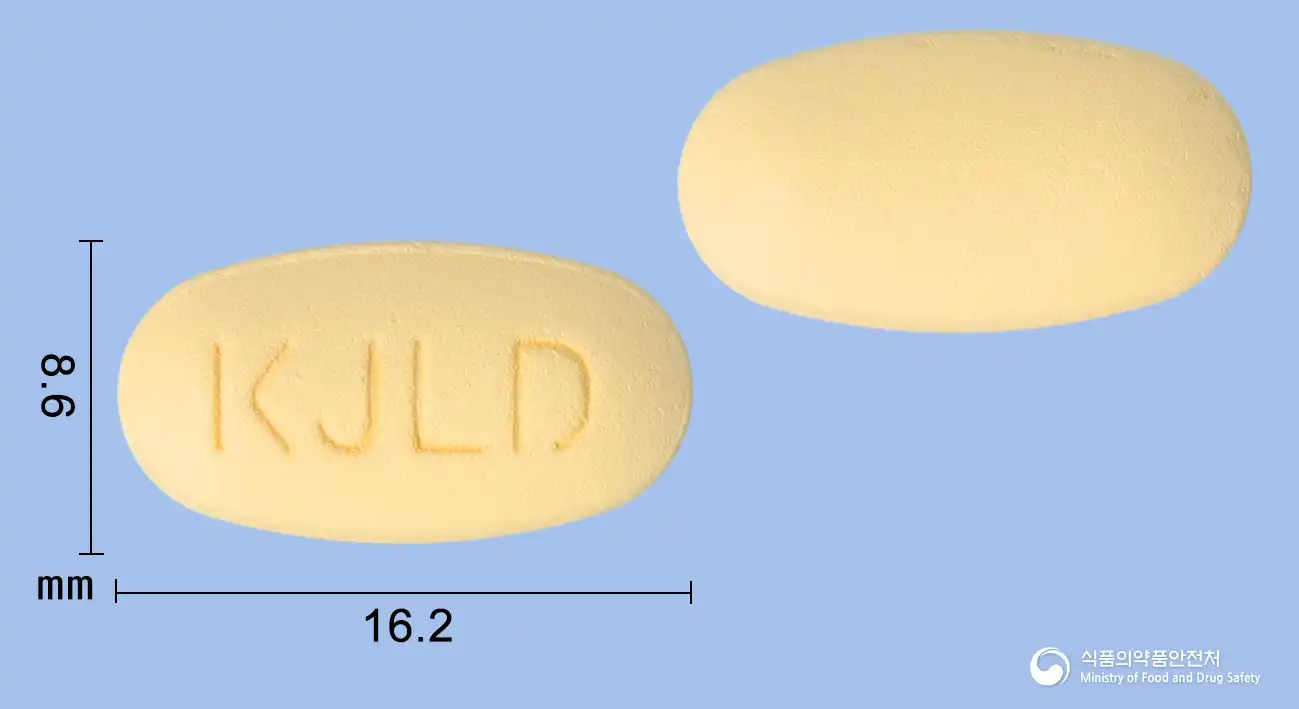
Dosage form image
Viewing nowCombinationNaringenta Duo Tablet 2.5/850 milligrams
Linagliptin 2.5mg · Metformin Hydrochloride 850mg
Tablet · Prescription medication · Combination
Pharmgen Science Co., Ltd.
MFDS item code 202201809 · Approved 2022.05.03
Improvement in blood glucose control in type 2 diabetes
This drug is used to improve blood glucose control in patients with type 2 diabetes who require combined therapy of linagliptin and metformin, as an adjunct to dietary and exercise therapy.
The dosage of this drug should not exceed the maximum recommended dosages of linagliptin 2.5 mg and metformin 1000 mg, 2 times a day, considering each patient's current therapy, effectiveness, and tolerability. This drug is administered 2 times a day with meals. 1. For patients not using metformin: With an initial dose of 2.5/500 mg, take 1 tablet 2 times a day and may increase to 2.5/1000 mg 2 times a day.
This drug may cause serious side effects, such as lactic acidosis, so caution is required. Lactic acidosis can occur when metformin hydrochloride, one of the main components of this drug, accumulates in the body, and delay in treatment may lead to death. Therefore, this drug should not be used in patients with severely impaired kidney function, acute illnesses, severe infections, or dehydration. Pregnant or lactating women, patients with type 1 diabetes, and patients with diabetic ketoacidosis should also not take this medication. During the use of this drug, symptoms of hypoglycemia should be monitored closely, especially when used in conjunction with other hypoglycemic agents such as insulin or sulfonylureas. Regular kidney function monitoring is required, and if abnormalities are found, consult a doctor immediately. Additionally, rare side effects such as acute pancreatitis or bullous pemphigoid may occur; therefore, if abdominal pain or skin blisters develop, notify medical personnel immediately. This drug may reduce vitamin B12 levels, so if taken long-term, monitoring of blood vitamin B12 concentrations is recommended. There may be interactions with other medications, especially when combined with drugs affecting kidney function or strong metabolic inducers or inhibitors. Care is necessary. If there is a plan for pregnancy or during pregnancy, consider insulin therapy instead of this drug, and it is recommended not to use it during breastfeeding. Elderly patients are prone to reduced kidney function, so dose adjustment and regular kidney function tests are necessary. The effect of this drug on driving or operating machinery is unclear, requiring caution. In cases of overdose, the risk of lactic acidosis increases, and immediate medical treatment is required, which may necessitate hemodialysis. When storing, keep out of reach of children and protect from moisture.
Pharyngitis, hypersensitivity, angioedema, hypoglycemia, taste disturbance, cough, decreased appetite, diarrhea, constipation, nausea, vomiting, abdominal pain, oral ulcer formation, abnormal liver function tests, hepatitis, pruritus, erythema, rash, joint pain accompanied by severe and disability, rhabdomyolysis, increased lipase, increased amylase, decreased and deficiency of vitamin B12, increased blood triglycerides, increased blood creatinine, increased blood creatine phosphokinase
Not everyone experiences these, and they can vary from person to person.
This medication should be stored in a tightly closed container to protect from air and humidity, and it is safe to store at room temperature between 1 and 30 degrees Celsius. Therefore, it is advisable to avoid too hot or too cold places and to keep it in a cool place out of direct sunlight.
Bilateral convex oval film-coated tablets of bright orange color
60 tablets/Alu-Alu[60 tablets(10 tablets/Alu-AluX6)]
Even with the same ingredient, strength, dosage form and how it is taken can differ.
Linagliptin 2.5mg · Metformin Hydrochloride 850mg
Tablet · Prescription medication · Combination
Pharmgen Science Co., Ltd.
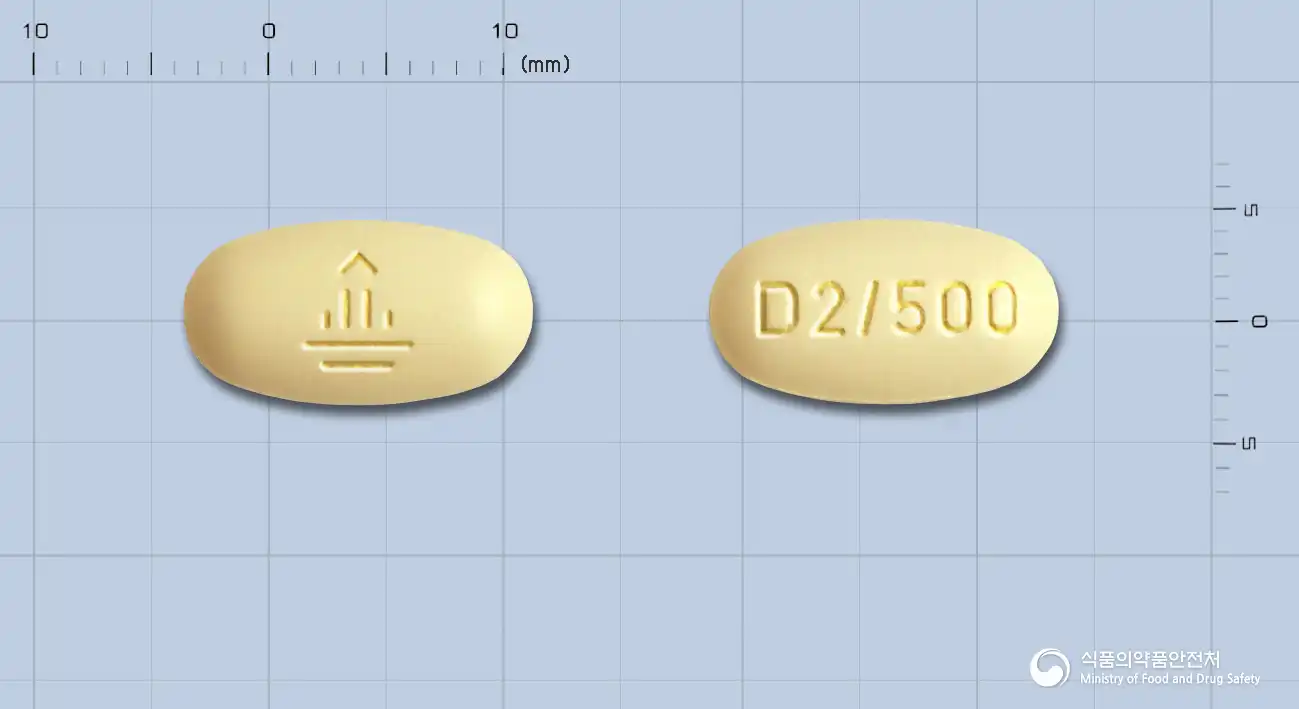 Combination
Linagliptin 2.5mg · Metformin Hydrochloride 500mg
Tablet · Prescription medication · Combination
Boehringer Ingelheim Korea Co., Ltd.
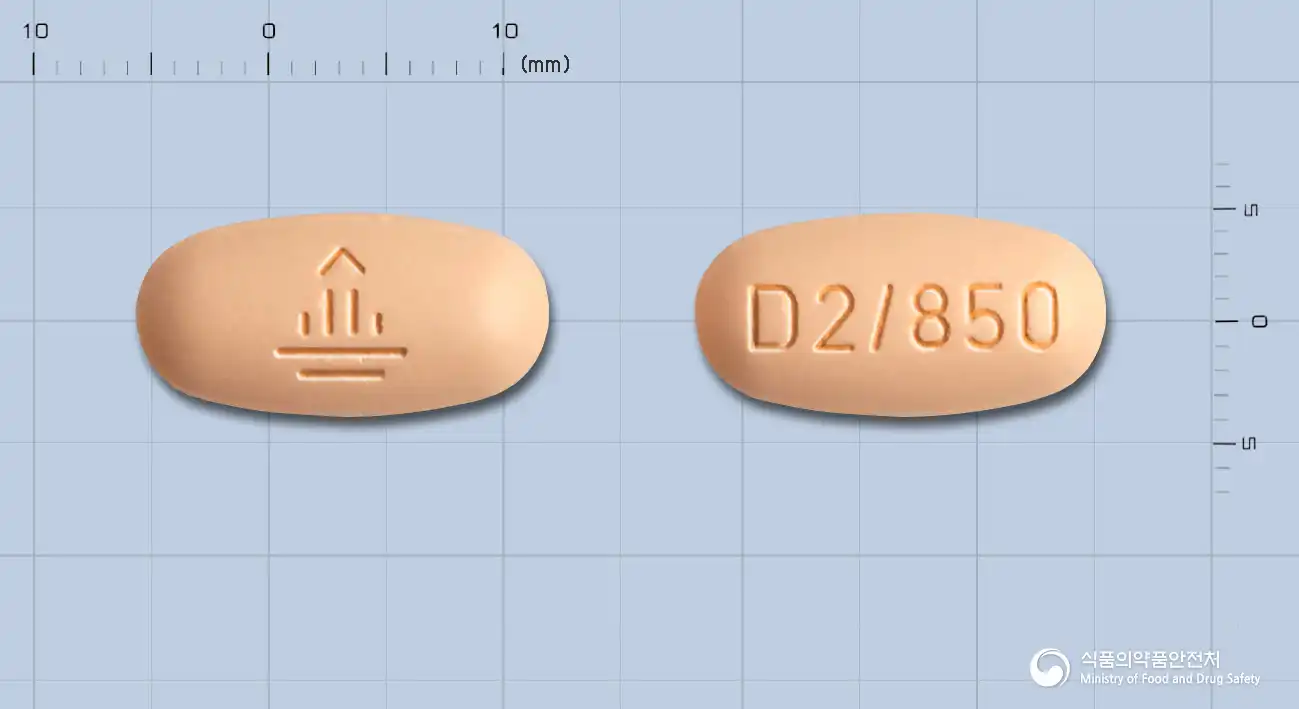 Combination
Linagliptin 2.5mg · Metformin Hydrochloride 850mg
Tablet · Prescription medication · Combination
Boehringer Ingelheim Korea Co., Ltd.
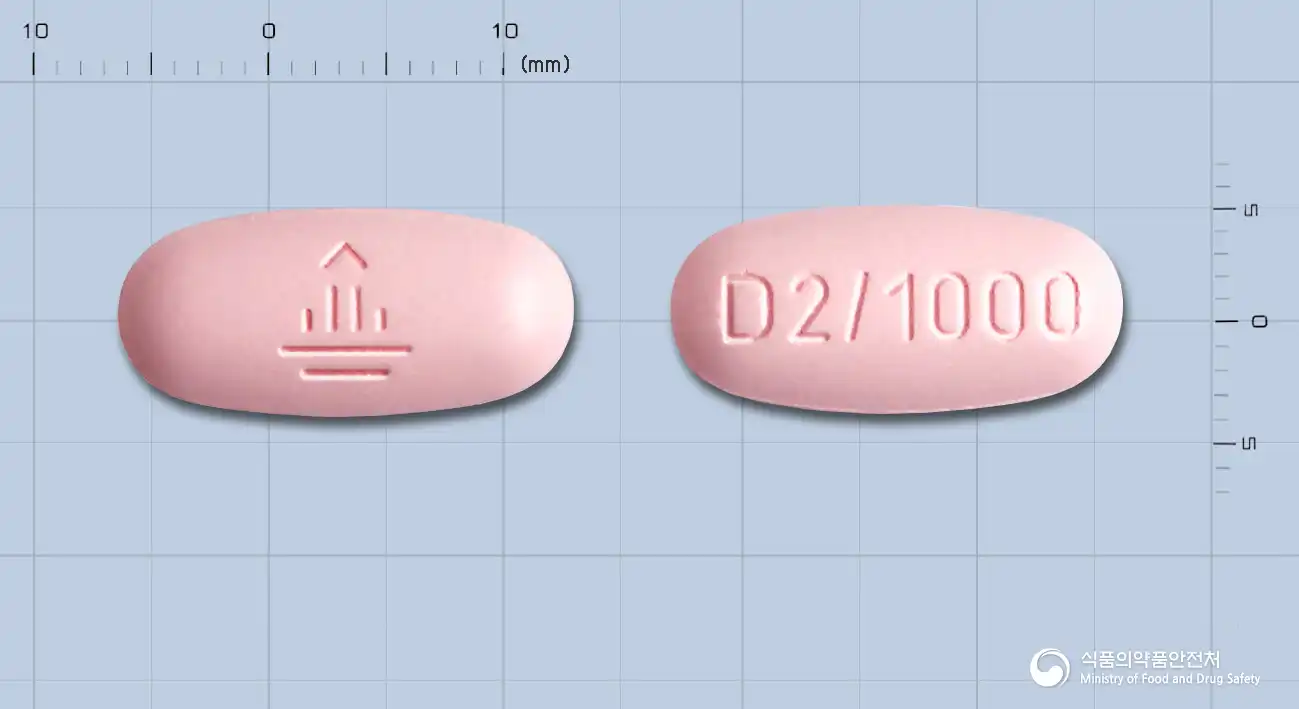 Combination
Linagliptin 2.5mg · Metformin Hydrochloride 1000mg
Tablet · Prescription medication · Combination
Boehringer Ingelheim Korea Co., Ltd.
Linagliptin 2.5mg · Metformin Hydrochloride 1000mg
Tablet · Prescription medication · Combination
Anguk Pharm Co., Ltd.
Linagliptin 2.5mg · Metformin Hydrochloride 1000mg
Prescription medication · Combination
Hanmi Pharmaceutical Co., Ltd.
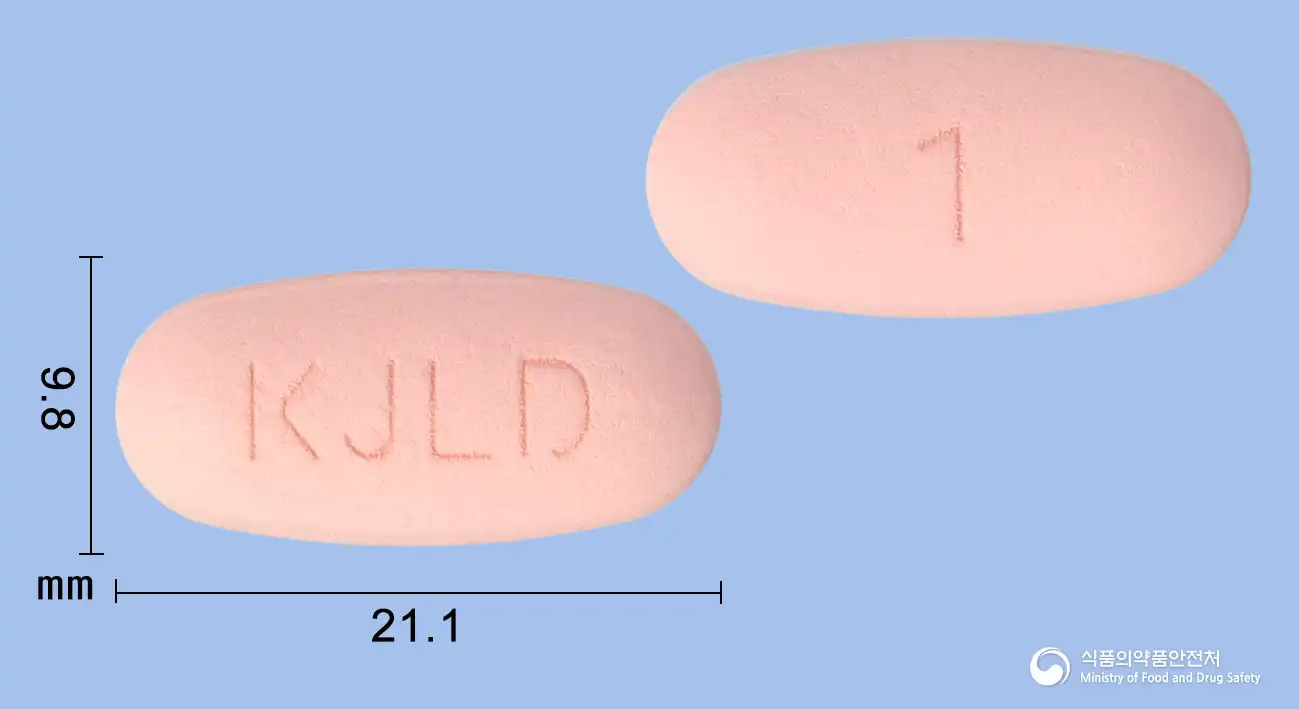 Combination
Linagliptin 2.5mg · Metformin Hydrochloride 1000mg
Tablet · Prescription medication · Combination
Kukje Pharmaceutical Co., Ltd.
 Combination
Linagliptin 2.5mg · Metformin Hydrochloride 500mg
Tablet · Prescription medication · Combination
International Pharmaceutical Co., Ltd.
Even with the same ingredient, the dose and directions can differ by strength and dosage form. Talk to a doctor or pharmacist before switching from a medication you are already taking.
No questions yet.
For anything that needs medical judgment, consult a doctor or pharmacist.
This drug information is based on data provided by the Korea Ministry of Food and Drug Safety.
Consult a doctor or pharmacist for accurate dosage, administration, and usage instructions.