
 한국어
한국어 English
 日本語
日本語 中文(简体)
 Viewing nowCombination
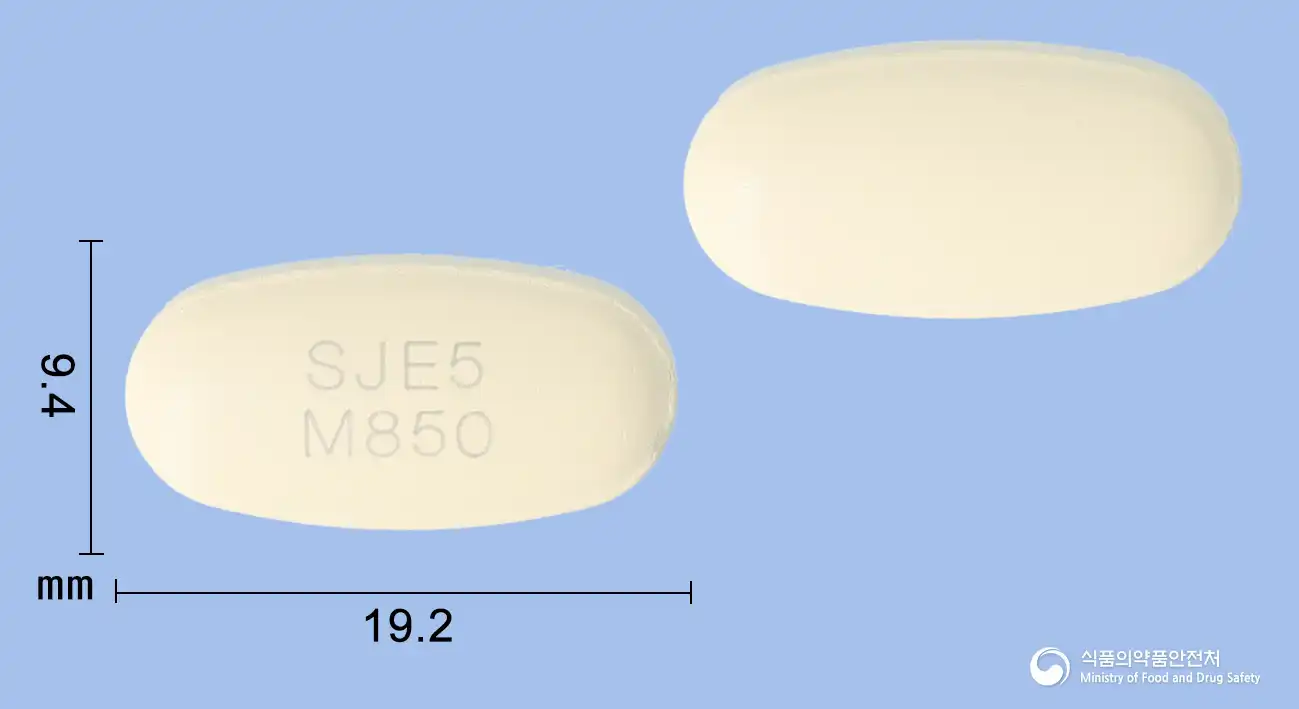
Emposin Duo Tablet 5/850 mg (Empagliflozin, Metformin Hydrochloride)
Empagliflozin 5mg · Metformin Hydrochloride 850mg
Tablet · Prescription medication · Combination
Samjin Pharmaceutical Co., Ltd.
MFDS item code 202201539 · Approved 2022.04.13 · Insurance code 647805790
Effect on blood sugar control in type 2 diabetes and prevention of cardiovascular events
This medication is used to improve blood sugar control in adult patients with type 2 diabetes by assisting dietary and exercise regimens. In particular, the combination of empagliflozin and metformin may enhance effectiveness. In cases where patients with insufficient blood sugar control have cardiovascular disease, it should be administered with caution under expert guidance. This medication is used not only for blood sugar management but also for treatments that pay attention to cardiovascular safety.
The recommended dosage for this medication is 1 tablet once, twice a day. Patients who cannot achieve adequate blood sugar control with metformin alone or in combination with other medications such as insulin should take 5 mg of empagliflozin twice a day (total daily dose of 10 mg) along with their usual metformin dosage. If superior tolerability is observed and additional blood sugar control is needed, the dosage of empagliflozin can be increased to 25 mg (total daily dose).
This medication is used in the treatment of diabetes to help control blood sugar levels. When taking this medication, there is a risk of a rare side effect called severe lactic acidosis, so you should consult a doctor immediately if symptoms occur. Caution is needed as hypoglycemic symptoms may occur when taken with other diabetes medications. Patients with severely impaired kidney function or certain serious conditions should not take this medication. It is advisable to temporarily discontinue this medication before and after tests using iodine contrast agents, and it can be resumed after kidney function is confirmed to be normal. It is also safe to temporarily stop this medication when undergoing acute infection or surgery. Pregnant or breastfeeding women are advised not to take this medication. Routine checks of kidney function are necessary during treatment, and special caution should be exercised for the elderly or patients with diminished kidney function. This medication may cause side effects such as urinary tract and genital infections, increased urination, hypoglycemia, etc., so inform your doctor if you experience any symptoms. It is advisable to avoid alcohol, and regular monitoring of vitamin B12 levels is recommended. Caution is required when driving or operating machinery. In case of overdose, it is advisable to visit a medical institution immediately for appropriate treatment. This medication is not recommended for children, and it should be stored out of reach of children.
Urticaria, erythema, angioedema, perineal necrosis, ketoacidosis, lactic acidosis, acute pyelonephritis, uroseptic shock, liver abnormalities (including hepatitis), cerebral infarction, myocardial infarction, severe allergic reactions, severe edema or urination abnormalities, heart failure, severe hypoglycemia (severe), severe dermatological reactions (severe rash, blistering, skin peeling, mucosal pain), severe respiratory problems (difficulty breathing, asthma attack, breathing abnormalities with cough and fever)
Not everyone experiences these, and they can vary from person to person.
This medication should be stored in a tightly closed container to protect it from exposure to air or moisture, and it is best kept at room temperature between 1 and 30 degrees Celsius. Proper storage conditions can help maintain the potency of the medication for an extended period.
White film-coated tablets with a yellow tint, double-sided and convex oval shape
10 tablets/box [10 tablets/PTP x 1], 60 tablets/box [10 tablets/PTP x 6], 30 tablets/bottle, 60 tablets/bottle
Even with the same ingredient, strength, dosage form and how it is taken can differ.
Viewing nowCombinationEmpagliflozin 5mg · Metformin Hydrochloride 850mg
Tablet · Prescription medication · Combination
Samjin Pharmaceutical Co., Ltd.
 Combination
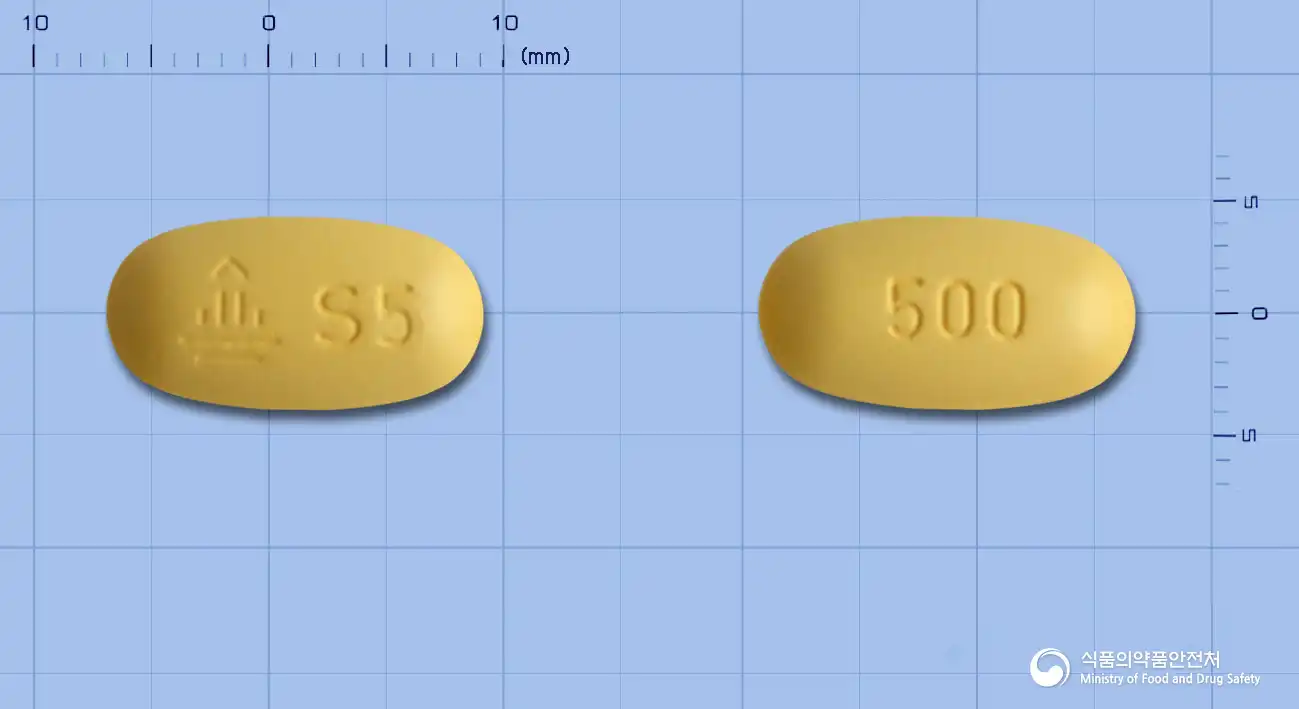
Empagliflozin 5mg · Metformin Hydrochloride 500mg
Tablet · Prescription medication · Combination
Boehringer Ingelheim Korea Co., Ltd.
 Combination
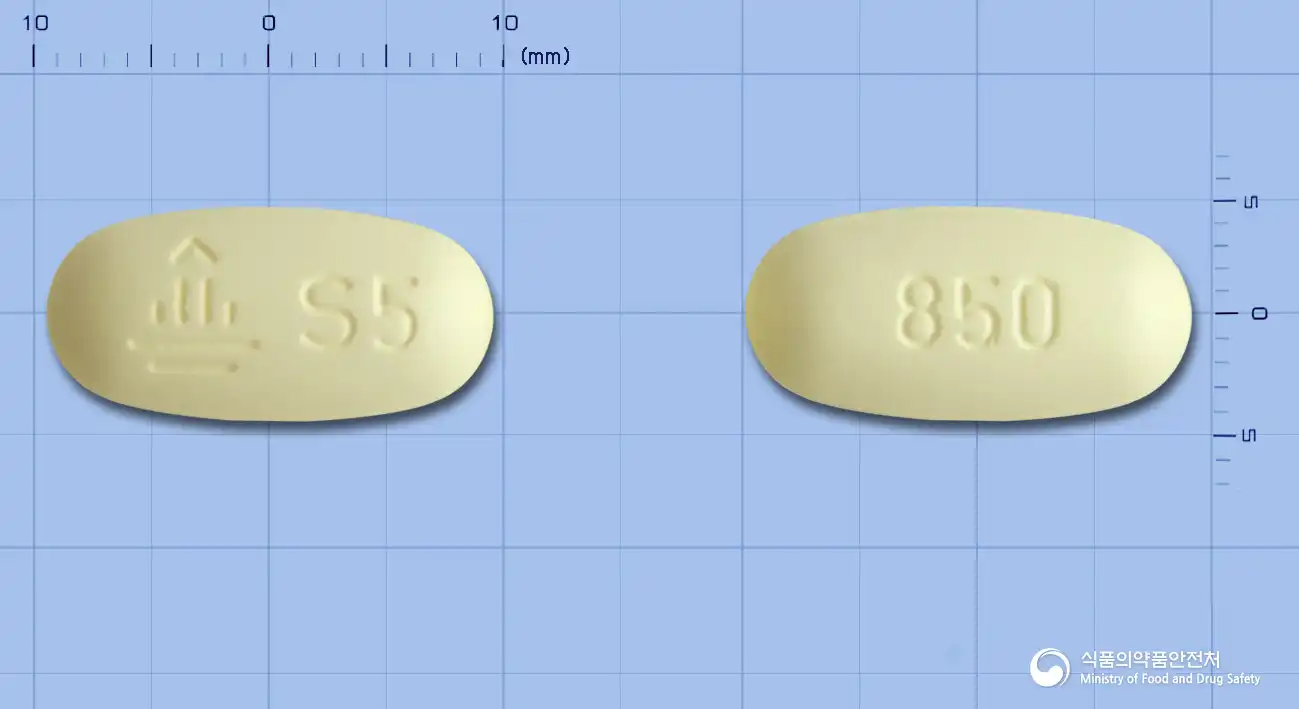
Empagliflozin 5mg · Metformin Hydrochloride 850mg
Tablet · Prescription medication · Combination
Boehringer Ingelheim Korea Co., Ltd.
 Combination
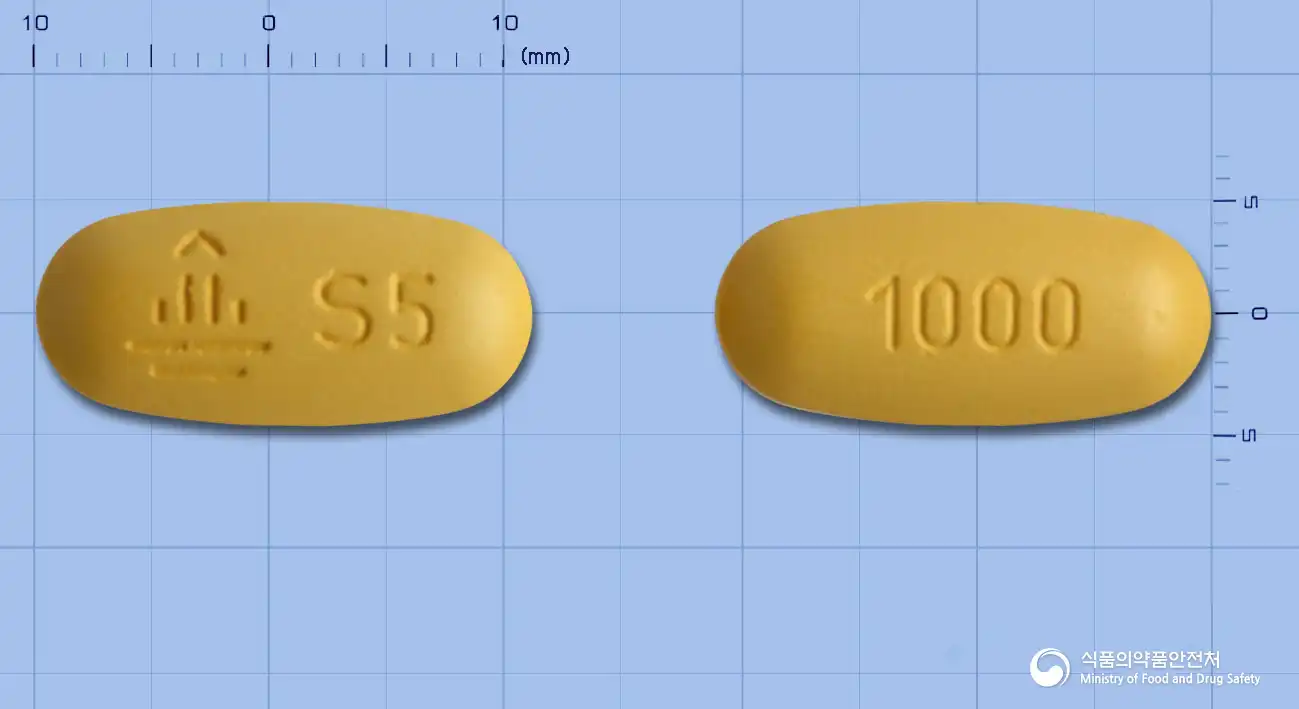
Empagliflozin 5mg · Metformin Hydrochloride 1000mg
Tablet · Prescription medication · Combination
Boehringer Ingelheim Korea Co., Ltd.
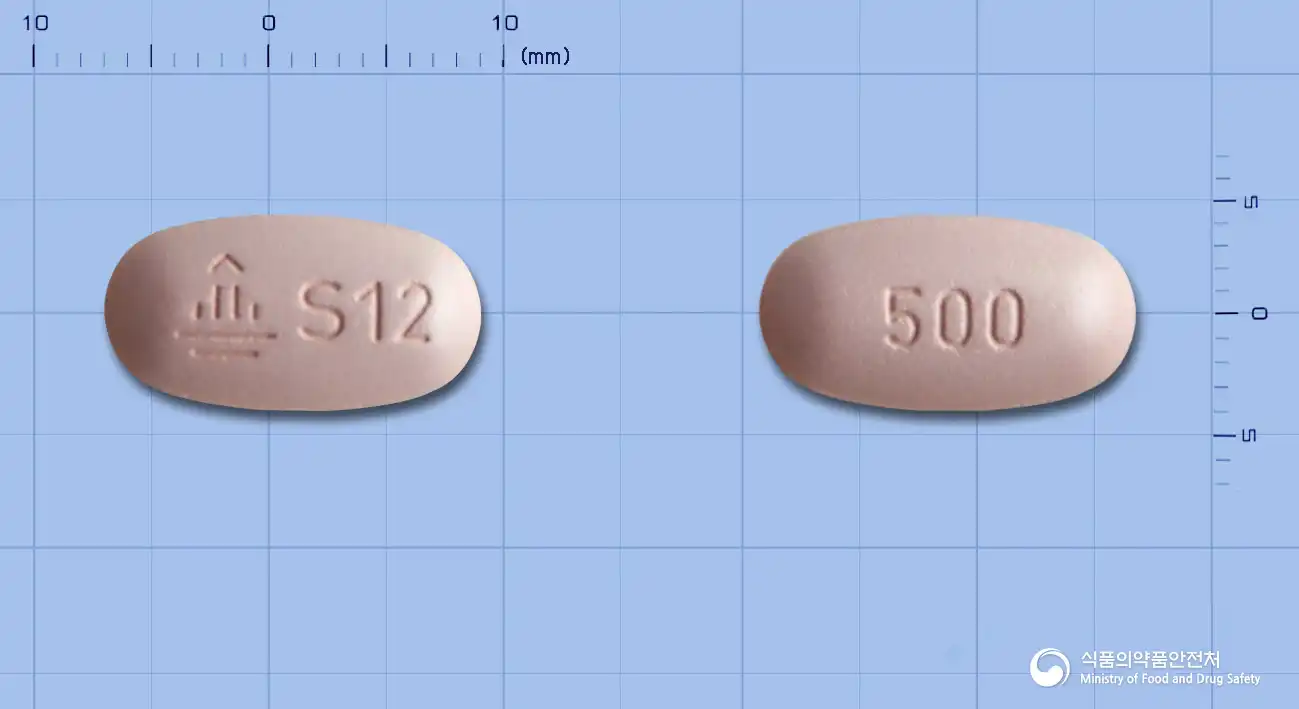 Combination
Empagliflozin 12.5mg · Metformin Hydrochloride 500mg
Tablet · Prescription medication · Combination
Boehringer Ingelheim Korea Co., Ltd.
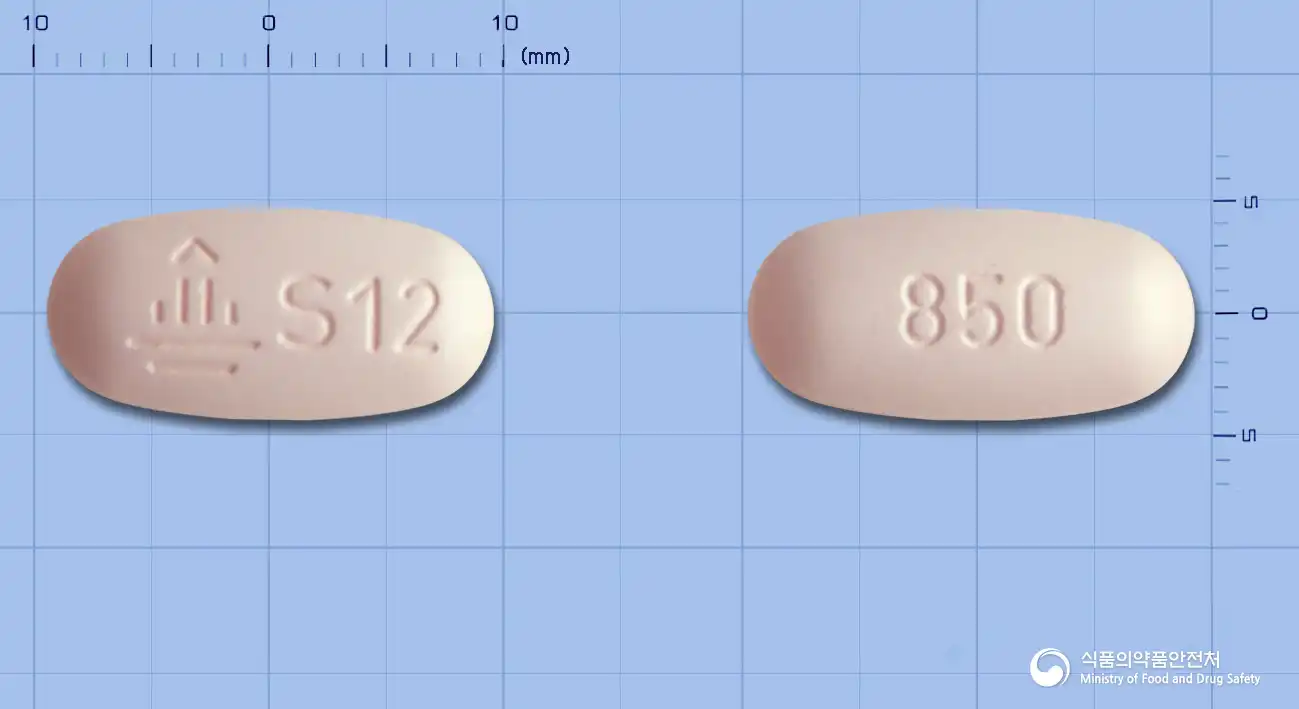 Combination
Empagliflozin 12.5mg · Metformin Hydrochloride 850mg
Tablet · Prescription medication · Combination
Boehringer Ingelheim Korea Co., Ltd.
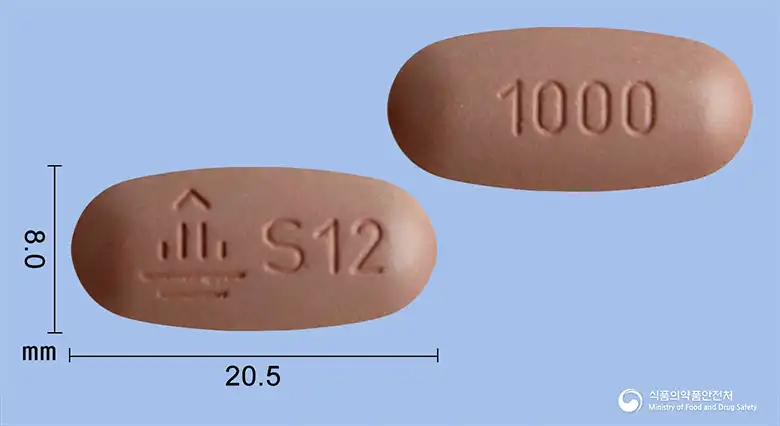 Combination
Empagliflozin 12.5mg · Metformin Hydrochloride 1000mg
Tablet · Prescription medication · Combination
Boehringer Ingelheim Korea Co., Ltd.
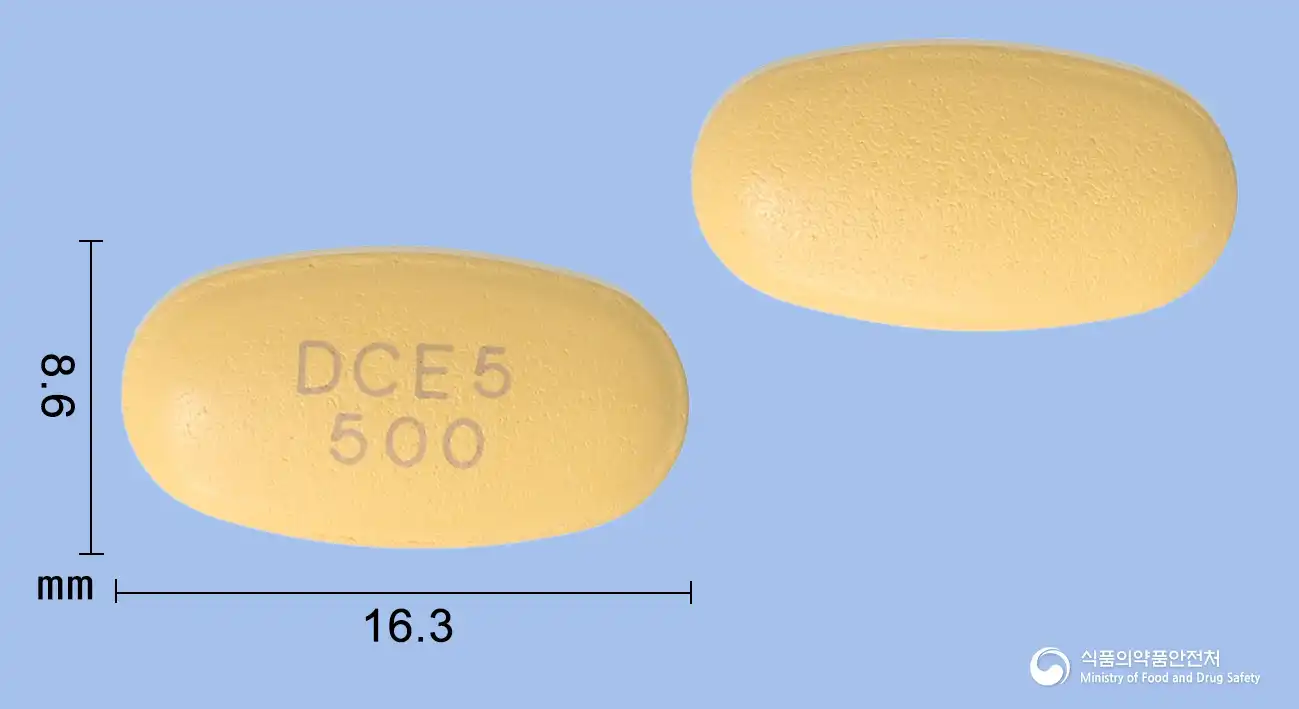 Combination
Empagliflozin 5mg · Metformin Hydrochloride 500mg
Tablet · Prescription medication · Combination
Donggu Bio Pharmaceutical Co., Ltd.
Even with the same ingredient, the dose and directions can differ by strength and dosage form. Talk to a doctor or pharmacist before switching from a medication you are already taking.
No questions yet.
For anything that needs medical judgment, consult a doctor or pharmacist.
This drug information is based on data provided by the Korea Ministry of Food and Drug Safety.
Consult a doctor or pharmacist for accurate dosage, administration, and usage instructions.