
 한국어
한국어 English
 日本語
日本語 中文(简体)
 Viewing nowCombination
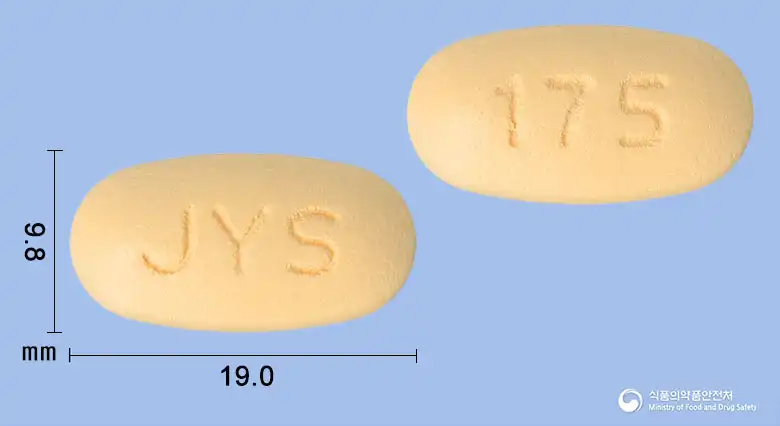
Tenegrin Duo Sustained-Release Tablet 10/750 mg
Teneligliptin Hydrochloride Hydrate 13mg · Metformin Hydrochloride 750mg
Tablet · Prescription medication · Combination
Jinyang Pharmaceutical Co., Ltd.
MFDS item code 202201439 · Approved 2022.04.04 · Insurance code 650304300
Improvement in blood sugar control for type 2 diabetes
This medication is used to assist meal therapy and exercise therapy to improve blood sugar control in patients with type 2 diabetes. The combined administration of teneligliptin and metformin enhances blood sugar control effects, aiding in diabetes management. Taking this medication consistently contributes to maintaining stable blood sugar levels.
This medication is generally administered once a day with the evening meal. The 20/1000mg sustained-release tablet is taken once daily, with one tablet each time. Patients taking the 10/750mg or 10/500mg sustained-release tablets should take two tablets together once daily. For patients who cannot achieve adequate blood sugar control with metformin monotherapy, the initial dosage is teneligliptin 20mg once daily and metformin.
This medication helps regulate blood sugar levels. However, there are several precautions to consider when taking it. First, though rare, a severe condition called lactic acidosis may occur. Lactic acidosis is a dangerous condition that arises from excessive buildup of lactic acid in the body and can be life-threatening; symptoms should be reported to a physician immediately. Additionally, hypoglycemia may occur when taken in conjunction with other diabetes medications, so blood sugar levels need to be monitored carefully. Patients with moderate to severe renal impairment or those with heart failure or liver dysfunction should not take this medication. Furthermore, it is advisable to discontinue this medication for a certain period before and after any examination involving the use of radiological contrast agents. Women who are pregnant or may become pregnant should not take this medication, and it is also not recommended for nursing mothers. This medication may occasionally cause side effects such as indigestion, diarrhea, constipation, dizziness, fatigue, facial swelling, nausea, itching, cold sweat, allergic dermatitis, malaise, elevated serum uric acid, peripheral edema, upper respiratory tract infection, shingles, viral upper respiratory infection, fatigue, nasopharyngitis, vomiting, gastritis, chronic gastritis, upper abdominal pain, stomatitis, gastrointestinal motility disorders, reduced gastrointestinal motility, enteritis, tooth pain, and anal discomfort. Regular kidney function and blood tests should be performed during treatment, and periodic checks for low vitamin B12 levels are necessary. Moreover, it is safest to stop this medication if consuming alcohol excessively, in a dehydrated state, during severe infections, or before and after surgery. Caution should also be taken when driving or performing high-altitude work due to the risk of hypoglycemia or lactic acidosis. Finally, other medications taken concurrently may interact with this drug, so any current medications should be disclosed to a physician or pharmacist.
Hives, severe swelling (edema), chest tightness, difficulty breathing, cold sweat, pallor, severe rash with high fever, blisters, skin peeling, pain in oral/ocular mucosa, shortness of breath or difficulty breathing, asthma attack, cough+fever accompanied respiratory abnormalities, yellowing of the skin or eyes (jaundice), extreme lethargy, sudden and severe headache, thunderclap headache, seizures, altered consciousness, vision abnormalities, paralysis, urination.
Not everyone experiences these, and they can vary from person to person.
This medication should be stored in a sealed container to prevent air ingress and kept at room temperature between 1 to 30 degrees Celsius. Proper storage will help maintain the medication's efficacy for a longer time.
Yellow egg-shaped sustained-release film-coated tablet
30 tablets/bottle
Even with the same ingredient, strength, dosage form and how it is taken can differ.
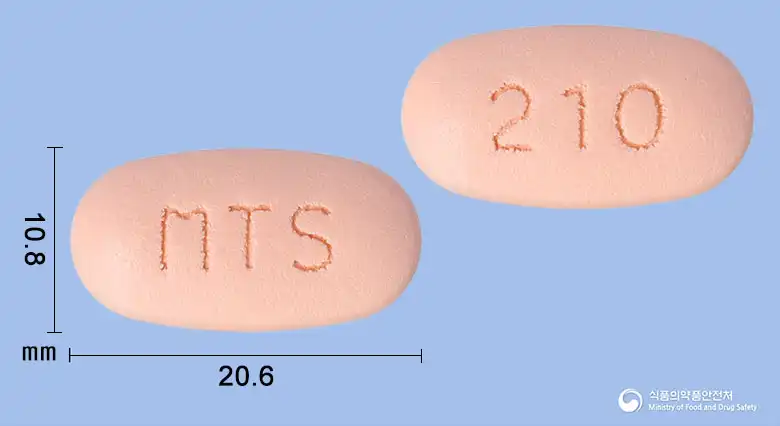
Viewing nowCombinationTeneligliptin Hydrochloride Hydrate 13mg · Metformin Hydrochloride 750mg
Tablet · Prescription medication · Combination
Jinyang Pharmaceutical Co., Ltd.
 Combination
Teneligliptin Hydrochloride Hydrate 26mg · Metformin Hydrochloride 1000mg
Tablet · Prescription medication · Combination
Mothers Pharmaceutical Co., Ltd.
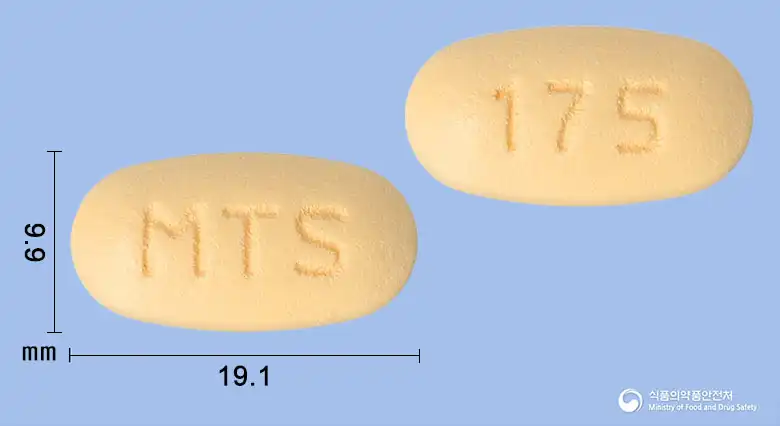 Combination
Teneligliptin Hydrochloride Hydrate 13mg · Metformin Hydrochloride 750mg
Tablet · Prescription medication · Combination
Mothers Pharmaceutical Co., Ltd.
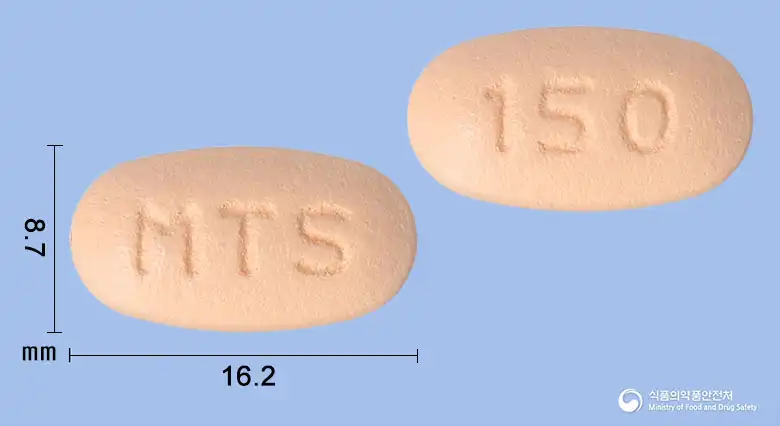 Combination
Teneligliptin Hydrochloride Hydrate 13mg · Metformin Hydrochloride 500mg
Tablet · Prescription medication · Combination
Mothers Pharmaceutical Co., Ltd.
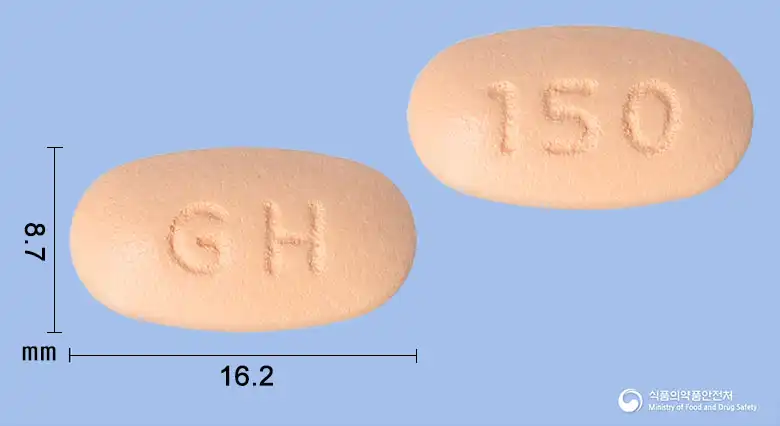 Combination
Teneligliptin Hydrochloride Hydrate 13mg · Metformin Hydrochloride 500mg
Tablet · Prescription medication · Combination
(Yoo) Hanpung Pharmaceutical Co., Ltd.
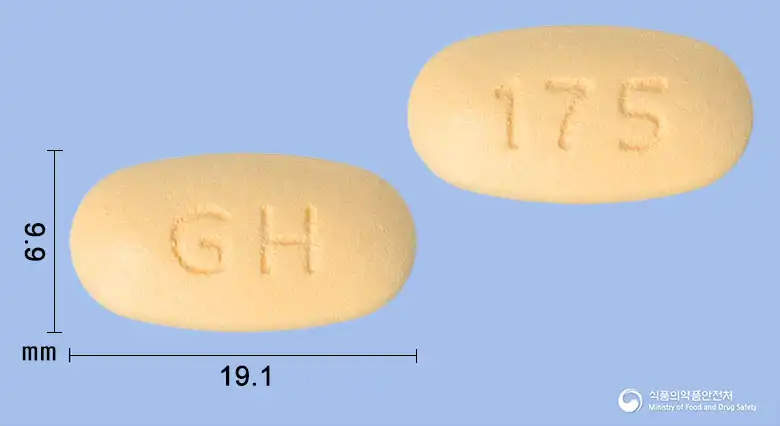 Combination
Teneligliptin Hydrochloride Hydrate 13mg · Metformin Hydrochloride 750mg
Tablet · Prescription medication · Combination
Hanpoong Pharmaceutical Co., Ltd.
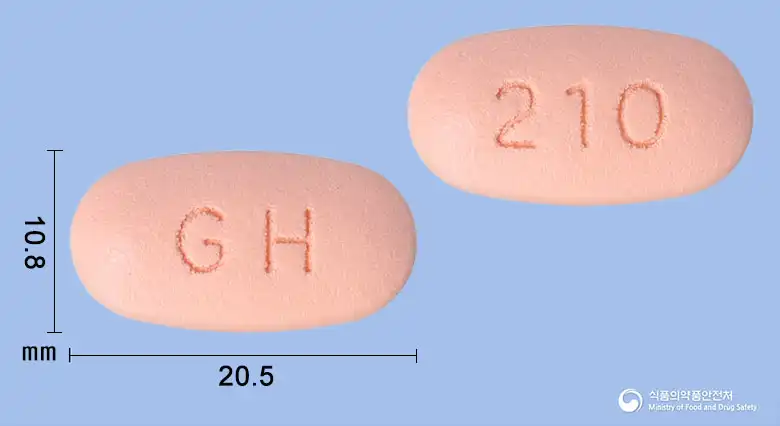 Combination
Teneligliptin Hydrochloride Hydrate 26mg · Metformin Hydrochloride 1000mg
Tablet · Prescription medication · Combination
Hanpung Pharmaceutical Co., Ltd.
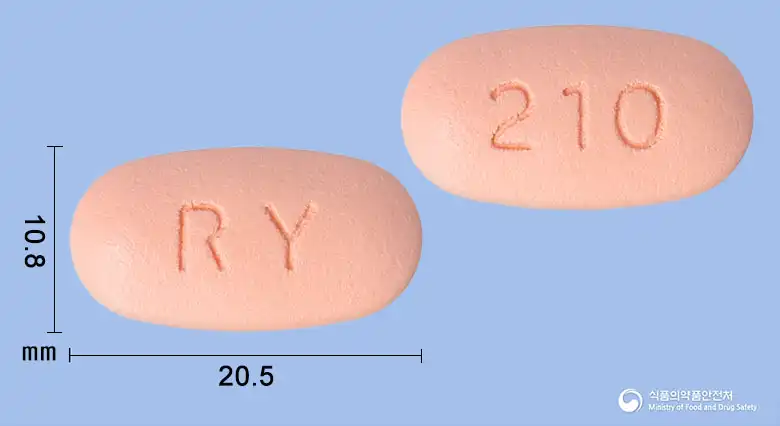 Combination
Teneligliptin Hydrochloride Hydrate 26mg · Metformin Hydrochloride 1000mg
Tablet · Prescription medication · Combination
Iyeon Pharmaceutical Co., Ltd.
Even with the same ingredient, the dose and directions can differ by strength and dosage form. Talk to a doctor or pharmacist before switching from a medication you are already taking.
No questions yet.
For anything that needs medical judgment, consult a doctor or pharmacist.
This drug information is based on data provided by the Korea Ministry of Food and Drug Safety.
Consult a doctor or pharmacist for accurate dosage, administration, and usage instructions.