
 한국어
한국어 English
 日本語
日本語 中文(简体)
 Viewing nowCombination
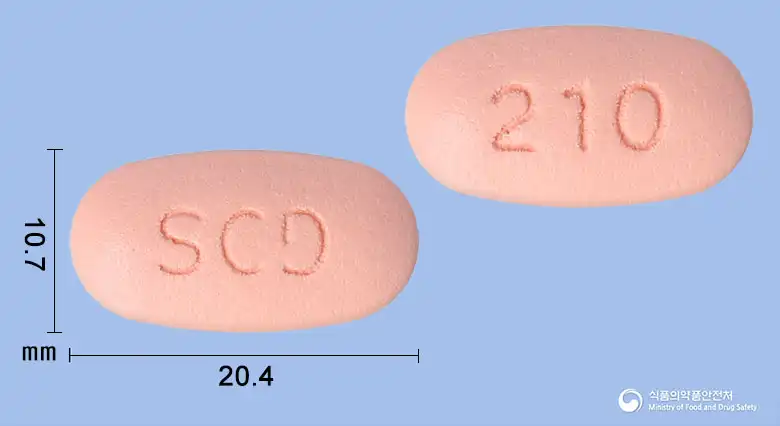
Teliam Extended Release Tablet 20/1000mg
Teneligliptin Hydrochloride Hydrate 26mg · Metformin Hydrochloride 1000mg
Tablet · Prescription medication · Combination
Samchundang Pharmaceutical Co., Ltd.
MFDS item code 202201433 · Approved 2022.04.04 · Insurance code 651205830
Improvement of blood sugar control in type 2 diabetes
This medication is used to help control blood sugar levels in patients with type 2 diabetes who need a combination of teneligliptin and metformin. Keeping a diet and exercise regimen alongside can further enhance its effect, improving blood sugar management more smoothly.
This medication is generally taken once daily with dinner as one tablet. The 20/1000mg extended-release tablet is taken once daily, one tablet at a time, while the 10/750mg or 10/500mg extended-release tablets are taken once daily, two tablets at a time. The initial dosage should provide teneligliptin 20mg once daily along with the existing dose of metformin, which can be initiated at the previous dose during combination therapy conversion.
This medication is used for the treatment of diabetes, aiding in lowering blood sugar levels. However, this medication can rarely cause a serious condition known as lactic acidosis, which means an excessive accumulation of lactate in the body can become dangerous. It may be especially risky for patients with severely impaired kidney function or those with heart disease and liver dysfunction, and they should not use this medication. Before examinations using radiographic iodine contrast agents, this medication should be discontinued at least 48 hours before the procedure, and it should not be resumed until kidney function is confirmed to be normal after the examination. It is also safer for women who are pregnant or may become pregnant, or patients with severe infections or serious trauma to avoid this medication. Additionally, caution is necessary when using this medication in conjunction with insulin or sulfonylureas due to an increased risk of hypoglycemia. Patients taking this medication should be well aware of hypoglycemic symptoms and respond appropriately by consuming foods containing sugar immediately if such symptoms appear. Occasionally, side effects such as abdominal pain, constipation, dizziness, etc., may occur, so if any unusual symptoms persist, consulting a doctor is necessary. This medication requires dosage adjustments based on kidney function, and particularly elderly patients should have regular kidney function tests. Alcohol consumption may increase the risk of side effects associated with this medication, so avoiding drinks while on this medication is advisable. Use during breastfeeding is also not recommended, and a discussion with a physician is warranted regarding whether to continue breastfeeding or to discontinue the medication. Finally, it is important to regularly monitor kidney and liver function, as well as vitamin B12 levels through blood tests while taking this medication.
Hives, severe swelling (edema), chest tightness, difficulty breathing, cold sweat, paleness, severe rash with fever, blisters, peeling skin, pain in oral/eye mucosa, shortness of breath or difficulty breathing, asthma attack, respiratory abnormalities with cough and fever, skin or eyes turning yellow (jaundice), extreme lethargy, sudden and severe headache, thunderclap headache, seizures, confusion, vision abnormalities, paralysis, urinary changes
Not everyone experiences these, and they can vary from person to person.
Store this medication in a tightly sealed container to prevent air exposure, at room temperature between 1 to 30 degrees Celsius. This will help maintain the effectiveness of the medication.
Pink oval extended-release film-coated tablet
For domestic use - 30 tablets per bottle
Even with the same ingredient, strength, dosage form and how it is taken can differ.
Viewing nowCombinationTeneligliptin Hydrochloride Hydrate 26mg · Metformin Hydrochloride 1000mg
Tablet · Prescription medication · Combination
Samchundang Pharmaceutical Co., Ltd.
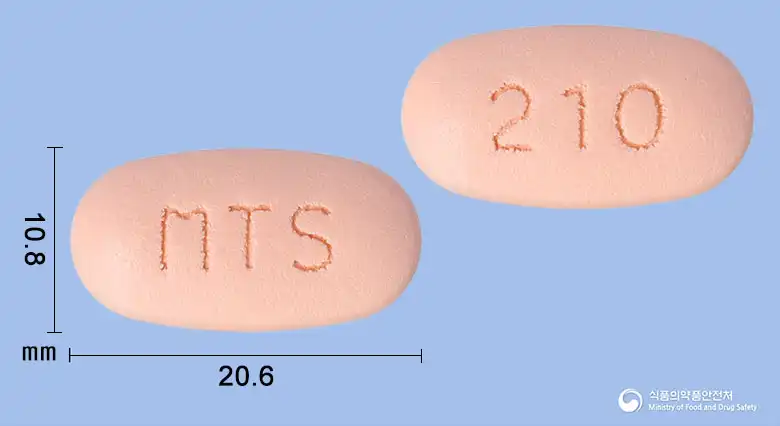 Combination
Teneligliptin Hydrochloride Hydrate 26mg · Metformin Hydrochloride 1000mg
Tablet · Prescription medication · Combination
Mothers Pharmaceutical Co., Ltd.
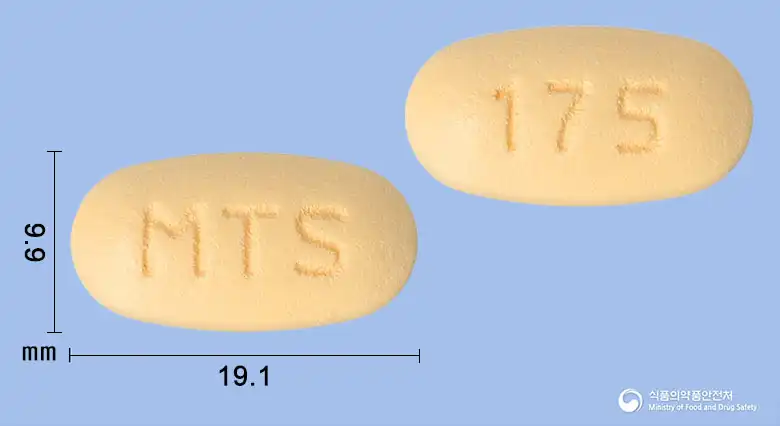 Combination
Teneligliptin Hydrochloride Hydrate 13mg · Metformin Hydrochloride 750mg
Tablet · Prescription medication · Combination
Mothers Pharmaceutical Co., Ltd.
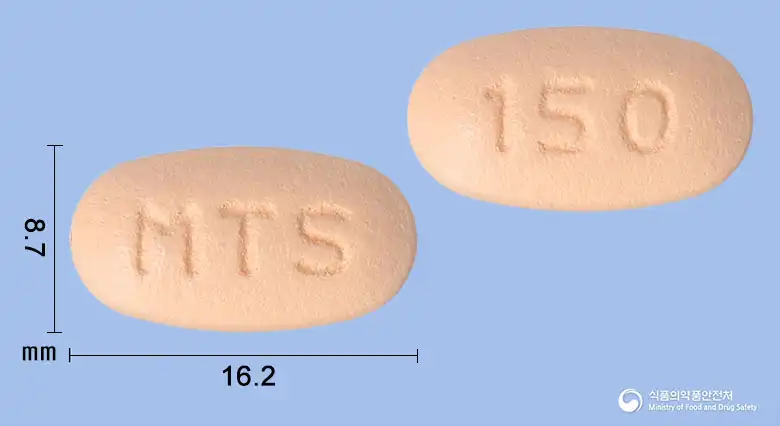 Combination
Teneligliptin Hydrochloride Hydrate 13mg · Metformin Hydrochloride 500mg
Tablet · Prescription medication · Combination
Mothers Pharmaceutical Co., Ltd.
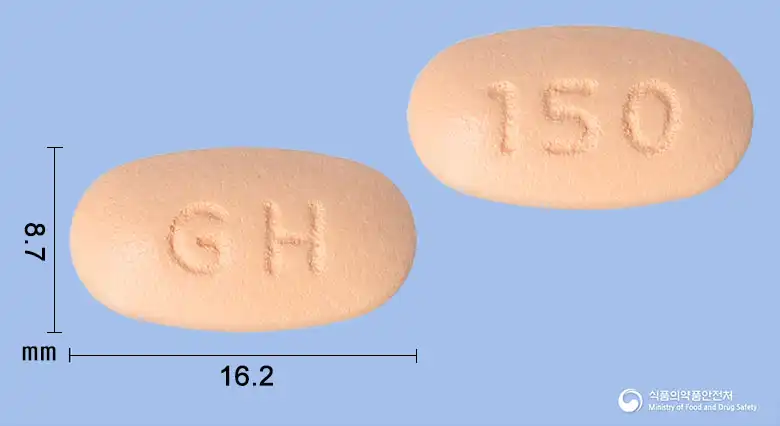 Combination
Teneligliptin Hydrochloride Hydrate 13mg · Metformin Hydrochloride 500mg
Tablet · Prescription medication · Combination
(Yoo) Hanpung Pharmaceutical Co., Ltd.
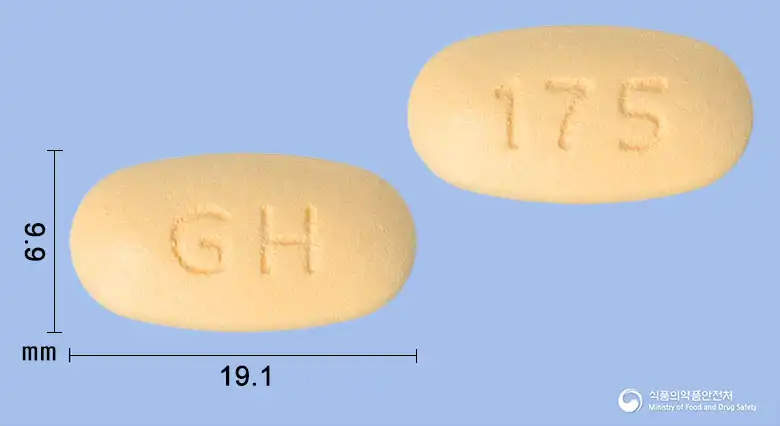 Combination
Teneligliptin Hydrochloride Hydrate 13mg · Metformin Hydrochloride 750mg
Tablet · Prescription medication · Combination
Hanpoong Pharmaceutical Co., Ltd.
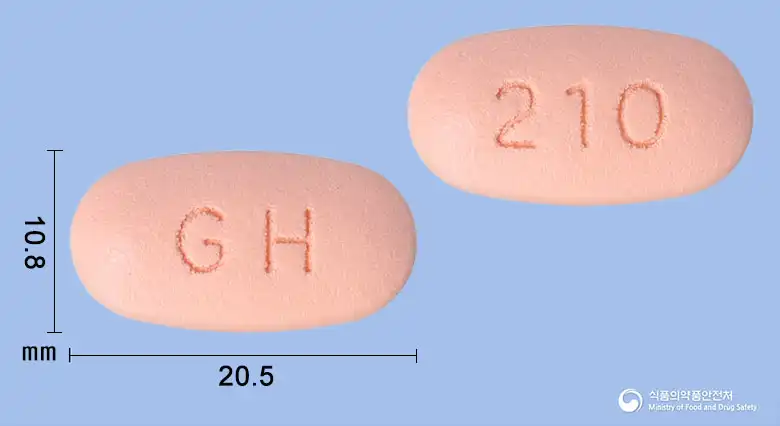 Combination
Teneligliptin Hydrochloride Hydrate 26mg · Metformin Hydrochloride 1000mg
Tablet · Prescription medication · Combination
Hanpung Pharmaceutical Co., Ltd.
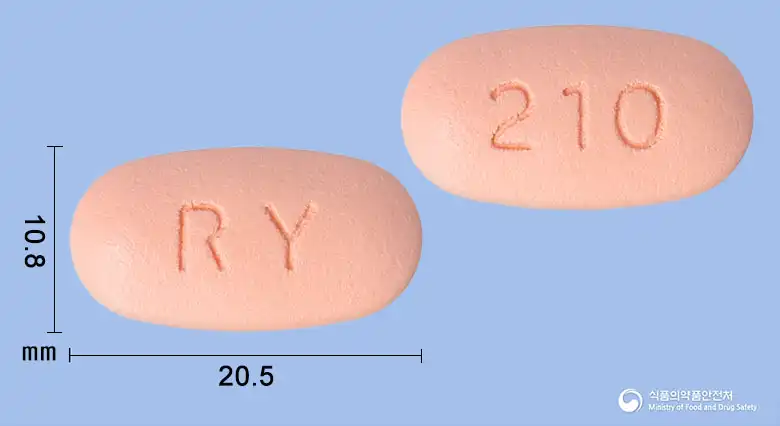 Combination
Teneligliptin Hydrochloride Hydrate 26mg · Metformin Hydrochloride 1000mg
Tablet · Prescription medication · Combination
Iyeon Pharmaceutical Co., Ltd.
Even with the same ingredient, the dose and directions can differ by strength and dosage form. Talk to a doctor or pharmacist before switching from a medication you are already taking.
No questions yet.
For anything that needs medical judgment, consult a doctor or pharmacist.
This drug information is based on data provided by the Korea Ministry of Food and Drug Safety.
Consult a doctor or pharmacist for accurate dosage, administration, and usage instructions.