
 한국어
한국어 English
 日本語
日本語 中文(简体)
 Viewing nowCombination
Tenegliptin MR Tablet 10/750 mg
Teneligliptin Hydrochloride Hydrate 13mg · Metformin Hydrochloride 750mg
Tablet · Prescription medication · Combination
Korea Pavis Pharmaceutical Co., Ltd.
MFDS item code 202201430 · Approved 2022.04.04 · Insurance code 621804450
Improvement of blood sugar control in type 2 diabetes
This medication is used together with diet and exercise to help blood sugar control in patients with type 2 diabetes. In particular, administering teneligliptin and metformin together helps to effectively control blood sugar levels. It is used to stabilize blood sugar levels and maintain a healthy lifestyle through continuous treatment and management.
This medication is typically administered once daily with the evening meal. For this medication 20/1000 mg extended-release tablet, take one tablet once daily. For this medication 10/750 mg or 10/500 mg extended-release tablets, take two tablets at the same time once daily. The maximum recommended daily dosage is 20 mg of teneligliptin and 2000 mg of extended-release metformin. This medication should be swallowed whole without splitting, crushing, or chewing.
This medication is used to treat diabetes. Care must be taken as rare side effects, such as severe lactic acidosis, may occur when taking this medication. Lactic acidosis is a serious condition caused by the accumulation of lactic acid in the body and can sometimes be life-threatening. Moreover, if taken together with insulin or sulfonylurea medications, severe hypoglycemia may occur, so blood sugar levels should be closely monitored. Patients with moderate to severe renal impairment, heart failure, acute myocardial infarction, sepsis, or liver dysfunction should not use this medication, as it may pose risks. Before tests involving iodine contrast agents, this medication should be stopped at least 48 hours in advance, and it should only be resumed after confirming that kidney function is normal following the test. Women who are pregnant or may become pregnant, as well as patients with severe infections or traumatic injuries, should also avoid taking this medication. Since this medication poses a risk of hypoglycemia, special caution is needed when there are irregular meals, intense exercise, or if used in combination with other diabetes medications. Some patients may experience side effects such as abdominal pain, constipation, liver dysfunction, pneumonia, skin rashes, acute pancreatitis; if any unusual symptoms occur, consult a physician immediately. During treatment, it is important to regularly monitor kidney function, blood tests, and vitamin B12 levels. Alcohol intake may increase the risk of lactic acidosis, so it is advisable to avoid excessive drinking. Elderly patients may have decreased kidney function, so dosage adjustments and regular check-ups are necessary. During the course of taking this medication, it is crucial to be fully aware of the symptoms of hypoglycemia and how to handle them, and to take caution when driving or performing hazardous tasks. In case of an overdose, seek immediate medical attention for appropriate treatment, and blood dialysis may be required. This medication has not established safety for use in children, so it is best not to use it. Finally, keep this medication out of reach of children and do not transfer it to another container for safety.
Not everyone experiences these, and they can vary from person to person.
This medication should be stored in a tightly sealed container to prevent air from entering, and it is advisable to keep it at room temperature between 1 and 30 degrees Celsius. This helps maintain the efficacy of the medication and prevents deterioration.
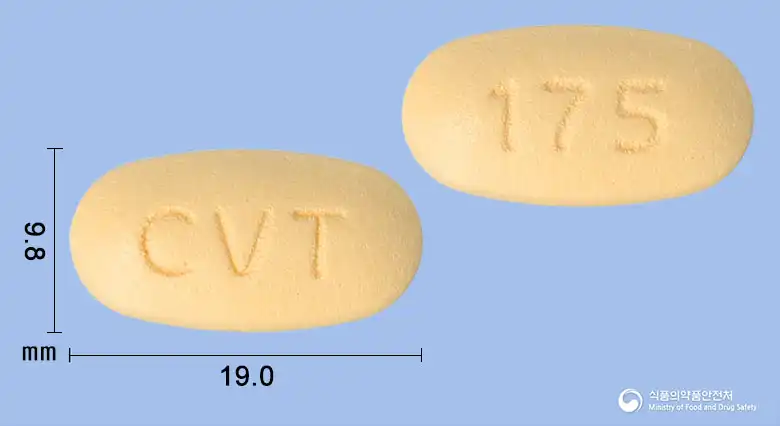
Yellow egg-shaped extended-release film-coated tablet
30 tablets/bottle
Even with the same ingredient, strength, dosage form and how it is taken can differ.
Viewing nowCombinationTeneligliptin Hydrochloride Hydrate 13mg · Metformin Hydrochloride 750mg
Tablet · Prescription medication · Combination
Korea Pavis Pharmaceutical Co., Ltd.
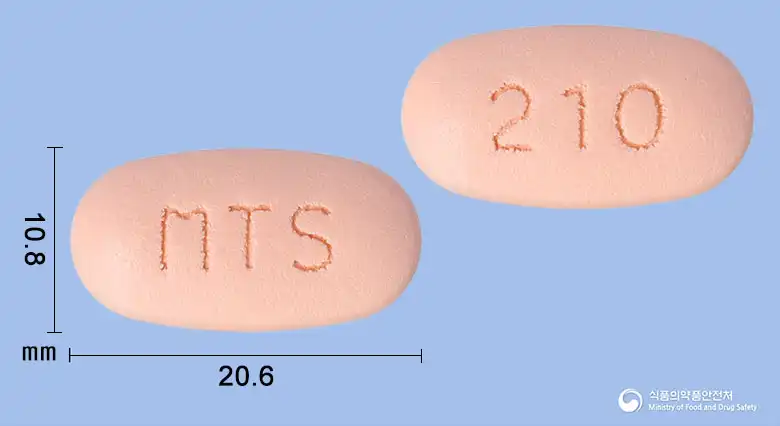 Combination
Teneligliptin Hydrochloride Hydrate 26mg · Metformin Hydrochloride 1000mg
Tablet · Prescription medication · Combination
Mothers Pharmaceutical Co., Ltd.
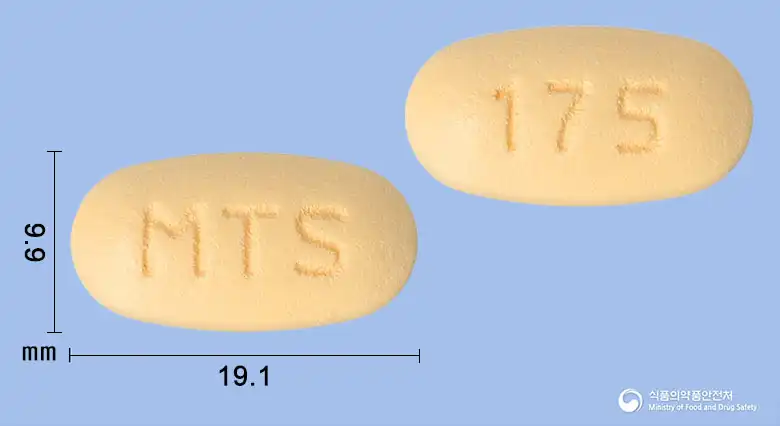 Combination
Teneligliptin Hydrochloride Hydrate 13mg · Metformin Hydrochloride 750mg
Tablet · Prescription medication · Combination
Mothers Pharmaceutical Co., Ltd.
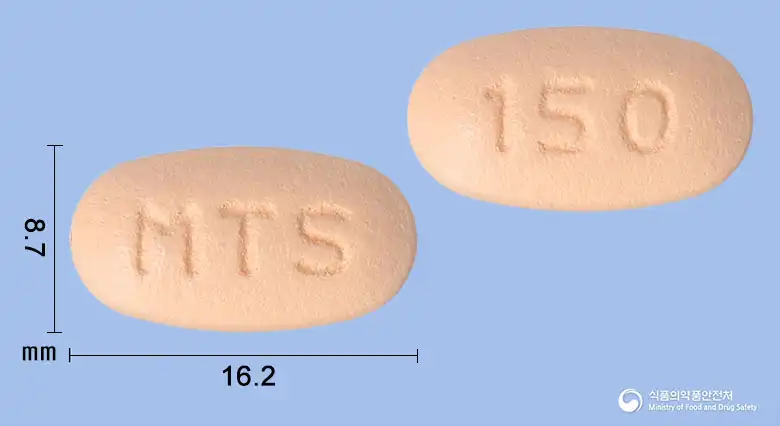 Combination
Teneligliptin Hydrochloride Hydrate 13mg · Metformin Hydrochloride 500mg
Tablet · Prescription medication · Combination
Mothers Pharmaceutical Co., Ltd.
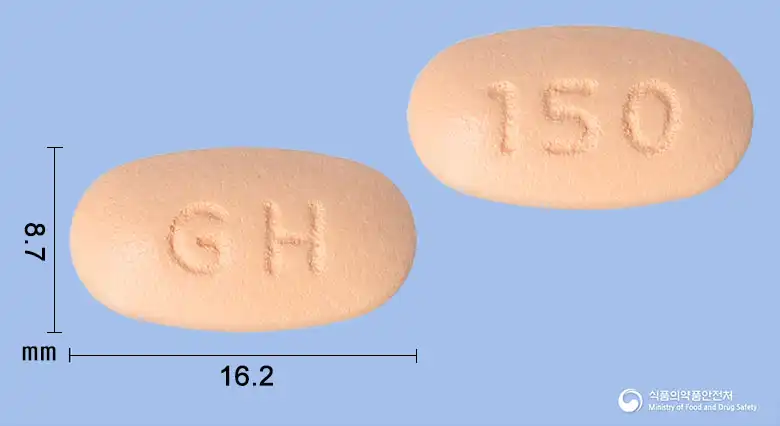 Combination
Teneligliptin Hydrochloride Hydrate 13mg · Metformin Hydrochloride 500mg
Tablet · Prescription medication · Combination
(Yoo) Hanpung Pharmaceutical Co., Ltd.
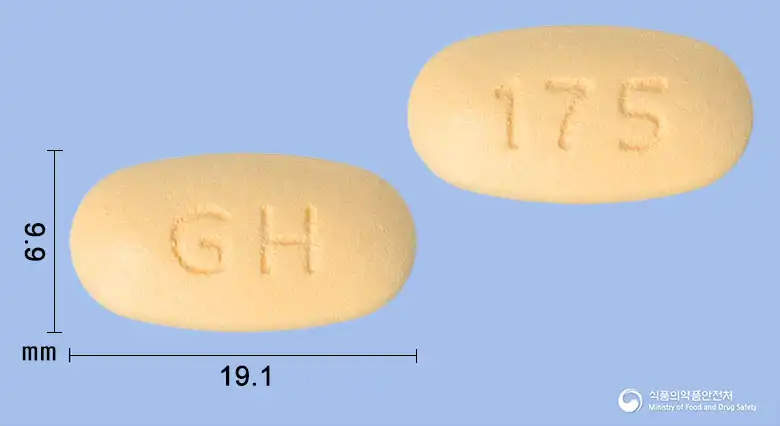 Combination
Teneligliptin Hydrochloride Hydrate 13mg · Metformin Hydrochloride 750mg
Tablet · Prescription medication · Combination
Hanpoong Pharmaceutical Co., Ltd.
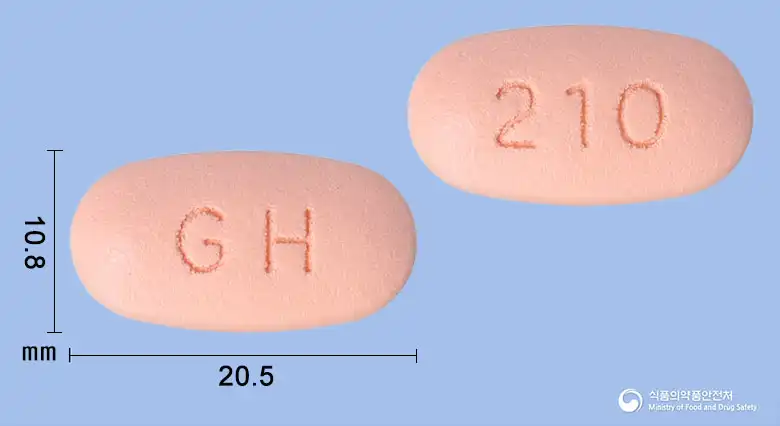 Combination
Teneligliptin Hydrochloride Hydrate 26mg · Metformin Hydrochloride 1000mg
Tablet · Prescription medication · Combination
Hanpung Pharmaceutical Co., Ltd.
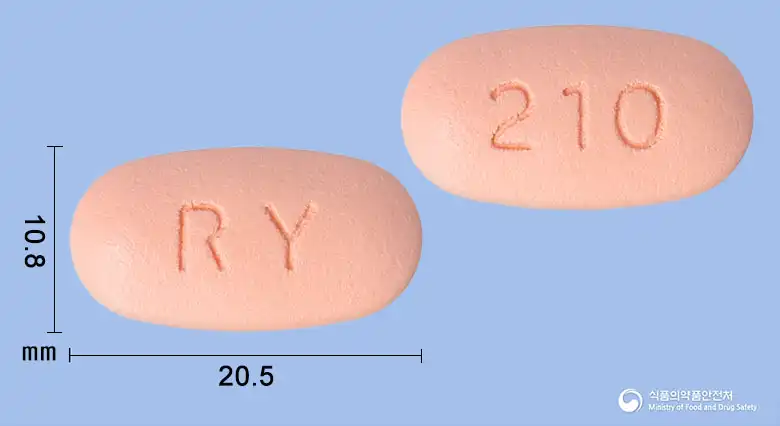 Combination
Teneligliptin Hydrochloride Hydrate 26mg · Metformin Hydrochloride 1000mg
Tablet · Prescription medication · Combination
Iyeon Pharmaceutical Co., Ltd.
Even with the same ingredient, the dose and directions can differ by strength and dosage form. Talk to a doctor or pharmacist before switching from a medication you are already taking.
No questions yet.
For anything that needs medical judgment, consult a doctor or pharmacist.
This drug information is based on data provided by the Korea Ministry of Food and Drug Safety.
Consult a doctor or pharmacist for accurate dosage, administration, and usage instructions.