
 한국어
한국어 English
 日本語
日本語 中文(简体)
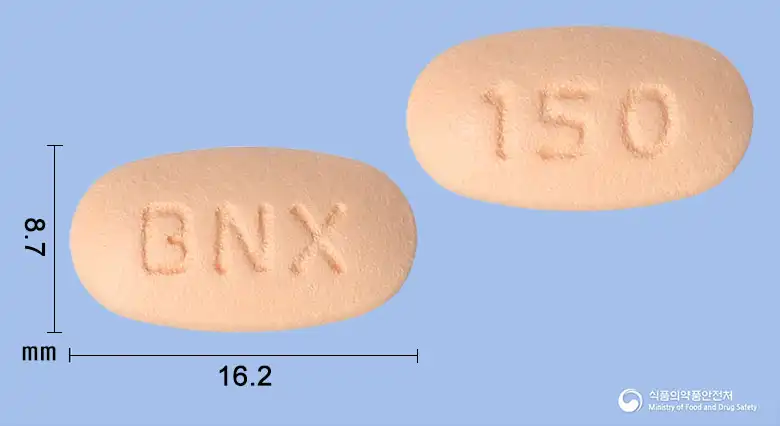 Viewing nowCombination
Tenegliptin Sustained Release Tablets 10/500 mg
Teneligliptin Hydrochloride Hydrate 13mg · Metformin Hydrochloride 500mg
Tablet · Prescription medication · Combination
Bionex Co., Ltd.
MFDS item code 202201422 · Approved 2022.04.04 · Insurance code 643105600
Improvement in blood sugar control for type 2 diabetes
This medication helps patients with type 2 diabetes to control their blood sugar levels more effectively. It is particularly suitable for those implementing dietary and exercise therapy and is used in combination with teneligliptin and metformin to improve blood sugar levels.
This medication is typically administered once daily with dinner. Take one tablet of this medication 20/1000 mg sustained release tablet once daily. Patients taking this medication 10/750 mg or 10/500 mg sustained release tablets are to take two tablets simultaneously once daily. The initial dosage should provide teneligliptin 20 mg once daily and the current dose of metformin. This medication should not be split, crushed, or chewed.
This medication is used for the treatment of diabetes and helps to control blood sugar levels. However, it can very rarely cause a serious side effect known as lactic acidosis, which requires attention. Lactic acidosis is a condition in which there is an excessive build-up of lactic acid in the body, with symptoms such as shortness of breath, muscle pain, weakness, and abdominal pain, which can be life-threatening in severe cases. During the use of this medication, regular checks on kidney function are necessary to ensure it is normal, and patients with poor kidney function, severe liver disease, or heart failure should not use this medication. Additionally, this medication should be temporarily discontinued prior to surgical procedures or examinations requiring contrast media, and kidney function should be re-evaluated before resuming use. If this medication is taken along with other diabetes medications, the risk of hypoglycemia may increase, so one should be well-informed about symptoms of hypoglycemia and take immediate action, such as consuming sugar, if symptoms occur. Gastrointestinal disturbances, liver function abnormalities, acute pancreatitis, skin rashes, and other side effects may occur, so if any unusual symptoms arise, consult a doctor immediately. It is advisable for women who are pregnant or may become pregnant, as well as nursing women, to avoid taking this medication, and its safety and efficacy have not been confirmed for children. Elderly patients may have reduced kidney function, so dosage adjustment and regular kidney function tests are necessary. In cases of overdose, seek medical attention immediately for appropriate treatment, and the medication can be removed through blood dialysis. This medication increases the risk of lactic acidosis when taken with alcohol, so avoid drinking. Regular blood tests are required to check vitamin B12 levels during the course of this medication, and supplementation may be needed if levels are low. Additionally, special care should be taken if performing hazardous tasks such as driving or working at heights due to the risk of hypoglycemia or lactic acidosis symptoms. Finally, this medication can interact with other medications, so be sure to inform your doctor or pharmacist of any other medications being taken.
Hives, severe swelling (edema), difficulty breathing, chest tightness, cold sweat, paleness, severe rash with fever, blisters, skin peeling, pain in the oral/eye mucosa, yellowing of the skin or eyes (jaundice), extreme lethargy, sudden and severe headaches, thunderclap headache, seizures, confusion, visual disturbances, paralysis, drastically reduced urine output, severe swelling throughout the body with accompanying high blood pressure, major
Not everyone experiences these, and they can vary from person to person.
This medication should be stored in a tightly closed container to protect it from air and moisture. It is best to maintain a storage temperature between 1 degree and 30 degrees Celsius.
Orange oval-shaped sustained release film-coated tablets
30 tablets/bottle
Even with the same ingredient, strength, dosage form and how it is taken can differ.
Viewing nowCombinationTeneligliptin Hydrochloride Hydrate 13mg · Metformin Hydrochloride 500mg
Tablet · Prescription medication · Combination
Bionex Co., Ltd.
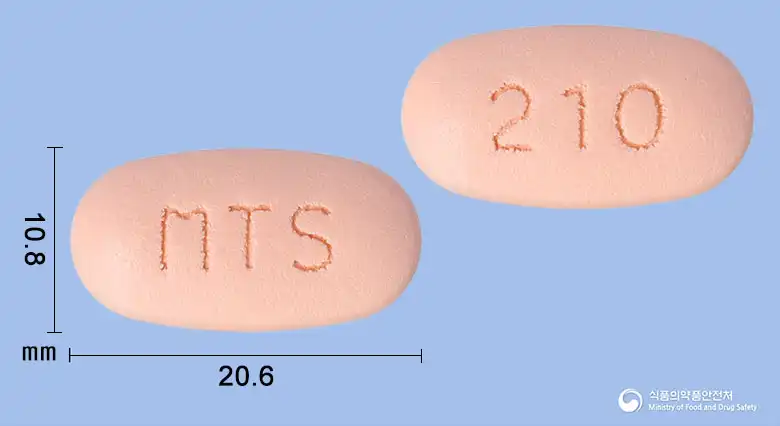 Combination
Teneligliptin Hydrochloride Hydrate 26mg · Metformin Hydrochloride 1000mg
Tablet · Prescription medication · Combination
Mothers Pharmaceutical Co., Ltd.
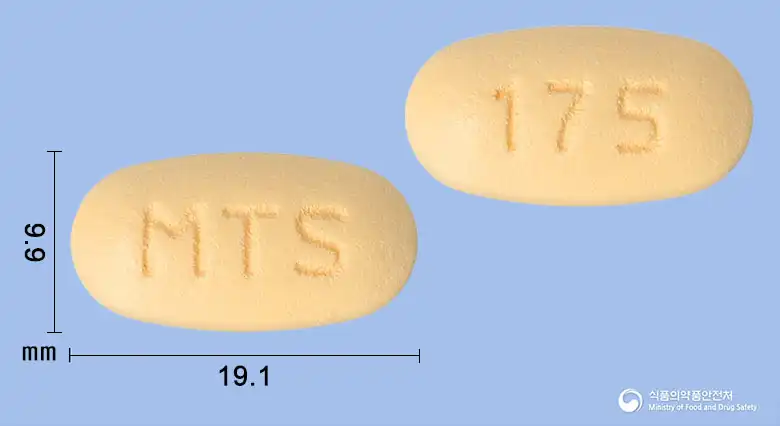 Combination
Teneligliptin Hydrochloride Hydrate 13mg · Metformin Hydrochloride 750mg
Tablet · Prescription medication · Combination
Mothers Pharmaceutical Co., Ltd.
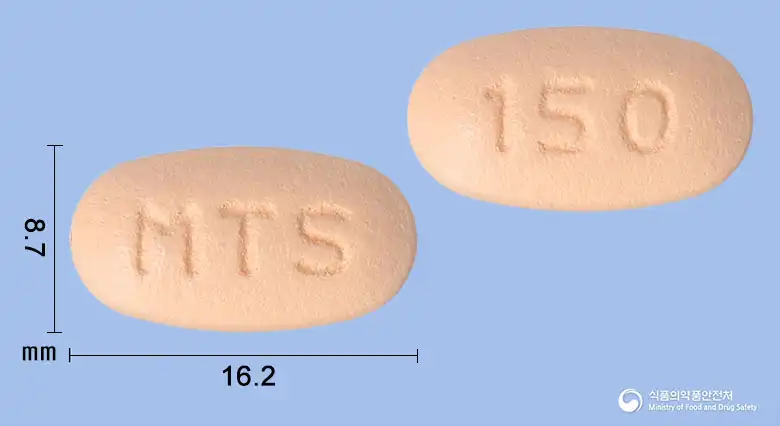 Combination
Teneligliptin Hydrochloride Hydrate 13mg · Metformin Hydrochloride 500mg
Tablet · Prescription medication · Combination
Mothers Pharmaceutical Co., Ltd.
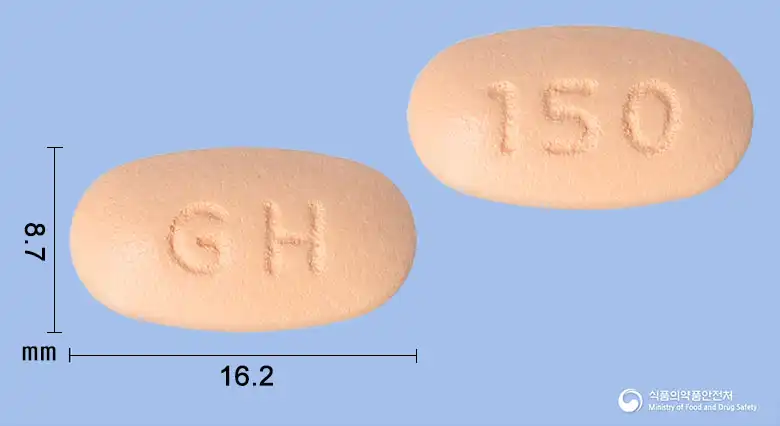 Combination
Teneligliptin Hydrochloride Hydrate 13mg · Metformin Hydrochloride 500mg
Tablet · Prescription medication · Combination
(Yoo) Hanpung Pharmaceutical Co., Ltd.
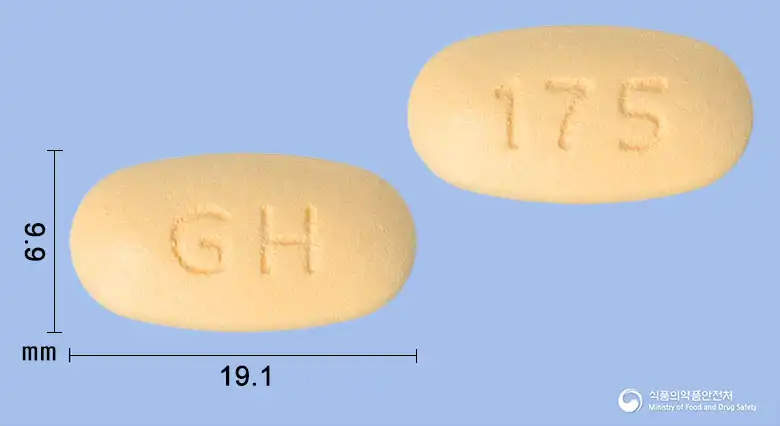 Combination
Teneligliptin Hydrochloride Hydrate 13mg · Metformin Hydrochloride 750mg
Tablet · Prescription medication · Combination
Hanpoong Pharmaceutical Co., Ltd.
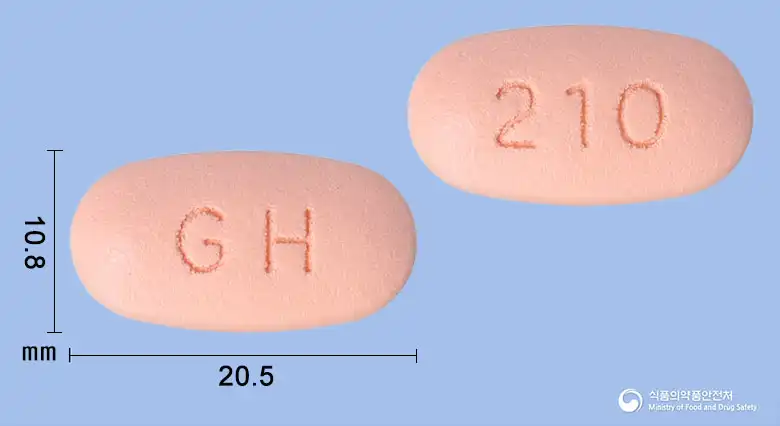 Combination
Teneligliptin Hydrochloride Hydrate 26mg · Metformin Hydrochloride 1000mg
Tablet · Prescription medication · Combination
Hanpung Pharmaceutical Co., Ltd.
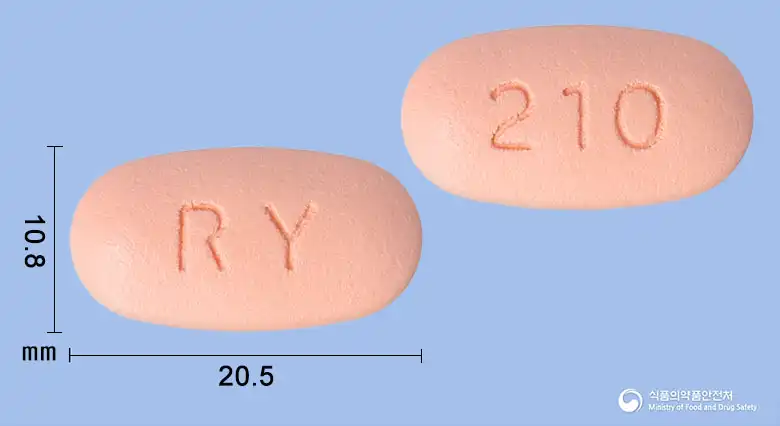 Combination
Teneligliptin Hydrochloride Hydrate 26mg · Metformin Hydrochloride 1000mg
Tablet · Prescription medication · Combination
Iyeon Pharmaceutical Co., Ltd.
Even with the same ingredient, the dose and directions can differ by strength and dosage form. Talk to a doctor or pharmacist before switching from a medication you are already taking.
No questions yet.
For anything that needs medical judgment, consult a doctor or pharmacist.
This drug information is based on data provided by the Korea Ministry of Food and Drug Safety.
Consult a doctor or pharmacist for accurate dosage, administration, and usage instructions.