
 한국어
한국어 English
 日本語
日本語 中文(简体)
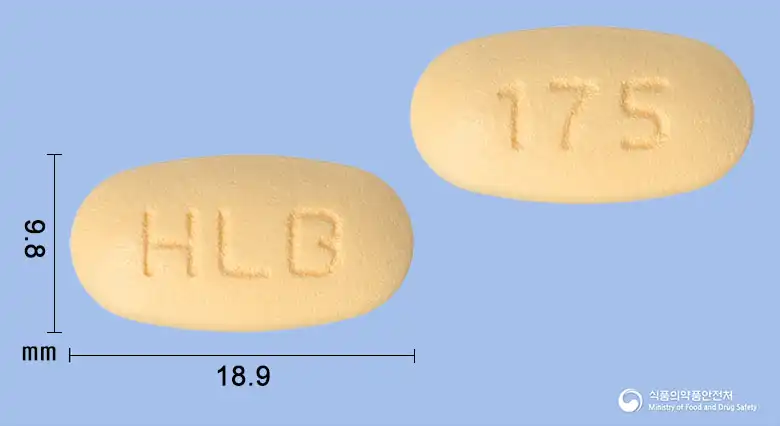 Viewing nowCombination
Teneligliptin M Extended Release Tablets 10/750 mg
Teneligliptin Hydrochloride Hydrate 13mg · Metformin Hydrochloride 750mg
Tablet · Prescription medication · Combination
HLB Pharma Co., Ltd.
MFDS item code 202201325 · Approved 2022.04.04 · Insurance code 647304270
Improvement in blood glucose control for Type 2 diabetes
This medication is used to help control blood glucose levels in patients with Type 2 diabetes, in conjunction with diet and exercise. Teneligliptin and metformin work together to effectively lower blood sugar and aid in diabetes management. Therefore, it is a very suitable treatment for improving blood glucose control.
This medication is generally administered once daily with the evening meal. The 20/1000 mg extended-release tablet is taken once daily, 1 tablet at a time. The 10/750 mg or 10/500 mg extended-release tablets are taken once daily, 2 tablets simultaneously. The initial dose starts with Teneligliptin 20 mg taken once daily along with the existing dosage of Metformin. To maintain the extended-release characteristics, do not split, crush, break, or chew the tablets.
This medication is used for treating diabetes and helps in controlling blood sugar levels. However, this medication should not be administered to patients with moderate or severe renal impairment. If kidney function is impaired, the drug can accumulate in the body, leading to a dangerous condition known as lactic acidosis. Additionally, it is advisable not to use this medication in patients with severe heart disease, acute infections, severe trauma, or liver dysfunction. When used with other diabetes medications, there is an increased risk of hypoglycemia, so caution should be taken regarding hypoglycemic symptoms. Patients with a history of abdominal surgery or bowel obstruction, or those with heart issues related to QT interval prolongation should also use this medication cautiously. If persistent abdominal pain, vomiting, skin rash, or difficulty breathing occur while taking this medication, consult a doctor immediately. This medication is not recommended for use in pregnant women or those who may become pregnant, as well as in nursing mothers. For elderly patients, kidney function may decline, so regular kidney function tests are necessary, and it is advisable not to use maximum doses. In cases of overdose, visit a hospital immediately for appropriate treatment, and blood dialysis may be helpful. It is advisable to avoid alcohol consumption during the course of this medication, and the drug may need to be temporarily discontinued in the event of acute illness, dehydration, or before and after surgery. Also, due to the possibility of decreased vitamin B12 levels, regular blood tests are necessary to monitor this. Patients taking this medication should be well-informed about hypoglycemic symptoms and their management, especially if they are driving or operating machinery. Lastly, this medication is not used in children as its safety and efficacy have not been established.
Lactic acidosis, severe hypoglycemia, liver dysfunction (hepatitis, jaundice), interstitial pneumonia, bullous pemphigoid, acute pancreatitis, acute renal function worsening, cardiovascular collapse, acute myocardial infarction, sepsis, severe allergic reactions (rash, severe swelling, chest tightness, difficulty breathing, cold sweats, paleness), severe neurological symptoms (severe headaches, thunderclap headache, seizures, confusion, visual disturbances, paralysis), respiratory issues (shortness of breath or
Not everyone experiences these, and they can vary from person to person.
This medication should be stored in a tightly sealed container to prevent air from entering, and it is advisable to store it at a temperature between 1°C and 30°C. This will help maintain the drug's effectiveness and prevent deterioration.
Yellow oval extended-release film-coated tablets
30 tablets/bottle
Even with the same ingredient, strength, dosage form and how it is taken can differ.
Viewing nowCombinationTeneligliptin Hydrochloride Hydrate 13mg · Metformin Hydrochloride 750mg
Tablet · Prescription medication · Combination
HLB Pharma Co., Ltd.
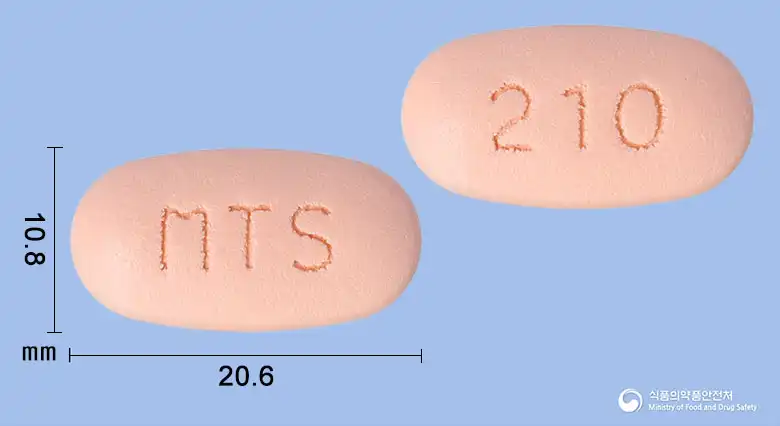 Combination
Teneligliptin Hydrochloride Hydrate 26mg · Metformin Hydrochloride 1000mg
Tablet · Prescription medication · Combination
Mothers Pharmaceutical Co., Ltd.
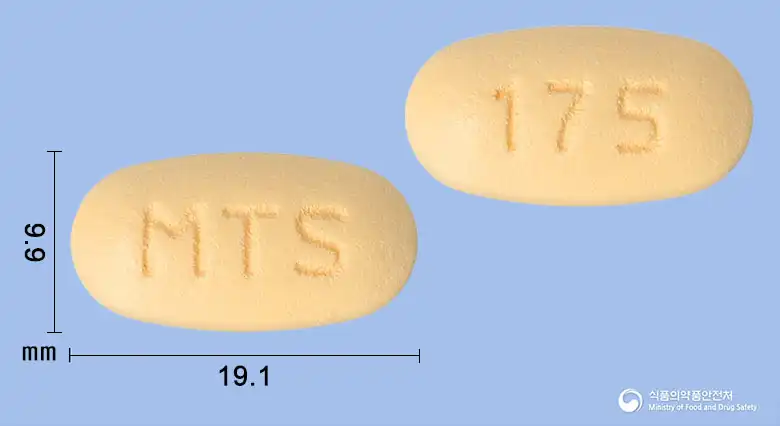 Combination
Teneligliptin Hydrochloride Hydrate 13mg · Metformin Hydrochloride 750mg
Tablet · Prescription medication · Combination
Mothers Pharmaceutical Co., Ltd.
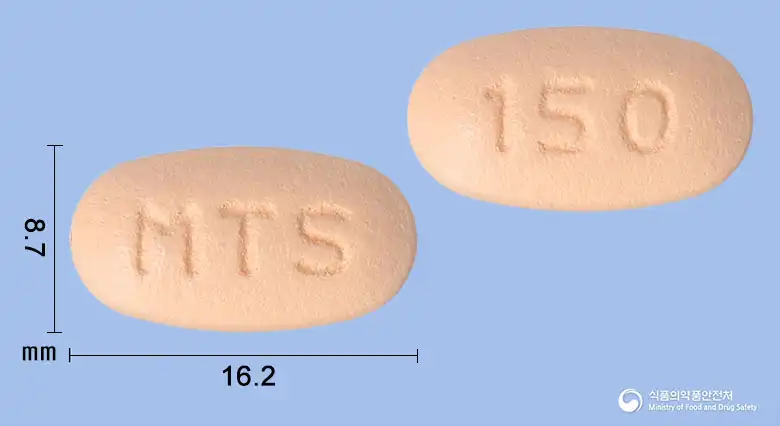 Combination
Teneligliptin Hydrochloride Hydrate 13mg · Metformin Hydrochloride 500mg
Tablet · Prescription medication · Combination
Mothers Pharmaceutical Co., Ltd.
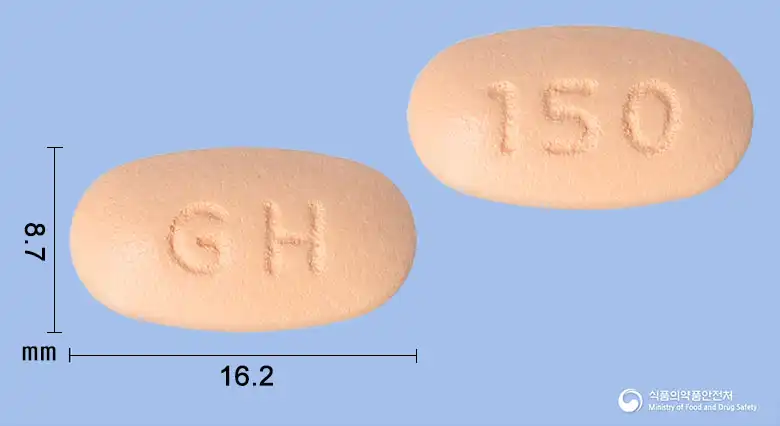 Combination
Teneligliptin Hydrochloride Hydrate 13mg · Metformin Hydrochloride 500mg
Tablet · Prescription medication · Combination
(Yoo) Hanpung Pharmaceutical Co., Ltd.
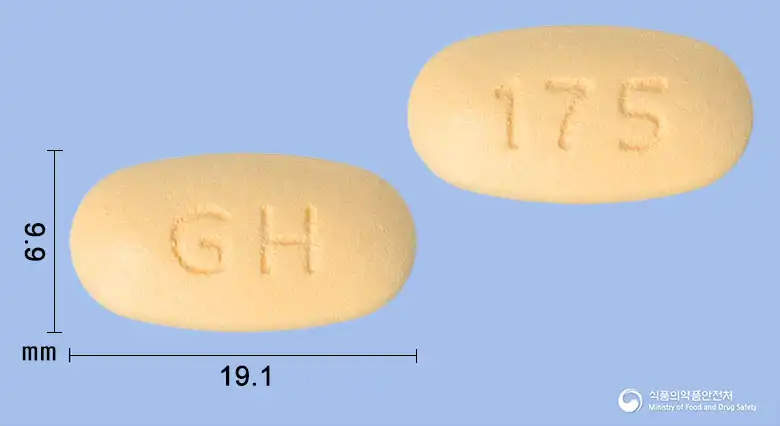 Combination
Teneligliptin Hydrochloride Hydrate 13mg · Metformin Hydrochloride 750mg
Tablet · Prescription medication · Combination
Hanpoong Pharmaceutical Co., Ltd.
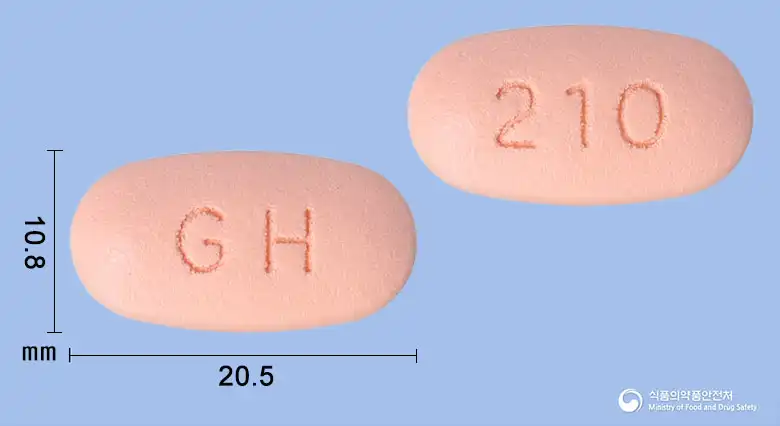 Combination
Teneligliptin Hydrochloride Hydrate 26mg · Metformin Hydrochloride 1000mg
Tablet · Prescription medication · Combination
Hanpung Pharmaceutical Co., Ltd.
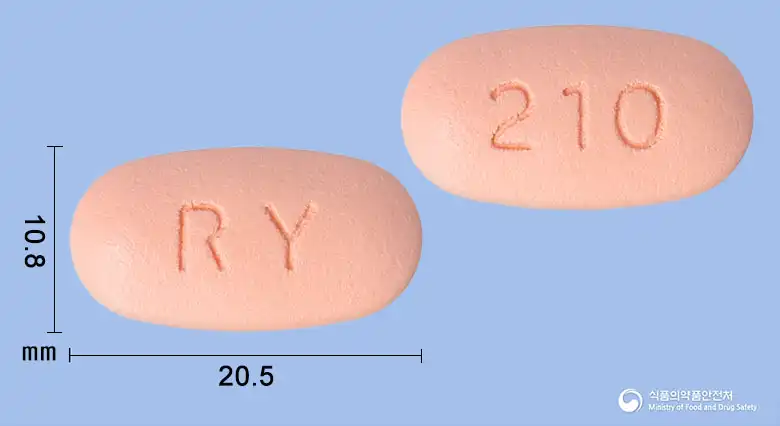 Combination
Teneligliptin Hydrochloride Hydrate 26mg · Metformin Hydrochloride 1000mg
Tablet · Prescription medication · Combination
Iyeon Pharmaceutical Co., Ltd.
Even with the same ingredient, the dose and directions can differ by strength and dosage form. Talk to a doctor or pharmacist before switching from a medication you are already taking.
No questions yet.
For anything that needs medical judgment, consult a doctor or pharmacist.
This drug information is based on data provided by the Korea Ministry of Food and Drug Safety.
Consult a doctor or pharmacist for accurate dosage, administration, and usage instructions.