
 한국어
한국어 English
 日本語
日本語 中文(简体)
 Viewing nowCombination
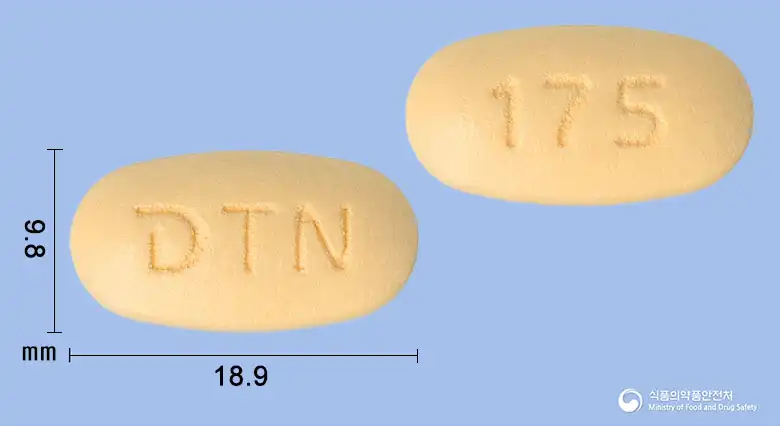
Tenelpomine Extended-release Tablet 10/750 mg
Teneligliptin Hydrochloride Hydrate 13mg · Metformin Hydrochloride 750mg
Tablet · Prescription medication · Combination
Daehan New Pharm Co., Ltd.
MFDS item code 202201318 · Approved 2022.04.04 · Insurance code 669908170
Improvement in blood sugar control for type 2 diabetes
This medication is an effective treatment to assist in the dietary control and exercise regimen for patients with type 2 diabetes to help control blood sugar levels. It is particularly suitable for patients who require combination therapy with teneligliptin and metformin, and helps in the stable management of blood sugar levels. Consistent use improves blood sugar control, significantly aiding in diabetes management.
This medication is generally administered once daily with the evening meal, and the dosage is adjusted gradually to reduce gastrointestinal side effects associated with metformin. The 20/1000 mg extended-release tablet is taken once a day, one tablet at a time. Patients taking the 10/750 mg or 10/500 mg extended-release tablets should take two tablets at once once daily. For patients who cannot achieve sufficient blood sugar control with metformin monotherapy, the initial dose of this medication should be provided with teneligliptin 20 mg once daily and the existing dosage of metformin. For patients switching from combination therapy of teneligliptin and metformin to this medication, the dosage can start with the existing doses of teneligliptin and metformin. Blood sugar control should be closely monitored during the conversion from immediate-release metformin to extended-release forms, and dosage adjustment should be made appropriately. When used concurrently with sulfonylureas, a reduction of the sulfonylurea dose may be considered to lower the risk of hypoglycemia. The maximum recommended daily dosage is teneligliptin 20 mg and extended-release metformin 2000 mg. The safety and efficacy of this medication in patients transitioning from other hypoglycemic agents have not been specifically evaluated. Any changes during the treatment of type 2 diabetes should be conducted under careful monitoring as they may cause alterations in blood sugar control. To maintain its extended-release characteristics, this medication should be swallowed whole without breaking, crushing, or chewing.
This medication is used for treating diabetes and helps in controlling blood sugar levels. However, it is safer not to use this medication in patients with impaired kidney function or heart issues. Especially, it should not be taken by patients with moderate to severe kidney impairment or those with acute heart diseases, congestive heart failure, or severe liver dysfunction. When undergoing examinations that use radiologic contrast agents, this medication should be discontinued 48 hours prior to the exam and resumed only after confirming normal kidney function post-examination. It is also advisable for pregnant women or those who may become pregnant, and severely malnourished or patients with severe infections to avoid this medication. This medication can increase the risk of hypoglycemia when taken with other diabetes treatments, so it is important to be well aware of hypoglycemic symptoms and management. While taking this medication, if unusual symptoms such as dizziness, abdominal pain, vomiting, constipation, shortness of breath, skin rash, or severe joint pain occur, consult a physician immediately. Additionally, this medication can rarely cause a serious metabolic condition known as lactic acidosis, so if symptoms such as weakness, difficulty in breathing, or abdominal pain appear, go to the hospital immediately. Regular checking of kidney and liver function is important to reduce the risk of drug accumulation and side effects. Alcohol consumption may increase the risk of side effects from this medication, so it is advisable to avoid drinking while on this medication. Elderly patients often experience reduced kidney function, thus requiring dosage adjustment and regular check-ups. During treatment with this medication, blistering skin diseases or severe joint pain may occur, so report any such symptoms to a physician immediately. In case of overdose, immediate treatment is necessary, and the drug can be removed through blood dialysis. Finally, keep this medication out of the reach of children and do not transfer it to other containers.
Hives, chest tightness, difficulty breathing, cold sweat, paleness, severe swelling (edema), severe rash with fever, blisters, skin peeling, pain in oral or eye mucous membranes, shortness of breath or difficulty breathing, asthma attacks, respiratory issues accompanied by cough and fever, jaundice (yellowing of skin or eyes), extreme lethargy, sudden and severe headache, thunderclap headache, seizures, confusion, vision disturbances, paralysis, urination changes
Not everyone experiences these, and they can vary from person to person.
This medication should be stored in a tightly sealed container to prevent air exposure, at room temperature between 1 to 30 degrees. Proper storage maintains the medication's efficacy and prevents degradation.
Yellow oval-shaped extended-release film-coated tablet
30 tablets/bottle
Even with the same ingredient, strength, dosage form and how it is taken can differ.
Viewing nowCombinationTeneligliptin Hydrochloride Hydrate 13mg · Metformin Hydrochloride 750mg
Tablet · Prescription medication · Combination
Daehan New Pharm Co., Ltd.
 Combination
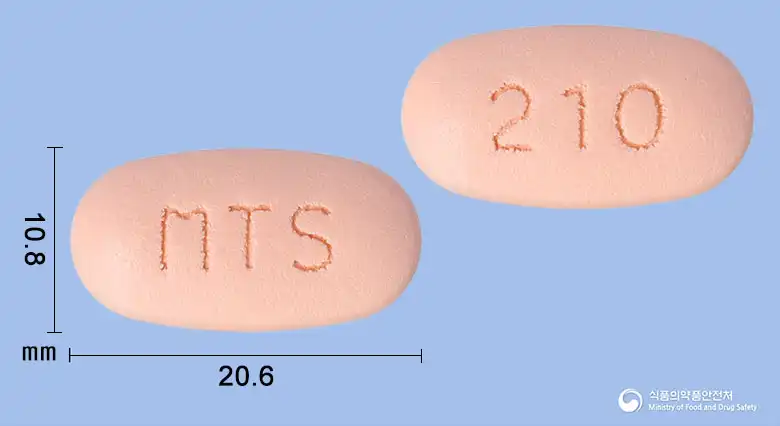
Teneligliptin Hydrochloride Hydrate 26mg · Metformin Hydrochloride 1000mg
Tablet · Prescription medication · Combination
Mothers Pharmaceutical Co., Ltd.
 Combination
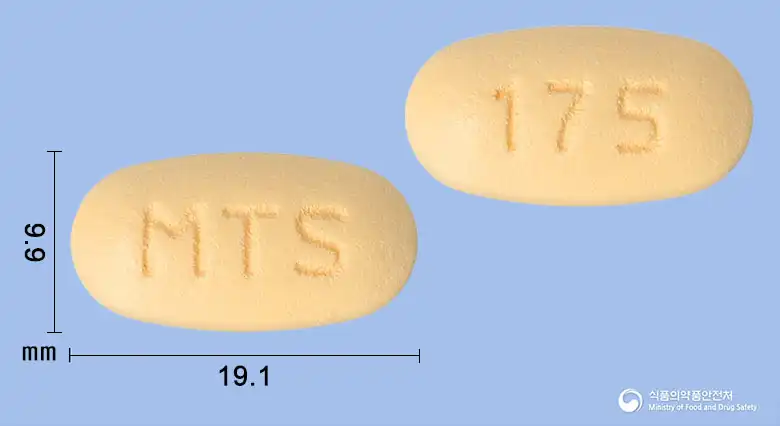
Teneligliptin Hydrochloride Hydrate 13mg · Metformin Hydrochloride 750mg
Tablet · Prescription medication · Combination
Mothers Pharmaceutical Co., Ltd.
 Combination
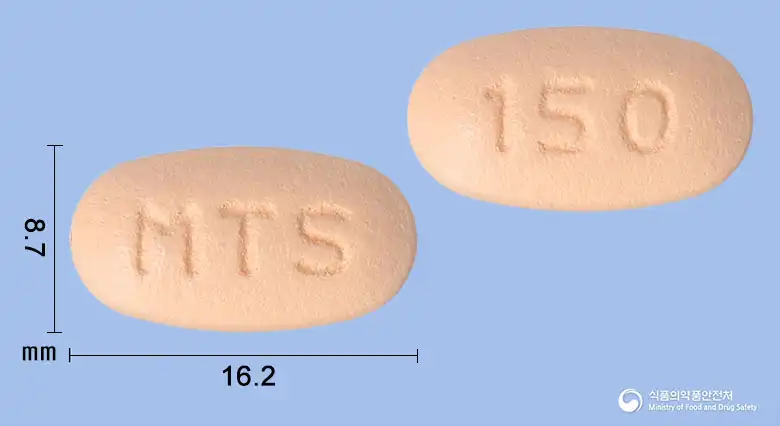
Teneligliptin Hydrochloride Hydrate 13mg · Metformin Hydrochloride 500mg
Tablet · Prescription medication · Combination
Mothers Pharmaceutical Co., Ltd.
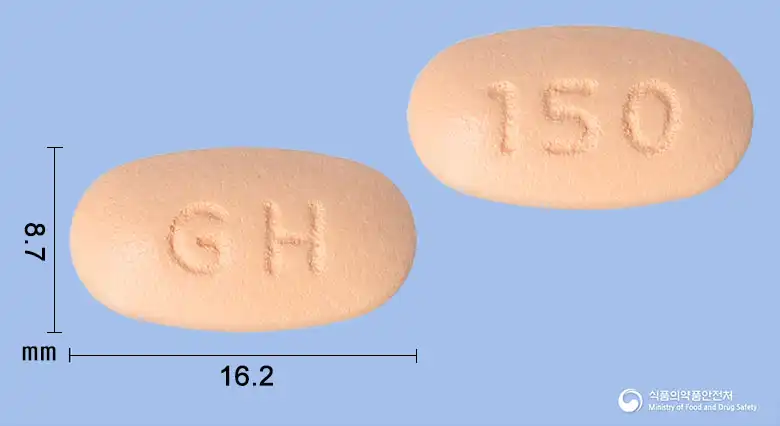 Combination
Teneligliptin Hydrochloride Hydrate 13mg · Metformin Hydrochloride 500mg
Tablet · Prescription medication · Combination
(Yoo) Hanpung Pharmaceutical Co., Ltd.
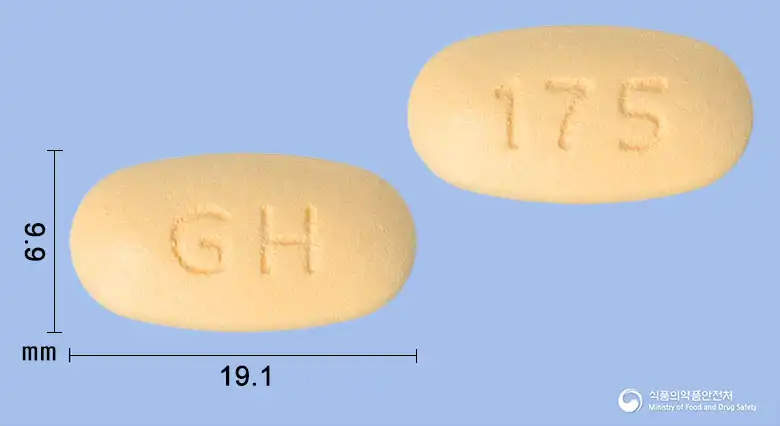 Combination
Teneligliptin Hydrochloride Hydrate 13mg · Metformin Hydrochloride 750mg
Tablet · Prescription medication · Combination
Hanpoong Pharmaceutical Co., Ltd.
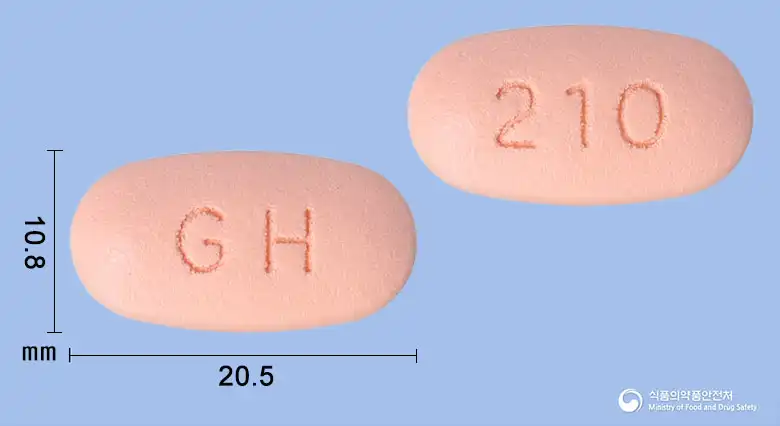 Combination
Teneligliptin Hydrochloride Hydrate 26mg · Metformin Hydrochloride 1000mg
Tablet · Prescription medication · Combination
Hanpung Pharmaceutical Co., Ltd.
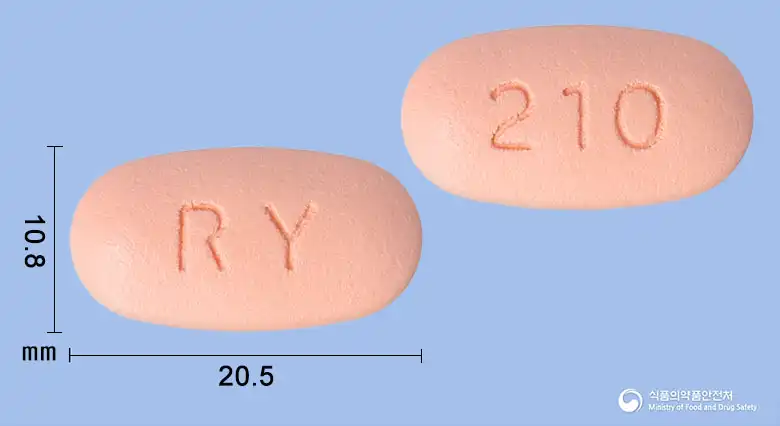 Combination
Teneligliptin Hydrochloride Hydrate 26mg · Metformin Hydrochloride 1000mg
Tablet · Prescription medication · Combination
Iyeon Pharmaceutical Co., Ltd.
Even with the same ingredient, the dose and directions can differ by strength and dosage form. Talk to a doctor or pharmacist before switching from a medication you are already taking.
No questions yet.
For anything that needs medical judgment, consult a doctor or pharmacist.
This drug information is based on data provided by the Korea Ministry of Food and Drug Safety.
Consult a doctor or pharmacist for accurate dosage, administration, and usage instructions.