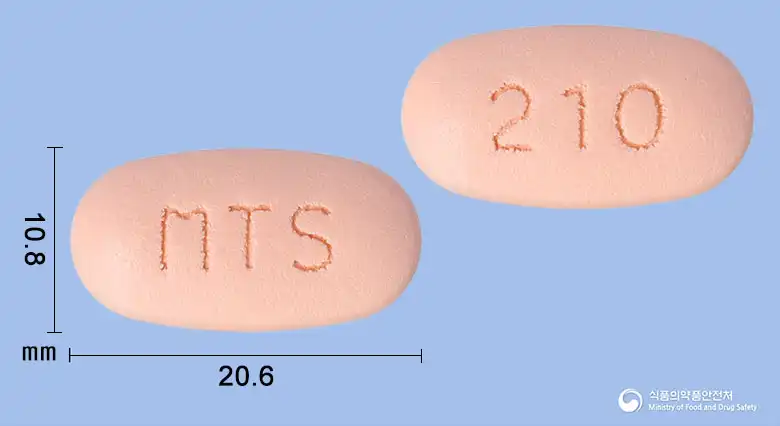
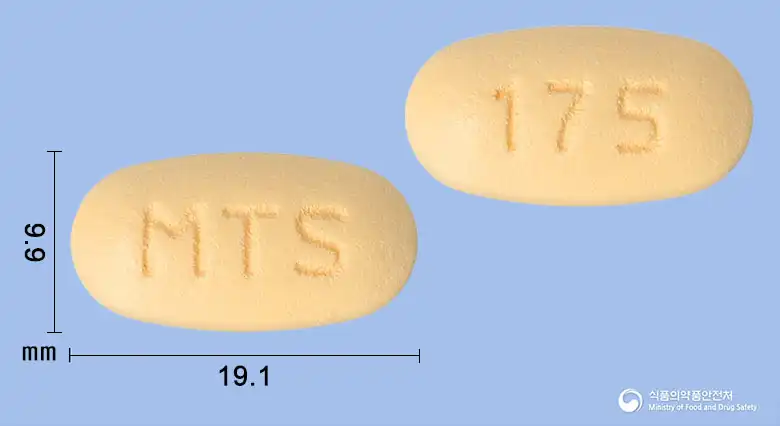
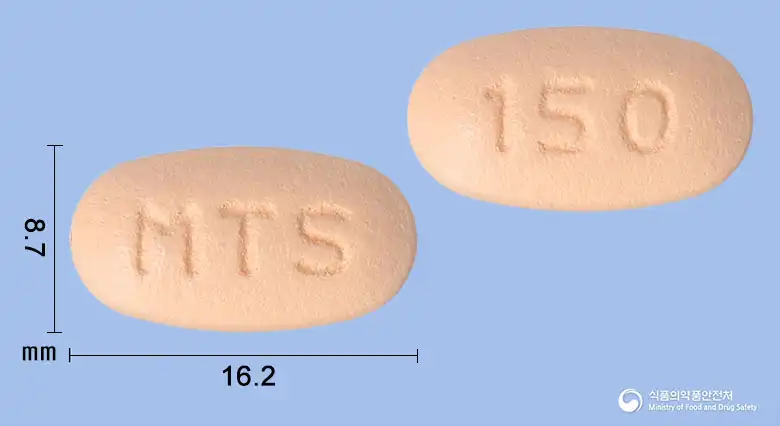
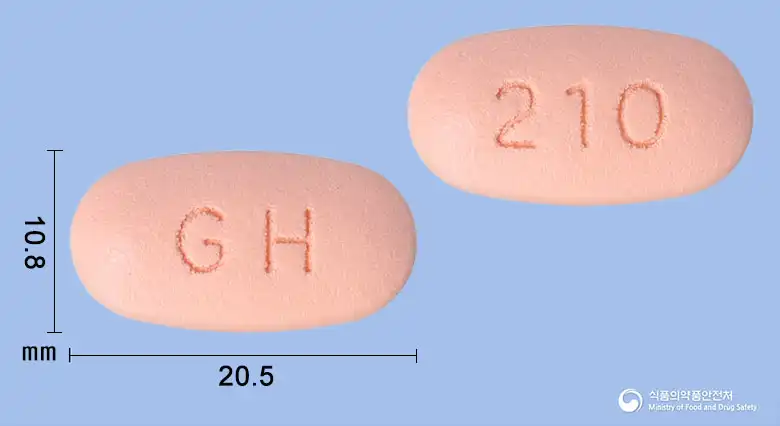
Improvement in blood sugar control for type 2 diabetes
Who takes it
Adults
Adult dose
This medication is generally administered once daily with the evening meal.
The 20/1000 mg extended-release tablet is taken once daily, one tablet per dose.
The 10/750 mg or 10/500 mg extended-release tablets are taken once daily, two tablets at a time.
For patients who cannot achieve sufficient blood sugar control with metformin monotherapy, administer Teneligliptin 20 mg once daily along with the existing dosage of metformin.
Maximum recommended dosage per day.
Improvement in blood sugar control for type 2 diabetes
View approved original textHide original text
This medication helps improve blood sugar control more effectively when used alongside diet and exercise in patients with type 2 diabetes. Teneligliptin and Metformin work together to stabilize blood sugar levels and play a crucial role in diabetes management. Therefore, this medication is used to enhance blood sugar control.
How to take
Adult dose
This medication is generally administered once daily with the evening meal.
The 20/1000 mg extended-release tablet is taken once daily, one tablet per dose.
The 10/750 mg or 10/500 mg extended-release tablets are taken once daily, two tablets at a time.
For patients who cannot achieve sufficient blood sugar control with metformin monotherapy, administer Teneligliptin 20 mg once daily along with the existing dosage of metformin.
Maximum recommended dosage per day.
Precautions
This medication is used for diabetes treatment and contains two components: Metformin and Teneligliptin.
One of the most important precautions while taking this medication is the serious side effect of lactic acidosis. Lactic acidosis is very rare but can be fatal, so it may be unsafe to use if you have reduced kidney function, heart disease, or liver dysfunction.
Additionally, this medication can cause hypoglycemia, so when taken with insulin or other diabetes drugs, you should be careful of hypoglycemia symptoms. If you experience hypoglycemic symptoms, you should consume foods containing sugar immediately.
Patients with moderate to severe renal impairment, severe heart failure, acute infections, severe trauma, or those scheduled for surgery should not take this medication or may need to discontinue it.
During the use of this medication, liver and kidney functions should be monitored regularly, and if there are problems with the liver or kidneys, administration may be stopped.
Women who are pregnant or may become pregnant should avoid taking this medication, and it is also recommended to avoid it while breastfeeding.
This medication can cause various side effects, including gastrointestinal disturbances, constipation, dizziness, headaches, and fatigue, so if symptoms are severe or persistent, consult a doctor.
Moreover, this medication can interact with certain drugs, so if you are taking other medications, be sure to inform your doctor or pharmacist. Special caution is needed when combined with drugs affecting renal function or blood sugar.
Finally, the safety and effectiveness of this medication have not been established in children, and in the elderly, the dosage should be adjusted considering reduced kidney function.
If any abnormal symptoms occur while taking the medication, it is crucial to consult with healthcare professionals immediately and to undergo regular check-ups for safe treatment.
Side effects and when to seek care immediately
Serious side effects
Hives, severe swelling (edema), chest tightness, difficulty breathing, cold sweat, pallor, severe allergic reactions
Severe rash with high fever, blisters, peeling skin, pain in oral and ocular mucosa, severe skin abnormal reactions
Bowel obstruction, liver dysfunction (increased AST, ALT), interstitial pneumonia, similar to acute dermatitis, acute pancreatitis
Shortness of breath or difficulty breathing, asthma attacks, breathing abnormalities accompanied by cough + fever
Yellowing of skin or eyes
Mild side effects
Constipation
dizziness
headache
tremors
weakness
hunger
fatigue
diarrhea
indigestion
nausea
Show 22 moreCollapse
itching
rash
allergic dermatitis
joint pain
malaise
increased serum uric acid
peripheral edema
upper respiratory infection
shingles
rhinitis
cold sweat
hives
abnormal sputum
increased blood pressure
increased blood sugar
blood sugar abnormalities
increased blood sugar
increased triglycerides in blood
increased creatinine in blood
increased urea in blood
anemia
depression
Not everyone experiences these, and they can vary from person to person.
Storage
This medication should be stored in a tightly closed container to prevent exposure to air or moisture. The storage temperature should be maintained between 1 to 30 degrees Celsius.
Even with the same ingredient, the dose and directions can differ by strength and dosage form. Talk to a doctor or pharmacist before switching from a medication you are already taking.
Questions about this medicine
No questions yet.
For anything that needs medical judgment, consult a doctor or pharmacist.
This drug information is based on data provided by the Korea Ministry of Food and Drug Safety. Consult a doctor or pharmacist for accurate dosage, administration, and usage instructions.

 한국어
한국어 English
 日本語
日本語 中文(简体)
 Viewing nowCombination