
 한국어
한국어 English
 日本語
日本語 中文(简体)
 Viewing nowCombination
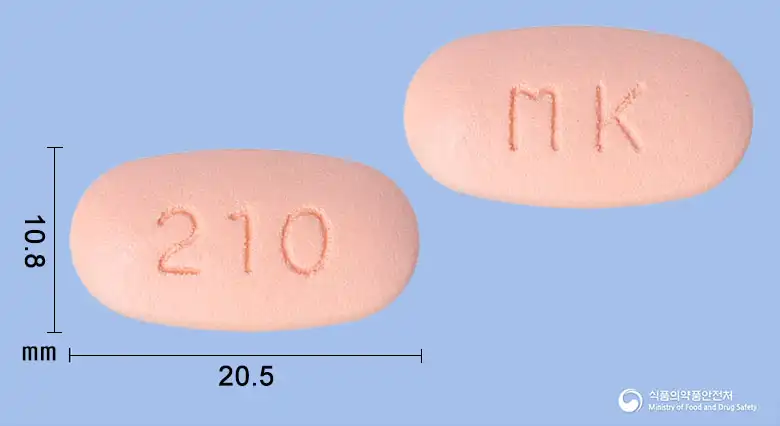
Tenelm Extended-release Tablet 20/1000 mg
Teneligliptin Hydrochloride Hydrate 26mg · Metformin Hydrochloride 1000mg
Tablet · Prescription medication · Combination
Medica Korea Co., Ltd.
MFDS item code 202201309 · Approved 2022.04.04 · Insurance code 646005490
Improvement of blood sugar control in type 2 diabetes
This medication is used to assist patients with type 2 diabetes in managing their blood sugar levels in conjunction with dietary and exercise therapy. Teneligliptin and Metformin work together to help manage blood sugar effectively. Therefore, this medication is suitable for patients with type 2 diabetes who require blood sugar control.
This medication is generally administered once daily with dinner, with each dose being either one tablet or two tablets. The 20/1000 mg extended-release tablet is taken once daily at one tablet, while the 10/750 mg or 10/500 mg extended-release tablet is taken once daily at two tablets simultaneously. The initial dosage is to provide Teneligliptin 20 mg once daily and the existing dosage of Metformin. The maximum recommended daily dosage is
This medication helps regulate blood sugar. However, it should not be used in patients with moderate to severe renal impairment, serious heart problems, or liver dysfunction. Additionally, this medication should be discontinued at least 48 hours prior to tests using radiopaque iodine contrast agents, and should only be resumed after confirming normal kidney function. It is also advisable for pregnant women or women who could become pregnant, as well as patients with severe infections or trauma, to refrain from using this medication. This medication can rarely cause a serious side effect known as lactic acidosis, which may present with symptoms such as weakness, abdominal pain, and breathing difficulties; if symptoms arise, patients should immediately notify a physician. Moreover, caution is required when using this medication with other diabetes medications or insulin, as hypoglycemia can occur; if hypoglycemic symptoms appear, patients should immediately consume sugar. Regular checks of kidney and liver functions should be performed while on this medication, and it is advisable to avoid alcohol consumption. Patients should temporarily discontinue this medication during surgery or in cases of severe dehydration, vomiting, or diarrhea. If unusual symptoms such as dizziness, severe abdominal pain, skin rash, or breathing difficulties occur, patients should consult with healthcare professionals immediately. Elderly patients may have a higher risk of decreased kidney function and therefore require dosage adjustments and regular monitoring. This medication has not been confirmed for safety and efficacy in children, hence it is not used in this population. Finally, this medication should be stored out of reach of children and not transferred to other containers.
Hives, severe swelling (edema), chest tightness, difficulty breathing, cold sweat, paleness, severe allergic reactions, severe rash with high fever, blisters, peeling skin, pain in oral/conjunctival mucosa, severe skin reactions, shortness of breath or difficulty breathing, asthma attack, respiratory distress accompanied by cough and fever, respiratory issues, yellowing of skin or eyes (jaundice), extreme lethargy, liver abnormalities (jaundice), sudden
Not everyone experiences these, and they can vary from person to person.
This medication should be stored in a tightly closed container to prevent air and moisture from getting in. It is advisable to maintain a storage temperature between 1 and 30 degrees Celsius. Doing so will help secure the medication's efficacy.
Pink oval extended-release film-coated tablet
30 tablets/bottle
Even with the same ingredient, strength, dosage form and how it is taken can differ.
Viewing nowCombinationTeneligliptin Hydrochloride Hydrate 26mg · Metformin Hydrochloride 1000mg
Tablet · Prescription medication · Combination
Medica Korea Co., Ltd.
 Combination
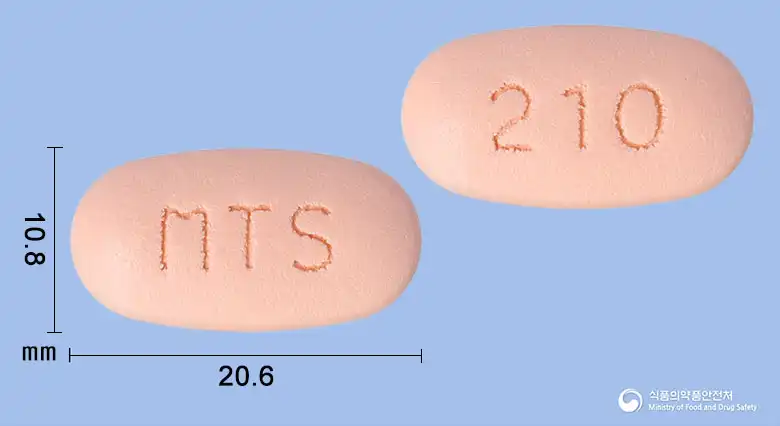
Teneligliptin Hydrochloride Hydrate 26mg · Metformin Hydrochloride 1000mg
Tablet · Prescription medication · Combination
Mothers Pharmaceutical Co., Ltd.
 Combination
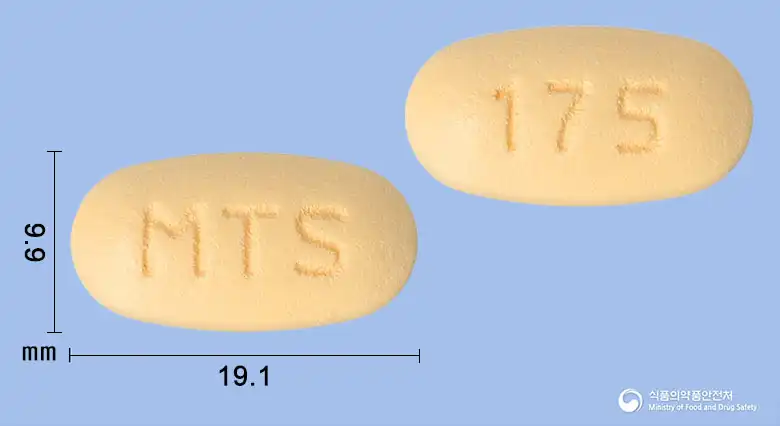
Teneligliptin Hydrochloride Hydrate 13mg · Metformin Hydrochloride 750mg
Tablet · Prescription medication · Combination
Mothers Pharmaceutical Co., Ltd.
 Combination
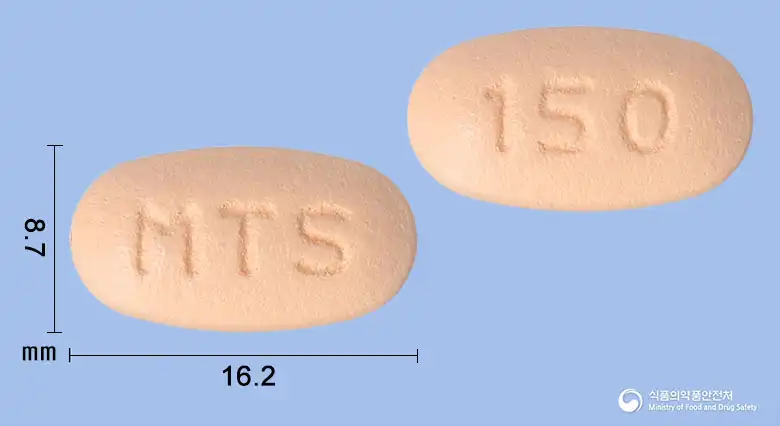
Teneligliptin Hydrochloride Hydrate 13mg · Metformin Hydrochloride 500mg
Tablet · Prescription medication · Combination
Mothers Pharmaceutical Co., Ltd.
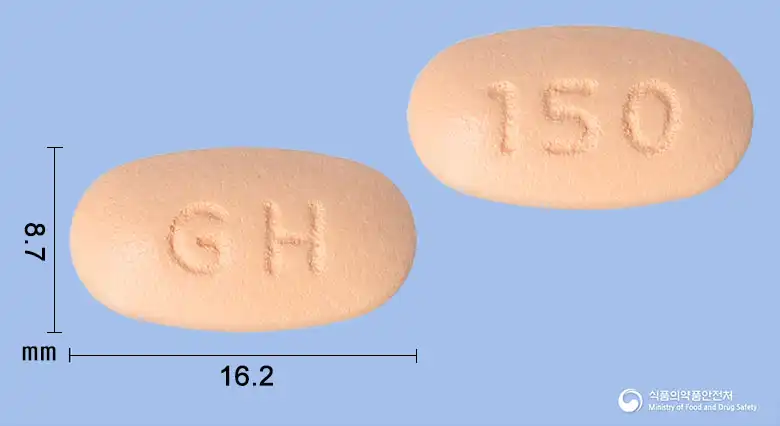 Combination
Teneligliptin Hydrochloride Hydrate 13mg · Metformin Hydrochloride 500mg
Tablet · Prescription medication · Combination
(Yoo) Hanpung Pharmaceutical Co., Ltd.
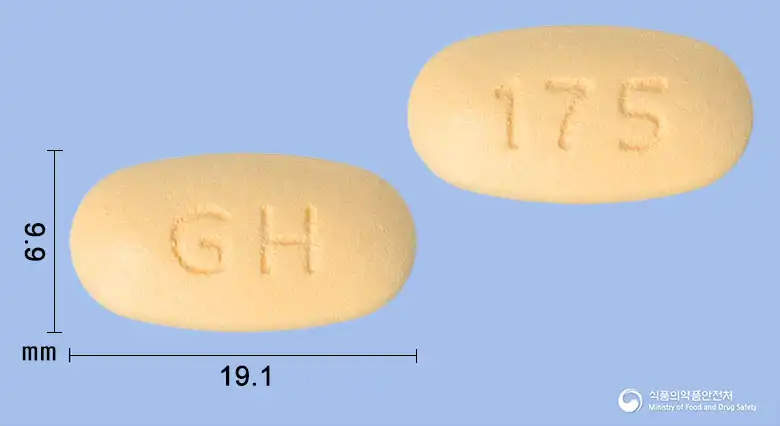 Combination
Teneligliptin Hydrochloride Hydrate 13mg · Metformin Hydrochloride 750mg
Tablet · Prescription medication · Combination
Hanpoong Pharmaceutical Co., Ltd.
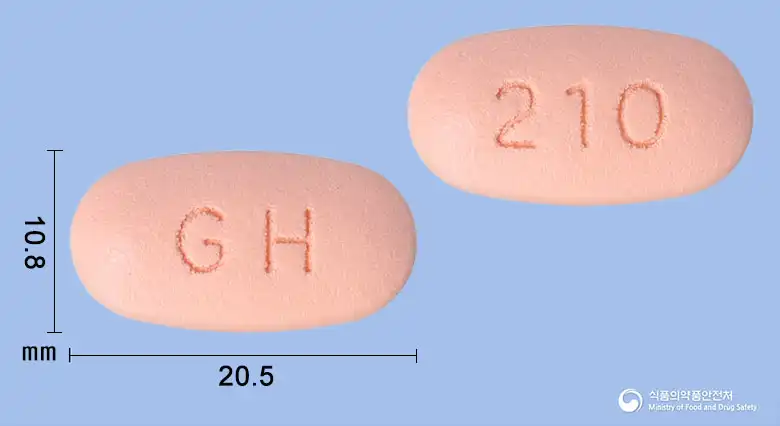 Combination
Teneligliptin Hydrochloride Hydrate 26mg · Metformin Hydrochloride 1000mg
Tablet · Prescription medication · Combination
Hanpung Pharmaceutical Co., Ltd.
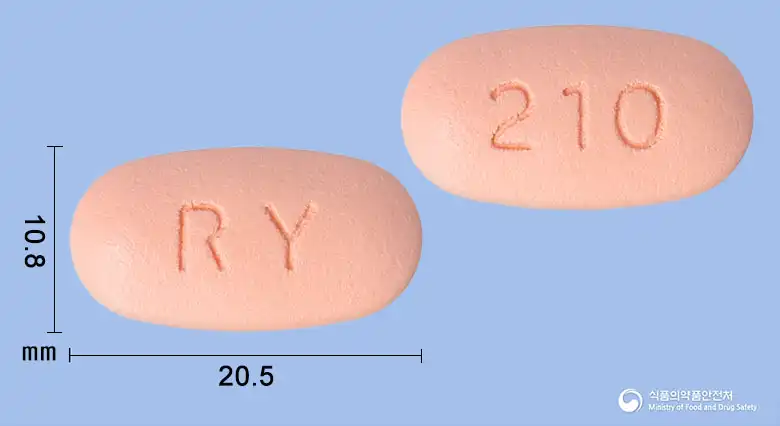 Combination
Teneligliptin Hydrochloride Hydrate 26mg · Metformin Hydrochloride 1000mg
Tablet · Prescription medication · Combination
Iyeon Pharmaceutical Co., Ltd.
Even with the same ingredient, the dose and directions can differ by strength and dosage form. Talk to a doctor or pharmacist before switching from a medication you are already taking.
No questions yet.
For anything that needs medical judgment, consult a doctor or pharmacist.
This drug information is based on data provided by the Korea Ministry of Food and Drug Safety.
Consult a doctor or pharmacist for accurate dosage, administration, and usage instructions.