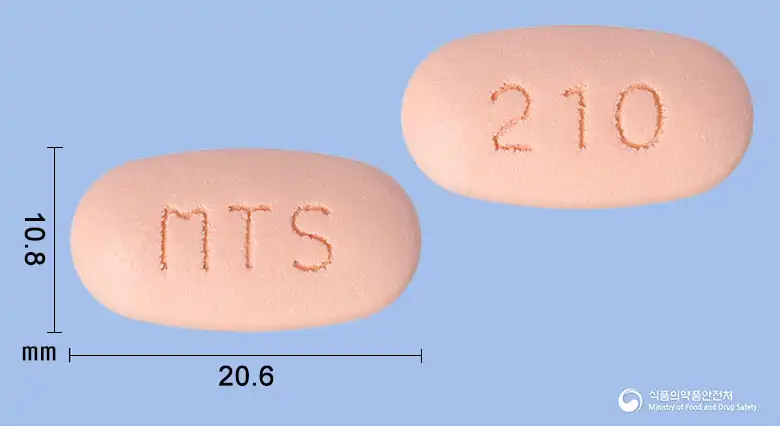
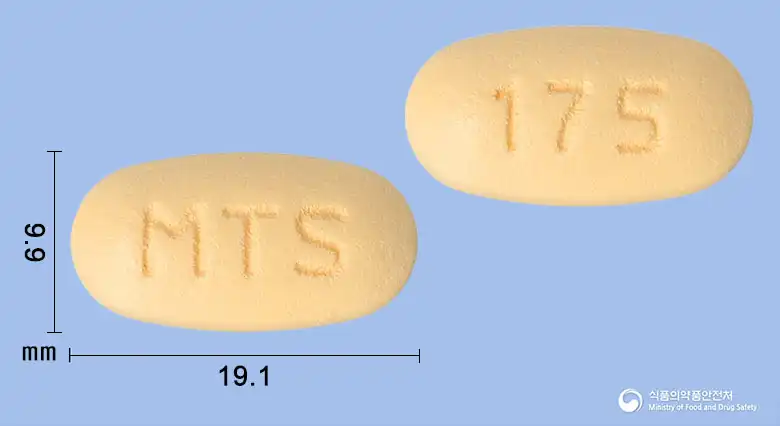
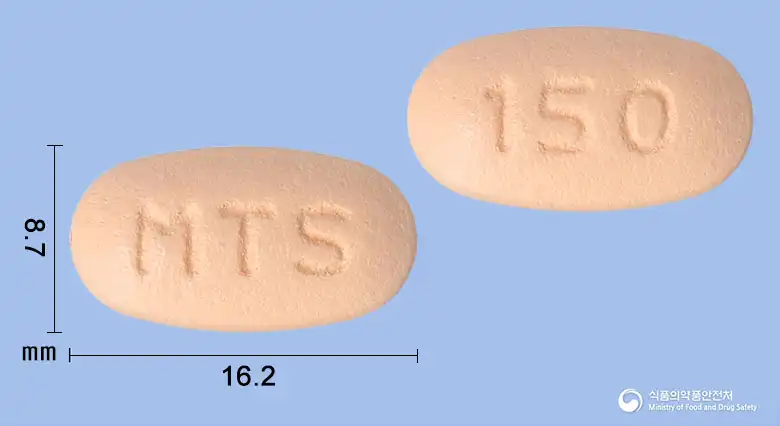
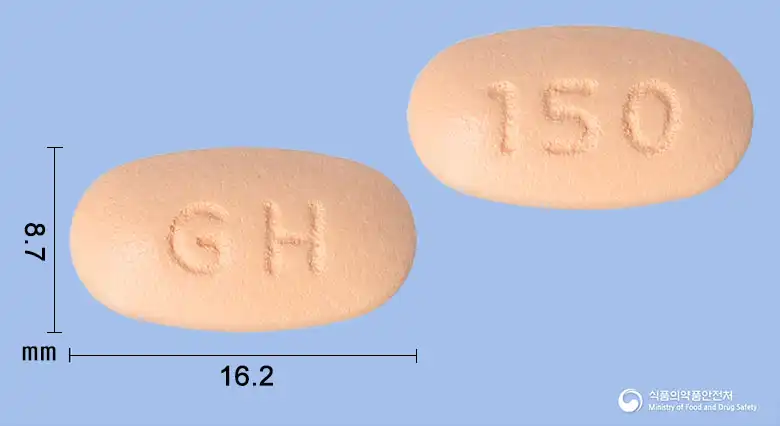
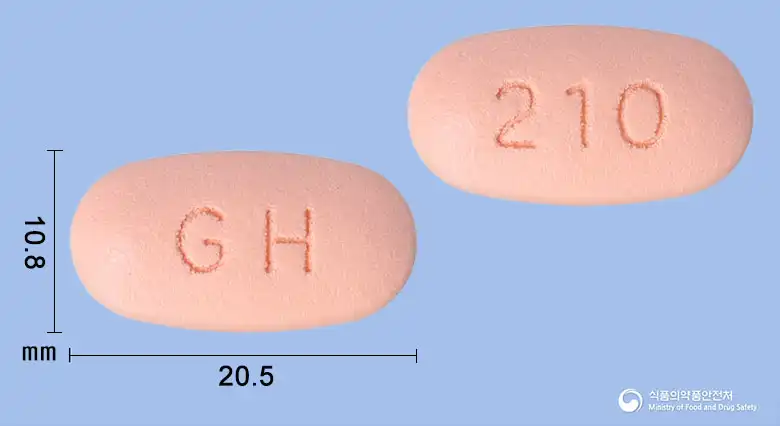
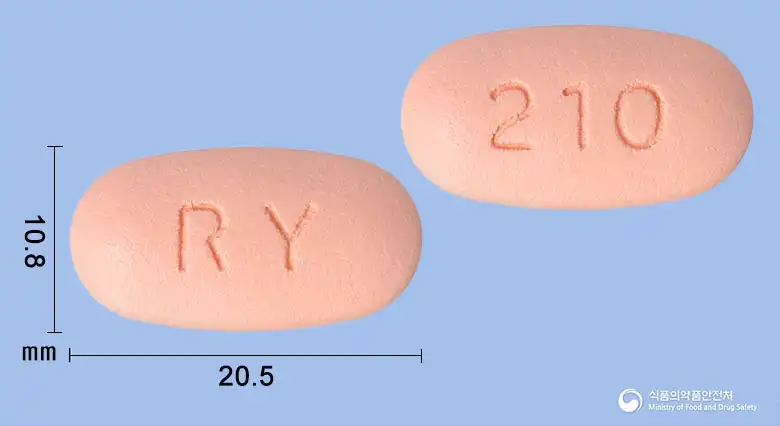
Improves glycemic control in patients with type 2 diabetes mellitus
Who takes it
Adults
Adult dose
The dose of this medicine should be determined based on each patient's current treatment regimen, efficacy, and tolerability. This medicine is generally administered once daily with the evening meal, and the dose is adjusted gradually to reduce gastrointestinal adverse reactions associated with metformin.
Take 1 tablet of this medicine 20/1000mg extended-release tablet once daily.
Patients taking this medicine 10/750mg or 10/500mg extended-release tablets should take 2 tablets together once daily.
For patients whose blood glucose is not adequately controlled with metformin monotherapy, the initial dose of this medicine should provide teneligliptin 20 mg once daily and the patient's current metformin dose. For patients switching from combination therapy with teneligliptin and metformin to this medicine, the dose of this medicine may be started at the patient's current doses of teneligliptin and metformin. When switching from immediate-release metformin to an extended-release formulation, blood glucose control should be closely monitored and the dose adjusted as appropriate. When administered with a sulfonylurea, reducing the sulfonylurea dose may be considered to reduce the risk of hypoglycemia.
The maximum recommended daily dose is teneligliptin 20mg and extended-release metformin 2000mg.
The safety and efficacy of this medicine have not been specifically evaluated in patients switching to this medicine from another glucose-lowering medicine. Because such a change may affect blood glucose control, any changes in the treatment of patients with type 2 diabetes should be made under close monitoring.
To maintain its extended-release properties, this medicine should be swallowed whole and not split, crushed, ground, or chewed.
Improves glycemic control in patients with type 2 diabetes mellitus
View approved original textHide original text
This medication helps patients with type 2 diabetes to control their blood sugar more effectively. It is particularly suitable for patients who are also following dietary and exercise regimens, and it improves blood sugar control by combining tenegliptin and metformin. This significantly aids patients in managing their diabetes.
How to take
Adult dose
The dose of this medicine should be determined based on each patient's current treatment regimen, efficacy, and tolerability. This medicine is generally administered once daily with the evening meal, and the dose is adjusted gradually to reduce gastrointestinal adverse reactions associated with metformin.
Take 1 tablet of this medicine 20/1000mg extended-release tablet once daily.
Patients taking this medicine 10/750mg or 10/500mg extended-release tablets should take 2 tablets together once daily.
For patients whose blood glucose is not adequately controlled with metformin monotherapy, the initial dose of this medicine should provide teneligliptin 20 mg once daily and the patient's current metformin dose. For patients switching from combination therapy with teneligliptin and metformin to this medicine, the dose of this medicine may be started at the patient's current doses of teneligliptin and metformin. When switching from immediate-release metformin to an extended-release formulation, blood glucose control should be closely monitored and the dose adjusted as appropriate. When administered with a sulfonylurea, reducing the sulfonylurea dose may be considered to reduce the risk of hypoglycemia.
The maximum recommended daily dose is teneligliptin 20mg and extended-release metformin 2000mg.
The safety and efficacy of this medicine have not been specifically evaluated in patients switching to this medicine from another glucose-lowering medicine. Because such a change may affect blood glucose control, any changes in the treatment of patients with type 2 diabetes should be made under close monitoring.
To maintain its extended-release properties, this medicine should be swallowed whole and not split, crushed, ground, or chewed.
Precautions
This medication is used for controlling blood sugar.
However, there are several points to be cautious about when taking this medication.
First, it can rarely cause a serious condition called lactic acidosis. Lactic acidosis can be dangerous due to excessive accumulation of lactic acid in the body, so if symptoms such as lethargy, abdominal pain, or difficulty breathing occur, consult a doctor immediately.
Second, taking it alongside other diabetes medications or insulin can cause hypoglycemia, so it is important to monitor blood sugar levels carefully.
Third, patients with impaired kidney function, severe heart disease, liver dysfunction, or those with severe infection or traumatic systemic disorders should not take this medication.
Fourth, stop taking this medication at least 48 hours before undergoing tests that use iodine contrast agents, and only resume after confirming normal kidney function post-examination.
Fifth, it is advisable for pregnant women or women who could become pregnant, individuals with very poor nutritional status, or patients who are in a state of starvation or weakness not to take this medication.
Sixth, avoid alcohol intake while taking this medication, and especially be cautious in situations where acute alcohol intoxication is a risk.
Seventh, side effects such as gastrointestinal disturbances, dizziness, joint pain, and skin rashes may occur in some patients, so report any unusual symptoms to a doctor.
Finally, elderly patients or those with reduced kidney function should have regular kidney function tests and adjust their dosage as necessary.
It is essential to be aware of symptoms of hypoglycemia and lactic acidosis while taking this medication, and to consult healthcare personnel immediately if symptoms arise.
Side effects
Severe lactic acidosis
hypoglycemia
constipation
intestinal obstruction
liver dysfunction
interstitial pneumonia
bullous pemphigoid
acute pancreatitis
dizziness
abdominal distension
Show 183 moreCollapse
abdominal discomfort
nausea
abdominal pain
bloating
stomatitis
gastric polyps
colon polyps
duodenal ulcers
gastroesophageal reflux disease
diarrhea
loss of appetite
elevated amylase
elevated lipase
increased AST(GOT)
increased ALT(GPT)
elevated GGT
increased ALP
proteinuria
ketonuria
potential hematuria
eczema
rash
itching
allergic dermatitis
arthralgia
elevated CK(CPK)
increased serum potassium concentration
malaise
allergic rhinitis
elevated serum uric acid
peripheral edema
herpes zoster
limb pain
upper abdominal pain
gastritis
upper respiratory infection
headache
tremors
weakness
hunger
fatigue
facial edema
dyspepsia
nausea
viral upper respiratory infection
rhinitis
cold sweat
diabetic retinopathy
decreased vision
cough
pulmonary congestion
shortness of breath
drug overdose
benign prostatic hyperplasia
headache
diarrhea
chronic gastritis
irritable bowel syndrome
fatigue
cerebral infarction
hyperglycemia
liver biopsy
decreased neutrophils
abnormal blood sugar
increased blood sugar
increased blood pressure
hepatic coma
lumbar spinal canal stenosis
intervertebral disc protrusion
intervertebral disc disorder
spinal ligament calcification
spinal foraminal stenosis
rotator cuff syndrome
bladder mass
ureterolithiasis
urinary stones
coronary artery disease
unstable angina
gastroesophageal reflux disease
gastric polyps
gastritis
bile duct obstruction
chronic cholecystitis
soft tissue infection
pneumonia
cataract
depression
iliac artery stenosis
dizziness
benign prostatic hyperplasia
knee surgery
dizziness
diabetic neuropathy
paresthesia
hepatic coma
sensory disorders
sensory impairment
tension headache
peripheral neuropathy
facial paralysis
sciatica
orthostatic dizziness
muscle weakness
low back pain
limb pain
lumbar spinal canal stenosis
tendinitis
cervical pain
bone pain
osteoarthritis
osteoporosis
muscle cramps
foot deformity
hypertrophic osteoarthritis
bursitis
spinal osteoarthritis
intervertebral disc protrusion
intervertebral disc disorder
spinal ligament calcification
spinal foraminal stenosis
postmenopausal osteoporosis
rotator cuff syndrome
gastroenteritis
influenza
nasopharyngitis
uterine abscess
subcutaneous abscess
gastroenteritis
musculoskeletal chest pain
arthralgia
intervertebral disc degeneration
headache
chronic bronchitis
goiter
hypercholesterolemia
hypertension
urticaria
vomiting
upper abdominal pain
abdominal pain
gastrointestinal motility disorder
decreased gastrointestinal motility
enteritis
toothache
anal rectal discomfort
acquired mixed hyperlipidemia
hypertriglyceridemia
vitamin D deficiency
abnormal weight gain
shortness of breath
exertional dyspnea
atelectasis
epistaxis
chest discomfort
fever
chills
generalized edema
injection site inflammation
chest pain
dysuria
renal cyst
nocturia
ovarian cyst
vulvar pruritus
menopausal symptoms
toxic hepatitis
non-alcoholic fatty liver disease
alcoholic liver disease
eyelid injury
ligament sprain
lip injury
bruise
glaucoma
blurred vision
age-related macular degeneration
hyperthyroidism
hyperparathyroidism
coronary artery disease
angina
otalgia
iron deficiency anemia
food allergy
pressure ulcer
Not everyone experiences these, and they can vary from person to person.
Storage
Store this medication in a tightly sealed container to keep air out, with a recommended storage temperature between 1 degree and 30 degrees Celsius.
Proper storage maintains the medication's effectiveness and prevents deterioration.
Even with the same ingredient, the dose and directions can differ by strength and dosage form. Talk to a doctor or pharmacist before switching from a medication you are already taking.
Questions about this medicine
No questions yet.
For anything that needs medical judgment, consult a doctor or pharmacist.
This drug information is based on data provided by the Korea Ministry of Food and Drug Safety. Consult a doctor or pharmacist for accurate dosage, administration, and usage instructions.

 한국어
 English
 日本語
 中文(简体)
 Viewing nowCombination