
 한국어
한국어 English
 日本語
日本語 中文(简体)
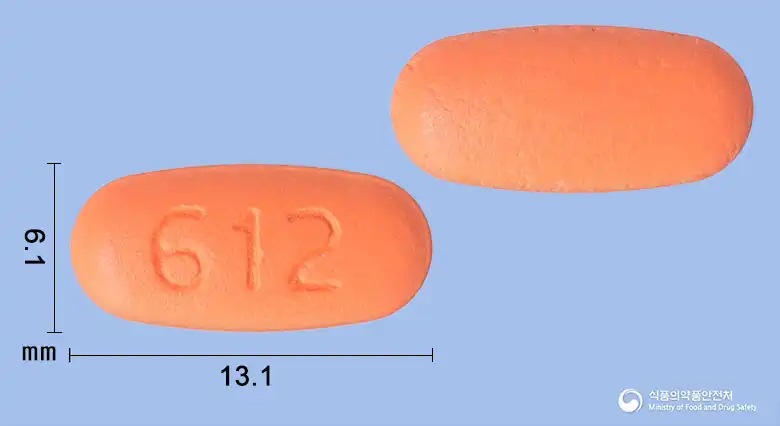 Viewing nowCombination
Ducarb Plus Tablet 60/10/25 mg
Fimasartan Potassium Trihydrate Granules 150mg · Amlodipine Besylate 13.88mg +1 more
Tablet · Prescription medication · Combination
Boryung Co., Ltd.
MFDS item code 202201266 · Approved 2022.03.31
Improvement in blood pressure control for essential hypertension
The combination therapy using Pimasartan Potassium and Amlodipine is prescribed to effectively lower blood pressure in patients with essential hypertension. This treatment helps dilate blood vessels and control blood pressure, thereby reducing cardiovascular risk. It is particularly used in cases where blood pressure control is difficult with monotherapy, assisting in safe management of blood pressure. Therefore, this combination therapy improves blood pressure control in patients with essential hypertension.
This medication is taken orally as 1 tablet once a day with water, regardless of meals. It is recommended to take it at the same time every day (e.g., in the morning). For patients whose blood pressure is not controlled by a combination of Pimasartan Potassium and Amlodipine, administer this medicine 30/5/12.5 mg and adjust the dosage at intervals of more than 2 weeks considering the patient's blood pressure response. The maximum dosage of this medication is 60/10/25 mg.
This medicine may cause serious harm to the fetus and newborn if administered during the second and third trimesters of pregnancy, so it should be discontinued immediately upon confirmation of pregnancy. Patients with a history of allergic reactions to this medication or its components, specific liver disorders, bile duct obstruction, heart valve disease, or severe renal failure should not take this medication. Patients with reduced blood volume or impaired kidney function, elderly patients, and those on long-term diuretics should be closely monitored as this medication may cause hypotension or worsen kidney function. This medication may cause side effects such as dizziness, headache, dyspepsia, edema, and hypotension; if abnormal symptoms persist or worsen, medical consultation is advised. Rapid drops in blood pressure can occur; therefore, patients should start slowly when taking this medication for the first time or increasing the dose, and if symptoms appear, lay the patient down and administer fluids if necessary. Since this medication can affect blood potassium levels, patients with heart failure or kidney disease should have regular blood tests. Interactions may occur if taken with other antihypertensives, diuretics, potassium supplements, or certain analgesics; it is essential to inform doctors or pharmacists. Pregnant or breastfeeding women should not take this medication; if breastfeeding, they should stop either breastfeeding or taking the medication. Its safety and efficacy have not been established for children under 18 years; therefore, it is best not to use it in this age group. Elderly patients may be more sensitive to this medication, so it is recommended to start at a lower dose and gradually increase. In cases of overdose, symptoms such as hypotension, palpitations, dizziness, and dehydration may occur, and immediate medical attention should be sought for appropriate treatment. This medication should be kept out of the reach of children, and transferring it to another container may lead to quality degradation.
Hives, severe swelling (edema), difficulty breathing, liver abnormalities (jaundice), severe allergic reactions, hypotension, jaundice, severe neurological symptoms, severe edema or urinary abnormalities, acute renal failure, pulmonary edema, acute respiratory distress syndrome (ARDS), anaphylaxis
Dizziness, headache, paresthesia, increased blood creatine phosphokinase (CPK), dyspepsia, nasopharyngitis, confusion, rectal bleeding, dental caries, duodenitis, gastritis, hemorrhoids, stomatitis, increased alanine aminotransferase (ALT), increased blood glucose, chest pain, edema, peripheral edema, cystitis, hyperuricemia, hypokalemia, hyponatremia, palpitations, muscle cramps, hypotension, orthostatic dizziness, facial edema, urinary disturbances, insomnia, flushing,
Not everyone experiences these, and they can vary from person to person.
This medication may be sensitive to air and moisture, so it should be stored in a tightly sealed container. The storage temperature should be maintained between 1 to 30 degrees Celsius at room temperature. Proper storage will help preserve the drug's efficacy and safety over time.
Orange rectangular film-coated tablets
30 tablets/box [(10 tablets/PTP x 3)]
Even with the same ingredient, strength, dosage form and how it is taken can differ.
Viewing nowCombinationFimasartan Potassium Trihydrate Granules 150mg · Amlodipine Besylate 13.88mg +1 more
Tablet · Prescription medication · Combination
Boryung Co., Ltd.
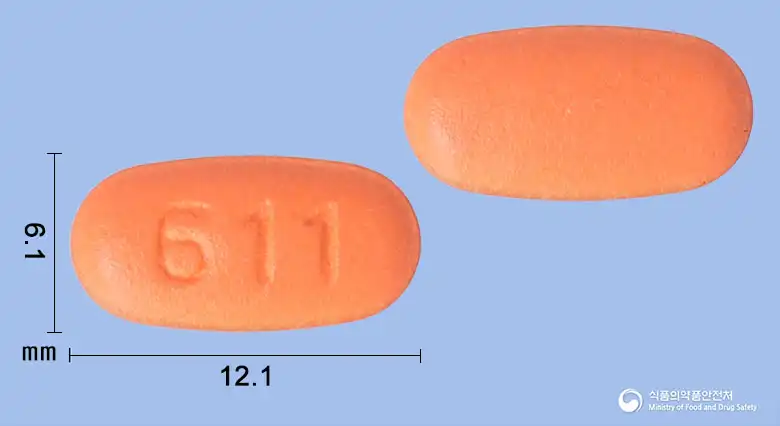 Combination
Fimasartan Potassium Trihydrate Granules 150mg · Amlodipine Besylate 13.88mg +1 more
Tablet · Prescription medication · Combination
Boryung Co., Ltd.
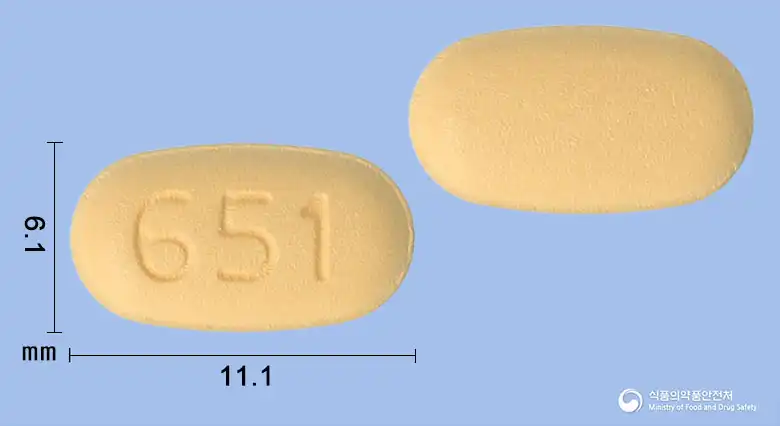 Combination
Fimasartan Potassium Trihydrate Granules 150mg · Amlodipine Besylate 6.94mg +1 more
Tablet · Prescription medication · Combination
Boryung Co., Ltd.
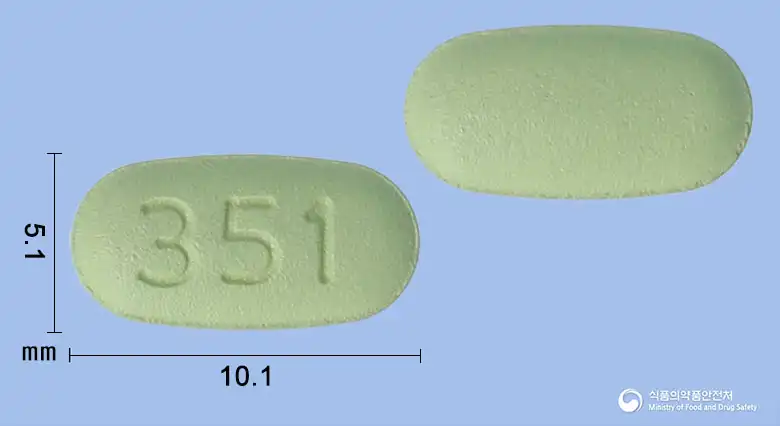 Combination
Fimasartan Potassium Trihydrate Granules 75mg · Amlodipine Besylate 6.94mg +1 more
Tablet · Prescription medication · Combination
Boryung Pharmaceutical Co., Ltd.
 Combination
Fimasartan Potassium Trihydrate Granules 150mg · Amlodipine Besylate 6.94mg +1 more
Tablet · Prescription medication · Combination
Boryung Pharmaceutical Co., Ltd.
Even with the same ingredient, the dose and directions can differ by strength and dosage form. Talk to a doctor or pharmacist before switching from a medication you are already taking.
No questions yet.
For anything that needs medical judgment, consult a doctor or pharmacist.
This drug information is based on data provided by the Korea Ministry of Food and Drug Safety.
Consult a doctor or pharmacist for accurate dosage, administration, and usage instructions.