
 한국어
한국어 English
 日本語
日本語 中文(简体)
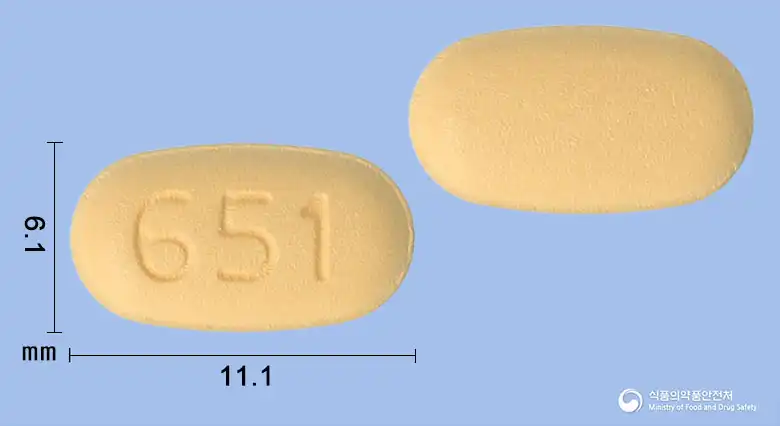 Viewing nowCombination
Ducarb Plus Tablets 60/5/12.5 milligrams
Fimasartan Potassium Trihydrate Granules 150mg · Amlodipine Besylate 6.94mg +1 more
Tablet · Prescription medication · Combination
Boryung Co., Ltd.
MFDS item code 202201264 · Approved 2022.03.31 · Insurance code 641907920
Improvement of blood pressure control in essential hypertension
This medication is used to effectively lower and control blood pressure in patients with essential hypertension who have difficulty controlling blood pressure with existing treatments through the combination therapy of pimasartan potassium and amlodipine.
This medication is taken once daily at one tablet with water regardless of meals. It is recommended to take it at the same time each day (e.g., in the morning). This medication 30/5/12.5 milligrams is administered to patients whose blood pressure is not controlled through a combination therapy of pimasartan potassium and amlodipine, and the dosage should be adjusted at intervals of more than 2 weeks considering the individual blood pressure response. The maximum dosage of this medication is 60/10/25 milligrams.
This medication can cause serious harm or death to the fetus and newborn, especially during the second and third trimesters of pregnancy, and should be discontinued immediately upon confirmation of pregnancy. It should not be administered to patients who are allergic to any ingredient of this medication or similar drugs, patients with liver disorders, biliary obstruction, severe renal failure, or certain heart diseases. Patients with reduced blood volume, renal impairment, elderly patients, or patients with specific cardiovascular diseases should be closely monitored when taking this medication. Use of this medication may result in side effects such as dizziness, headaches, dyspepsia, and in rare cases may lead to severe adverse reactions such as hypotension or electrolyte imbalance. If blood pressure drops too low or severe side effects occur, consult healthcare professionals immediately, and regular blood tests to check for electrolytes and renal function are important. This medication may interact with other antihypertensive agents, diuretics, potassium-sparing diuretics, and certain anti-inflammatory drugs, so it is essential to inform medical personnel of any other medications being taken. Pregnant or breastfeeding women should not take this medication, and particularly during breastfeeding should be cautious as the drug may be passed through breast milk. Safety for children and adolescents under 18 years has not been established, so it is recommended not to use it. In case of overdose, symptoms may include hypotension, dizziness, and arrhythmia, and appropriate medical attention should be sought immediately. This medication should be kept out of the reach of children, and it is safe not to transfer it into another container. Caution is required when driving or operating machinery as dizziness or drowsiness may occur while taking this medication.
Hives, severe swelling (edema), palpitations, headache, confusion, hypotension, jaundice, acute renal failure, acute closed-angle glaucoma, choroidal effusion, pulmonary edema, acute respiratory distress syndrome (ARDS), necrotizing vasculitis, anaphylaxis, acute cholecystitis, arrhythmia, aplastic anemia, hemolytic anemia, purpura, renal failure, hypotension, shock, confusion, paralysis, hypertension, abnormal heart rate, vascular edema, asthma attack, dyspnea
Not everyone experiences these, and they can vary from person to person.
This medication should be stored in a sealed container to protect it from air and moisture, and it is safe to store it at a temperature between 1 to 30 degrees Celsius.
Yellow rectangular film-coated tablet
30 tablets/box [(10 tablets/PTP x 3)], 30 tablets/bottle, 300 tablets/bottle
Even with the same ingredient, strength, dosage form and how it is taken can differ.
Viewing nowCombinationFimasartan Potassium Trihydrate Granules 150mg · Amlodipine Besylate 6.94mg +1 more
Tablet · Prescription medication · Combination
Boryung Co., Ltd.
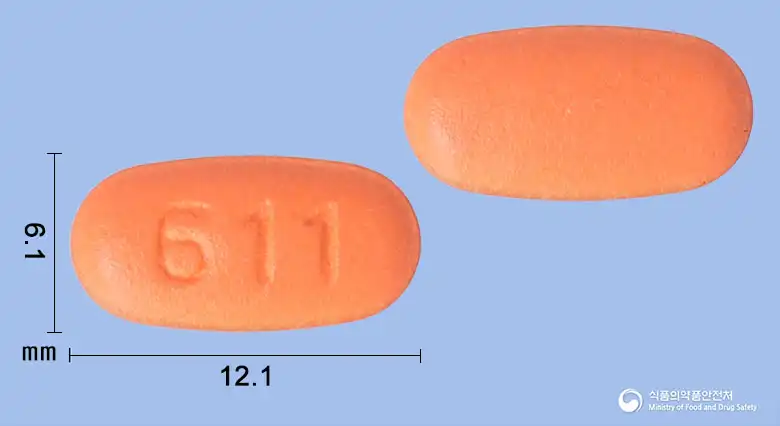 Combination
Fimasartan Potassium Trihydrate Granules 150mg · Amlodipine Besylate 13.88mg +1 more
Tablet · Prescription medication · Combination
Boryung Co., Ltd.
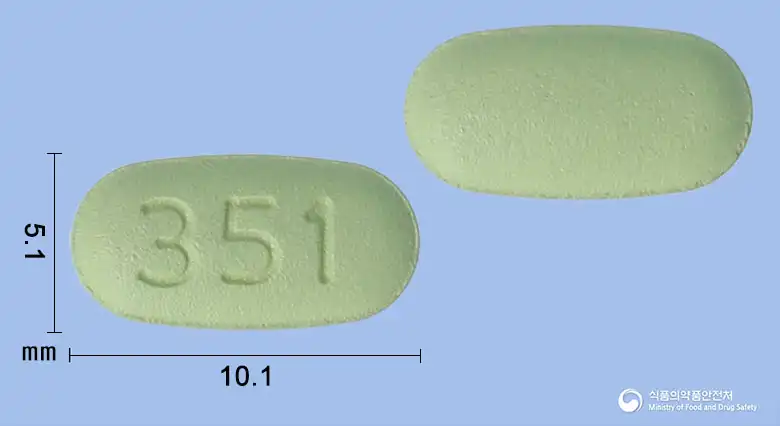 Combination
Fimasartan Potassium Trihydrate Granules 75mg · Amlodipine Besylate 6.94mg +1 more
Tablet · Prescription medication · Combination
Boryung Pharmaceutical Co., Ltd.
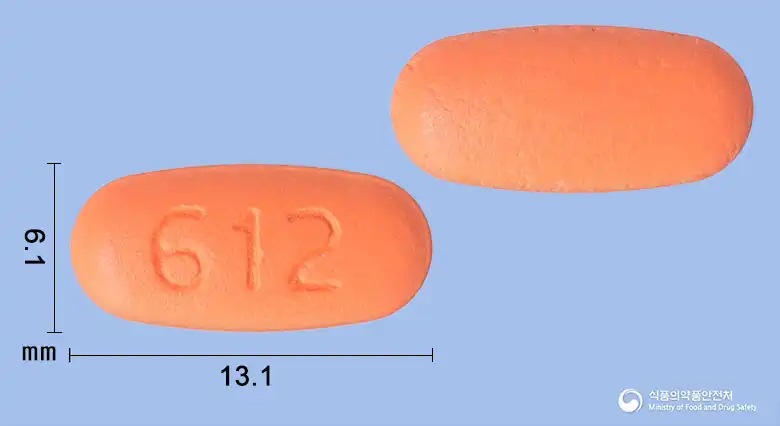 Combination
Fimasartan Potassium Trihydrate Granules 150mg · Amlodipine Besylate 13.88mg +1 more
Tablet · Prescription medication · Combination
Boryung Co., Ltd.
 Combination
Fimasartan Potassium Trihydrate Granules 150mg · Amlodipine Besylate 6.94mg +1 more
Tablet · Prescription medication · Combination
Boryung Pharmaceutical Co., Ltd.
Even with the same ingredient, the dose and directions can differ by strength and dosage form. Talk to a doctor or pharmacist before switching from a medication you are already taking.
No questions yet.
For anything that needs medical judgment, consult a doctor or pharmacist.
This drug information is based on data provided by the Korea Ministry of Food and Drug Safety.
Consult a doctor or pharmacist for accurate dosage, administration, and usage instructions.