
 한국어
한국어 English
 日本語
日本語 中文(简体)
 Viewing now
Bicarbonate Tablets (Sodium Bicarbonate)
Sodium Bicarbonate 500mg
Tablet · OTC medication
Nova M Healthcare Co., Ltd.
MFDS item code 202200972 · Notified 2022.03.07
Efficacy in gastric and duodenal ulcers (antacid action, symptom improvement) and promotes uric acid excretion and prevents gout attacks
This medication is used to improve symptoms through antacid action in conditions such as gastric and duodenal ulcers, gastritis, and hyperacidity. It also alleviates acidosis, reducing discomfort for patients. Furthermore, it is effective in preventing gout attacks by promoting uric acid excretion. It is a medication that helps manage various gastrointestinal conditions and gout.
As sodium bicarbonate, take 0.5-1g orally per dose, 3-5g per day. Adjust according to age and symptoms.
This medication contains sodium and should not be used by patients who need to restrict sodium intake, such as those with hypernatremia, edema, pregnancy-induced hypertension, bladder stones, and hypertension. Additionally, since this medication contains lactose, it should not be administered to patients with genetic issues such as galactose intolerance, Lapp lactase deficiency, or glucose-galactose malabsorption. Patients with severe gastrointestinal ulcers, poor kidney function, heart or lung issues, and electrolyte imbalances should use this medication with caution. Use of this medication may cause alkalosis or excessive sodium accumulation leading to edema, so it is important to monitor the patient's condition closely and reduce the dosage or temporarily stop use if abnormalities occur. Gastrointestinal symptoms such as abdominal distension or belching may occasionally occur, and rarely, there may be excessive rebound secretion of gastric acid. Patients with congestive heart failure, edema, sodium retention, and difficulty urinating should exercise particular caution when using this medication. Patients with alkalosis should take this medication before meals while fasting, and it is advisable to use it together with other antacids to reduce irritation from carbon dioxide. Long-term use may lead to alkalosis, so close monitoring for symptoms such as hematuria, vomiting, bleeding, and dehydration is crucial. This medication can increase the acidity (pH) of the stomach and body, affecting the absorption or excretion of other drugs; therefore, care is needed when used with other medications. Additionally, taking large amounts of milk or calcium supplements may introduce a risk of milk-alkali syndrome; should such symptoms occur, stop using the medication immediately and consult a physician.
Severe edema (edema due to sodium accumulation)
Not everyone experiences these, and they can vary from person to person.
This medication may cause milk-alkali syndrome (hypercalcemia, hypernitrogenemia, alkalosis, etc.) when taken with large amounts of milk and calcium preparations; consultation with a physician or pharmacist is advised.
This medication should be stored in a sealed container to protect it from air and humidity. It is important to maintain a storage temperature between 1 and 30 degrees Celsius, at room temperature.
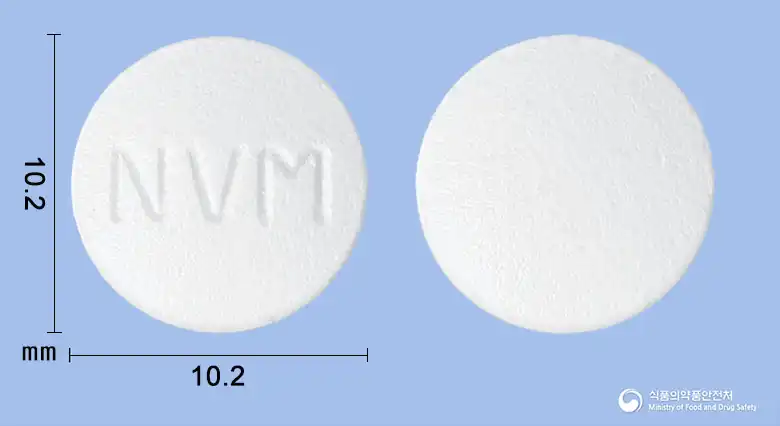
White round film-coated tablets
500 tablets/bottle, 1000 tablets/bottle
Even with the same ingredient, strength, dosage form and how it is taken can differ.
Viewing nowSodium Bicarbonate 500mg
Tablet · OTC medication
Nova M Healthcare Co., Ltd.
Sodium Bicarbonate 84mg
Injections · Prescription medication
Dae Won Pharmaceutical Co., Ltd.
Sodium Bicarbonate 84mg
Injections · Prescription medication
Jeil Pharmaceutical Co., Ltd.
Sodium Bicarbonate 7g
Solution · Prescription medication
JW Pharmaceutical Corp.
Sodium Bicarbonate 1g
Prescription medication
Vantiv Korea Co., Ltd.
Sodium Bicarbonate 5.83g
Solution · Prescription medication
JW Pharmaceutical Corp.
Sodium Bicarbonate 1g
Prescription medication
Fresenius Medical Care Korea Co., Ltd.
Sodium Bicarbonate 84mg
Injections · Prescription medication
Daehan Pharmaceutical Industry Co., Ltd.
Even with the same ingredient, the dose and directions can differ by strength and dosage form. Talk to a doctor or pharmacist before switching from a medication you are already taking.
QI experience burping and a bloated stomach after taking it.
Answers 1 · 2026.09.14
QCan this medication be taken if I have gout?
Answers 1 · 2026.09.14
QCan I take it with milk?
Answers 1 · 2026.09.14
For anything that needs medical judgment, consult a doctor or pharmacist.
This drug information is based on data provided by the Korea Ministry of Food and Drug Safety.
Consult a doctor or pharmacist for accurate dosage, administration, and usage instructions.