
 한국어
한국어 English
 日本語
日本語 中文(简体)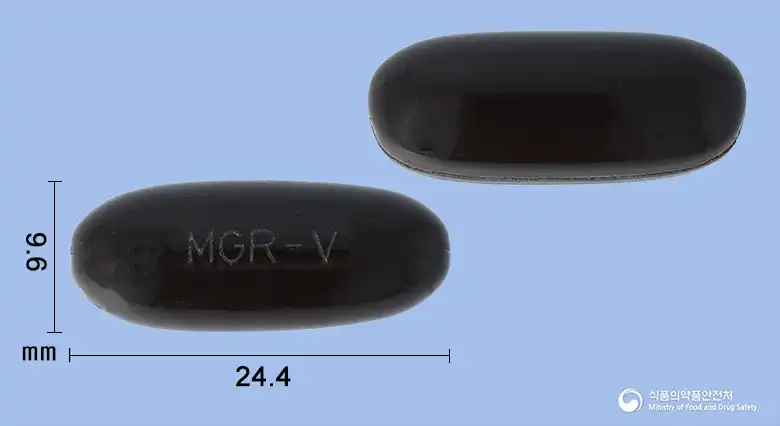
Summary
- Main use
- Relief of Vitamin E (peripheral blood circulation disorders, menopausal symptoms), relief of Vitamin B1 (neuralgia, muscle pain), relief of Vitamin B2·B6 (stomatitis, dermatitis, etc.)
- Who takes it
- Adults
- Adult dose
- Individuals 12 years and older and adults: Take 1 capsule twice a day.
Ingredients
- Magnesium Oxide350mg / 1 capsule
- Tocopherol Acetate450mg / 1 capsule
- Benfotiamine50mg / 1 capsule
- Riboflavin25mg / 1 capsule
- Pyridoxine Hydrochloride50mg / 1 capsule
- Cyanocobalamin0.5mg / 1 capsule
- Gamma-Oryzanol5mg / 1 capsule
- Zinc Oxide10mg / 1 capsule
- Selenium In Dried Yeast38.462mg / 1 capsule
- Manufacturer
- 동아제약(주)
Efficacy & effects
Relief of Vitamin E (peripheral blood circulation disorders, menopausal symptoms), relief of Vitamin B1 (neuralgia, muscle pain), relief of Vitamin B2·B6 (stomatitis, dermatitis, etc.)
- Physical fatigue
- decreased stamina
- peripheral blood circulation disorders
- shoulder stiffness
- neck stiffness
- numbness in hands and feet
- cold extremities
- neuralgia
- muscle pain
- joint pain
- lower back pain
- shoulder stiffness
View approved original textHide original text
This medication supports body health by supplying vitamins E, B1, B2, and B6 in various situations such as physical fatigue, during pregnancy and lactation, during illness and recovery, and in old age. Vitamin E helps improve blood circulation and alleviate menopausal symptoms, and is especially effective for easing stiffness in the shoulders and neck and coldness in the hands and feet. Vitamin B1 is effective in relieving neuralgia, muscle pain, and joint pain, as well as improving fatigue in the eyes. Vitamins B2 and B6 alleviate symptoms such as inflammation around the mouth (angular cheilitis, cheilitis, stomatitis, glossitis) and dermatitis, eczema, etc. It is also used to alleviate muscle cramps due to zinc supplementation and magnesium deficiency. This is a medication that helps improve overall body condition.
How to take
Adult dose
Individuals 12 years and older and adults: Take 1 capsule twice a day.
Precautions
This medication should not be taken by individuals who are allergic to this medication or its components. Moreover, it should be avoided by infants under 12 months of age, patients with severe renal impairment, and individuals who are allergic to soybean oil, soybeans, or peanuts. It is crucial to avoid taking this medication concurrently with phosphates, calcium salts, oral tetracycline antibiotics, antacids, and medications like levodopa. Patients under 1 year of age, those currently receiving treatment, pregnant women or women of childbearing potential, nursing mothers, premature infants, patients with gastrointestinal diseases, cardiovascular patients, renal impairment patients, patients with hypoproteinemia, and patients with lipid metabolism issues should consult a doctor or pharmacist before taking this medication. If unusual symptoms such as gastrointestinal discomfort, diarrhea, constipation, rash, nausea, vomiting, dermatitis, hair loss, hypotension, or respiratory distress occur while taking this medication, treatment should be stopped immediately, and a specialist should be consulted. If menstrual flow increases significantly or bleeding persists, medical attention should be sought. Women taking estrogen-containing oral contraceptives or patients at risk of thrombosis should exercise caution, as the risk of thrombosis may increase with Vitamin E intake. Additionally, prolonged high-dose pyridoxine administration may lead to neurological damage, so care should be taken. Patients with folic acid deficiency who take excessive doses of Vitamin B12 may experience hematological abnormalities; they should consult with a specialist. In case of overdose, symptoms such as nausea, vomiting, edema, and heart failure may occur, so the prescribed dosage and frequency must be strictly adhered to. Supervision by a guardian is required when administering to children, and it is advisable to avoid tannin-containing beverages such as green tea or black tea during the treatment. This medication can change urine color to yellow, which may influence certain clinical test results, so it should be noted. Patients at risk of a lipid overload should monitor plasma lipid levels and adjust dosages accordingly if necessary, especially when taking other lipid medications. When storing, keep out of reach of children, avoid direct sunlight and moisture, and store in a cool, sealed location. It is also essential not to transfer this medication to other containers to prevent misuse and maintain quality.
Side effects and when to seek care immediately
Serious side effects
Cardiac arrest (cardiac rhythm disturbance), central nervous system depression
Mild side effects
Gastrointestinal discomfort, diarrhea, constipation, rash, redness, nausea, vomiting, loose stools, red spots, dermatitis, odor during sweating or breathing, hair loss, restlessness, gastrointestinal disturbances, digestive disorders, upper abdominal pain, hypotension, pulmonary edema, menstrual changes, increased risk of thrombosis, sensory neuropathy or neurological symptoms, hematological abnormalities, gastrointestinal symptoms, hypernatremia, congestive heart failure, edema, hyperkalemia
Not everyone experiences these, and they can vary from person to person.
Interactions
Drug interactions
This medication should not be taken concurrently with phosphates, calcium salts, oral tetracycline preparations, antacids, and levodopa. Caution should be taken when used with aldosterone antagonists or triamterene due to the risk of hyperkalemia. Women using oral contraceptives containing estrogen or patients with a predisposition to thrombosis may have an increased risk of thrombosis when taking Vitamin E.
Food interactions
This medication may interact with tannin-containing beverages such as green tea or black tea; therefore, it should be avoided around the time of taking the medication.
Storage
This medication should be stored in a tightly sealed container to prevent air or moisture from entering. It is best to maintain a storage temperature between 1°C and 30°C at room temperature.
Appearance and packaging
Appearance
Brownish-black oblong soft capsules containing yellow contents
Package unit
10 capsules/PTP, 60 capsules/box [(10 capsules/PTP X 6)]
Questions about this medicine
QI feel like my hair is falling out while taking this.
Hair loss is one of the adverse reactions listed in the approved indications. If this occurs along with dermatitis or foul odor during sweating or breathing, stop taking the medication immediately and consult with a doctor or pharmacist.
Answers 1 · 2026.09.14
QHow many capsules should I take in a day?
For individuals aged 12 and above, the recommended dosage is 1 capsule twice a day. If you accidentally overdose, stop taking the medication and consult a doctor or pharmacist.
Answers 1 · 2026.09.14
QI've heard that taking Vitamin E can increase the risk of blood clots; is that true?
It is indicated that women taking oral contraceptives containing estrogen or those with a tendency for thrombosis may have an increased risk of thrombosis when taking Vitamin E. If this applies to you, please consult your doctor before taking the medication.
Answers 1 · 2026.09.14
For anything that needs medical judgment, consult a doctor or pharmacist.