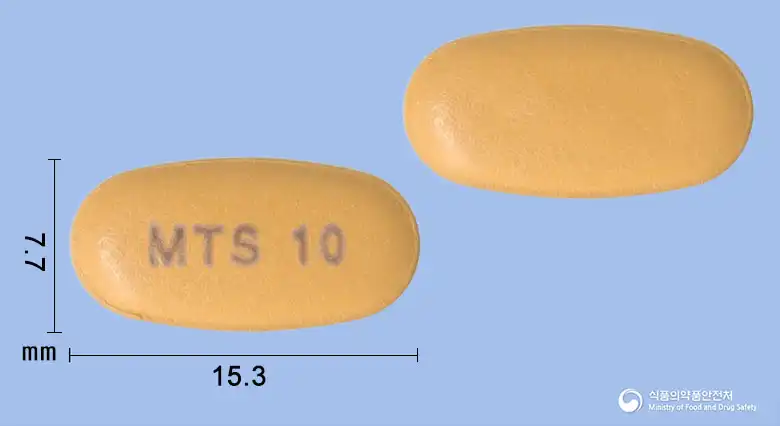
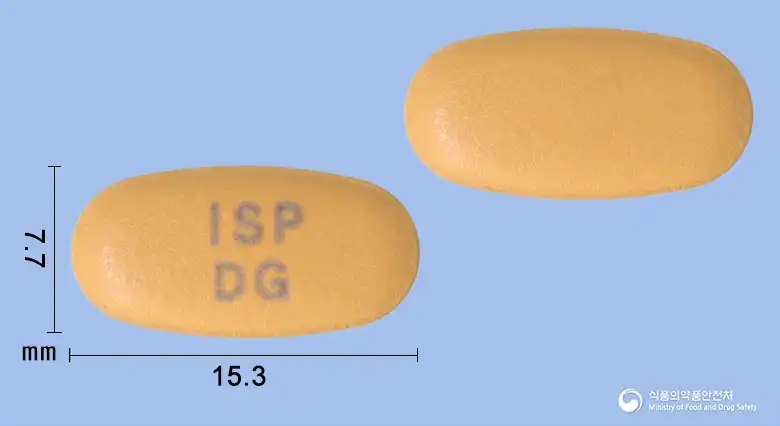
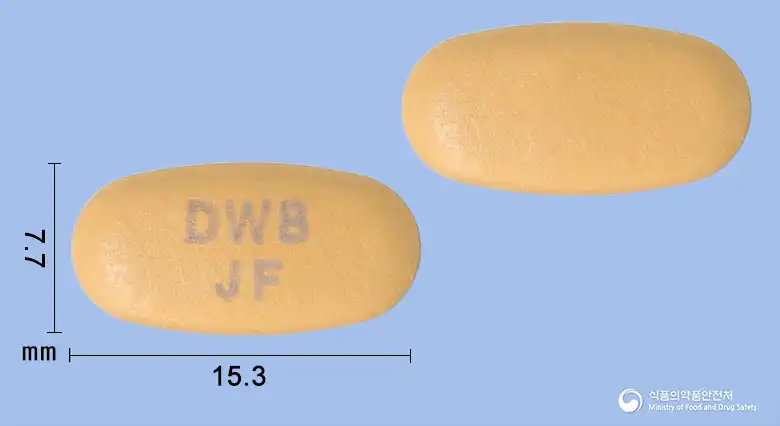
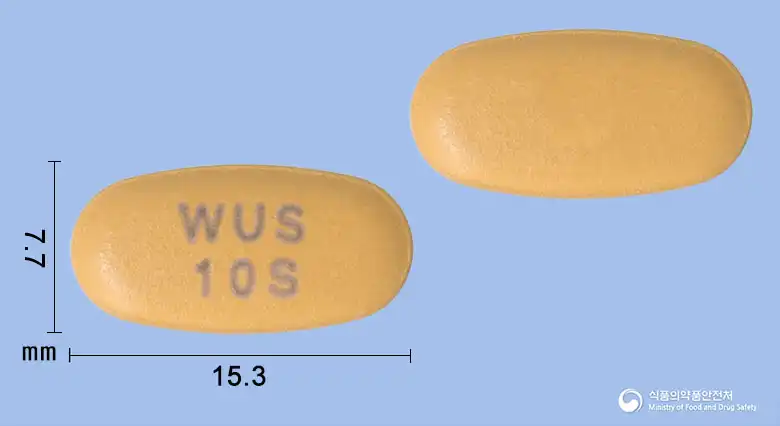
28 tablets/box [(7 tablets/PTP x 4)], 30 tablets/box [(10 tablets/PTP x 3)]
Approval status
Active
MFDS item code 202200496 · Approved 2022.01.28
Summary
Main use
Improvement in blood sugar control for type 2 diabetes
Who uses it
Adults
Adult dosage
This medication can be administered to patients taking sitagliptin 100 mg and dapagliflozin 10 mg as a 1 tablet daily regardless of meals. The tablet should be swallowed whole.
Improvement in blood sugar control for type 2 diabetes
View approved original textHide original text
This medication is used to assist in blood sugar control for patients with type 2 diabetes. It plays a supportive role in blood sugar management, especially when combined with meal and exercise therapies. The two components, sitagliptin and dapagliflozin, work together to effectively lower blood sugar levels. Consistent use of this medication will greatly help patients in managing their blood sugar levels. Therefore, it improves blood sugar management in patients with type 2 diabetes.
Dosage and Administration
Adult dosage
This medication can be administered to patients taking sitagliptin 100 mg and dapagliflozin 10 mg as a 1 tablet daily regardless of meals. The tablet should be swallowed whole.
Precautions
This medication is a combination drug that contains sitagliptin and dapagliflozin and is used for the treatment of type 2 diabetes.
First, this drug may cause serious allergic reactions in some patients, so if symptoms such as skin rash, anaphylaxis, or angioedema appear within three months of starting therapy, users should immediately discontinue use and consult a healthcare professional.
Furthermore, a serious side effect called pancreatitis, which involves inflammation of the pancreas, may occur, so if symptoms such as severe abdominal pain, vomiting, or fever develop during usage, patients should seek medical attention immediately.
This medication should not be used in patients with type 1 diabetes, diabetic ketoacidosis, specific genetic issues like lactose intolerance, or those undergoing dialysis.
Patients with reduced kidney function, decreased fluid volume, or elderly patients should use this medication with caution, and kidney function, blood pressure, and fluid status should be thoroughly checked and monitored before and during treatment.
This drug may increase the risk of genital infections and urinary tract infections; therefore, it is important to seek prompt treatment if infection symptoms appear.
Due to the risk of hypoglycemia, particularly when used in combination with insulin or sulfonylureas, blood sugar levels should be frequently monitored, and medication dosages adjusted as necessary.
During treatment, attention should be paid to signs of dehydration, hypotension, or symptoms of ketoacidosis (such as nausea, vomiting, abdominal pain, and difficulty breathing), and if suspected, immediate consultation with a physician is advised.
It is recommended that women who are pregnant or breastfeeding refrain from using this medication; if pregnancy is confirmed, use should be discontinued immediately.
Safety and efficacy in children under 18 years of age have not been established, so it is advisable not to use this medication in that population.
In case of overdose, patients should promptly visit a medical institution for appropriate treatment, and side effects of this medication may include weight loss, decreased blood pressure, headache, back pain, dry mouth, constipation, and itching.
Caution is needed while driving or operating machinery during treatment, especially in cases of hypoglycemia.
Finally, this medication should be stored in its original container and kept safely out of reach of children.
Not everyone experiences these, and they can vary from person to person.
Storage
This medication may be sensitive to air or moisture, so it should be stored in a tightly sealed container. Additionally, it should be kept away from extremely hot or cold places, and it is safe to store it at room temperature between 1 and 30 degrees Celsius.
Appearance and packaging
Appearance
Yellow oblong film-coated tablet
Package unit
28 tablets/box [(7 tablets/PTP x 4)], 30 tablets/box [(10 tablets/PTP x 3)]
Same-ingredient medicines
Even with the same ingredient, strength, dosage form and how it is taken can differ.
Even with the same ingredient, the dose and directions can differ by strength and dosage form. Talk to a doctor or pharmacist before switching from a medication you are already taking.
Questions about this medicine
No questions yet.
For anything that needs medical judgment, consult a doctor or pharmacist.
This drug information is based on data provided by the Korea Ministry of Food and Drug Safety. Consult a doctor or pharmacist for accurate dosage, administration, and usage instructions.

 한국어
한국어 English
 日本語
日本語 中文(简体)