
 한국어
한국어 English
 日本語
日本語 中文(简体)
Dosage form image
Viewing nowCombinationPachycombi Tablet 10/100 mg
Sitagliptin Hydrochloride Hydrate 113.4mg · Dapagliflozin citric acid 14.7mg
Tablet · Prescription medication · Combination
Korean Pavis Pharmaceuticals Co., Ltd.
MFDS item code 202200494 · Approved 2022.01.28
Improvement of blood sugar control in type 2 diabetes
This medication is used to assist in blood sugar control for patients with type 2 diabetes undergoing dietary and exercise therapy. It is particularly suitable for patients receiving combination therapy of sitagliptin and dapagliflozin, effectively improving blood glucose levels.
This medication can be administered as 1 tablet once daily to patients receiving 100 mg of sitagliptin and 10 mg of dapagliflozin, regardless of meals. The tablet should be swallowed whole.
This medication contains sitagliptin and dapagliflozin and is used for diabetes treatment. First, the sitagliptin component may rarely cause serious allergic reactions, so if symptoms such as rash, itching, or difficulty breathing occur, discontinue use immediately and consult a doctor. Additionally, pancreatitis, which is inflammation of the pancreas, has been reported, so if symptoms such as abdominal pain, vomiting, or nausea occur, seek medical attention immediately. Next, the dapagliflozin component may cause dehydration leading to low blood pressure, so caution is especially necessary for elderly patients with reduced kidney function or those on diuretics. If symptoms of dehydration or low blood pressure occur while taking this medication, inform your doctor. Furthermore, dapagliflozin may cause serious metabolic abnormalities such as acute pancreatitis and diabetic ketoacidosis, so if symptoms such as abdominal pain, vomiting, difficulty breathing, or fatigue occur, visit a medical institution immediately. This medication can increase the risk of urinary and genital infections, so if infection symptoms occur, seek prompt treatment, especially in patients with a history of infections. Occasionally, severe infections can occur in the perineum; therefore, if swelling, pain, or redness occurs in the perineum, consult a doctor immediately. This medication should not be used in patients with certain genetic disorders, type 1 diabetes, or those undergoing dialysis, and should be avoided by women who are pregnant or breastfeeding. There is a risk of hypoglycemia while taking this medication, so if taken in conjunction with other hypoglycemic agents such as insulin or sulfonylureas, blood sugar changes should be closely monitored, and dose adjustments may be necessary. Finally, this medication has not established its safety and efficacy in children under 18 years of age and should not be used in this population. It is important to consult healthcare professionals immediately if any abnormal symptoms occur while taking this medication.
Urticaria, severe swelling (edema), chest tightness, difficulty breathing, cold sweat, paleness, severe rash with fever, blisters, skin peeling, oral/ocular mucosal pain, dyspnea or difficulty breathing, asthma attack, coughing with fever and respiratory abnormalities, jaundice (yellowing of the skin or eyes), severe lethargy, sudden and extreme headache, lightning headache, seizures, confusion, visual disturbances, paralysis, urination changes
Hypoglycemia, reduced blood volume, dry mouth, constipation, back pain, polyuria, nocturia, vulvar itching, genital itching, increased hematocrit, decreased renal creatinine clearance at the start of treatment, dyslipidemia, elevated blood creatinine, elevated blood urea, weight loss, dizziness, hypersensitivity, dyspepsia, nausea, diarrhea, vomiting, weakness, pain, hunger, itching, urticaria, cold sweat, arthralgia, musculoskeletal pain
Not everyone experiences these, and they can vary from person to person.
This medication is sensitive to air and moisture, so it should be stored in a tightly sealed container. It is best stored at room temperature between 1 degree and 30 degrees Celsius.
Yellow rectangular film-coated tablet
28 tablets/box [7 tablets/PTP*4], 30 tablets/box [10 tablets/PTP*3]
Even with the same ingredient, strength, dosage form and how it is taken can differ.
Sitagliptin Hydrochloride Hydrate 113.4mg · Dapagliflozin citric acid 14.7mg
Tablet · Prescription medication · Combination
Korean Pavis Pharmaceuticals Co., Ltd.
Sitagliptin Hydrochloride Hydrate 113.4mg · Dapagliflozin citric acid 14.7mg
Tablet · Prescription medication · Combination
Daewon Pharmaceutical Co., Ltd.
Sitagliptin Hydrochloride Hydrate 113.4mg · Dapagliflozin citric acid 14.7mg
Tablet · Prescription medication · Combination
Genewon Science Co., Ltd.
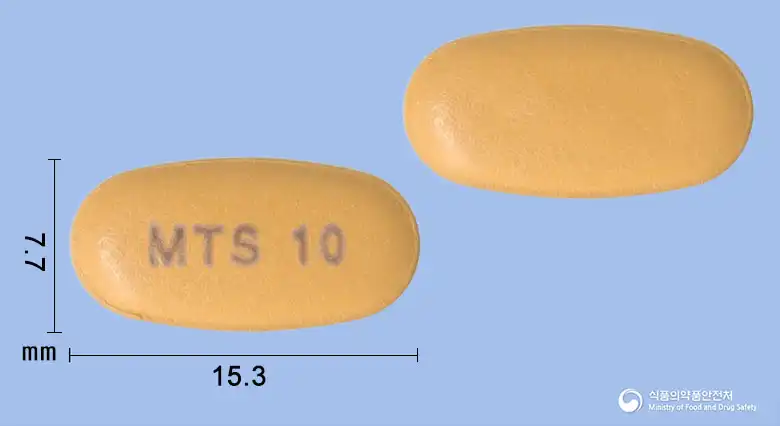 Combination
Sitagliptin Hydrochloride Hydrate 113.4mg · Dapagliflozin citric acid 14.7mg
Tablet · Prescription medication · Combination
Mothers Pharmaceutical Co., Ltd.
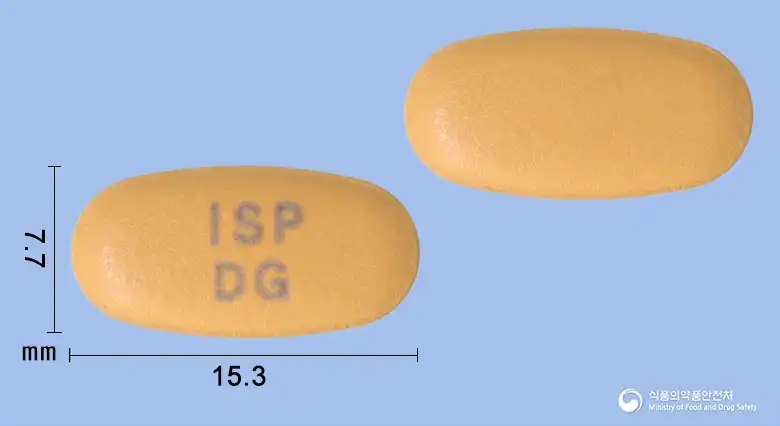 Combination
Sitagliptin Hydrochloride Hydrate 113.4mg · Dapagliflozin citric acid 14.7mg
Tablet · Prescription medication · Combination
Ilsung IS Co., Ltd.
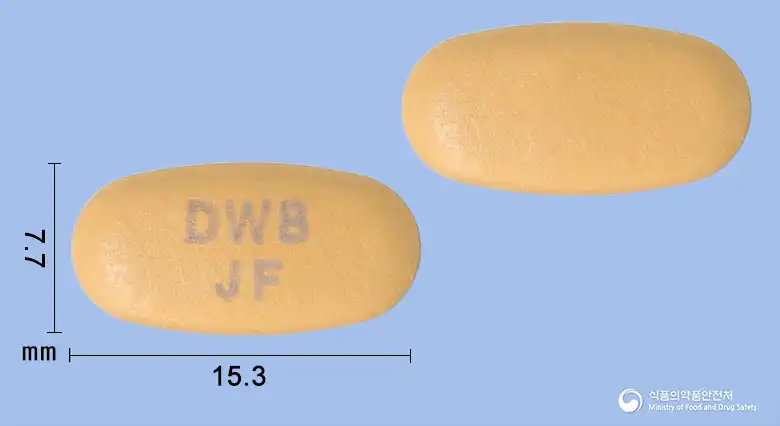 Combination
Sitagliptin Hydrochloride Hydrate 113.4mg · Dapagliflozin citric acid 14.7mg
Tablet · Prescription medication · Combination
Daewoong Bio Co., Ltd.
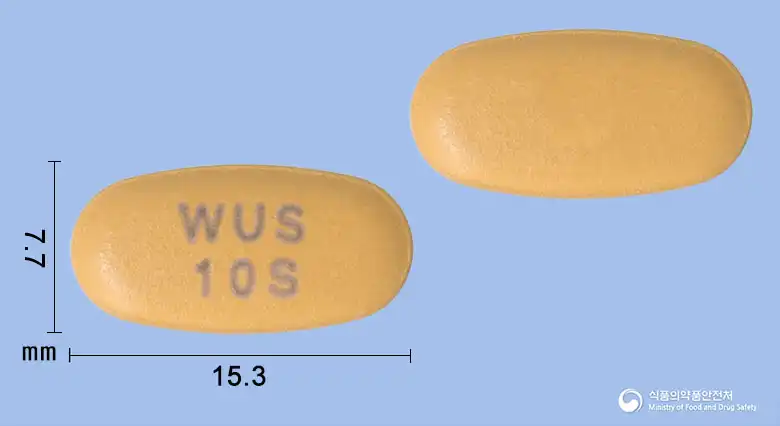 Combination
Sitagliptin Hydrochloride Hydrate 113.4mg · Dapagliflozin citric acid 14.7mg
Tablet · Prescription medication · Combination
Withus Pharmaceutical Co., Ltd.
Sitagliptin Hydrochloride Hydrate 113.4mg · Dapagliflozin citric acid 14.7mg
Tablet · Prescription medication · Combination
Hanlim Pharmaceutical Co., Ltd.
Even with the same ingredient, the dose and directions can differ by strength and dosage form. Talk to a doctor or pharmacist before switching from a medication you are already taking.
No questions yet.
For anything that needs medical judgment, consult a doctor or pharmacist.
This drug information is based on data provided by the Korea Ministry of Food and Drug Safety.
Consult a doctor or pharmacist for accurate dosage, administration, and usage instructions.