
 한국어
 English
 日本語
 中文(简体)
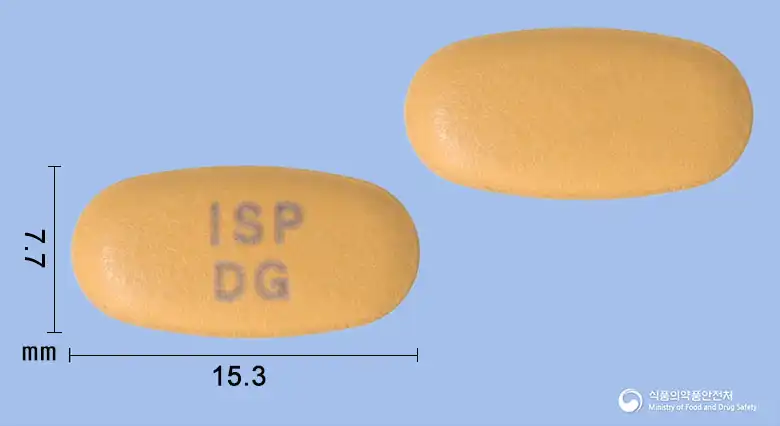 Viewing nowCombination
Dapagliflozin and Sitagliptin Tablets 10/100 mg
Sitagliptin Hydrochloride Hydrate 113.4mg · Dapagliflozin citric acid 14.7mg
Tablet · Prescription medication · Combination
Ilsung IS Co., Ltd.
MFDS item code 202200489 · Approved 2022.01.28 · Insurance code 655404360
Improvement of glycemic control in patients with type 2 diabetes mellitus
This medication is developed to assist patients with type 2 diabetes in controlling their blood sugar when used alongside diet and exercise. The combination of sitagliptin and dapagliflozin improves blood sugar regulation, allowing for more effective treatment. This medication stabilizes patients’ blood sugar levels and supports blood sugar management in daily life. When used consistently, it can significantly aid in managing diabetes. Therefore, this medication is used for blood sugar control in type 2 diabetes.
This medicine may be administered as 1 tablet once daily, with or without food, to patients receiving sitagliptin 100 mg and dapagliflozin 10 mg. The tablet should be swallowed whole. Patients with renal impairment The efficacy and safety of this medicine vary according to renal function. Renal function should be assessed before treatment with this medicine and periodically thereafter. - No dose adjustment is necessary if the estimated glomerular filtration rate (eGFR) is 45 mL/min/1.73m2 or higher. - Do not administer this medicine if the estimated glomerular filtration rate (eGFR) is below 45 mL/min/1.73 m2. Patients with hepatic impairment No dose adjustment is necessary for patients with mild or moderate hepatic impairment. Use of this medicine is not recommended in patients with severe hepatic impairment.
This medication may cause allergic reactions; therefore, if symptoms such as skin rashes or difficulty breathing occur after administration, stop taking the medication immediately and consult a doctor. This medication carries a risk of severe pancreatitis, so if symptoms of abdominal pain, nausea, or vomiting appear during treatment, seek medical attention immediately. This medication should not be used in patients with allergies to certain components, type 1 diabetes patients, those with lactose intolerance, and patients undergoing dialysis. Patients with reduced fluid volume or impaired renal function should consult a physician before taking this medication, and should periodically check for symptoms of hypotension or changes in renal function during treatment. This medication may increase the risk of genital and urinary tract infections; therefore, if symptoms of infection occur, immediate treatment should be sought, and patients with a history of infections should use caution. Hypoglycemic symptoms may occur while taking this medication, especially when used in combination with insulin or sulfonylurea, so blood sugar levels should be checked frequently and symptoms closely monitored. Women who are pregnant or planning to become pregnant should avoid using this medication, and nursing women should also refrain from taking it. Elderly patients may experience decreased renal function, so regular renal function testing is recommended before and during treatment with this medication. There is no specific antidote for overdose of this medication; thus, appropriate treatment should be provided according to symptoms, following a doctor's instructions. Precautions should be taken when driving or operating machinery due to the risk of hypoglycemia, especially when combined with other hypoglycemic agents.
Not everyone experiences these, and they can vary from person to person.
This medication can be sensitive to air or humidity, so it should be stored in a tightly sealed container. It is best to keep it at room temperature between 1°C and 30°C. This helps maintain the effectiveness of the medication for a longer period.
Yellow oval film-coated tablet
30 tablets/box - 30 tablets/box[(10 tablets/PTP x 3)], 28 tablets/box - 28 tablets/box[(7 tablets/PTP x 4)]
Even with the same ingredient, strength, dosage form and how it is taken can differ.
Viewing nowCombinationSitagliptin Hydrochloride Hydrate 113.4mg · Dapagliflozin citric acid 14.7mg
Tablet · Prescription medication · Combination
Ilsung IS Co., Ltd.
Sitagliptin Hydrochloride Hydrate 113.4mg · Dapagliflozin citric acid 14.7mg
Tablet · Prescription medication · Combination
Daewon Pharmaceutical Co., Ltd.
Sitagliptin Hydrochloride Hydrate 113.4mg · Dapagliflozin citric acid 14.7mg
Tablet · Prescription medication · Combination
Genewon Science Co., Ltd.
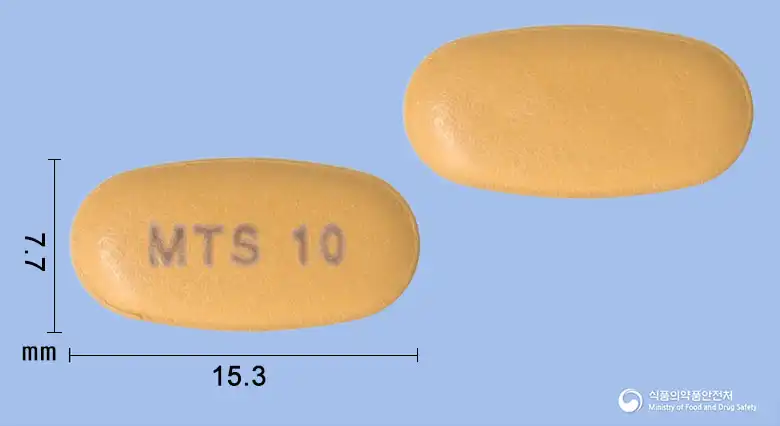 Combination
Sitagliptin Hydrochloride Hydrate 113.4mg · Dapagliflozin citric acid 14.7mg
Tablet · Prescription medication · Combination
Mothers Pharmaceutical Co., Ltd.
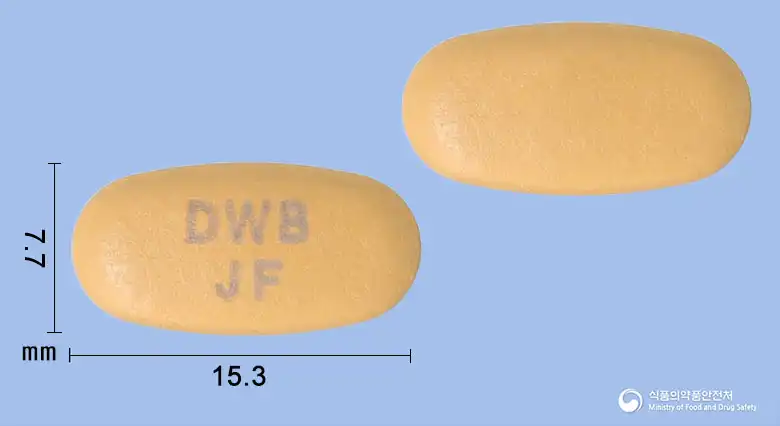 Combination
Sitagliptin Hydrochloride Hydrate 113.4mg · Dapagliflozin citric acid 14.7mg
Tablet · Prescription medication · Combination
Daewoong Bio Co., Ltd.
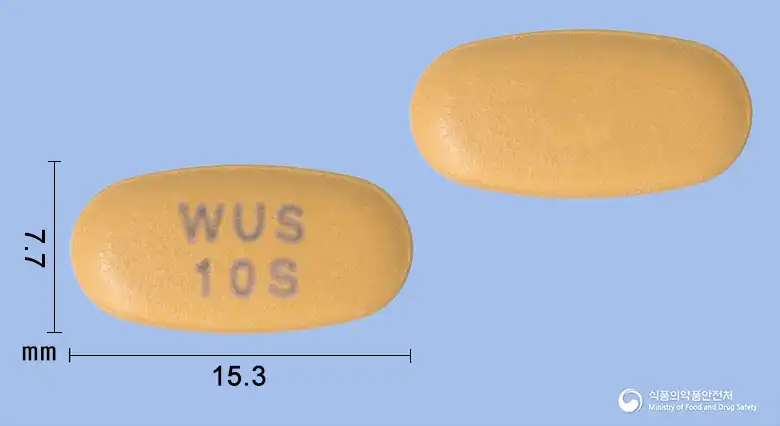 Combination
Sitagliptin Hydrochloride Hydrate 113.4mg · Dapagliflozin citric acid 14.7mg
Tablet · Prescription medication · Combination
Withus Pharmaceutical Co., Ltd.
Sitagliptin Hydrochloride Hydrate 113.4mg · Dapagliflozin citric acid 14.7mg
Tablet · Prescription medication · Combination
Hanlim Pharmaceutical Co., Ltd.
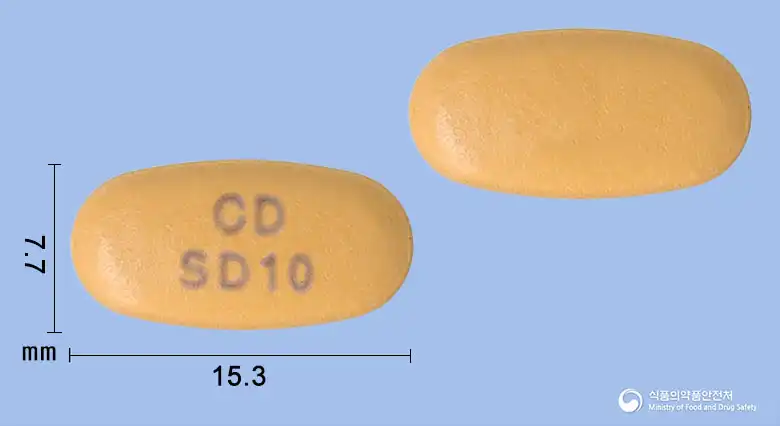 Combination
Sitagliptin Hydrochloride Hydrate 113.4mg · Dapagliflozin citric acid 14.7mg
Tablet · Prescription medication · Combination
Chodang Pharmaceutical Co., Ltd.
Even with the same ingredient, the dose and directions can differ by strength and dosage form. Talk to a doctor or pharmacist before switching from a medication you are already taking.
No questions yet.
For anything that needs medical judgment, consult a doctor or pharmacist.
This drug information is based on data provided by the Korea Ministry of Food and Drug Safety.
Consult a doctor or pharmacist for accurate dosage, administration, and usage instructions.