
 한국어
한국어 English
 日本語
日本語 中文(简体)
 Viewing nowCombination
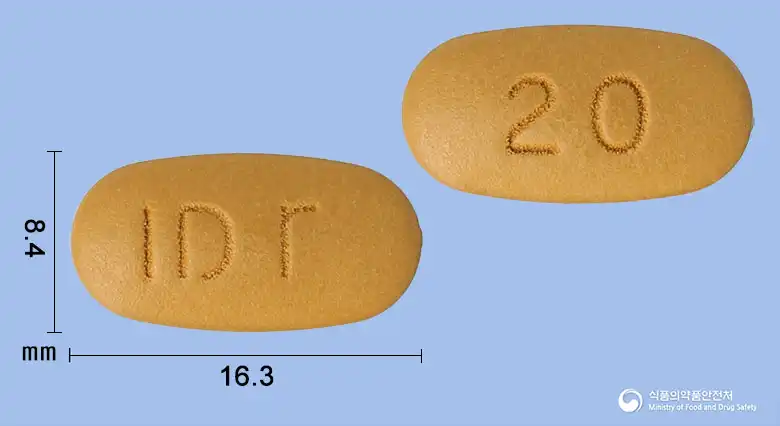
Rabiet Duo Tablet 20/500 mg
Sodium Bicarbonate 500mg · Rabeprazole Sodium 20mg
Tablet · Prescription medication · Combination
Ildong Pharmaceutical Co., Ltd.
MFDS item code 202200474 · Approved 2022.01.27 · Insurance code 642906640
Treatment of gastric ulcer and duodenal ulcer, alleviation of symptoms of gastroesophageal reflux disease and maintenance therapy
This medication is used to treat gastric ulcer and duodenal ulcer. It also helps in the treatment of erosive or ulcerative gastroesophageal reflux disease. It alleviates symptoms caused by gastroesophageal reflux disease, reducing discomfort for patients. It can also be used for long-term maintenance therapy, effectively preventing recurrence. Overall, it is used in the treatment of ulcers and gastroesophageal reflux disease in the gastrointestinal tract.
1) Gastric ulcer, duodenal ulcer: Typically, adults take 10/500 mg once daily orally. Depending on symptoms, 20/500 mg may be taken once daily. Generally, gastric ulcers are treated for up to 8 weeks, and duodenal ulcers for up to 6 weeks. 2) Erosive or ulcerative gastroesophageal reflux disease: Take 10/500 mg or 20/500 mg once daily for 4 to 8 weeks. If proton pump inhibitors (PPIs) are ineffective after 8 weeks of treatment, an additional 8 weeks of 10/500 mg or 20/500 mg may be administered orally twice daily; however, this is limited to patients with severe mucosal damage.
Safety for children has not been established.
This medication should not be administered to certain patients. First, it must not be given to patients with allergies or a history of hypersensitivity to this drug or its ingredients. Second, this medication should not be used in patients taking atazanavir. Third, pregnant women or nursing mothers should not take this medication. Fourth, it must not be administered to patients taking rilpivirine. This medication should be used cautiously in some patients. Patients with impaired liver function, elderly patients, those with a history of drug allergies, patients with severe gastrointestinal ulcers, patients with impaired kidney function, patients with weak heart or lung function, and patients with electrolyte imbalances require special caution. Additionally, patients who must restrict sodium intake should also exercise caution when using this medication. Various side effects can occur during the use of this medication. Allergic reactions such as skin rash, itching, and hives may occur, and if such symptoms appear, usage must be discontinued immediately. A range of side effects has been reported, including blood-related abnormalities, liver function issues, heart problems, gastrointestinal symptoms, neurological issues, respiratory problems, muscle pain, joint pain, skin problems, eye problems, and urinary system issues. If any of these symptoms occur, the patient should consult a healthcare professional to take appropriate measures. This medication suppresses gastric acid secretion, and long-term use may slightly increase the risk of gastrointestinal infections due to bacterial overgrowth in the stomach. In particular, if diarrhea persists, infection with Clostridium difficile should be suspected. This medication does not significantly affect the ability to drive or operate machinery; however, caution is advised as drowsiness may occur. This medication may interact with other drugs; thus, it is essential to consult healthcare professionals when taking it alongside warfarin, methotrexate, atazanavir, rilpivirine, etc. Pregnant or breastfeeding women should not take this medication, and those planning to conceive or who may be pregnant must consult a doctor. Elderly individuals face a higher risk of side effects due to decreased liver function; therefore, immediate consultation with a medical professional is necessary if symptoms occur. Safety for children has not been established, and there is insufficient experience in use, so caution should be exercised when administering to children. This medication should be swallowed whole and not chewed or crushed. When storing, keep out of reach of children and do not transfer to another container. Long-term use of this medication may lead to vitamin B12 absorption issues due to hypoacidity; thus, regular monitoring is necessary for prolonged use. If any unusual symptoms occur during use, the patient should inform healthcare professionals immediately for proper examination and treatment.
Hives, severe swelling (edema), chest tightness, difficulty breathing, cold sweat, pallor, severe rash with fever, blisters, skin shedding, mucous membrane pain in mouth/eyes, shortness of breath or difficulty breathing, asthma attacks, respiratory issues accompanied by coughing and fever, yellowing of the skin or eyes (jaundice), severe general malaise, sudden and severe headache, thunderclap headache, seizures, confusional state, vision changes, paralysis, urination problems
Not everyone experiences these, and they can vary from person to person.
This medication must be stored in a tightly sealed container to prevent air or moisture from entering. It is recommended to maintain a storage temperature between 1 and 30 degrees Celsius to preserve the effectiveness of the medication.
Yellow-brown, egg-shaped film-coated tablets
28 tablets/bottle
Even with the same ingredient, strength, dosage form and how it is taken can differ.
Viewing nowCombinationSodium Bicarbonate 500mg · Rabeprazole Sodium 20mg
Tablet · Prescription medication · Combination
Ildong Pharmaceutical Co., Ltd.
 Combination
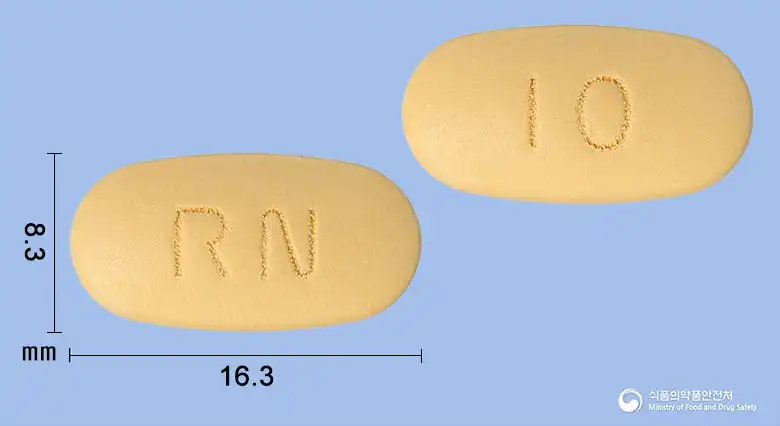
Sodium Bicarbonate 500mg · Rabeprazole Sodium 10mg
Tablet · Prescription medication · Combination
Youngjin Pharmaceutical Co., Ltd.
 Combination
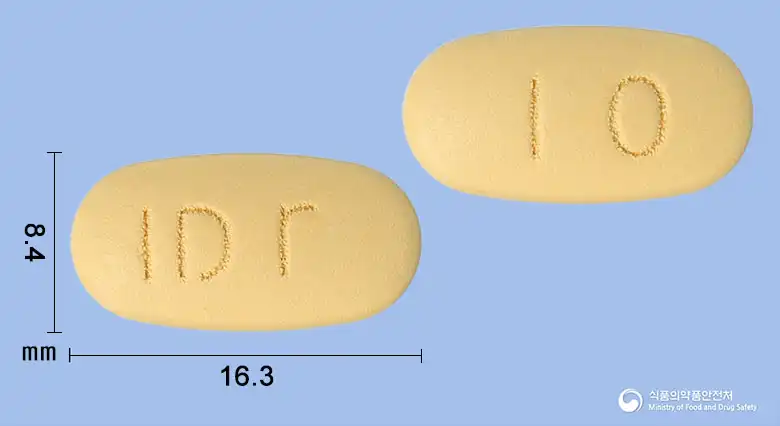
Sodium Bicarbonate 500mg · Rabeprazole Sodium 10mg
Tablet · Prescription medication · Combination
Ildong Pharmaceutical Co., Ltd.
 Combination
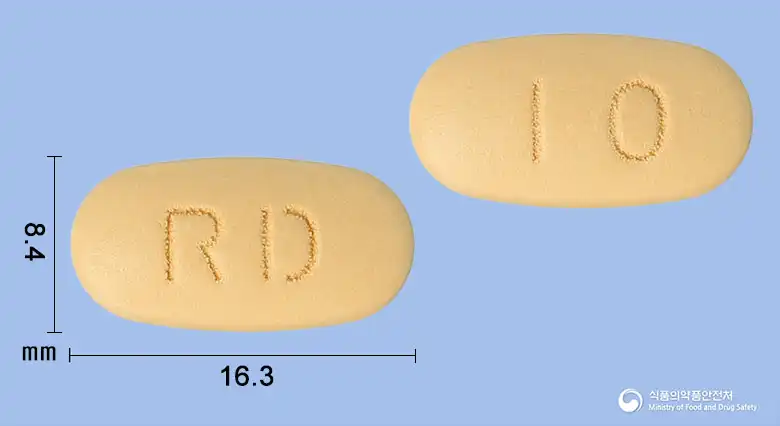
Sodium Bicarbonate 500mg · Rabeprazole Sodium 10mg
Tablet · Prescription medication · Combination
Samjin Pharmaceutical Co., Ltd.
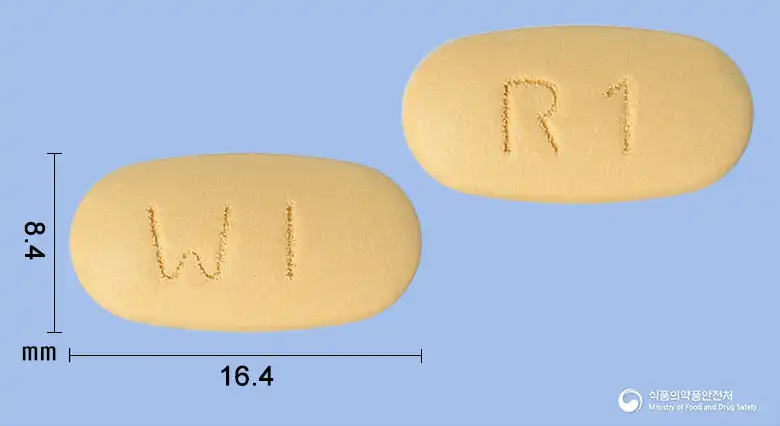 Combination
Sodium Bicarbonate 500mg · Rabeprazole Sodium 10mg
Tablet · Prescription medication · Combination
Hwanin Pharmaceutical Co., Ltd.
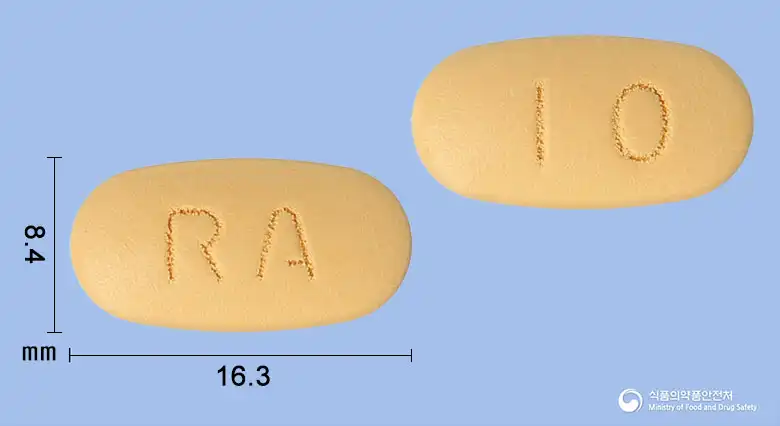 Combination
Sodium Bicarbonate 500mg · Rabeprazole Sodium 10mg
Tablet · Prescription medication · Combination
Donghwa Pharmaceutical Co., Ltd.
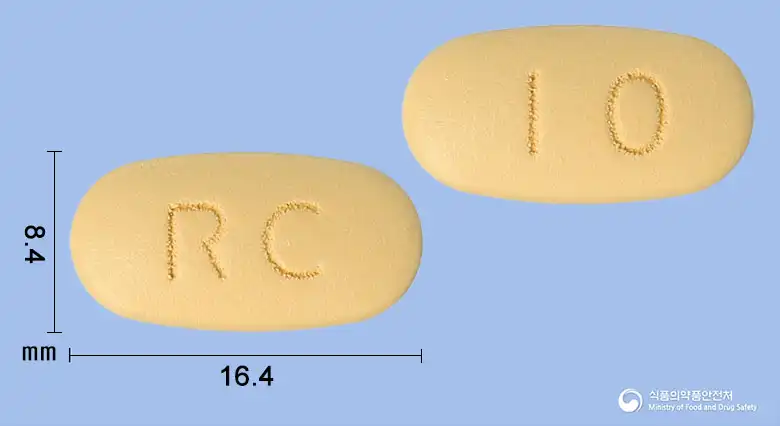 Combination
Sodium Bicarbonate 500mg · Rabeprazole Sodium 10mg
Tablet · Prescription medication · Combination
Dong-A ST Co., Ltd.
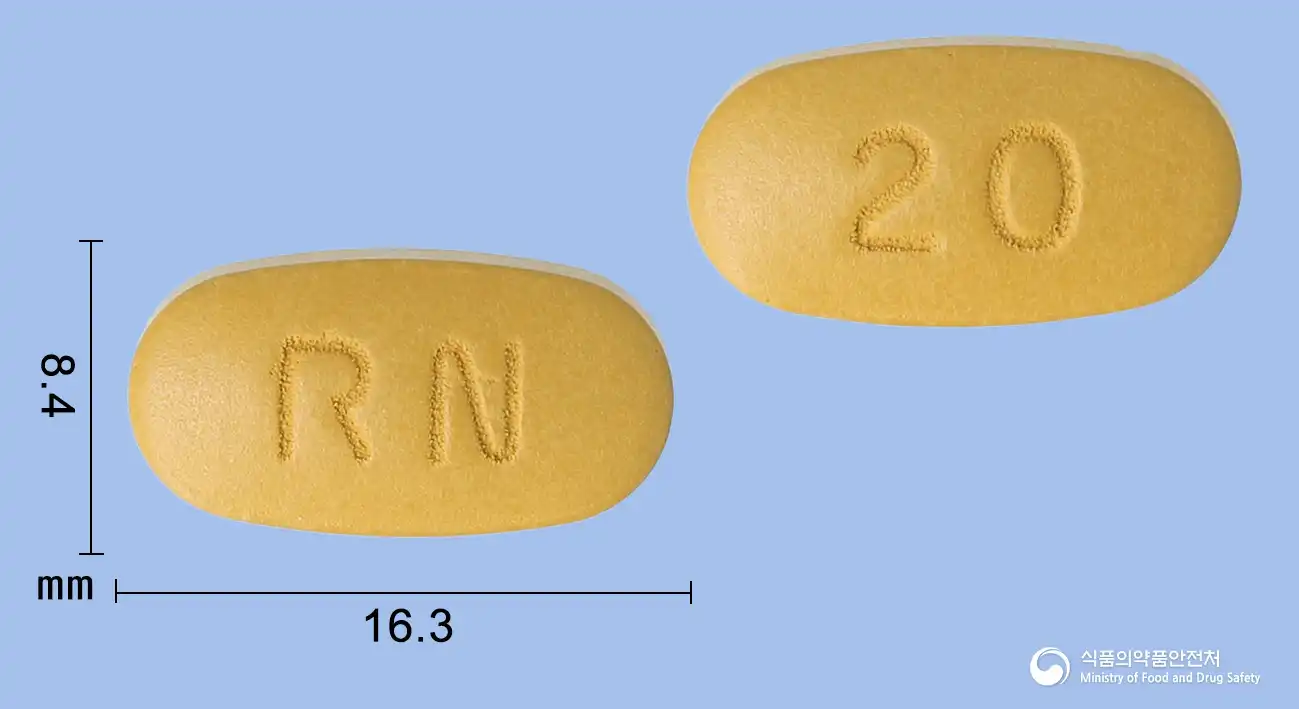 Combination
Sodium Bicarbonate 500mg · Rabeprazole Sodium 20mg
Tablet · Prescription medication · Combination
Youngjin Pharmaceutical Co., Ltd.
Even with the same ingredient, the dose and directions can differ by strength and dosage form. Talk to a doctor or pharmacist before switching from a medication you are already taking.
No questions yet.
For anything that needs medical judgment, consult a doctor or pharmacist.
This drug information is based on data provided by the Korea Ministry of Food and Drug Safety.
Consult a doctor or pharmacist for accurate dosage, administration, and usage instructions.