
 한국어
 English
 日本語
 中文(简体)
 Viewing nowCombination
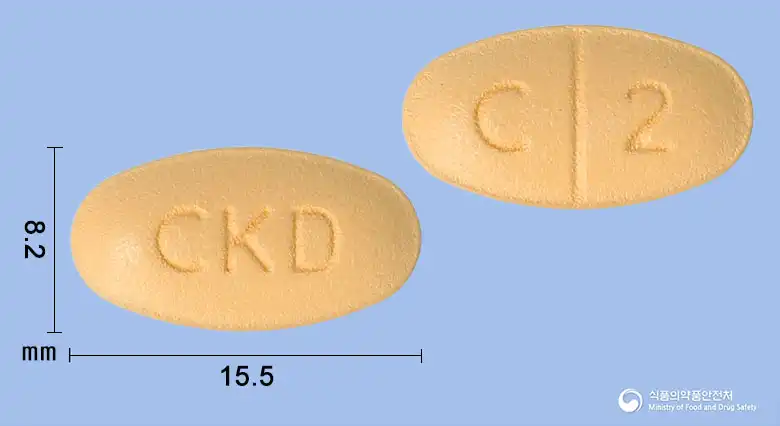
Cantabel A Tablet 8/5/20 mg
Candesartan Cilexetil 8mg · Amlodipine Besylate 6.94mg +1 more
Tablet · Prescription medication · Combination
Jongkundang Co., Ltd.
MFDS item code 202200402 · Approved 2022.01.24 · Insurance code 643308920
Treatment of essential hypertension, improvement of hyperlipidemia, and prevention of cardiovascular disease
This medication is used for adults with essential hypertension who cannot control blood pressure solely with Candesartan Cilexetil and Amlodipine combination. Additionally, the Atorvastatin component reduces the risk of myocardial infarction, stroke, and vascular surgery in adults with coronary heart disease and those with type 2 diabetes, protecting cardiovascular health. Moreover, it helps improve dyslipidemia in patients with hyperlipidemia by lowering LDL cholesterol and total cholesterol levels and increasing HDL cholesterol levels. This combination is effectively used for the prevention and treatment of cardiovascular diseases by managing blood pressure and lipids simultaneously.
This medicine should be taken as 1 tablet once daily with water, with or without food. It is recommended to take it at the same time each day (e.g., in the morning), if possible. This medicine is for use in adults only. The dose should be individualized for each patient based on the efficacy and tolerability of the candesartan cilexetil/amlodipine combination and atorvastatin. For patients taking candesartan cilexetil/amlodipine combination therapy and atorvastatin concomitantly, switching to this medicine (a combination product containing the same amounts of each active ingredient) may be considered for convenience. ○ Candesartan cilexetil/amlodipine combination Before administering the candesartan cilexetil/amlodipine combination, it is recommended that the dose be adjusted using the individual components (candesartan cilexetil or amlodipine). However, if blood pressure is not controlled as described below, switching directly to the candesartan cilexetil/amlodipine combination may be considered. - 8/5 mg: For patients whose blood pressure is not adequately controlled with candesartan cilexetil 8 mg or amlodipine 5 mg. - 16/5 mg: For patients whose blood pressure is not adequately controlled with candesartan cilexetil 16 mg or amlodipine 5 mg. - 16/10 mg: For patients whose blood pressure is not adequately controlled with candesartan cilexetil 16 mg, amlodipine 10 mg, or candesartan cilexetil/amlodipine 16/5 mg. ○ Atorvastatin Patients before and during treatment with atorvastatin should follow a standard cholesterol-lowering diet. Atorvastatin may be taken at any time of day, with or without food. Hyperlipidemia The recommended initial dose is 10 mg of atorvastatin once daily. However, patients who require a greater reduction in LDL cholesterol may start with 20 mg or 40 mg once daily (only for patients requiring a reduction in LDL cholesterol of 45 % or more). Atorvastatin is administered once daily at doses ranging from 10 ~ 80 mg. The initial and maintenance doses of atorvastatin should be individualized according to the patient's characteristics, taking into account treatment goals and response. Lipid levels should be analyzed within 2 ~ 4 weeks after starting treatment and/or titrating the dose, and the dose adjusted accordingly. Because the goal of treatment is to lower LDL cholesterol, it is recommended that LDL cholesterol be used when initiating treatment and evaluating the response. However, if LDL cholesterol levels are unavailable, total cholesterol levels should be used to monitor the response to treatment. Patients with homozygous familial hypercholesterolemia Atorvastatin is administered at a dose of 10 ~ 80 mg once daily, in combination with other lipid-lowering treatments (e.g., LDL apheresis), or when such lipid-lowering treatments are not available. ○ Patients with renal impairment: For patients with renal impairment, an initial dose of candesartan cilexetil of 4 mg once daily is recommended; therefore, it is not advisable to use this medicine for initial treatment. ○ Patients with hepatic impairment: For patients with mild to moderate hepatic impairment, an initial dose of candesartan cilexetil of 2 mg once daily is recommended; therefore, it is not advisable to use this medicine for initial treatment.
This medication can cause serious harm to the fetus and newborn if taken during pregnancy; therefore, it should be discontinued immediately upon confirmation of pregnancy. If muscle problems occur or muscle enzyme levels significantly increase, this medication should be stopped. Patients at higher risk of myopathy, such as those with infections, hypotension, surgeries, trauma, etc., need to exercise caution. Patients with allergies to any components of this drug, women who are pregnant or breastfeeding, or those with severe liver disease or certain renal impairments should not take this medication. Seniors, patients with hyperkalemia, patients with impaired liver function, those with hypotension, heart valve disease, and patients with diminished kidney function should take this medication with greater care, requiring regular blood pressure and kidney function checks. This medication lowers blood pressure, so it should be avoided in patients with hypotension or shock symptoms; if blood pressure becomes too low, appropriate measures should be taken under medical advice. During treatment, side effects such as muscle pain, muscle weakness, dizziness, headache, edema, dyspepsia, and liver function abnormalities may occur; consult a doctor if these symptoms persist or worsen. Additionally, some components of this medication can affect the liver or muscles, so regular liver function and muscle enzyme tests should be performed, and if abnormal symptoms appear, discontinuation is advised. This medication can interact with other drugs, so it is crucial to inform a doctor or pharmacist of any current medications taken, especially when used with antihypertensives, lipid-lowering agents, antibiotics, antifungals, or immunosuppressants. Grapefruit juice may increase the concentration of this medication in the blood, so it is advisable to avoid consuming grapefruit juice. Caution is advised when driving or operating machinery as dizziness or drowsiness may occur. Regular check-ups and adherence to medical advice during usage are important, and any abnormal symptoms should be promptly reported.
Not everyone experiences these, and they can vary from person to person.
This medication should be stored in a tightly closed container to prevent air or moisture exposure, at room temperature between 1 and 30 degrees Celsius, to maintain its effectiveness and safety.
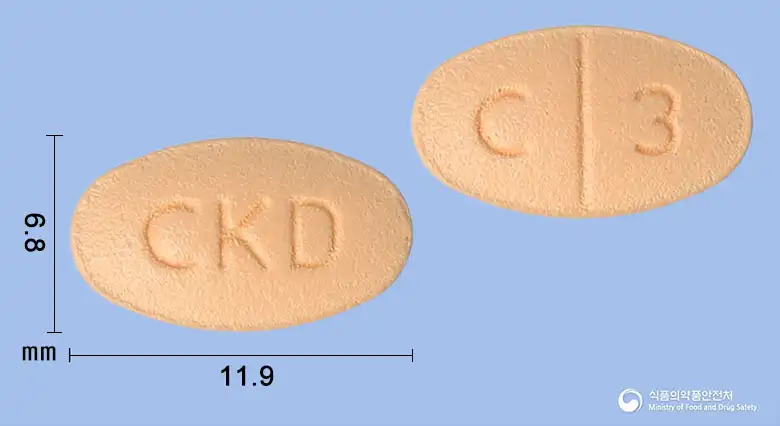
Bright yellow, oval film-coated tablet
30 tablets/PTP
Even with the same ingredient, strength, dosage form and how it is taken can differ.
Viewing nowCombinationCandesartan Cilexetil 8mg · Amlodipine Besylate 6.94mg +1 more
Tablet · Prescription medication · Combination
Jongkundang Co., Ltd.
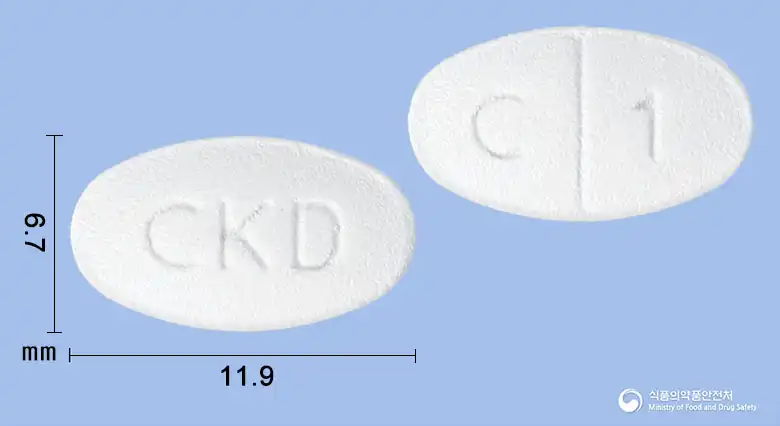 Combination
Candesartan Cilexetil 8mg · Amlodipine Besylate 6.94mg +1 more
Tablet · Prescription medication · Combination
Jongkundang Co., Ltd.
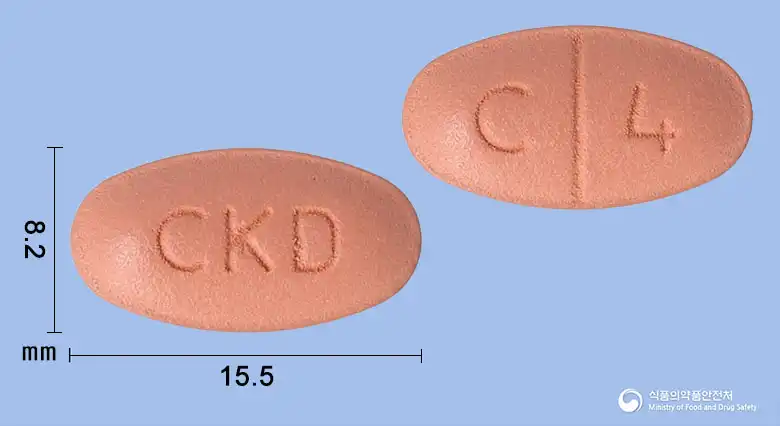 Combination
Candesartan Cilexetil 16mg · Amlodipine Besylate 6.94mg +1 more
Tablet · Prescription medication · Combination
Jongkundang Co., Ltd.
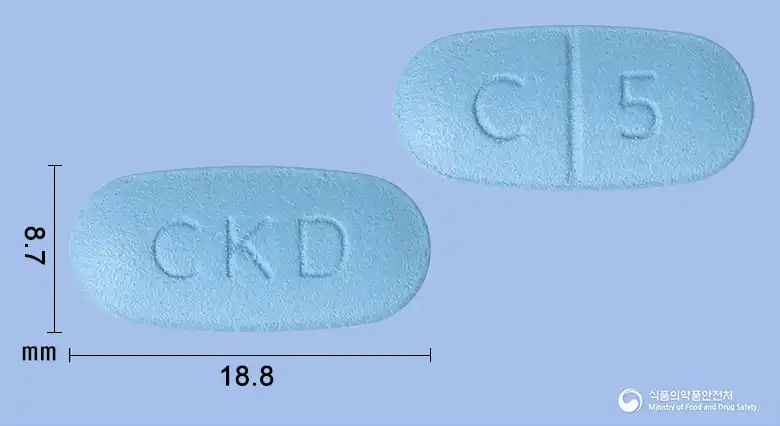 Combination
Candesartan Cilexetil 16mg · Amlodipine Besylate 13.88mg +1 more
Tablet · Prescription medication · Combination
Jongkundang Co., Ltd.
 Combination
Candesartan Cilexetil 16mg · Amlodipine Besylate 6.94mg +1 more
Tablet · Prescription medication · Combination
Jongkundang Co., Ltd.
Even with the same ingredient, the dose and directions can differ by strength and dosage form. Talk to a doctor or pharmacist before switching from a medication you are already taking.
No questions yet.
For anything that needs medical judgment, consult a doctor or pharmacist.
This drug information is based on data provided by the Korea Ministry of Food and Drug Safety.
Consult a doctor or pharmacist for accurate dosage, administration, and usage instructions.