
 한국어
한국어 English
 日本語
日本語 中文(简体)
 Viewing now
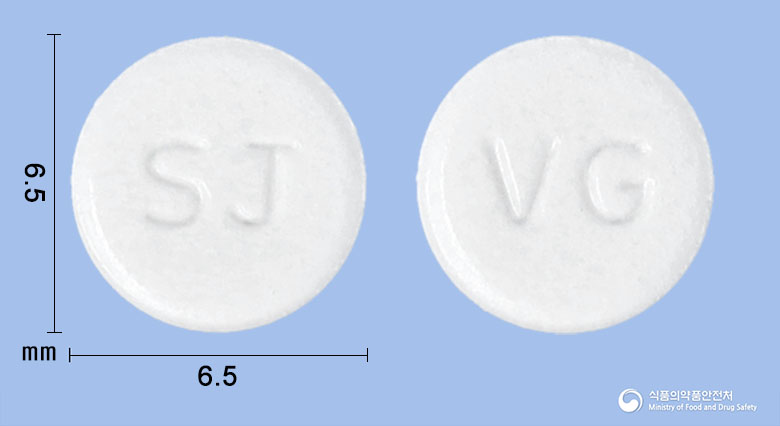
Billguard 50 mg (Vildagliptin)
Vildagliptin 50mg
Tablet · Prescription medication
Samjin Pharmaceutical Co., Ltd.
MFDS item code 202200365 · Approved 2022.01.20 · Insurance code 647805350
Improvement of blood sugar control in type 2 diabetes
This drug is used as an adjunctive treatment to help patients with type 2 diabetes achieve better blood sugar control along with meal management and exercise therapy. It can be used alone or in combination with other medications as needed to enhance therapeutic effects. This helps improve blood sugar levels and assists in the management of diabetes.
This drug is administered as 50 mg once daily in the morning or as 100 mg divided into 50 mg doses twice daily in the morning and evening. When used in combination with metformin or thiazolidinediones, the dosage is 100 mg per day, taken as 50 mg doses twice daily in the morning and evening. When combined with sulfonylureas, the recommended dose is 50 mg once daily in the morning. When combined with both sulfonylureas and metformin, a dosage of 100 mg once daily has not been more effective than 50 mg once daily in this patient group. When sufficient blood sugar control cannot be achieved with combination therapy of sulfonylureas and metformin, the recommended dosage is 100 mg per day, taken as 50 mg doses twice daily in the morning and evening. When sufficient blood sugar control cannot be achieved with insulin (either alone or in combination with metformin), the recommended dosage is 100 mg per day, taken as 50 mg doses twice daily in the morning and evening. This drug can be taken regardless of meals, and dosages exceeding 100 mg per day are not recommended. When taken with sulfonylureas, a reduction in the sulfonylurea dosage may be necessary to reduce the risk of hypoglycemia. If a dose is missed, take it as soon as remembered and return to the regular schedule for the next dose. If it is close to the next dosing time, do not take the missed dose. Do not double up to make up for missed medication.
This drug should not be used in patients who are allergic to the active substance or other ingredients. It should also not be administered to patients with type 1 diabetes or diabetic ketoacidosis. Because this drug contains lactose, it should not be used in patients with lactose intolerance or genetic lactose-related issues. While using this drug, there may rarely be abnormal liver function, so regular liver function tests should be performed before and during administration. If liver function levels persist at three times the normal upper limit or symptoms such as jaundice appear, the use of this drug should be stopped. In some heart failure patients, the use of this drug is not recommended, so consult a physician if there is a history of heart disease. Skin lesions such as blisters or ulcers may appear, so the condition of the skin should be carefully monitored. There is a risk of acute pancreatitis, so if symptoms such as abdominal pain or vomiting occur, immediate medical attention should be sought. When used with medications that can cause hypoglycemia, such as sulfonylureas, caution for hypoglycemic symptoms should be exercised, and dosage adjustments may be necessary. If symptoms such as dizziness occur, it is advisable to avoid driving or operating machinery. It is not safe for pregnant or breastfeeding women to use this drug. There is no need for special dosage adjustments in the elderly; however, safety and efficacy have not been established in children and adolescents, so it is not recommended. In cases of overdose, supportive measures are necessary, and this drug is not removed by dialysis, so caution is advised. Keep out of reach of children and be careful not to transfer it to another container.
Hives, angioedema, blistering and exfoliative skin lesions (including bullous pemphigoid), hepatitis, jaundice, acute pancreatitis, heart failure, peripheral edema, severe allergic reactions, shortness of breath, acute myocardial infarction, acute cholecystitis, pulmonary edema, chest discomfort, dizziness, renal impairment, lip blisters
Not everyone experiences these, and they can vary from person to person.
This drug is sensitive to air and moisture, so keep the bottle tightly closed and sealed. It is also recommended to store in a cool place below 30 degrees Celsius.
White to light yellow circular tablet
30 tablets/box [10 tablets/PTP X 3]
Even with the same ingredient, strength, dosage form and how it is taken can differ.
Viewing nowVildagliptin 50mg
Tablet · Prescription medication
Samjin Pharmaceutical Co., Ltd.
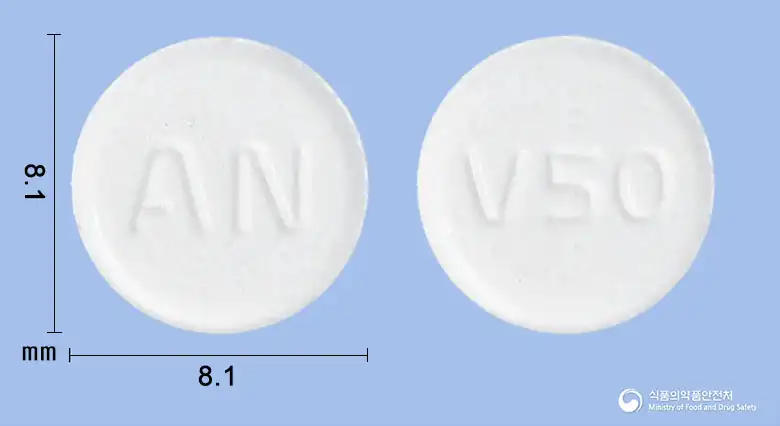
Vildagliptin 50mg
Tablet · Prescription medication
Ahn-Guk New Pharm Co., Ltd.
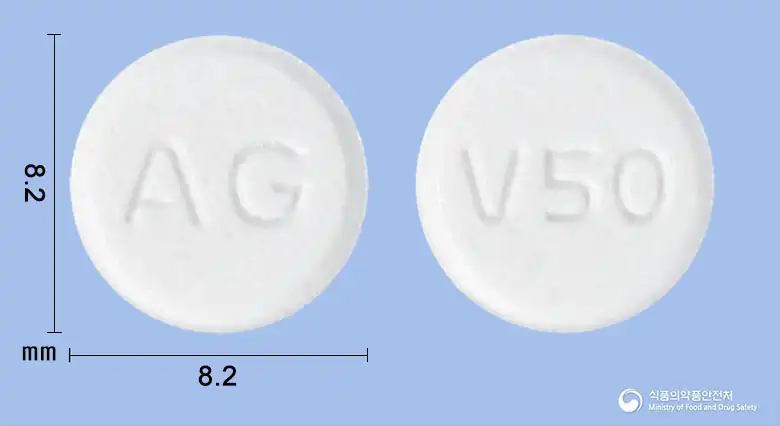
Vildagliptin 50mg
Tablet · Prescription medication
AhnGuk Pharmaceuticals Co., Ltd.
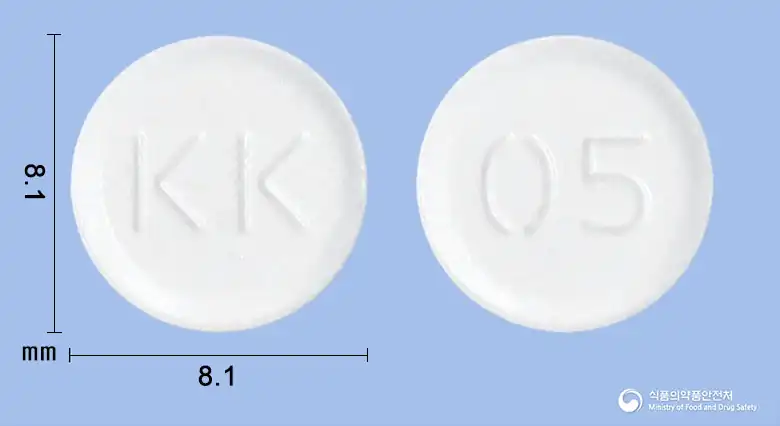
Vildagliptin 50mg
Tablet · Prescription medication
Genewon Science Co., Ltd.
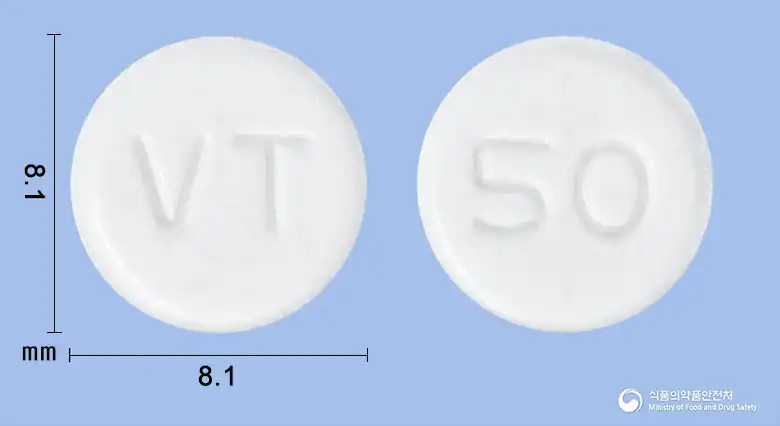
Vildagliptin 50mg
Tablet · Prescription medication
Lightpharmtech Co., Ltd.
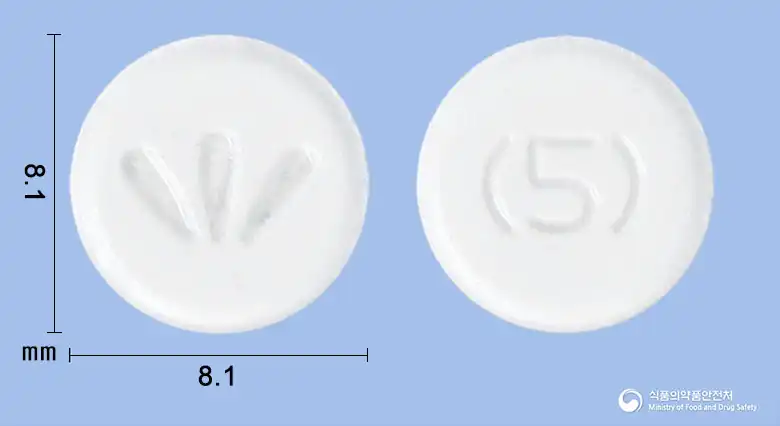
Vildagliptin 50mg
Tablet · Prescription medication
White Life Sciences Co., Ltd.
Vildagliptin 50mg
Tablet · Prescription medication
Pharmgen Science Co., Ltd.
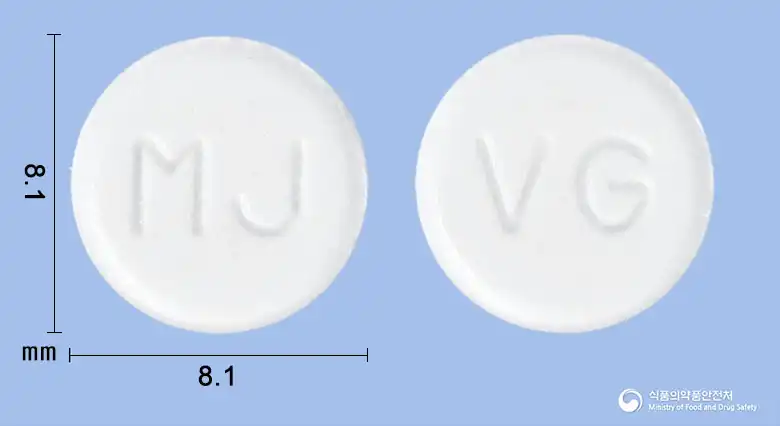
Vildagliptin 50mg
Tablet · Prescription medication
Mothers Pharmaceutical Co., Ltd.
Even with the same ingredient, the dose and directions can differ by strength and dosage form. Talk to a doctor or pharmacist before switching from a medication you are already taking.
No questions yet.
For anything that needs medical judgment, consult a doctor or pharmacist.
This drug information is based on data provided by the Korea Ministry of Food and Drug Safety.
Consult a doctor or pharmacist for accurate dosage, administration, and usage instructions.