
 한국어
한국어 English
 日本語
日本語 中文(简体)
 Viewing now
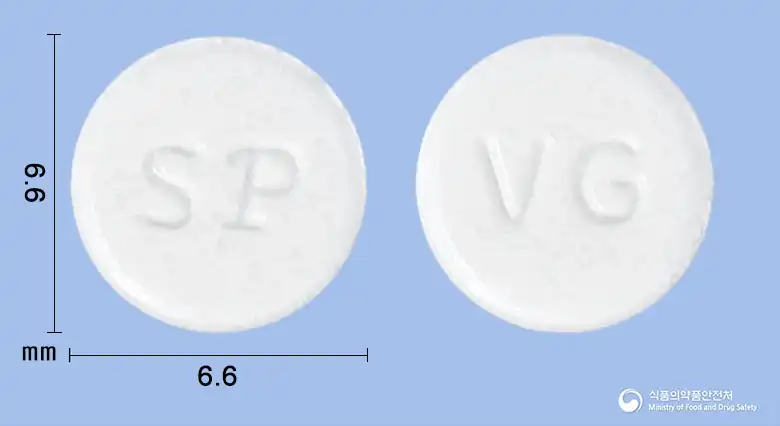
Gabli Tablet (Vildagliptin)
Vildagliptin 50mg
Tablet · Prescription medication
Shinpoong Pharmaceutical Co., Ltd.
MFDS item code 202200347 · Approved 2022.01.19 · Insurance code 648507970
Improvement of blood sugar control in type 2 diabetes
This medication is an adjunct to help patients with type 2 diabetes achieve better blood sugar control alongside dietary and exercise therapy. It can be prescribed alone or in combination with other blood sugar-lowering medications. This helps maintain stable blood sugar levels and contributes to the prevention of complications. It should be used appropriately according to the patient's condition to improve blood sugar control.
This medication can be administered as monotherapy or, in cases where the patient has not previously been treated with diabetes medications, in combination with metformin at a dosage of 50mg once daily in the morning, or 100mg as 50mg twice daily in the morning and evening. If sufficient blood sugar control is not achievable with metformin or thiazolidinediones alone, this medication can be co-administered with metformin or thiazolidinediones at a recommended dosage of 100mg once daily, divided into two doses of 50mg in the morning and evening.
This medication should not be used in patients with allergic reactions to the active ingredient or other components. It should not be administered to patients with type 1 diabetes or diabetic ketoacidosis. This medication contains lactose, so patients with genetic issues such as galactose intolerance, Lapp lactase deficiency, or glucose-galactose malabsorption should not take it. During the use of this medication, rare liver function abnormalities may occur, so regular liver function tests should be conducted before and during treatment. If liver enzyme levels remain elevated above three times the normal upper limit, the medication should be discontinued, and immediate consultation with a healthcare provider is necessary if symptoms suggesting liver dysfunction appear. This medication carries a risk of acute pancreatitis, so patients should inform their doctor immediately if they experience abdominal pain or indigestion during treatment. Care should be taken when used with medications that can cause hypoglycemia, such as sulfonylureas, as the risk of hypoglycemia may increase. If symptoms like dizziness occur, it is safer to avoid driving or operating machinery. This medication is not recommended for pregnant or breastfeeding women, and should especially not be used during pregnancy. No dosage adjustment is necessary for the elderly, but its use is not recommended for children or adolescents under 18 years of age. In case of overdose, as there is no specific antidote, it is important to receive appropriate treatment based on symptoms. This medication should be stored out of reach of children, and transferring it to another container should be avoided.
Hives, severe swelling (angioedema, peripheral edema), chest tightness, difficulty breathing, symptoms suggestive of heart failure exacerbation, acute pancreatitis, hepatitis, severe skin rash with high fever, blisters, skin peeling, pain in mucous membranes of mouth/eyes, yellowing of skin or eyes (jaundice), sudden and severe headache, seizures, confusion, vision abnormalities, paralysis, significantly reduced urine output, severe edema associated with high blood pressure, heart palpitations
Not everyone experiences these, and they can vary from person to person.
This medication is sensitive to air and moisture, so it should be stored in a tightly sealed container. Additionally, keeping it in a cool place at or below 30 degrees Celsius is essential for maintaining its efficacy.
Round tablet with white to light yellow color
PTP - 30 tablets/box[(10 tablets/PTP×3)]
Even with the same ingredient, strength, dosage form and how it is taken can differ.
Viewing nowVildagliptin 50mg
Tablet · Prescription medication
Shinpoong Pharmaceutical Co., Ltd.
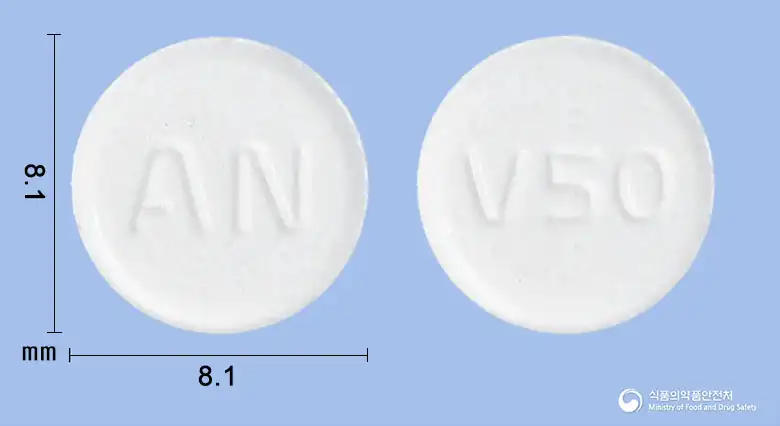
Vildagliptin 50mg
Tablet · Prescription medication
Ahn-Guk New Pharm Co., Ltd.
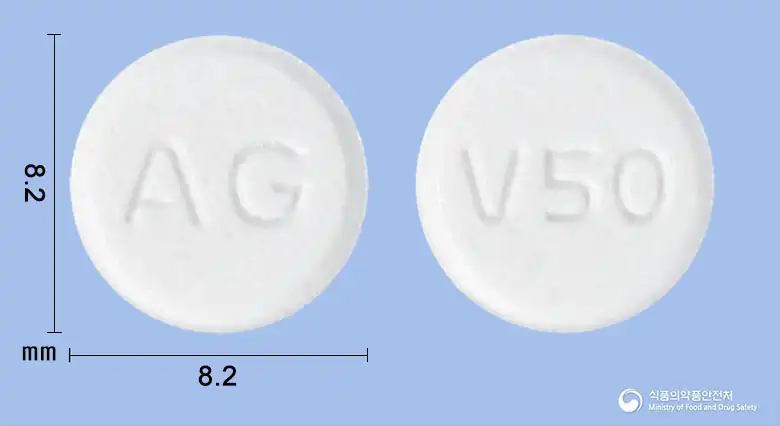
Vildagliptin 50mg
Tablet · Prescription medication
AhnGuk Pharmaceuticals Co., Ltd.
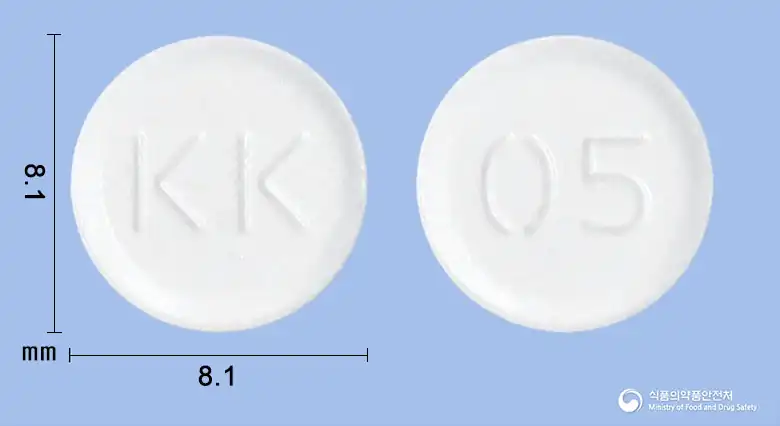
Vildagliptin 50mg
Tablet · Prescription medication
Genewon Science Co., Ltd.
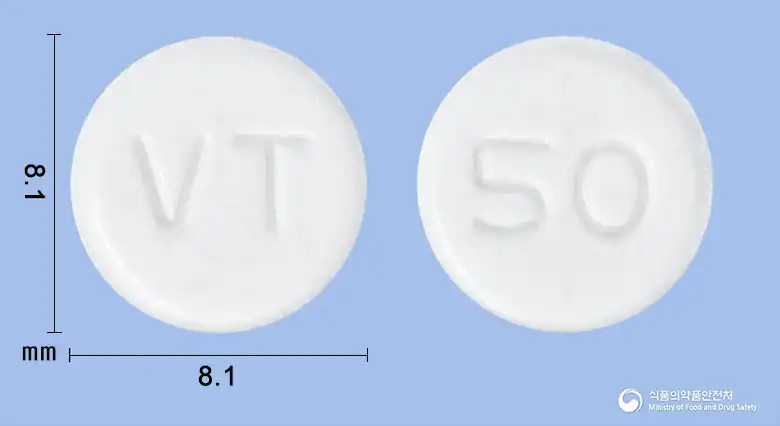
Vildagliptin 50mg
Tablet · Prescription medication
Lightpharmtech Co., Ltd.
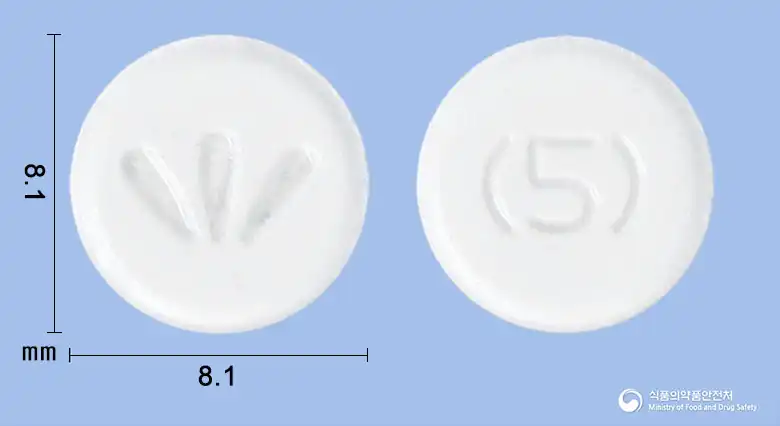
Vildagliptin 50mg
Tablet · Prescription medication
White Life Sciences Co., Ltd.
Vildagliptin 50mg
Tablet · Prescription medication
Pharmgen Science Co., Ltd.
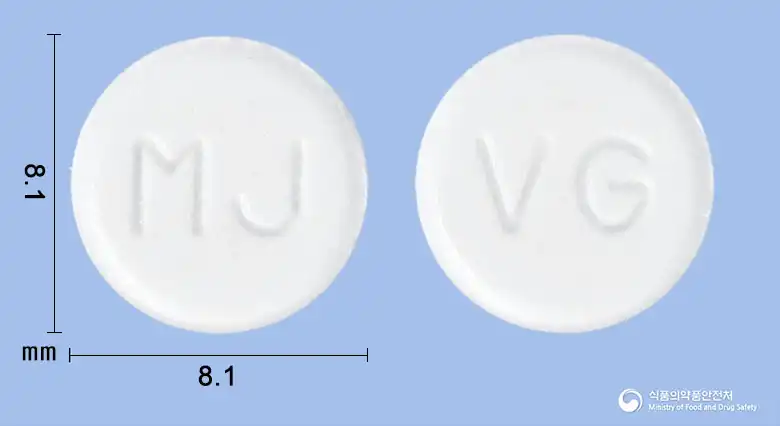
Vildagliptin 50mg
Tablet · Prescription medication
Mothers Pharmaceutical Co., Ltd.
Even with the same ingredient, the dose and directions can differ by strength and dosage form. Talk to a doctor or pharmacist before switching from a medication you are already taking.
No questions yet.
For anything that needs medical judgment, consult a doctor or pharmacist.
This drug information is based on data provided by the Korea Ministry of Food and Drug Safety.
Consult a doctor or pharmacist for accurate dosage, administration, and usage instructions.