
 한국어
한국어 English
 日本語
日本語 中文(简体)
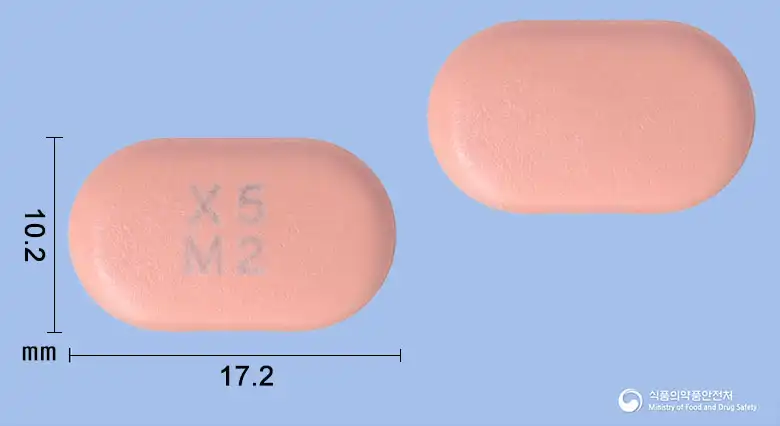 Viewing nowCombination
Esplitin M Tablets 50/850 mg
Sitagliptin Hydrochloride Hydrate 56.7mg · Metformin Hydrochloride with Colloidal Anhydrous Silica 858.5mg
Tablet · Prescription medication · Combination
Widus Pharmaceutical Co., Ltd.
MFDS item code 202200333 · Approved 2022.01.20 · Insurance code 660703800
Improvement of blood sugar control in type 2 diabetes
This medication is used to assist in blood sugar control for patients with type 2 diabetes. It is administered as an adjunct to diet and exercise for patients who have difficulty controlling their blood sugar. It may be used alone if the patient has no prior experience with diabetes medication, and is an alternative when metformin or sitagliptin alone is ineffective. Additionally, this medication is added when there is insufficient blood sugar control with metformin combined with sulfonylurea, or metformin combined with thiazolidinedione. In cases where insulin combined with metformin is also insufficient, this medication is added to improve blood sugar control. Therefore, this medication effectively improves blood sugar control in type 2 diabetes in conjunction with various treatment methods.
This medication is generally taken 2 times a day with food, gradually increasing the dose to reduce gastrointestinal adverse effects associated with metformin. 1. Patients not currently treated with metformin: Take this medication 50/500 mg, 1 tablet twice a day, and may increase to 50/1000 mg, 1 tablet twice a day. 2. Patients currently treated with metformin:
This medication is used for the treatment of diabetes and helps regulate blood sugar levels. Allergic reactions may occur within the first 3 months of administration, so if symptoms such as skin rash, respiratory distress, or swelling of the face or neck appear, discontinue the medication immediately and consult a doctor. There is a risk of inflammation in the pancreas, known as acute pancreatitis, so any symptoms such as abdominal pain, nausea, or vomiting should be reported to healthcare professionals immediately. It should not be administered to patients with severely impaired kidney function, acute infections, heart failure, or dehydration, and should be discontinued for a period before and after surgery. This medication should not be used in pregnant or nursing women. It may cause hypoglycemia, so it is important to eat regularly and be cautious during vigorous exercise. Additionally, elderly patients or those with liver or kidney problems should have regular function tests, and it is advisable to check for decreased vitamin B12 levels through blood tests during medication use. Alcohol consumption can increase the risk of serious side effects such as lactic acidosis, so it should be avoided. Do not take other medications or dietary supplements without consulting a doctor while on this medication, especially since the risk of hypoglycemia may increase when used with other blood sugar-lowering agents. If an overdose occurs, visit a medical institution immediately for appropriate treatment, as blood dialysis may be required. Lastly, regular blood sugar tests, kidney function tests, and symptom monitoring are important while taking this medication, so it should be taken consistently as prescribed and any abnormal symptoms should be reported to a specialist immediately.
Hives, angioedema, anaphylaxis, Stevens-Johnson syndrome and other exfoliative skin diseases, acute pancreatitis, acute renal failure, respiratory distress, unstable angina, severe lactic acidosis, severe hypoglycemia, bullous pemphigoid, jaundice, significant elevation of liver enzymes, severe joint pain, blisters or erosion, acute renal failure
Not everyone experiences these, and they can vary from person to person.
This medication should be stored in a tightly sealed container to prevent air ingress, at room temperature between 1 and 30 degrees Celsius. Storing it this way helps maintain the drug's efficacy and prevents degradation.
Pink oval film-coated tablets
30 tablets/box [10 tablets/PTP X 3]
Even with the same ingredient, strength, dosage form and how it is taken can differ.
Viewing nowCombinationSitagliptin Hydrochloride Hydrate 56.7mg · Metformin Hydrochloride with Colloidal Anhydrous Silica 858.5mg
Tablet · Prescription medication · Combination
Widus Pharmaceutical Co., Ltd.
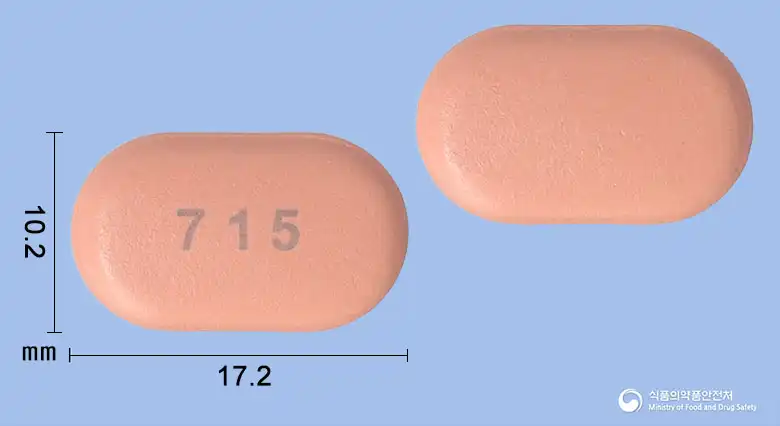 Combination
Sitagliptin Hydrochloride Hydrate 56.7mg · Metformin Hydrochloride with Colloidal Anhydrous Silica 858.5mg
Tablet · Prescription medication · Combination
Daewon Pharmaceutical Co., Ltd.
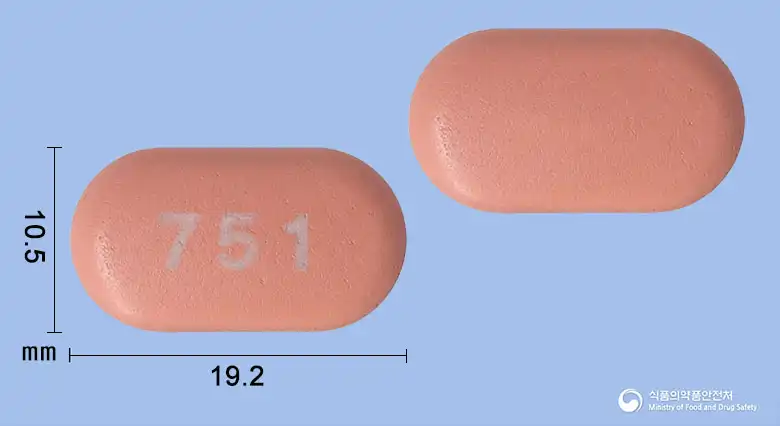 Combination
Sitagliptin Hydrochloride Hydrate 56.7mg · Metformin Hydrochloride with Colloidal Anhydrous Silica 1010mg
Tablet · Prescription medication · Combination
Daewon Pharmaceutical Co., Ltd.
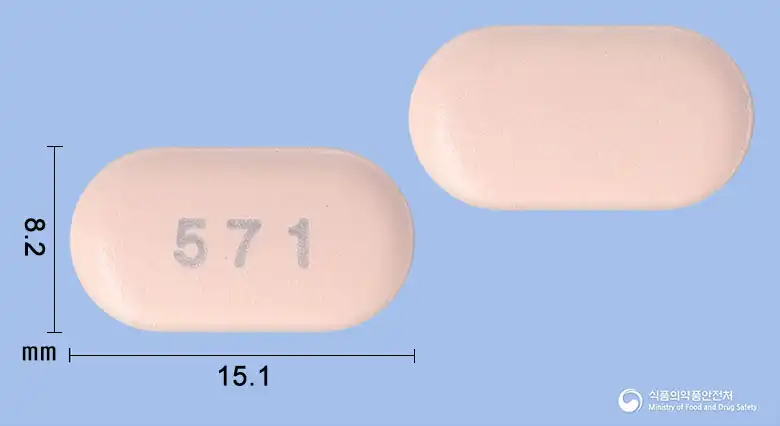 Combination
Sitagliptin Hydrochloride Hydrate 56.7mg · Metformin Hydrochloride with Colloidal Anhydrous Silica 505mg
Tablet · Prescription medication · Combination
Daewon Pharmaceutical Co., Ltd.
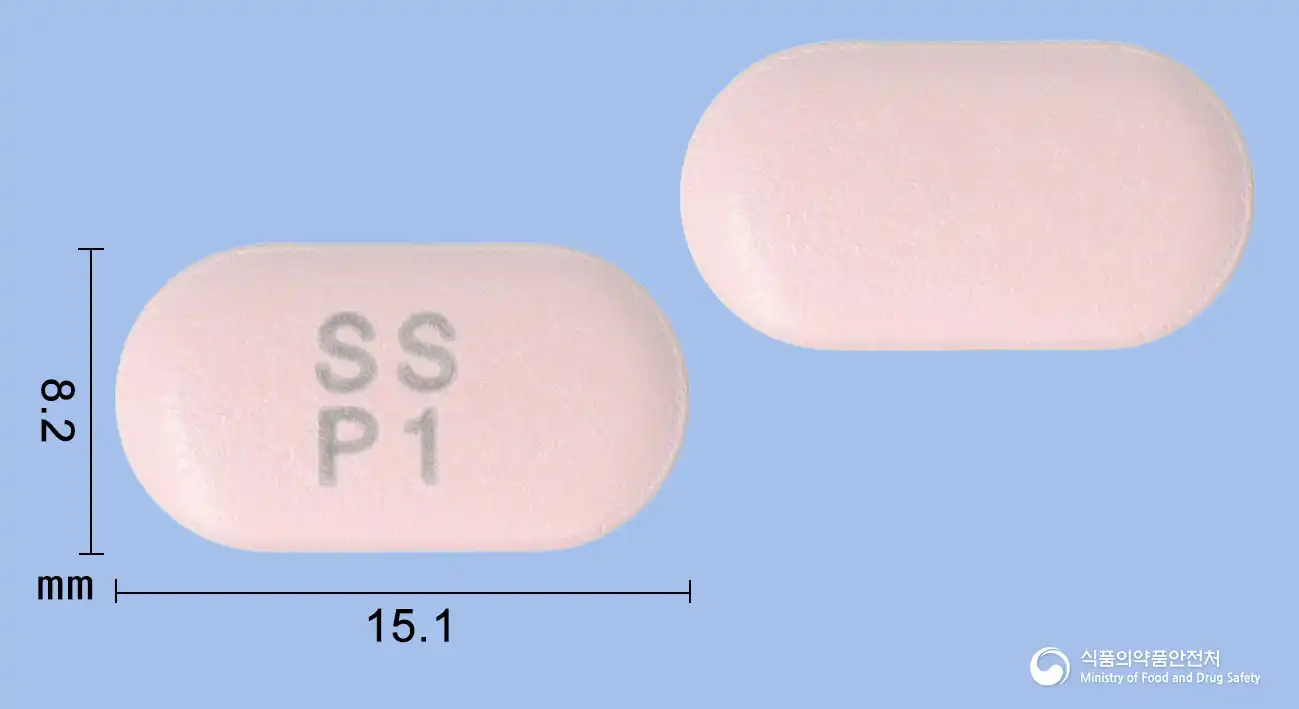 Combination
Sitagliptin Hydrochloride Hydrate 56.7mg · Metformin Hydrochloride with Colloidal Anhydrous Silica 505mg
Tablet · Prescription medication · Combination
Samsung Pharmaceutical Co., Ltd.
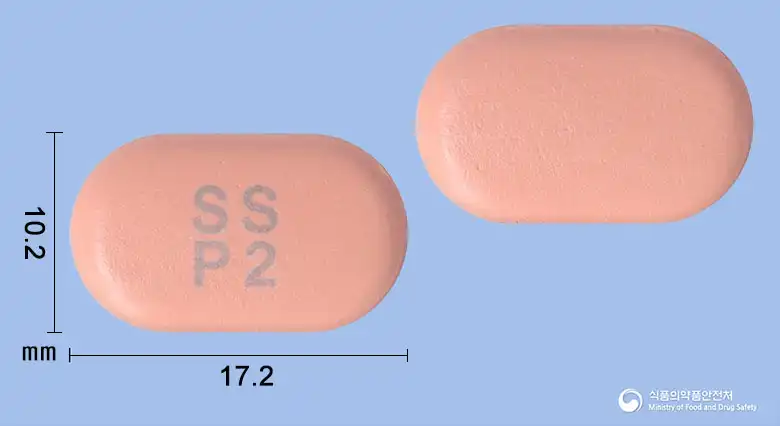 Combination
Sitagliptin Hydrochloride Hydrate 56.7mg · Metformin Hydrochloride with Colloidal Anhydrous Silica 858.5mg
Tablet · Prescription medication · Combination
Samsung Pharmaceutical Co., Ltd.
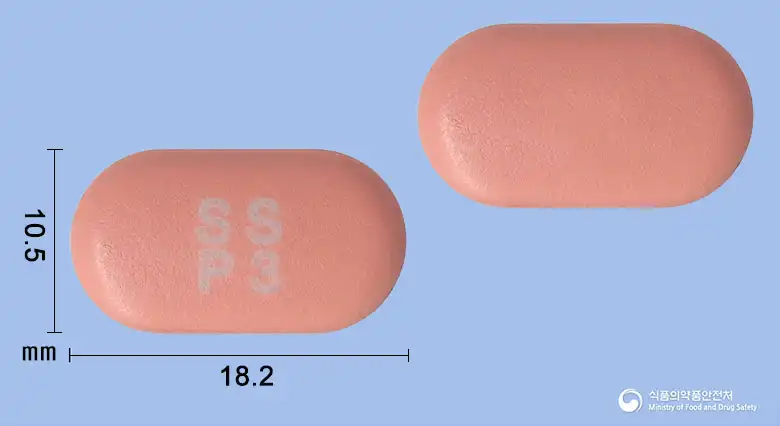 Combination
Sitagliptin Hydrochloride Hydrate 56.7mg · Metformin Hydrochloride with Colloidal Anhydrous Silica 1010mg
Tablet · Prescription medication · Combination
Samsung Pharmaceutical Co., Ltd.
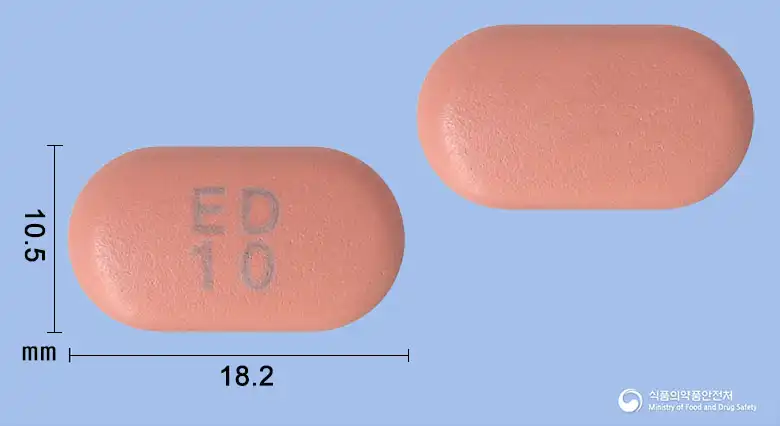 Combination
Sitagliptin Hydrochloride Hydrate 56.7mg · Metformin Hydrochloride with Colloidal Anhydrous Silica 1010mg
Tablet · Prescription medication · Combination
Eden Pharma Co., Ltd.
Even with the same ingredient, the dose and directions can differ by strength and dosage form. Talk to a doctor or pharmacist before switching from a medication you are already taking.
No questions yet.
For anything that needs medical judgment, consult a doctor or pharmacist.
This drug information is based on data provided by the Korea Ministry of Food and Drug Safety.
Consult a doctor or pharmacist for accurate dosage, administration, and usage instructions.