Improvement of blood sugar control in type 2 diabetes
Who takes it
Adults
Adult dose
Generally, this medication is taken twice a day with food, and the dosage is gradually increased to reduce gastrointestinal side effects caused by Metformin.
1. For patients not currently receiving Metformin treatment: Start with this medication 50/500 mg taken as 1 tablet twice daily, and dosage can be increased to 50/1000 mg taken as 1 tablet twice daily.
2. For patients currently receiving Metformin:
Improvement of blood sugar control in type 2 diabetes
Difficulty in blood sugar control
View approved original textHide original text
This medication is used in conjunction with dietary and exercise therapy to help control blood sugar in patients with type 2 diabetes. It is administered to those who are starting diabetes drug treatment for the first time and have difficulty achieving blood sugar control with monotherapy. Additionally, it can be used to substitute or combine with Metformin or Sitagliptin when sufficient effects are not observed from monotherapy. If blood sugar control is still difficult with a combination of Metformin and sulfonylureas, or Metformin and thiazolidinediones, this medication can be added to enhance control. It is also used in conjunction with insulin and Metformin when adequate blood sugar control cannot be achieved. Therefore, this medication helps improve blood sugar control across various stages of treatment.
How to take
Adult dose
Generally, this medication is taken twice a day with food, and the dosage is gradually increased to reduce gastrointestinal side effects caused by Metformin.
1. For patients not currently receiving Metformin treatment: Start with this medication 50/500 mg taken as 1 tablet twice daily, and dosage can be increased to 50/1000 mg taken as 1 tablet twice daily.
2. For patients currently receiving Metformin:
Precautions
This medication contains two active ingredients: Sitagliptin and Metformin.
Sitagliptin is used for diabetes treatment, but serious allergic reactions, skin disorders, or pancreatitis may occur rarely, so caution is needed.
Metformin helps lower blood sugar but may lead to lactic acidosis, a serious side effect, in patients with poor kidney function or decreased liver function, thus caution is warranted.
Patients with moderate or greater kidney impairment, acute heart failure, severe infections, and women who are pregnant or breastfeeding should avoid using this medication for safety.
When taking this medication, one must be careful due to the increased risks of hypoglycemia or lactic acidosis from irregular meal patterns, intense physical activity, and interactions with other medications.
During treatment, it is important to regularly check not only blood sugar levels but also kidney function, liver function, and vitamin B12 levels.
This medication can cause hypoglycemic symptoms, especially when taken with insulin or sulfonylureas, so extra caution is necessary.
Alcohol consumption can increase the risk of lactic acidosis, so it is advisable to avoid drinking during treatment.
Patients scheduled for surgery should discontinue this medication 48 hours prior to surgery and should only resume after confirming normal kidney function post-surgery.
If symptoms such as rash, urticaria, severe abdominal pain, difficulty breathing, or sudden swelling occur, consult a physician immediately.
In elderly patients, there is an increased risk of side effects due to decreased kidney function, so dosage adjustments and regular kidney function checks are necessary.
In case of overdose, seek medical attention immediately for appropriate treatment, as some components can be removed by dialysis.
Finally, this medication is not recommended for women who are pregnant or may become pregnant or for breastfeeding women.
Side effects and when to seek care immediately
Serious side effects
Urticaria
angioedema
anaphylaxis
Stevens-Johnson syndrome
rash
cutaneous vasculitis
exfoliative dermatitis
bullous pemphigoid
acute pancreatitis
acute renal failure
Show 9 moreCollapse
difficulty breathing
unstable angina
acute pancreatitis
lactic acidosis
acute renal failure
severe hypoglycemia
difficulty breathing
acute pancreatitis
severe arthralgia.
Mild side effects
Diarrhea
nausea
vomiting
abdominal pain
upper respiratory infection
nasopharyngitis
headache
hypoglycemia
muscle pain
limb pain
Show 12 moreCollapse
back pain
pruritus
thrombocytopenia
decreased appetite
itching
dizziness
constipation
weakness
indigestion
vitamin B12 decrease
weight loss
severe and disabling arthralgia.
Not everyone experiences these, and they can vary from person to person.
Storage
This medication should be stored in a sealed container to prevent air exposure, and it is best kept at room temperature between 1 to 30 degrees Celsius. Proper storage will help maintain the medication's effectiveness and prevent deterioration.
Appearance and packaging
Appearance
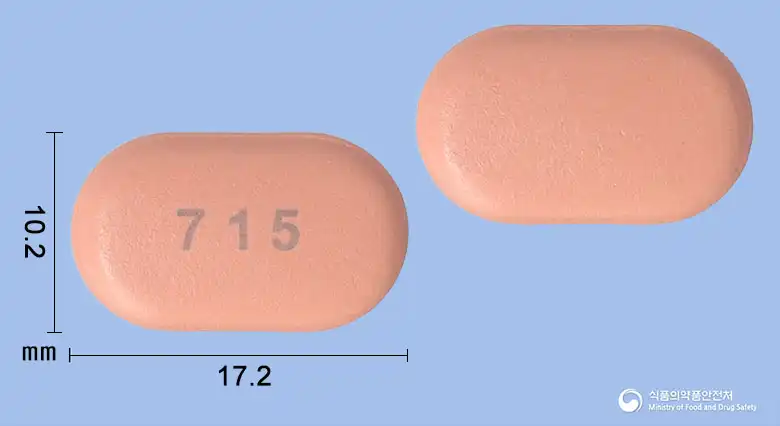
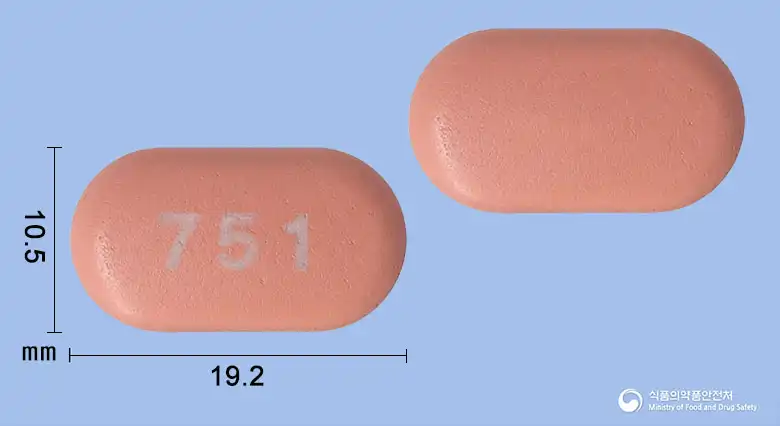
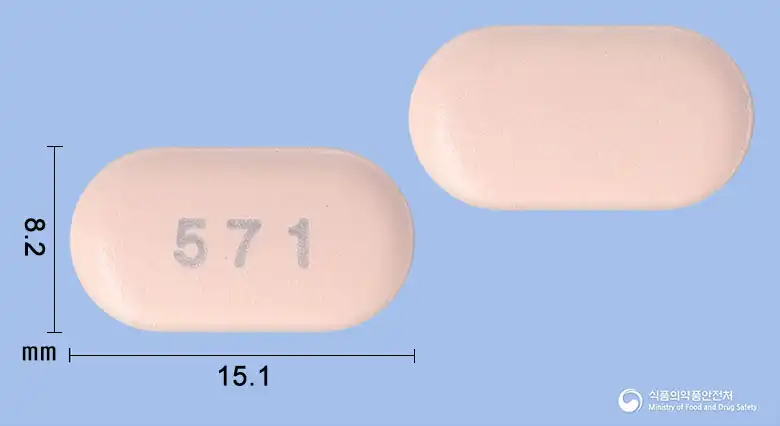
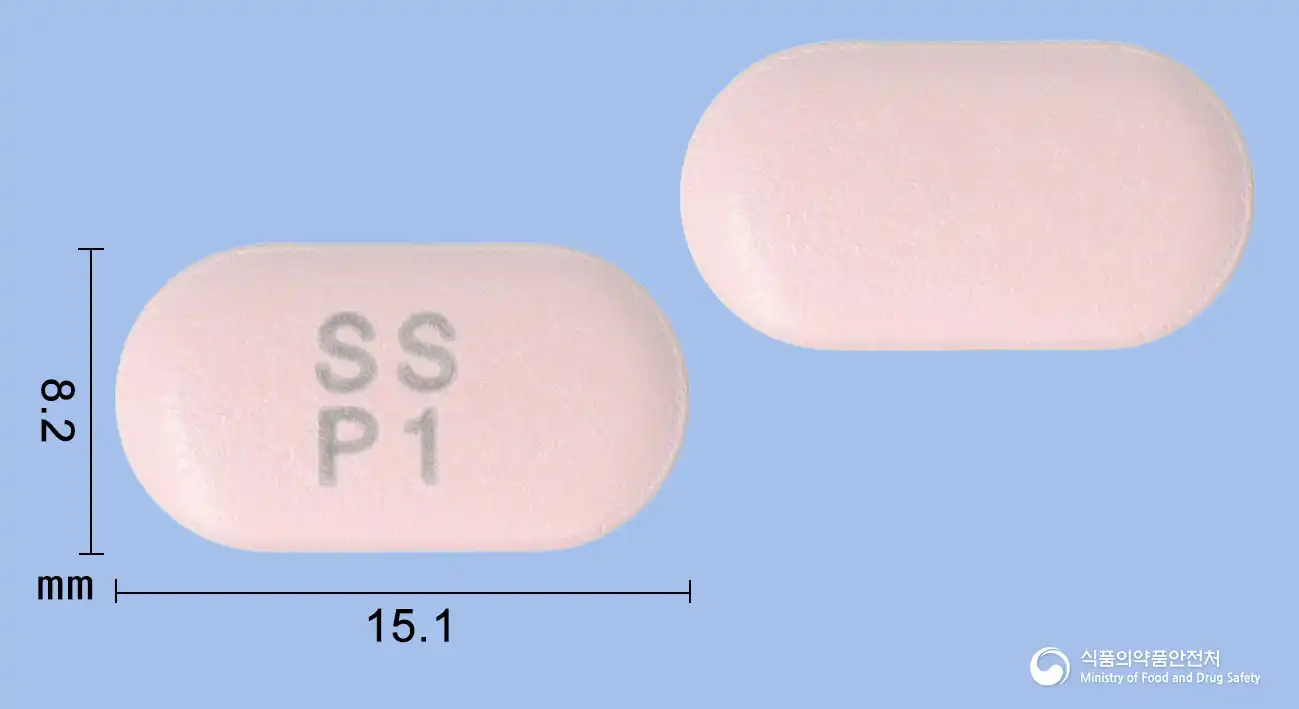
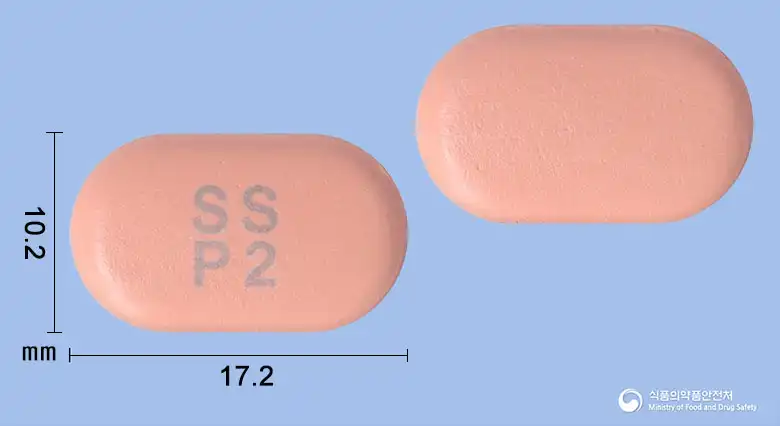
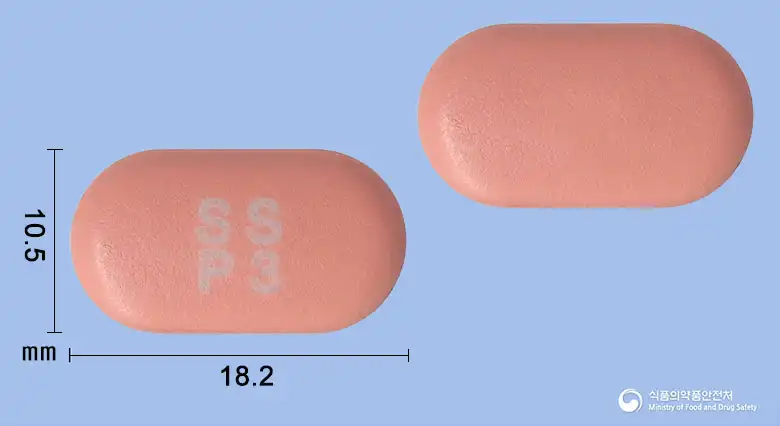
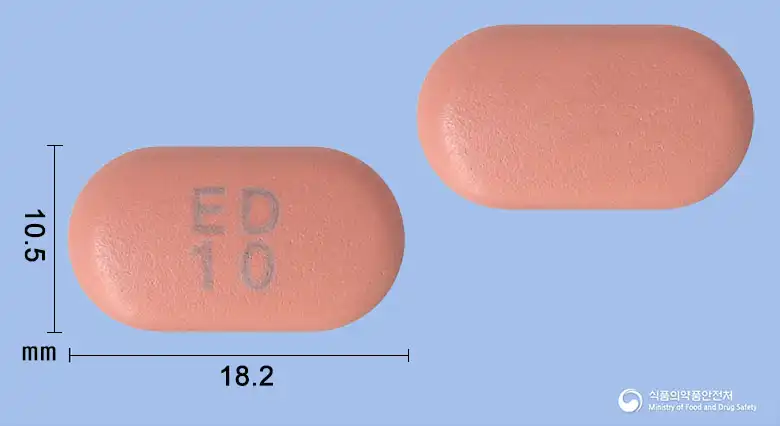
Pink oval film-coated tablet
Package unit
30 tablets/box [(10 tablets/PTP x 3)]
Same-ingredient medicines
Even with the same ingredient, strength, dosage form and how it is taken can differ.
Even with the same ingredient, the dose and directions can differ by strength and dosage form. Talk to a doctor or pharmacist before switching from a medication you are already taking.
Questions about this medicine
No questions yet.
For anything that needs medical judgment, consult a doctor or pharmacist.
This drug information is based on data provided by the Korea Ministry of Food and Drug Safety. Consult a doctor or pharmacist for accurate dosage, administration, and usage instructions.

 한국어
한국어 English
 日本語
日本語 中文(简体)