Medication info
Sitagliptin M Tablet 50/1000 mg (Sitagliptin Hydrochloride Hydrate, Metformin Hydrochloride Colloidal Silicon Dioxide)

Sitagliptin M Tablet 50/1000 mg (Sitagliptin Hydrochloride Hydrate, Metformin Hydrochloride Colloidal Silicon Dioxide)

Prescription medicationTablet경구
Ingredient · strength
Sitagliptin Hydrochloride Hydrate›56.7mg / 1 tabletMetformin Hydrochloride with Colloidal Anhydrous Silica›1010mg / 1 tablet
Manufacturer / importer
(주)메디카코리아
Appearance
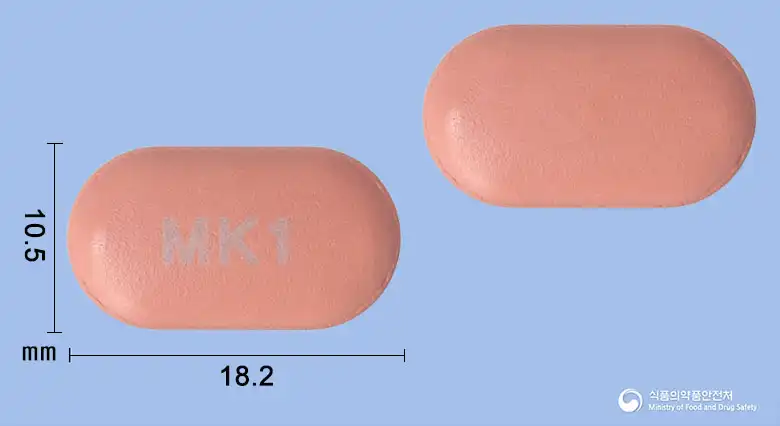
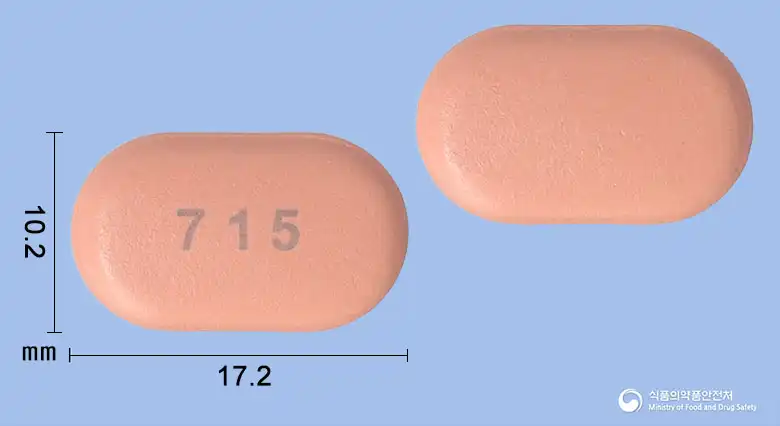
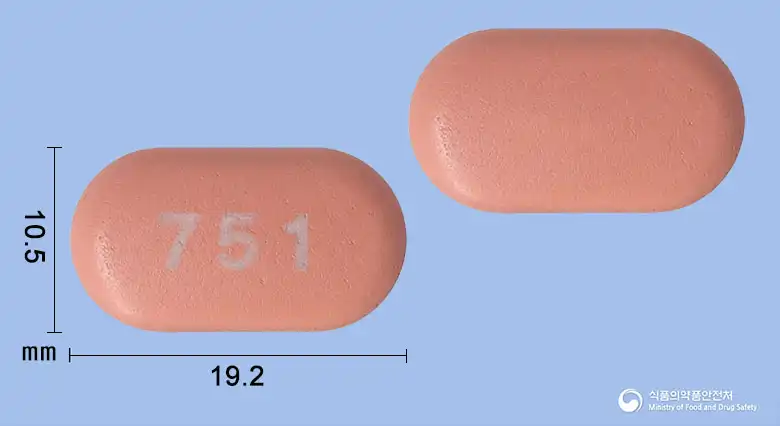
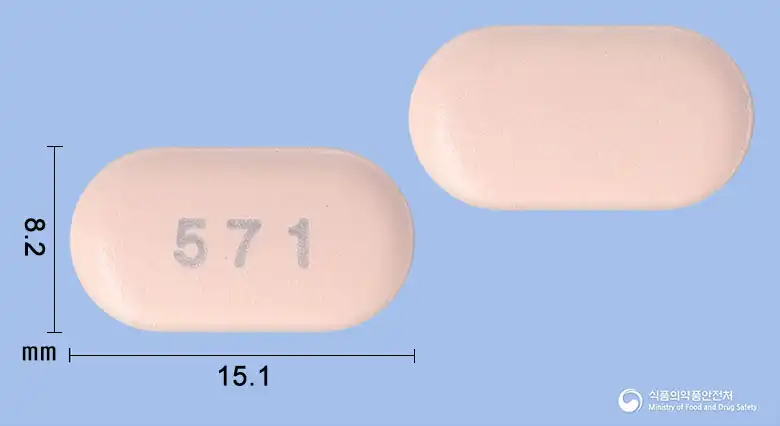
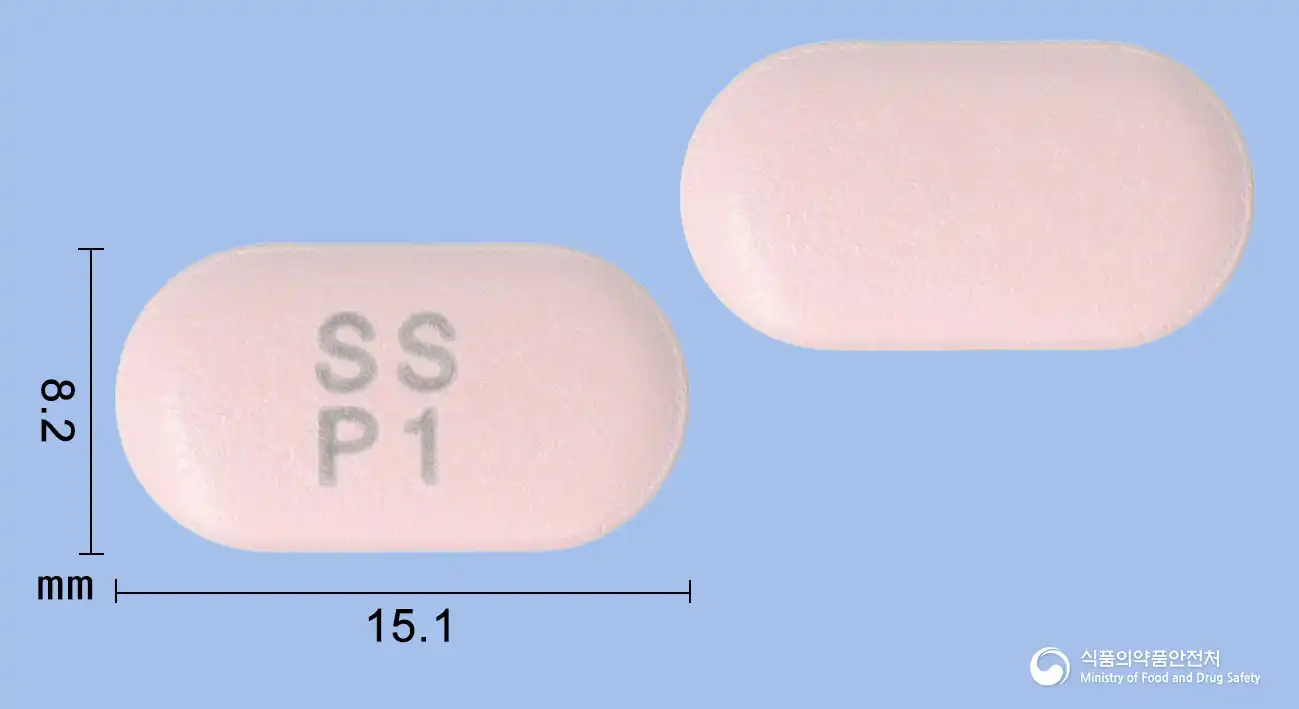
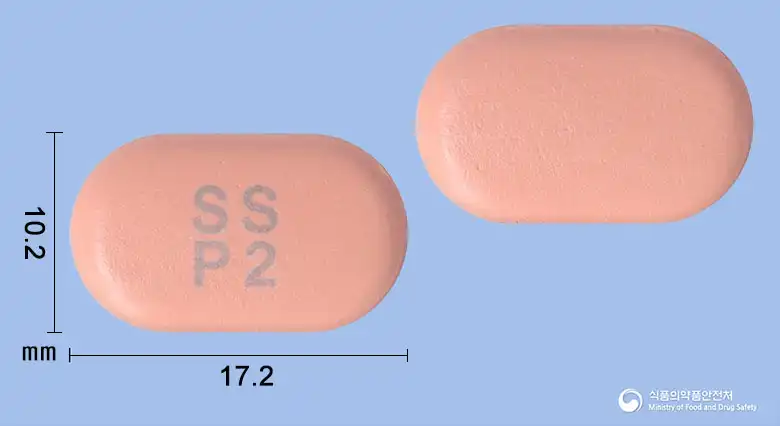
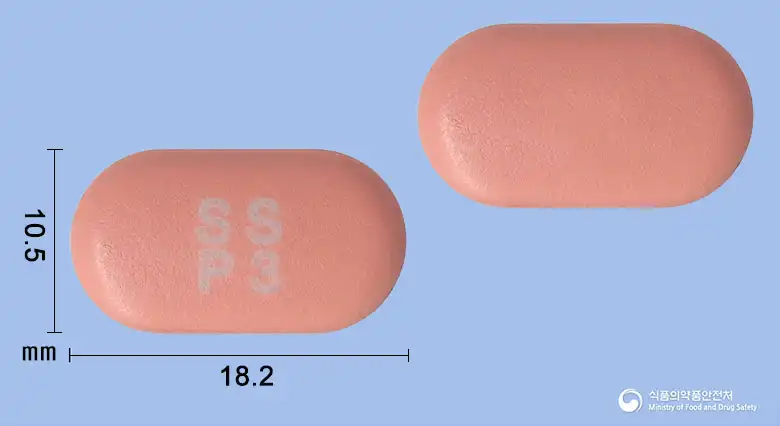
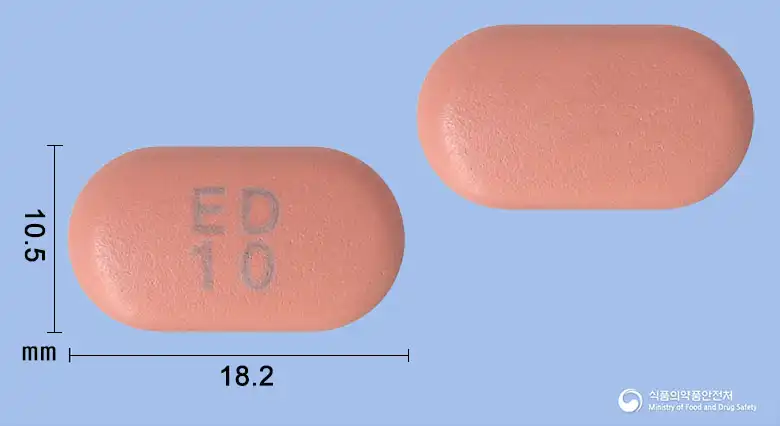
Pink oval film-coated tablet
Packaging
30 tablets/box [(10 tablets/PTP x 3)]
Approval status
Active

MFDS item code 202200315 · Approved 2022.01.19 · Insurance code 646005610

Summary

Main use
Improvement of blood glucose control in Type 2 diabetes
Who takes it
Adults
Adult dose
This medication is generally taken twice daily with food, and the dosage should be gradually increased to reduce gastrointestinal side effects caused by metformin. 1. For patients currently not on metformin therapy: The initial dosage is to take 50/500 mg of this medication twice a day, 1 tablet each time, and it can be increased to 50/1000 mg, 1 tablet twice a day. 2. For patients receiving metformin therapy:

Ingredients

Manufacturer
(주)메디카코리아

Efficacy & effects

Improvement of blood glucose control in Type 2 diabetes

  • Difficulty in blood glucose control in patients with Type 2 diabetes
View approved original text

This medication is used as an adjunctive therapy to diet and exercise to improve blood glucose control in patients with Type 2 diabetes. It can be administered to patients who have never been treated with diabetes medications or whose blood glucose is not adequately controlled with monotherapy. It can also be used as an alternative or in combination when blood glucose control is difficult with metformin or sitagliptin monotherapies. It is administered in conjunction with this medication when sufficient control is not achieved with metformin and sulfonylurea, or with metformin and thiazolidinedione combination therapies. Additionally, this medication can be used to assist blood glucose control when insulin and metformin combination therapy is insufficient. This medication effectively enhances blood glucose control in various therapeutic situations and aids in diabetes management.

How to take

Adult dose

This medication is generally taken twice daily with food, and the dosage should be gradually increased to reduce gastrointestinal side effects caused by metformin. 1. For patients currently not on metformin therapy: The initial dosage is to take 50/500 mg of this medication twice a day, 1 tablet each time, and it can be increased to 50/1000 mg, 1 tablet twice a day. 2. For patients receiving metformin therapy:

Precautions

This medication is a diabetes treatment that contains both sitagliptin and metformin, helping to control blood glucose. First, when taking this medication, serious allergic reactions may occur, so if symptoms such as skin rash, hives, or difficulty breathing appear, stop taking it immediately and consult a doctor. Additionally, there is a risk of pancreatitis, which is inflammation of the pancreas, so if there is abdominal pain, vomiting, or severe abdominal pain, immediate treatment should be sought. The metformin component in this medication can rarely cause a serious condition called lactic acidosis, which can become dangerous due to excessive lactate accumulation in the body, so if symptoms such as shortness of breath, muscle pain, fatigue, or abdominal pain appear, inform medical personnel immediately. This medication should not be taken by individuals with poor kidney function, acute infections, severe dehydration, or unstable heart function, and administration should be temporarily suspended if surgery is imminent or if undergoing exams using radiopaque agents. It is also safe for pregnant or breastfeeding women to avoid using this medication. While taking this medication, regular kidney function and blood tests should be performed, and vitamin B12 levels may decrease, so supplementation may be necessary if needed. Also, if used in combination with other diabetes medications or insulin, hypoglycemia may occur, so blood glucose changes should be carefully monitored, and appropriate action should be taken if symptoms arise. Excessive alcohol consumption can increase the risk of side effects from this medication, so it is advisable to avoid it. Finally, if sudden joint pain or blisters on the skin occur while taking this medication, it is important to inform a doctor to receive appropriate treatment.

Side effects and when to seek care immediately

Serious side effects

Hives, severe hypersensitivity reactions (anaphylaxis, angioedema, Stevens-Johnson syndrome), acute pancreatitis, lactic acidosis, acute renal failure, shortness of breath, unstable angina, dermatitis, blistering dermatitis, thrombocytopenia, increased liver enzyme levels, fatal hemorrhagic pancreatitis, severe edema, acute renal failure, severe hypoglycemia, severe joint pain accompanied with severe disability, severe skin reactions (severe rashes, blisters, peeling skin, mouth/eye lesions)

Mild side effects

  • Diarrhea
  • nausea
  • vomiting
  • abdominal pain
  • upper respiratory infection
  • nasopharyngitis
  • headache
  • hypoglycemia
  • constipation
  • asthenia
Show 11 more
  • pruritus
  • myalgia
  • limb pain
  • back pain
  • thrombocytopenia
  • itching
  • dizziness
  • decreased appetite
  • gastrointestinal disturbances
  • weight loss
  • dermatitis

Not everyone experiences these, and they can vary from person to person.

Storage

This medication should be stored in a tightly sealed container that is well-ventilated, and it is best to keep it at room temperature between 1 degree and 30 degrees Celsius. Proper storage like this helps maintain the medication's efficacy and prevents deterioration.

Appearance and packaging

Appearance

Pink oval film-coated tablet

Package unit

30 tablets/box [(10 tablets/PTP x 3)]

Same-ingredient medicines

Even with the same ingredient, strength, dosage form and how it is taken can differ.

Even with the same ingredient, the dose and directions can differ by strength and dosage form. Talk to a doctor or pharmacist before switching from a medication you are already taking.

Questions about this medicine

No questions yet.

For anything that needs medical judgment, consult a doctor or pharmacist.

Related searches

Search tags

Suggested searches

This drug information is based on data provided by the Korea Ministry of Food and Drug Safety.
Consult a doctor or pharmacist for accurate dosage, administration, and usage instructions.