Medication info
Sitagliptin M 50/850 mg tablet (Sitagliptin hydrochloride monohydrate, Metformin hydrochloride, colloidal silicon dioxide)

Sitagliptin M 50/850 mg tablet (Sitagliptin hydrochloride monohydrate, Metformin hydrochloride, colloidal silicon dioxide)

Prescription medicationTablet경구
Ingredient · strength
Sitagliptin Hydrochloride Hydrate›56.7mg / 1 tabletMetformin Hydrochloride with Colloidal Anhydrous Silica›858.5mg / 1 tablet
Manufacturer / importer
(주)메디카코리아
Appearance
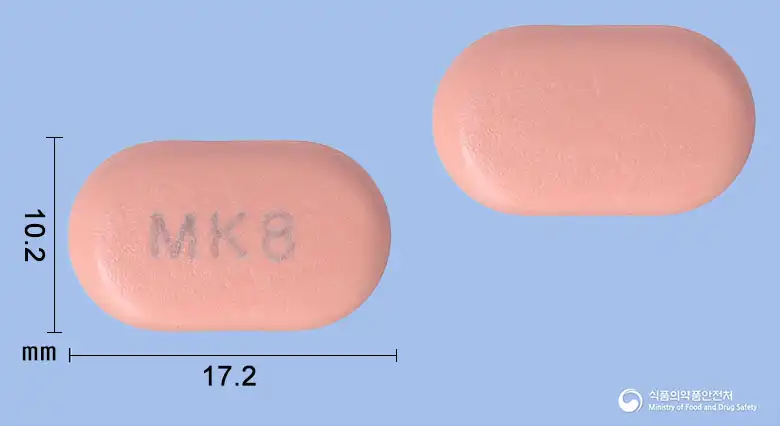
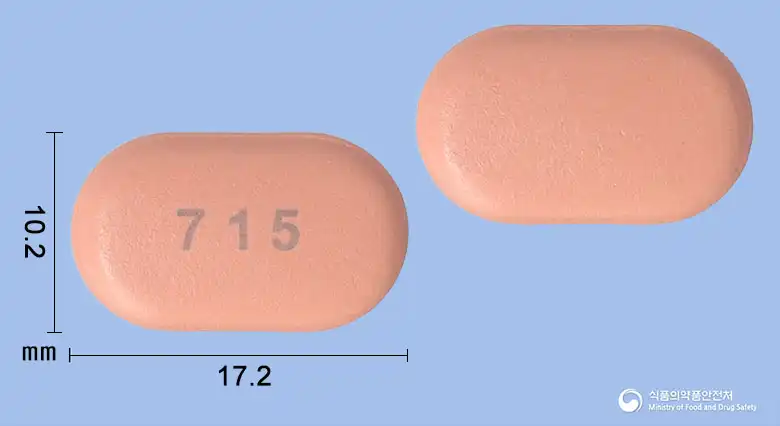
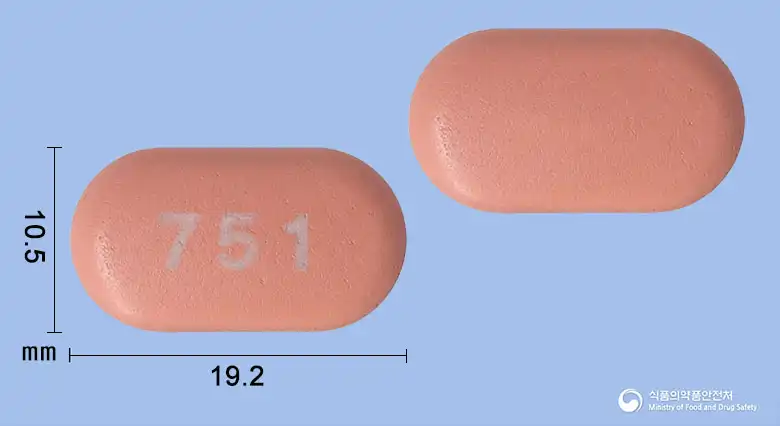
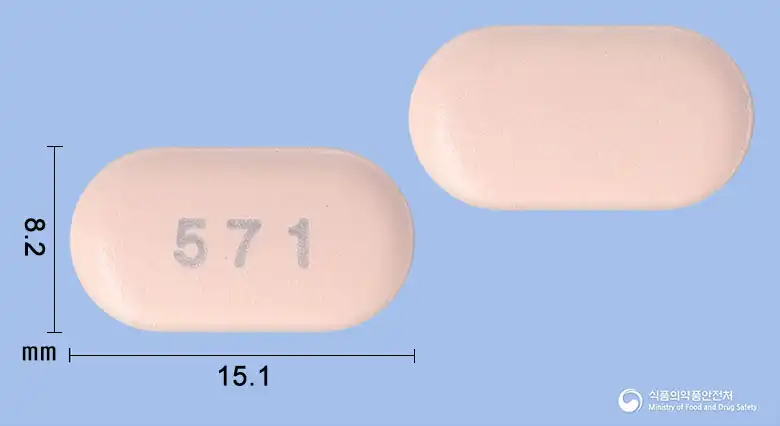
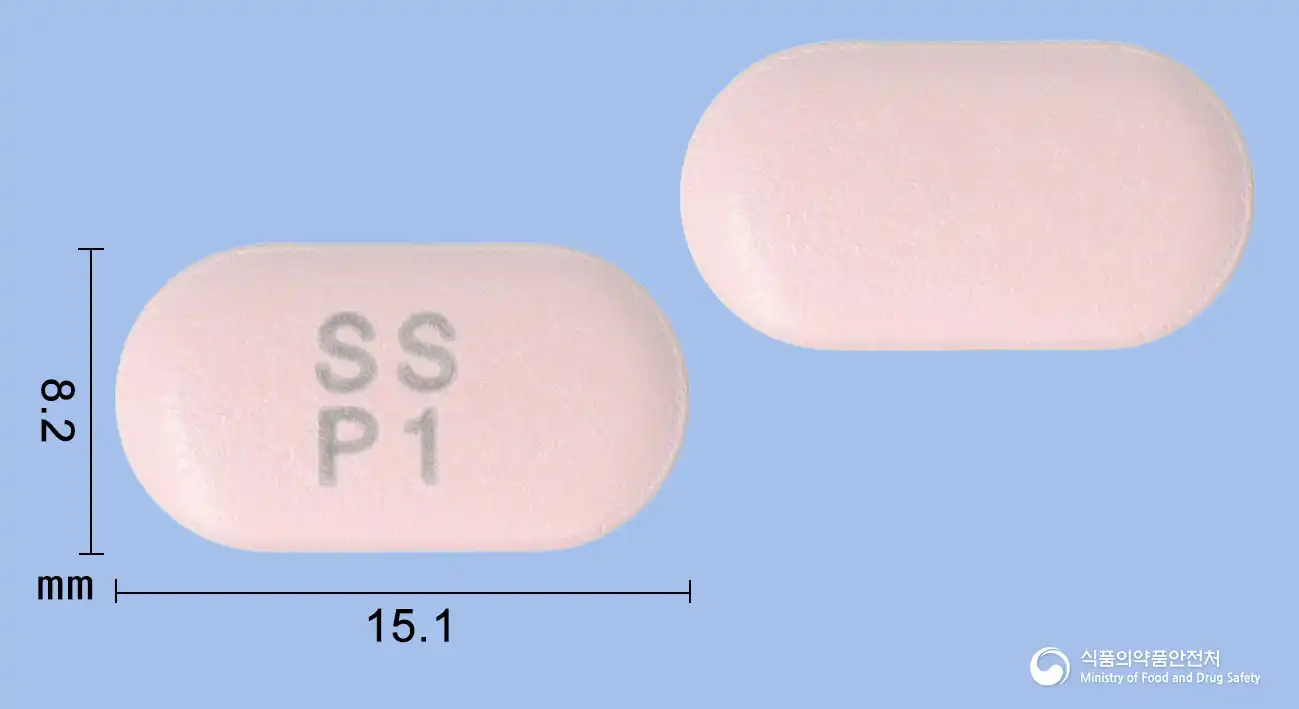
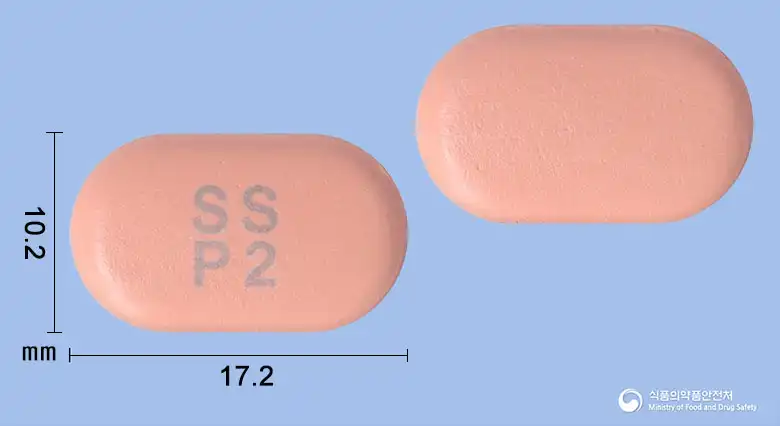
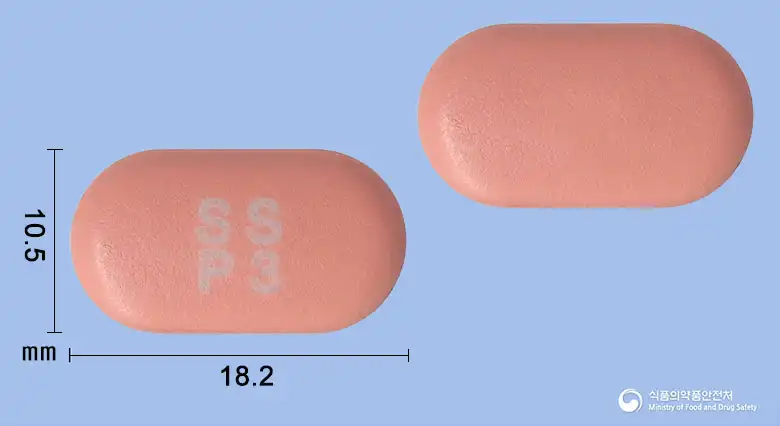
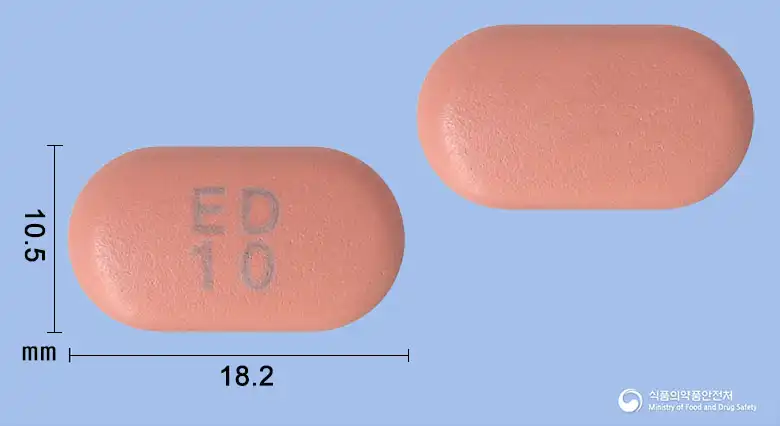
Pink oval film-coated tablet
Packaging
30 tablets/box [(10 tablets/PTP x 3)]
Approval status
Active

MFDS item code 202200313 · Approved 2022.01.19 · Insurance code 646005590

Summary

Main use
Improvement of blood sugar control in type 2 diabetes
Who takes it
Adults
Adult dose
This medication is generally taken twice daily with food, gradually increasing the dose to reduce gastrointestinal adverse reactions related to metformin. 1. For patients not currently being treated with metformin: The initial dose is 1 tablet (50/500 mg) taken twice daily, and it can be increased to 50/1000 mg. 2. For patients currently on metformin: The recommended initial dosage is sitagliptin 50 mg taken twice daily (total daily dosage 100 mg) with existing metformin dosing.

Ingredients

Manufacturer
(주)메디카코리아

Efficacy & effects

Improvement of blood sugar control in type 2 diabetes

  • Difficulty controlling blood sugar in patients with type 2 diabetes
View approved original text

This medication is administered as an adjunct to diet and exercise to improve blood sugar control in patients with type 2 diabetes. Specifically, it is used in cases where patients have never received diabetes medication treatment, or when sufficient blood sugar control is difficult with monotherapy. It is also administered when blood sugar control with metformin or sitagliptin monotherapy is insufficient or when replacing combination therapy with these two drugs. Additionally, this drug is used in combination with sulfonylurea or thiazolidinedione when blood sugar is not controlled with metformin and sulfonylurea or metformin and thiazolidinedione combinations. It may be administered in combination with insulin if blood sugar control is difficult with insulin and metformin. It effectively improves blood sugar control in various treatment scenarios.

How to take

Adult dose

This medication is generally taken twice daily with food, gradually increasing the dose to reduce gastrointestinal adverse reactions related to metformin. 1. For patients not currently being treated with metformin: The initial dose is 1 tablet (50/500 mg) taken twice daily, and it can be increased to 50/1000 mg. 2. For patients currently on metformin: The recommended initial dosage is sitagliptin 50 mg taken twice daily (total daily dosage 100 mg) with existing metformin dosing.

Precautions

This medication contains sitagliptin and metformin, and there are several precautions to consider while taking it. First, this medication may cause allergic reactions; therefore, if symptoms such as a skin rash, difficulty breathing, or swelling of the face or neck occur, discontinue use immediately and consult with a physician. In addition, serious side effects such as acute pancreatitis, which is inflammation of the pancreas, have been reported. If abdominal pain, nausea, or vomiting occurs during treatment, notify medical personnel immediately. The metformin component may rarely cause lactic acidosis, a serious metabolic abnormality, so if sudden muscle pain, fatigue, difficulty breathing, or abdominal pain occurs, immediate treatment is necessary. This medication should not be administered to patients with moderate or severe renal impairment or severe hepatic dysfunction. Furthermore, treatment with this drug should be temporarily suspended before and after surgery or examinations using iodinated contrast media, and it should be resumed only after normal renal function is confirmed. It is recommended that this medication not be used in pregnant women or breastfeeding mothers. Elderly patients may have decreased renal function, thus regular renal function checks are necessary, and dosage adjustment may be required. During treatment with this medication, alcohol consumption should be avoided, and treatment should be discontinued and a physician consulted in cases of sudden dehydration, severe infections, or cardiovascular problems. When taken in conjunction with other drugs that lower blood sugar, hypoglycemic symptoms may occur, so it is crucial to monitor symptoms closely and adjust drug dosage as necessary. Finally, it is important to have regular checks of blood sugar, renal function, and blood tests to monitor for adverse reactions during treatment with this medication.

Side effects and when to seek care immediately

Serious side effects

  • Hives, severe swelling (angioedema), chest tightness, difficulty breathing, cold sweat, pallor (severe allergic reaction)
  • Severe rash with high fever, blisters, skin peeling, pain of oral/ocular mucosa (severe skin abnormal reaction)
  • Difficulty breathing or shortness of breath, asthma attacks, cough with fever accompanying respiratory abnormalities
  • Yellowing of skin or eyes (jaundice), profound fatigue (liver abnormalities)
  • Sudden and severe headache, lightning-like headache

Mild side effects

  • Diarrhea
  • nausea
  • vomiting
  • abdominal pain
  • upper respiratory infections
  • nasopharyngitis
  • headache
  • hypoglycemia
  • constipation
  • weakness
Show 10 more
  • muscle pain
  • limb pain
  • back pain
  • pruritus
  • thrombocytopenia
  • itching
  • dizziness
  • decreased appetite
  • dermatitis
  • weight loss

Not everyone experiences these, and they can vary from person to person.

Storage

This medication should be stored in a tightly closed container to prevent air exposure and kept at room temperature between 1°C and 30°C. Proper storage will help maintain the medication's effectiveness for a longer period.

Appearance and packaging

Appearance

Pink oval film-coated tablet

Package unit

30 tablets/box [(10 tablets/PTP x 3)]

Same-ingredient medicines

Even with the same ingredient, strength, dosage form and how it is taken can differ.

Even with the same ingredient, the dose and directions can differ by strength and dosage form. Talk to a doctor or pharmacist before switching from a medication you are already taking.

Questions about this medicine

No questions yet.

For anything that needs medical judgment, consult a doctor or pharmacist.

Related searches

Search tags

Suggested searches

This drug information is based on data provided by the Korea Ministry of Food and Drug Safety.
Consult a doctor or pharmacist for accurate dosage, administration, and usage instructions.