Improvement of blood glucose control in type 2 diabetes mellitus
Who uses it
Adults
Adult dosage
This medicine may be administered as 1 tablet once daily, with or without food, to patients receiving sitagliptin 100 mg and dapagliflozin 10 mg. The tablet should be swallowed whole.
No dose adjustment is necessary when the estimated glomerular filtration rate[estimated glomerular filtration rate(eGFR)] is 45 mL/min/1.73m2 or higher.
Do not administer this medicine when the estimated glomerular filtration rate(eGFR) is less than 45 mL/min/1.73 m2.
No dose adjustment is necessary for patients with mild or moderate hepatic impairment. Use of this medicine is not recommended in patients with severe hepatic impairment.
Improvement of blood glucose control in type 2 diabetes mellitus
View approved original textHide original text
This medication helps patients with type 2 diabetes to manage their blood sugar levels more effectively. It can be combined with diet and exercise to achieve better blood sugar control. Particularly suitable for patients taking both sitagliptin and dapagliflozin, it assists in improving blood glucose levels. This medication exerts a positive effect on blood sugar management for diabetic treatment.
Dosage and Administration
Adult dosage
This medicine may be administered as 1 tablet once daily, with or without food, to patients receiving sitagliptin 100 mg and dapagliflozin 10 mg. The tablet should be swallowed whole.
No dose adjustment is necessary when the estimated glomerular filtration rate[estimated glomerular filtration rate(eGFR)] is 45 mL/min/1.73m2 or higher.
Do not administer this medicine when the estimated glomerular filtration rate(eGFR) is less than 45 mL/min/1.73 m2.
No dose adjustment is necessary for patients with mild or moderate hepatic impairment. Use of this medicine is not recommended in patients with severe hepatic impairment.
Precautions
This medication may cause severe allergic reactions due to the sitagliptin component, so if symptoms such as rash, difficulty breathing, or swelling of the face or neck occur, discontinue use immediately and consult a physician.
It has also been reported to cause a serious side effect known as acute pancreatitis, which is an inflammation of the pancreas; if abdominal pain, vomiting, or nausea occurs, visit a medical facility immediately.
This medication is not to be administered to patients with type 1 diabetes, diabetic ketoacidosis, or those undergoing dialysis.
The dapagliflozin component may lead to dehydration and kidney function deterioration, so especially in patients with impaired kidney function or elderly patients, kidney status and fluid volume should be periodically monitored before and during treatment.
Since the blood sugar control effect varies according to kidney function, the use of this medication is not recommended in patients with moderate to severe renal impairment.
This medication may increase the risk of genital infections and urinary tract infections, thus early treatment is necessary if any infection symptoms occur.
When used in conjunction with insulin or sulfonylureas, which have a risk of hypoglycemia, patients should be vigilant for symptoms of low blood sugar and adjust the dosage of those medications if necessary.
Pregnant or nursing women should avoid using this medication, and if pregnancy is confirmed, usage should be discontinued immediately.
Elderly patients may have reduced kidney function, therefore it is necessary to conduct kidney function tests before and after taking this medication, and special attention should be paid to fluid volume reductions.
In case of overdose, there is no specific antidote, so appropriate treatment should be administered based on symptoms, and dialysis may be considered if necessary.
This medication does not significantly affect the ability to drive or operate machinery, but caution is advised due to the risk of hypoglycemia.
Lastly, keep this medication out of reach of children and store it in its original container to maintain quality.
Not everyone experiences these, and they can vary from person to person.
Storage
Store this medication in a tightly sealed container to protect it from air exposure, and maintain storage temperature between 1 to 30 degrees Celsius (room temperature).
Proper storage will help preserve the effectiveness of the medication and prevent deterioration.
Appearance and packaging
Appearance
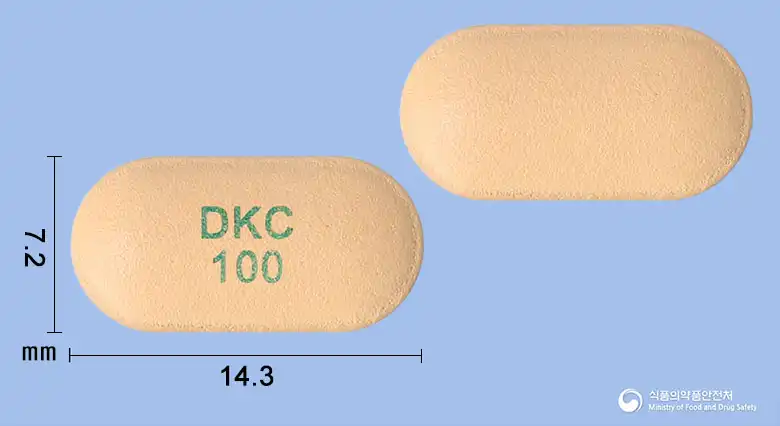
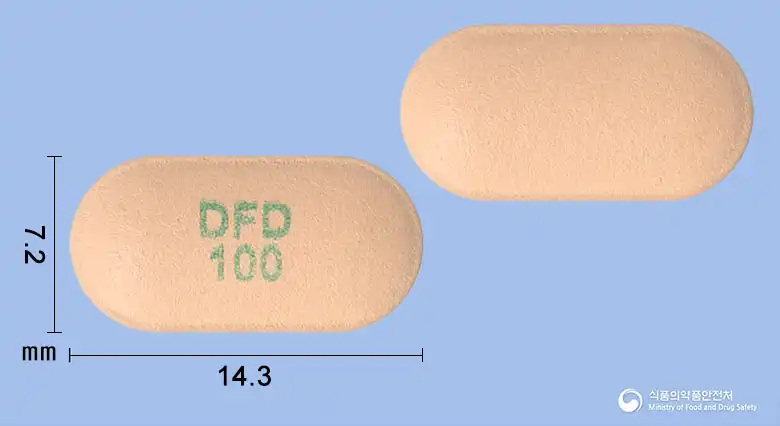
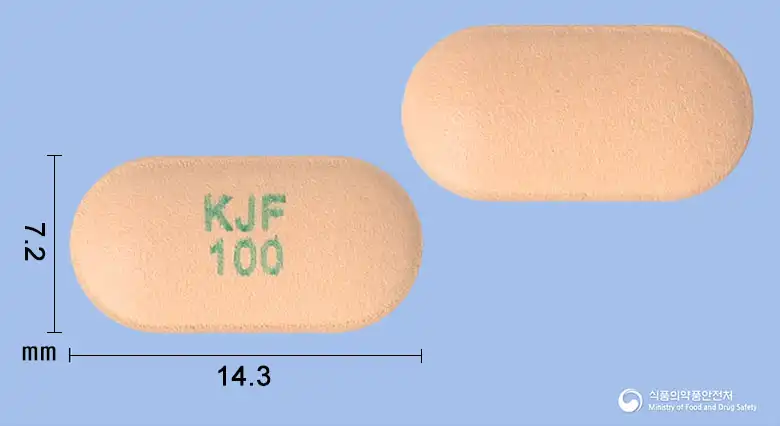
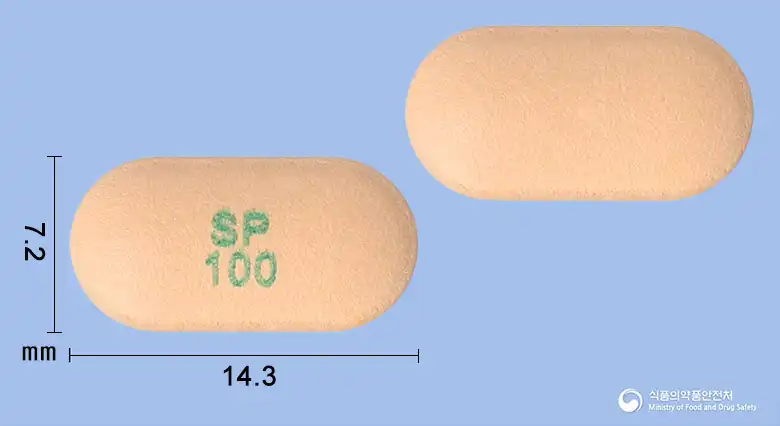
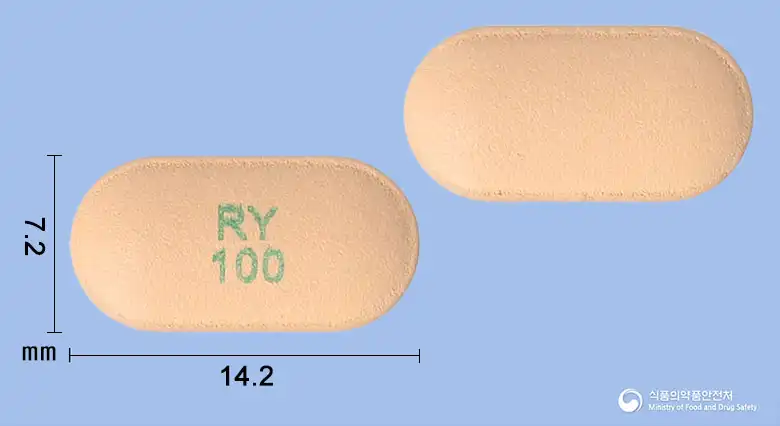
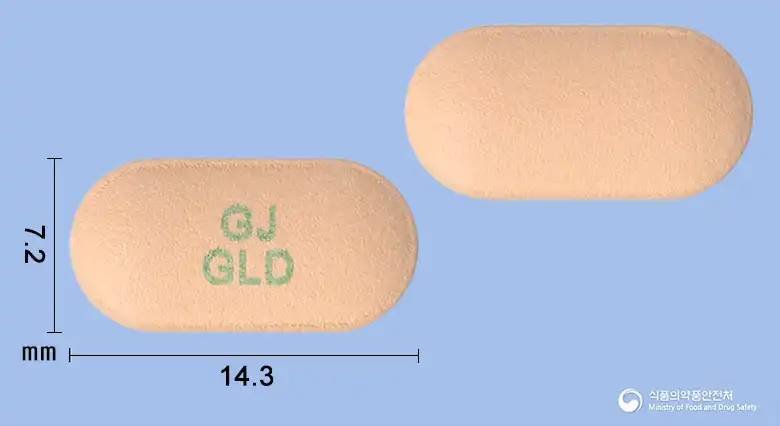
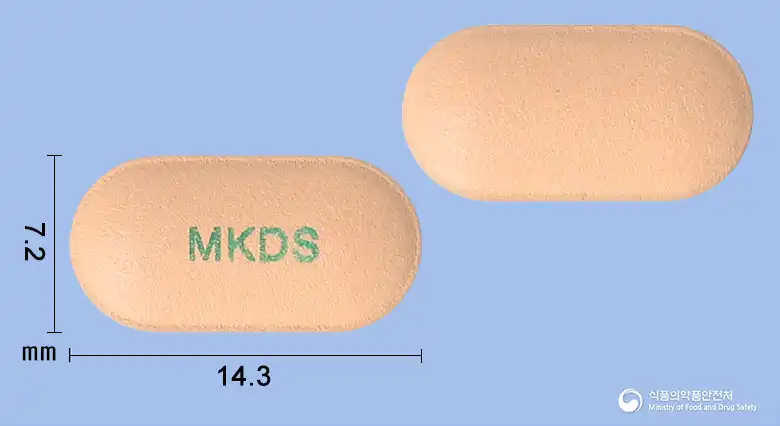
Bright yellow rectangular film-coated tablet
Package unit
Box - 30 tablets/box [10 tablets/Alu-Alu x 3], Box - 28 tablets/box [7 tablets/Alu-Alu x 4]
Same-ingredient medicines
Even with the same ingredient, strength, dosage form and how it is taken can differ.
Even with the same ingredient, the dose and directions can differ by strength and dosage form. Talk to a doctor or pharmacist before switching from a medication you are already taking.
Questions about this medicine
No questions yet.
For anything that needs medical judgment, consult a doctor or pharmacist.
This drug information is based on data provided by the Korea Ministry of Food and Drug Safety. Consult a doctor or pharmacist for accurate dosage, administration, and usage instructions.

 한국어
 English
 日本語
 中文(简体)
 Viewing nowCombination