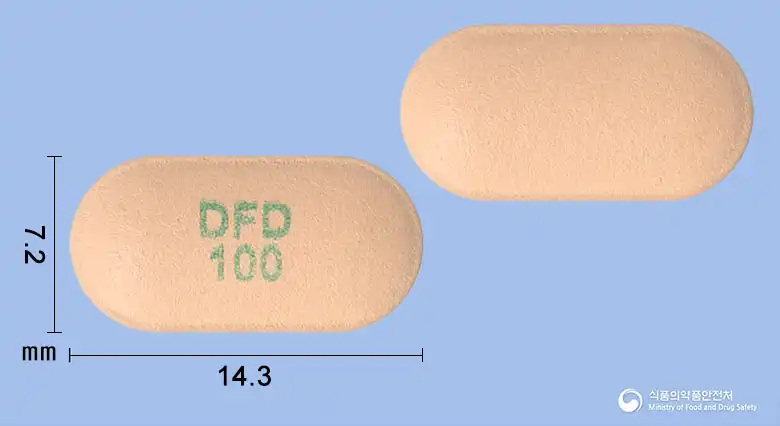
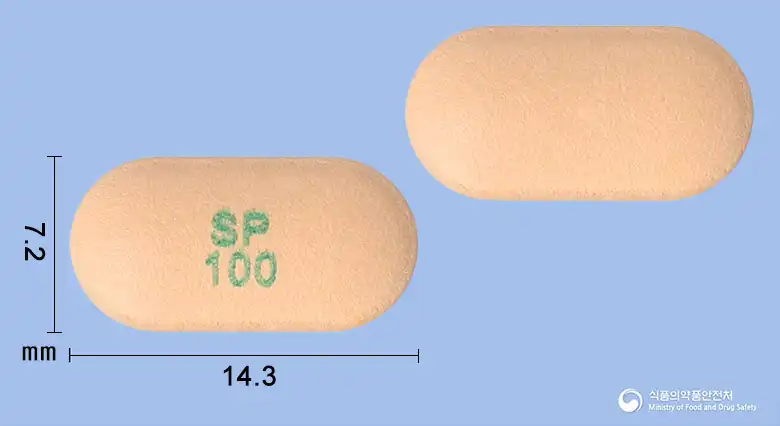
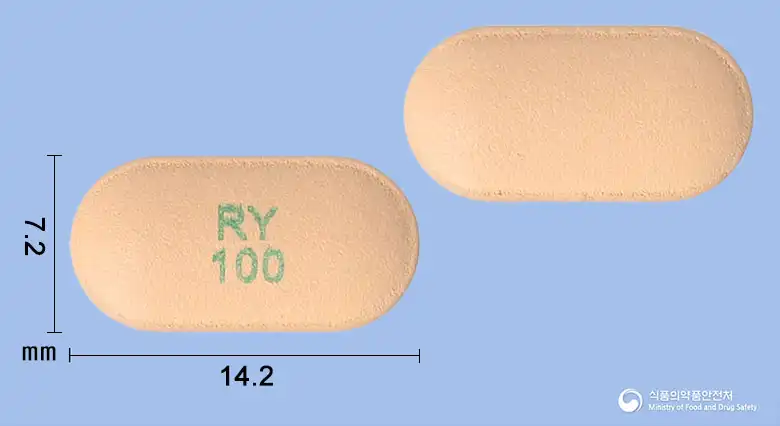
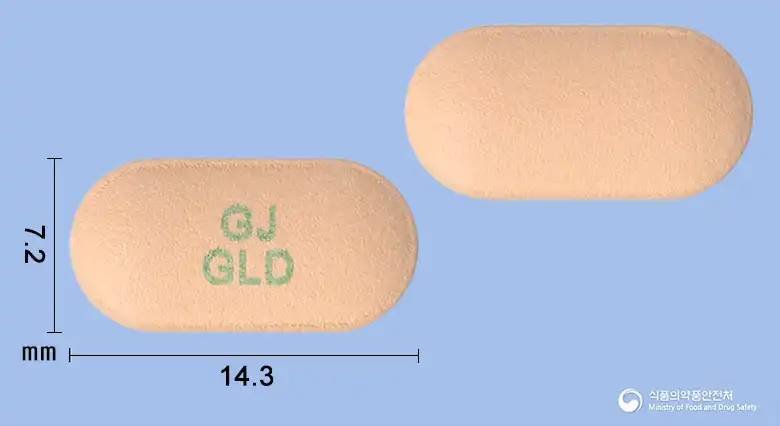
Box - 28 tablets/box [(7 tablets/PTP (Alu-Alu) x 4)]
Approval status
Active
MFDS item code 202200214 · Approved 2022.01.12
Summary
Main use
Improvement of blood glucose control in patients with type 2 diabetes mellitus
Who uses it
Adults
Adult dosage
For patients taking sitagliptin 100 mg and dapagliflozin 10 mg, 1 tablet of this medicine may be taken once daily, with or without food. The tablet should be swallowed whole.
No dose adjustment is necessary if the estimated glomerular filtration rate[estimated glomerular filtration rate(eGFR)] is 45 mL/min/1.73m2 or higher.
Do not administer this medicine if the estimated glomerular filtration rate(eGFR) is less than 45 mL/min/1.73 m2.
No dose adjustment is necessary in patients with mild or moderate hepatic impairment. Use of this medicine is not recommended in patients with severe hepatic impairment.
Improvement of blood glucose control in patients with type 2 diabetes mellitus
View approved original textHide original text
This medication is used to assist in the management of blood sugar levels in patients with type 2 diabetes who are following dietary and exercise regimens. The components sitagliptin and dapagliflozin work together to effectively help manage blood sugar. Taking this medication improves blood sugar levels to aid in the management of diabetes.
Dosage and Administration
Adult dosage
For patients taking sitagliptin 100 mg and dapagliflozin 10 mg, 1 tablet of this medicine may be taken once daily, with or without food. The tablet should be swallowed whole.
No dose adjustment is necessary if the estimated glomerular filtration rate[estimated glomerular filtration rate(eGFR)] is 45 mL/min/1.73m2 or higher.
Do not administer this medicine if the estimated glomerular filtration rate(eGFR) is less than 45 mL/min/1.73 m2.
No dose adjustment is necessary in patients with mild or moderate hepatic impairment. Use of this medicine is not recommended in patients with severe hepatic impairment.
Precautions
This medication contains sitagliptin and dapagliflozin as the main ingredients and is used for diabetes treatment.
First, there is a risk of severe allergic reactions during the use of this medication, so if symptoms such as skin rash, difficulty breathing, or swelling of the face or neck occur, you should immediately stop taking the medication and consult a doctor.
Additionally, there is a risk of acute pancreatitis, which is inflammation of the pancreas, so if you experience severe abdominal pain, vomiting, or nausea, you should immediately visit a hospital.
Especially, dapagliflozin included in this medication can reduce body fluid levels, leading to hypotension or kidney dysfunction, so attention should be paid if symptoms of dehydration or dizziness appear.
This medication is not intended for certain patients, such as those with allergies to the main ingredients or additives, patients with type 1 diabetes, or patients undergoing dialysis.
Dose adjustments are necessary for elderly patients or those with reduced kidney function, and kidney function should be regularly monitored before and during administration.
Furthermore, the risk of hypoglycemia may increase when this medication is used alongside other blood sugar-lowering medications like insulin or sulfonylureas, so dosage adjustments of these medications may be necessary.
During treatment, there may be a higher incidence of genital or urinary infections, so immediate treatment is required if infection symptoms occur.
Women who are pregnant or breastfeeding are advised to avoid using this medication, and if pregnancy is confirmed, use should be discontinued.
Finally, the safety and efficacy of this medication have not been established for children, and caution should be taken for hypoglycemic symptoms while driving or operating machinery.
Regular check-ups and symptom monitoring are essential during the use of this medication, and any unusual symptoms should be discussed with a healthcare provider immediately.
Side effects
Severe hypersensitivity reactions
anaphylaxis
angioedema
Stevens-Johnson syndrome
exfoliative skin disease
acute pancreatitis
hemorrhagic pancreatitis
necrotizing pancreatitis
genital infections
vulvitis
Show 218 moreCollapse
balanitis
fungal infections
perineal necrosis
hypoglycemia
decreased fluid volume
thirst
diabetic ketoacidosis
dizziness
constipation
dry mouth
back pain
dysuria
polyuria
nocturia
vulvar pruritus
genital pruritus
elevated hematocrit
decreased renal creatinine clearance
dyslipidemia
elevated serum creatinine
elevated blood urea nitrogen
weight loss
urinary tract infection
acute pyelonephritis
acute renal failure
rash
urticaria
cutaneous vasculitis
elevated liver enzymes
severe and disabling arthralgia
blistering similar to pemphigus
myalgia
limb pain
back pain
interstitial lung disease
pruritus
thrombocytopenia
rhabdomyolysis
pneumonia
diabetes complications
metabolic acidosis
falls
cardiac arrest
gastroesophageal reflux disease
epigastric pain
diverticulitis
intestinal perforation
chronic pancreatitis
hyperglycemia
sensory disturbances
cerebral infarction
nerve compression
sinusitis
diverticulitis
pelvic inflammatory disease
pulmonary tuberculosis
asthenia
pain
ligament sprain
keratitis
chronic obstructive pulmonary disease
hemoptysis
intracerebral hemorrhage
peripheral artery occlusion
angina
myocardial infarction
bile duct stones
cholangitis
alcoholic liver cirrhosis
depression
suicide attempt
gastric adenocarcinoma
anaphylactoid reaction
dyspepsia
nausea
diarrhea
vomiting
urinary retention
elevated alanine aminotransferase
elevated aspartate aminotransferase
decreased appetite
thirst
headache
nasopharyngitis
chest pain
hunger
vaginal discharge
pruritus
arthralgia
musculoskeletal pain
limb pain
muscle weakness
myalgia
osteoarthritis
ligament sprain
diabetic retinopathy
cough
dyspnea
orthostatic hypotension
palpitations
insomnia
fatty liver
gallbladder polyps
tinnitus
taste disturbances
drowsiness
tension headache
carpal tunnel syndrome
diabetic neuropathy
unconsciousness
neuralgia
peripheral neuropathy
sleep disorders
syncope
tremor
herpes simplex
edema
fever
foreign body sensation
facial edema
facial pain
warmth
flu-like syndrome
breast mass
erectile dysfunction
benign prostatic hyperplasia
breast pain
genital rash
menorrhagia
genital edema
uterine bleeding
vaginal bleeding
vulvar discomfort
menstrual irregularities
hair loss
dermatitis
dry skin
allergic dermatitis
contact dermatitis
diabetic foot ulcers
sweating abnormal eczema
coin eczema
eczema
hyperkeratosis
nail pigmentation
skin lesions
cold sweat
dermatitis
dry skin
hyperkeratosis
skin lesions
flank pain
fibromyalgia
limb discomfort
muscle spasms
musculoskeletal discomfort
osteoporosis
contusion
orbital fracture
ankle fracture
gastrointestinal foreign body
hand fracture
iliac fracture
laceration
ligament rupture
limb injury
skin abrasion
tendon rupture
thoracic spine fracture
tibia fracture
dental damage
dry eye
ocular pain
retinal disorders
vision impairment
blepharitis
cataract
conjunctival edema
allergic conjunctivitis
conjunctivitis
diplopia
eyelid edema
glaucoma
visual impairment
vitreous floaters
oral-pharyngeal pain
allergic rhinitis
asthma
voice disorders
nasal bleeding
sputum
sleep apnea syndrome
wheezing
atherosclerosis
flushing
peripheral coldness
varicose veins
vascular headaches
orthostatic hypotension
angina
atrial fibrillation
diastolic dysfunction
anxiety disorder
nocturia
auditory hallucinations
sleep disorders
gallbladder polyps
liver cysts
vertigo
adenoma
anal genital warts
neuroma
unspecified pituitary neoplasm
male reproductive gland hypofunction
thyroid cyst
thyroid nodule
food allergies
polycythemia
Not everyone experiences these, and they can vary from person to person.
Storage
This medication must be stored in a tightly closed container to protect it from air and moisture. The recommended storage temperature is between 1 degree and 30 degrees Celsius.
Appearance and packaging
Appearance
Bright yellow rectangular film-coated tablets
Package unit
Box - 28 tablets/box [(7 tablets/PTP (Alu-Alu) x 4)]
Same-ingredient medicines
Even with the same ingredient, strength, dosage form and how it is taken can differ.
Even with the same ingredient, the dose and directions can differ by strength and dosage form. Talk to a doctor or pharmacist before switching from a medication you are already taking.
Questions about this medicine
No questions yet.
For anything that needs medical judgment, consult a doctor or pharmacist.
This drug information is based on data provided by the Korea Ministry of Food and Drug Safety. Consult a doctor or pharmacist for accurate dosage, administration, and usage instructions.

 한국어
 English
 日本語
 中文(简体)