
 한국어
한국어 English
 日本語
日本語 中文(简体)
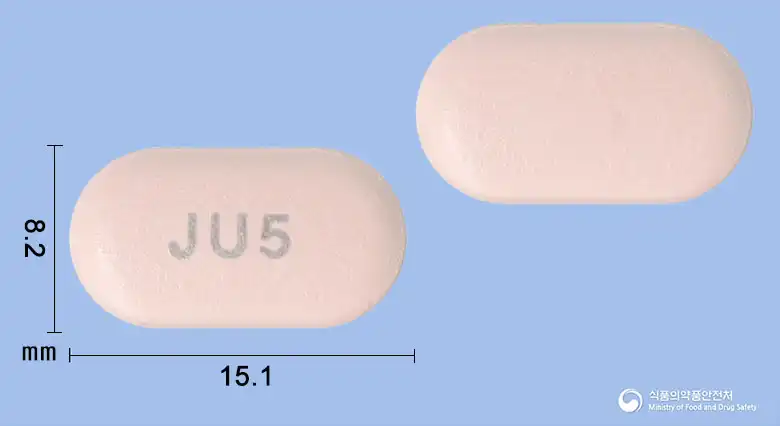 Viewing nowCombination
Janugleptin Met Tablet 50/500 mg
Sitagliptin Hydrochloride Hydrate 56.7mg · Metformin Hydrochloride with Colloidal Anhydrous Silica 505mg
Tablet · Prescription medication · Combination
Korea Prime Pharmaceutical Co., Ltd.
MFDS item code 202200209 · Approved 2022.01.12 · Insurance code 663608750
Improvement of blood glucose control in type 2 diabetes
This medication is used to improve blood glucose control in patients with type 2 diabetes. It is especially helpful for those who have not previously experienced diabetes medication treatment and have difficulty controlling blood glucose with monotherapy. It is administered when metformin or sitagliptin monotherapy is insufficient, or when replacing therapy that uses both of these medications together. Additionally, it can be used in combination when blood glucose control is insufficient with metformin and sulfonylurea, or metformin and thiazolidinedione combination therapies. If control is still difficult with insulin and metformin, this medication can also be given together. By providing various methods of helping control blood glucose, it effectively improves treatment for type 2 diabetes.
The usual dose of this medication is taken twice daily with food, and the dosage should be gradually increased to reduce gastrointestinal side effects caused by metformin. 1. For patients not treated with metformin: The initial dose is 1 tablet (50/500 mg) taken twice daily, and adjustments are made to 50/1000 mg one tablet twice daily as the dose is increased. 2. For patients already being treated with metformin: The recommended initial dose is sitagliptin 50 mg taken twice daily (total 100 mg per day) alongside the current metformin regimen.
This medication contains both sitagliptin and metformin, which are components of diabetes treatment. Firstly, an allergic reaction may occur during treatment with this medication, so if skin rash, hives, difficulty breathing, etc., occur, the medication should be stopped immediately and a doctor should be consulted. Moreover, serious side effects such as acute pancreatitis have been reported, which is inflammation of the pancreas. Therefore, if abdominal pain, vomiting, or severe digestive discomfort occurs during use, medical personnel should be notified immediately. The metformin component of this medication can cause lactic acidosis, which is a rare but serious condition in which lactic acid builds up in the body. Symptoms such as fatigue, muscle pain, difficulty breathing, abdominal pain, etc., require immediate cessation of the medication and medical treatment. Patients with decreased kidney function, severe infections or dehydration, acute heart failure, or acute myocardial infarction should not take this medication. Women who are pregnant or may become pregnant, as well as nursing mothers, should also avoid taking this medication. While taking this medication, regular kidney function tests should be conducted and blood glucose control should be carefully monitored. This medication may cause hypoglycemia, so particularly when taken together with insulin or sulfonylurea medications, blood glucose changes should be closely monitored. In addition, alcohol consumption may increase the risk of lactic acidosis, so excessive drinking should be avoided during treatment. Patients scheduled for surgery should stop taking this medication 48 hours prior to the surgery, and resume after confirming that kidney function is normal post-surgery. During treatment with this medication, side effects such as diarrhea, nausea, vomiting, headache, and upper respiratory infections may occur, so if symptoms are severe, consult a doctor. Finally, it is important to maintain a consistent diet and exercise regimen while taking this medication, along with regular blood glucose checks and kidney function tests.
Not everyone experiences these, and they can vary from person to person.
This medication should be stored in a tightly closed container that does not allow air in, and it is advisable to keep it at room temperature between 1 degree and 30 degrees. This will help maintain the medication's efficacy for a longer period.
Bright pink oval film-coated tablet
30 tablets/box [(10 tablets/PTP x 3)]
Even with the same ingredient, strength, dosage form and how it is taken can differ.
Viewing nowCombinationSitagliptin Hydrochloride Hydrate 56.7mg · Metformin Hydrochloride with Colloidal Anhydrous Silica 505mg
Tablet · Prescription medication · Combination
Korea Prime Pharmaceutical Co., Ltd.
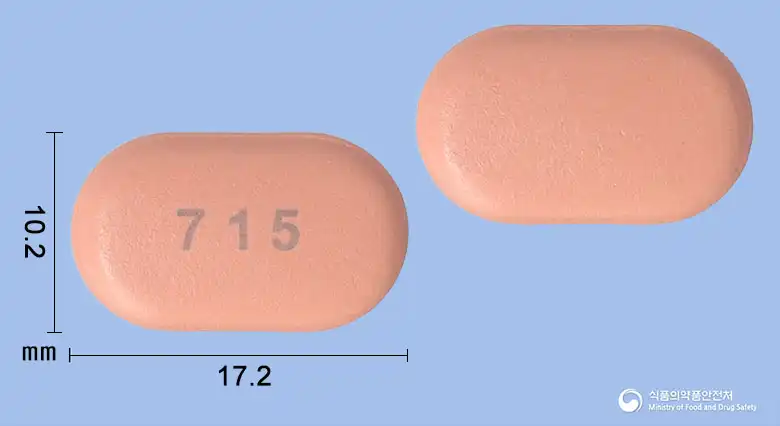 Combination
Sitagliptin Hydrochloride Hydrate 56.7mg · Metformin Hydrochloride with Colloidal Anhydrous Silica 858.5mg
Tablet · Prescription medication · Combination
Daewon Pharmaceutical Co., Ltd.
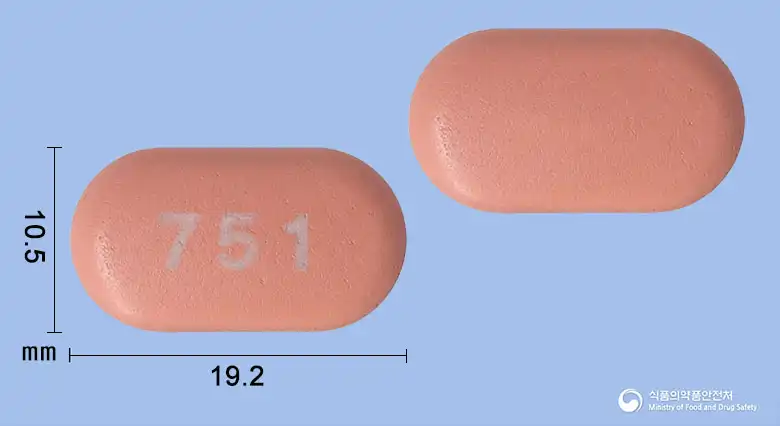 Combination
Sitagliptin Hydrochloride Hydrate 56.7mg · Metformin Hydrochloride with Colloidal Anhydrous Silica 1010mg
Tablet · Prescription medication · Combination
Daewon Pharmaceutical Co., Ltd.
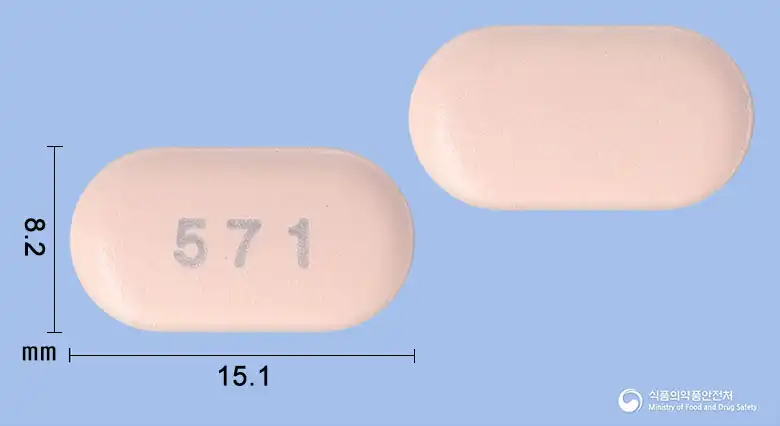 Combination
Sitagliptin Hydrochloride Hydrate 56.7mg · Metformin Hydrochloride with Colloidal Anhydrous Silica 505mg
Tablet · Prescription medication · Combination
Daewon Pharmaceutical Co., Ltd.
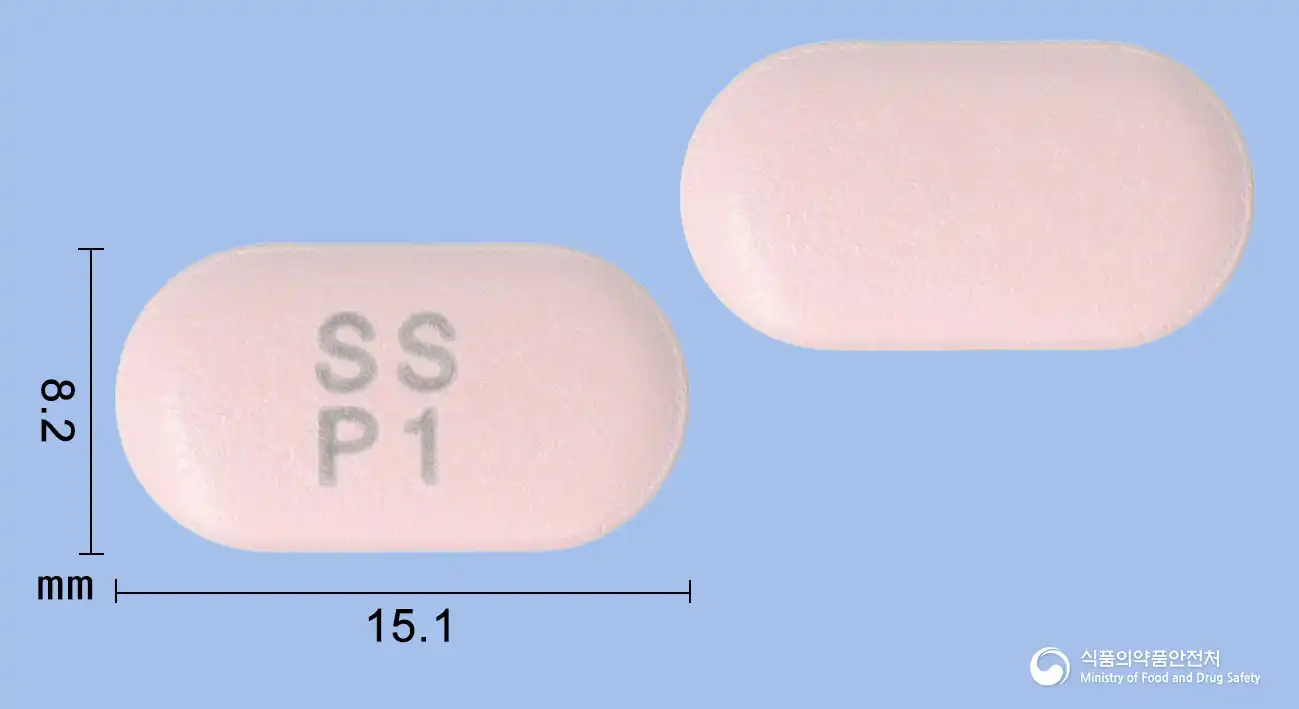 Combination
Sitagliptin Hydrochloride Hydrate 56.7mg · Metformin Hydrochloride with Colloidal Anhydrous Silica 505mg
Tablet · Prescription medication · Combination
Samsung Pharmaceutical Co., Ltd.
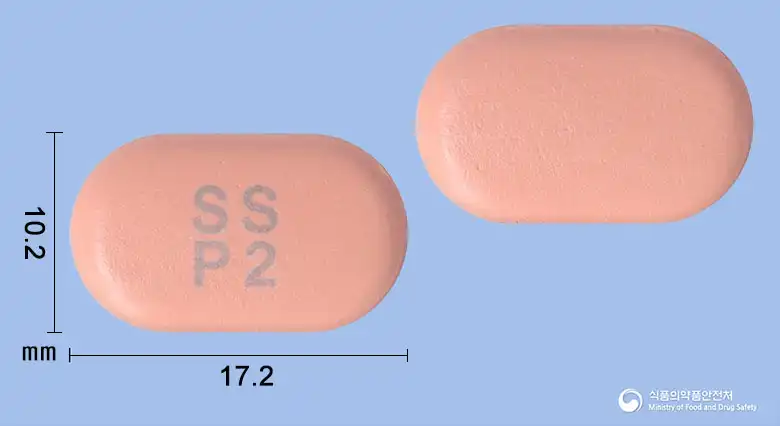 Combination
Sitagliptin Hydrochloride Hydrate 56.7mg · Metformin Hydrochloride with Colloidal Anhydrous Silica 858.5mg
Tablet · Prescription medication · Combination
Samsung Pharmaceutical Co., Ltd.
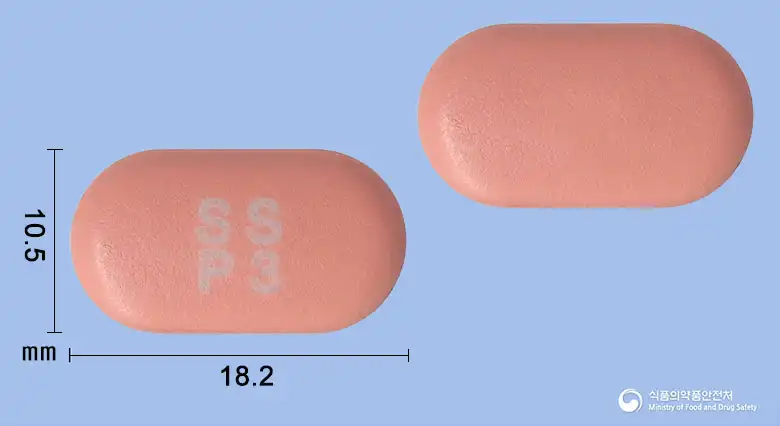 Combination
Sitagliptin Hydrochloride Hydrate 56.7mg · Metformin Hydrochloride with Colloidal Anhydrous Silica 1010mg
Tablet · Prescription medication · Combination
Samsung Pharmaceutical Co., Ltd.
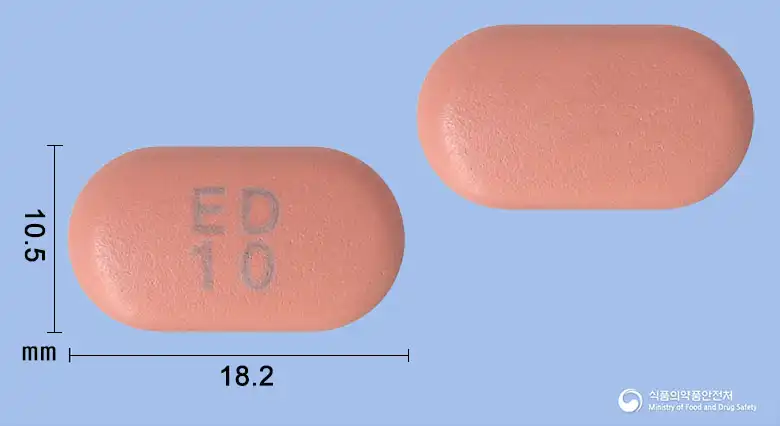 Combination
Sitagliptin Hydrochloride Hydrate 56.7mg · Metformin Hydrochloride with Colloidal Anhydrous Silica 1010mg
Tablet · Prescription medication · Combination
Eden Pharma Co., Ltd.
Even with the same ingredient, the dose and directions can differ by strength and dosage form. Talk to a doctor or pharmacist before switching from a medication you are already taking.
No questions yet.
For anything that needs medical judgment, consult a doctor or pharmacist.
This drug information is based on data provided by the Korea Ministry of Food and Drug Safety.
Consult a doctor or pharmacist for accurate dosage, administration, and usage instructions.