
 한국어
한국어 English
 日本語
日本語 中文(简体)
Dosage form image
Viewing nowCombinationAcytamet Tablet 50/500 mg
Sitagliptin Hydrochloride Hydrate 56.7mg · Metformin Hydrochloride with Colloidal Anhydrous Silica 505mg
Tablet · Prescription medication · Combination
Anguk Pharmaceutical Co., Ltd.
MFDS item code 202200203 · Approved 2022.01.11
Improvement of blood sugar control in type 2 diabetes
This medication helps to control blood sugar levels in patients with type 2 diabetes and assists dietary and exercise therapies. It can be used alone for patients starting diabetes medication for the first time. If blood sugar control is difficult with metformin or sitagliptin monotherapy, this medication can be used as a replacement or in combination. Additionally, if blood sugar control is insufficient after combination therapy with metformin and sulfonylurea, or metformin and thiazolidinedione, this medication is added as a supplementary treatment. This medication can also be added for improved blood sugar control if the effectiveness is inadequate with insulin and metformin therapy. In summary, this medication is used to enhance blood sugar control at various treatment stages for patients with type 2 diabetes.
Generally, this medication is administered twice daily with food, and to reduce gastrointestinal adverse reactions caused by metformin, the dosage should be gradually increased. 1. For patients not currently receiving treatment with metformin: Initial dosage of this medication is 50/500 mg taken twice daily, 1 tablet at a time, and the dosage can be increased to 50/1000 mg taken twice daily, 1 tablet at a time. 2. For patients on metformin treatment:
This medication contains both sitagliptin and metformin for diabetes treatment. Firstly, sitagliptin can rarely cause serious allergic reactions, so patients should be cautious of symptoms of hypersensitivity during the first three months. Additionally, there is a risk of developing a serious pancreatic disease called pancreatitis, so if symptoms such as abdominal pain or vomiting occur, patients should consult a doctor immediately. Metformin can result in lactic acidosis, a rare but fatal metabolic complication, thus it should not be administered to patients with reduced kidney function or liver disease. Specifically, it should not be used in cases of acute kidney failure, dehydration, severe infections, or cardiovascular issues. This medication is not to be administered to children under 18 years of age or to pregnant or nursing women. For the elderly, dosage adjustment and regular kidney function monitoring are necessary due to potentially decreased kidney function. Patients should be vigilant for hypoglycemia symptoms during treatment, especially when taken with other hypoglycemic agents or insulin, as the risk of hypoglycemia may increase. Moreover, excessive alcohol intake might elevate the risk of lactic acidosis and should be avoided. Before and after examinations using iodine-based contrast agents, this medication should be temporarily discontinued, and it should be resumed only after confirming normal kidney function. For patients undergoing surgery, the medication should be halted 48 hours before surgery and can be restarted once kidney function has recovered post-surgery. While taking this medication, it is advisable to have regular checks of blood sugar, kidney function, liver function, and hematological tests, and to monitor vitamin B12 levels. If symptoms such as skin rashes, hives, difficulty breathing, severe abdominal pain, vomiting, severe joint pain, or blistering skin conditions appear, patients should inform their doctor immediately. This medication may interact with other drugs, so it is crucial to inform healthcare providers of any other medications being taken, especially those that could affect kidney function. Finally, it is essential to maintain a balanced diet and exercise routine while taking this medication, along with consistent monitoring of blood sugar and physical condition.
Hives, severe swelling (angioedema), chest tightness, difficulty breathing, cold sweat, pallor (severe allergic reaction), fever with severe rash, blisters, skin peeling, pain in mucous membranes of mouth/eyes (severe skin reaction), shortness of breath or difficulty breathing, asthma attacks, cough with fever, skin or eyes turning yellow (jaundice), extreme fatigue (liver dysfunction), sudden and very severe headaches
Not everyone experiences these, and they can vary from person to person.
This medication should be stored in a tightly closed container to prevent air ingress and should be kept at a temperature between 1 and 30 degrees Celsius. This will help maintain its efficacy and prevent degradation.
Bright pink oval film-coated tablet
30 tablets/box [(10 tablets/PTP x 3)]
Even with the same ingredient, strength, dosage form and how it is taken can differ.
Sitagliptin Hydrochloride Hydrate 56.7mg · Metformin Hydrochloride with Colloidal Anhydrous Silica 505mg
Tablet · Prescription medication · Combination
Anguk Pharmaceutical Co., Ltd.
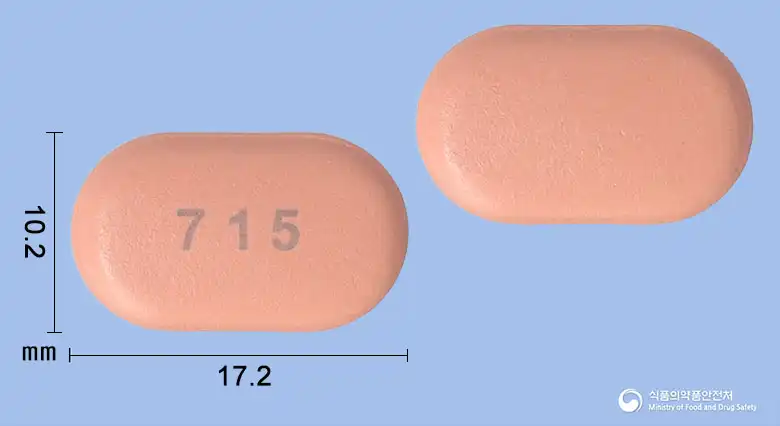 Combination
Sitagliptin Hydrochloride Hydrate 56.7mg · Metformin Hydrochloride with Colloidal Anhydrous Silica 858.5mg
Tablet · Prescription medication · Combination
Daewon Pharmaceutical Co., Ltd.
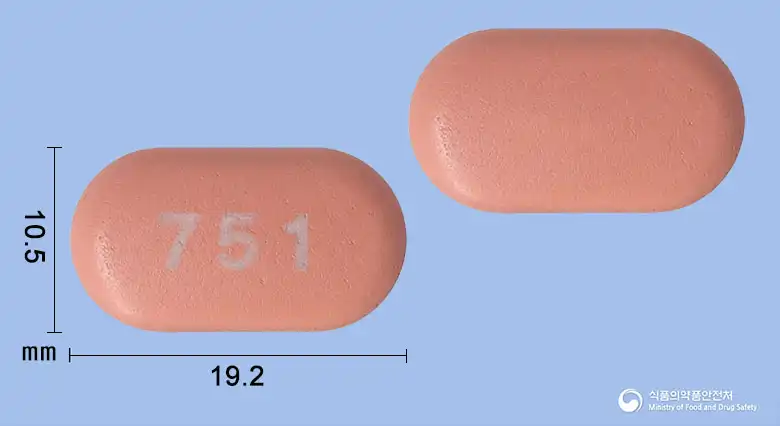 Combination
Sitagliptin Hydrochloride Hydrate 56.7mg · Metformin Hydrochloride with Colloidal Anhydrous Silica 1010mg
Tablet · Prescription medication · Combination
Daewon Pharmaceutical Co., Ltd.
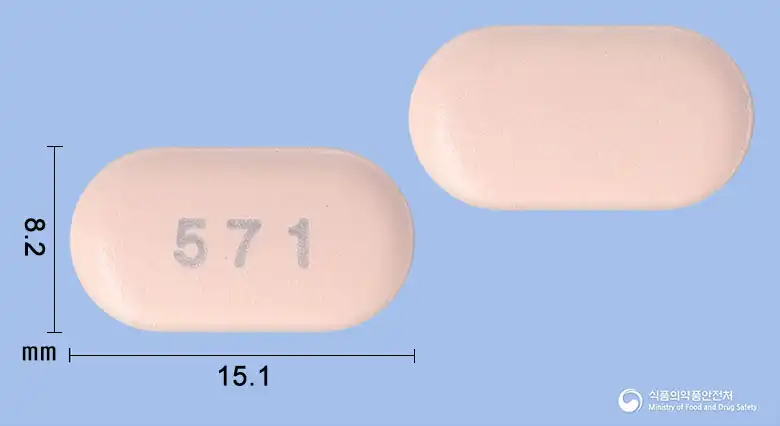 Combination
Sitagliptin Hydrochloride Hydrate 56.7mg · Metformin Hydrochloride with Colloidal Anhydrous Silica 505mg
Tablet · Prescription medication · Combination
Daewon Pharmaceutical Co., Ltd.
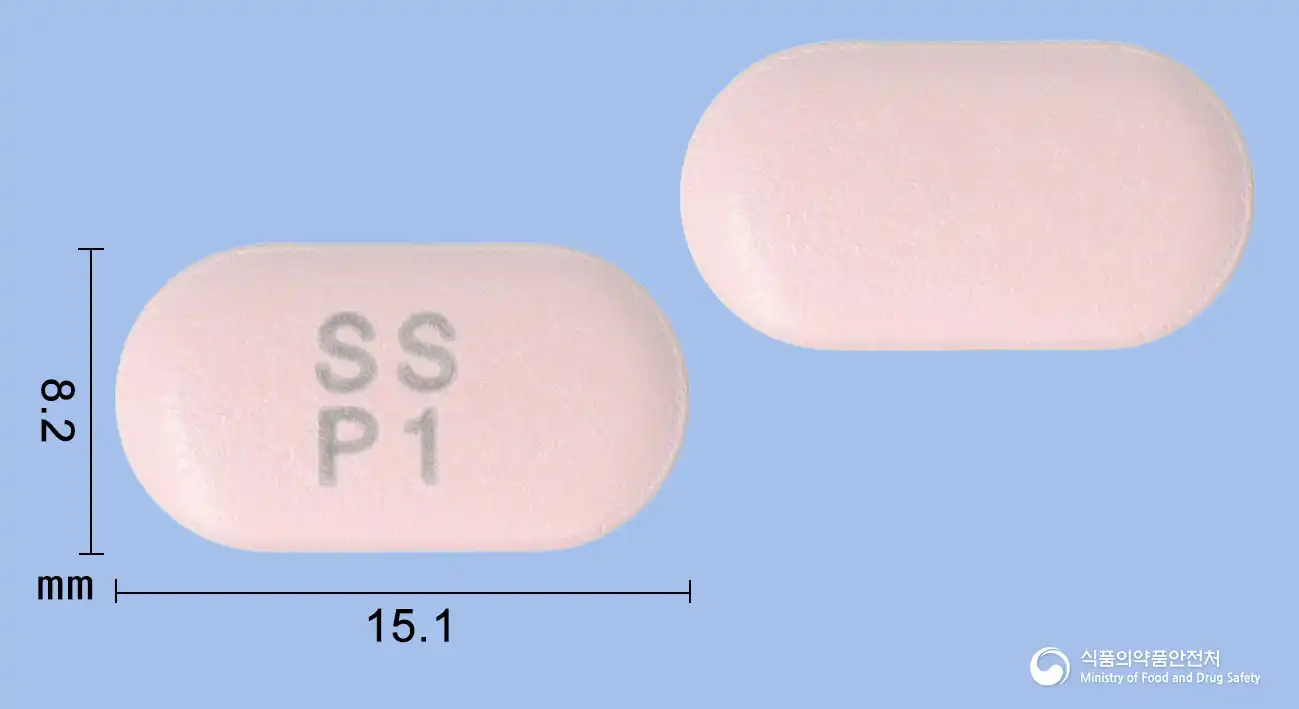 Combination
Sitagliptin Hydrochloride Hydrate 56.7mg · Metformin Hydrochloride with Colloidal Anhydrous Silica 505mg
Tablet · Prescription medication · Combination
Samsung Pharmaceutical Co., Ltd.
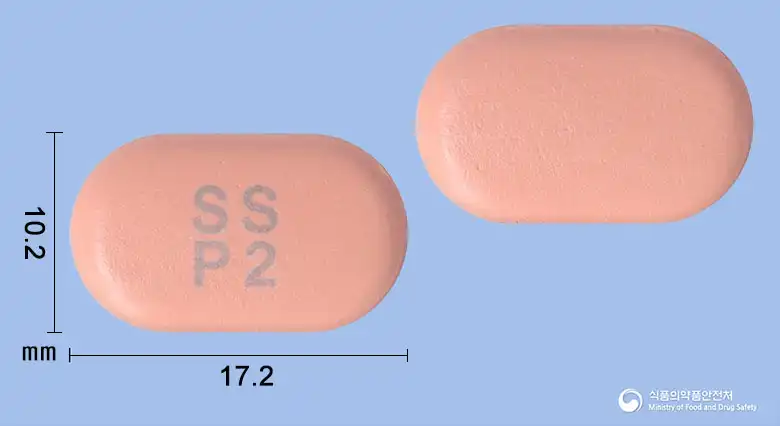 Combination
Sitagliptin Hydrochloride Hydrate 56.7mg · Metformin Hydrochloride with Colloidal Anhydrous Silica 858.5mg
Tablet · Prescription medication · Combination
Samsung Pharmaceutical Co., Ltd.
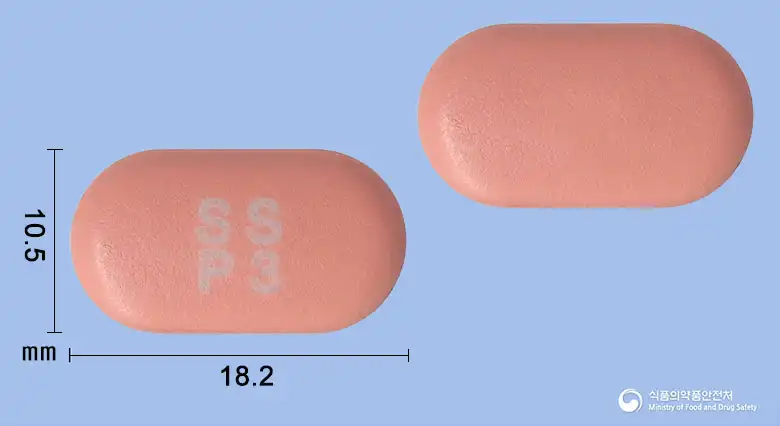 Combination
Sitagliptin Hydrochloride Hydrate 56.7mg · Metformin Hydrochloride with Colloidal Anhydrous Silica 1010mg
Tablet · Prescription medication · Combination
Samsung Pharmaceutical Co., Ltd.
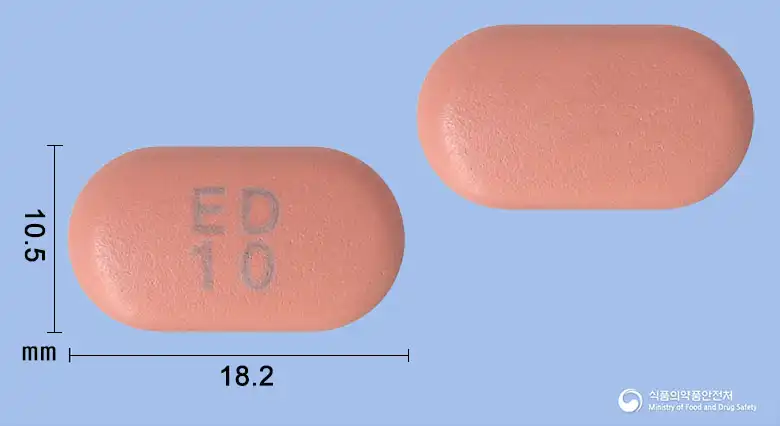 Combination
Sitagliptin Hydrochloride Hydrate 56.7mg · Metformin Hydrochloride with Colloidal Anhydrous Silica 1010mg
Tablet · Prescription medication · Combination
Eden Pharma Co., Ltd.
Even with the same ingredient, the dose and directions can differ by strength and dosage form. Talk to a doctor or pharmacist before switching from a medication you are already taking.
No questions yet.
For anything that needs medical judgment, consult a doctor or pharmacist.
This drug information is based on data provided by the Korea Ministry of Food and Drug Safety.
Consult a doctor or pharmacist for accurate dosage, administration, and usage instructions.