
 한국어
 English
 日本語
 中文(简体)
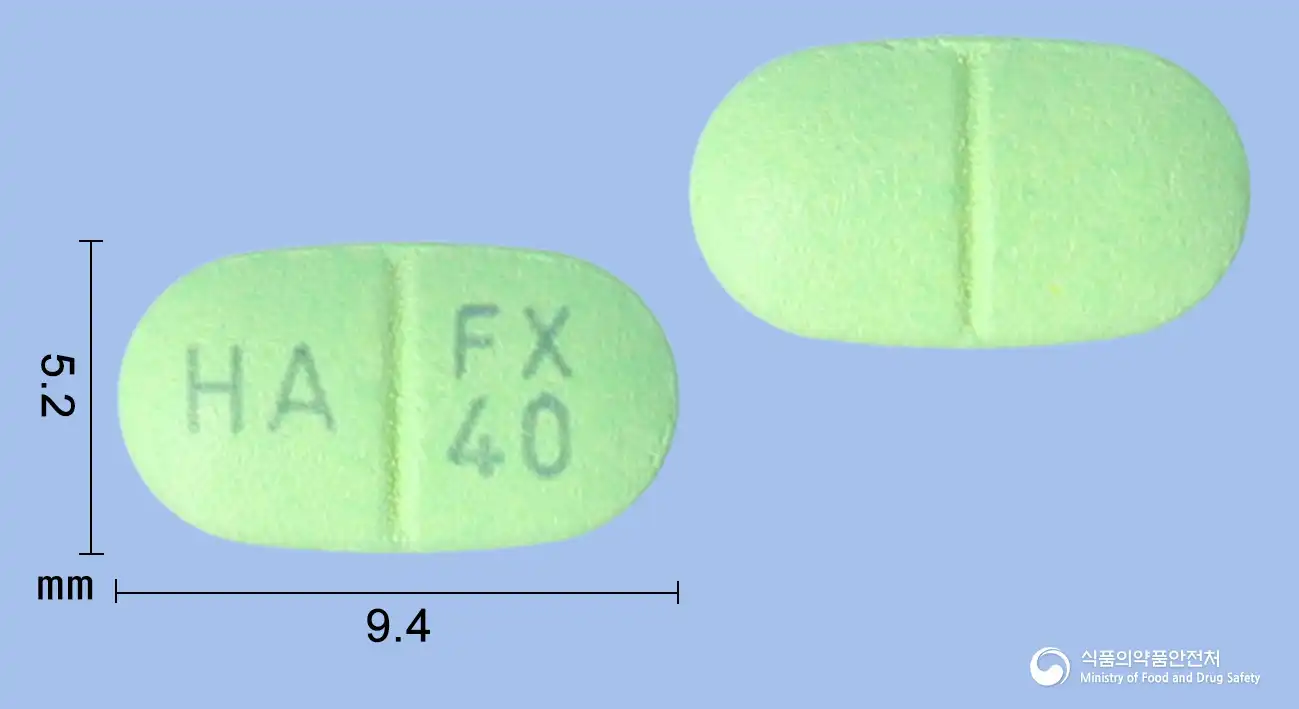 Viewing now
Apsitojeong 40mg (Fexuprazan Hydrochloride)
Fexuprazan Hydrochloride 40mg
Tablet · Prescription medication
Hanol Biopharma Co., Ltd.
MFDS item code 202200180 · Approved 2022.01.10 · Insurance code 655605400
Treatment of erosive gastroesophageal reflux disease
Erosive gastroesophageal reflux disease is a condition where stomach acid refluxes into the esophagus, causing erosion (damage) to the esophageal mucosa. This medication helps relieve reflux symptoms and heal esophageal mucosal damage by inhibiting stomach acid secretion. It also reduces esophageal inflammation and improves discomfort, allowing patients to comfortably carry out daily activities. This medication is effective in treating erosive gastroesophageal reflux disease, promoting symptom relief and mucosal healing.
1. Treatment of erosive gastroesophageal reflux disease - Administer 40mg orally once daily for 4 weeks. - For patients whose esophagitis has not healed or whose symptoms persist, administer for an additional 4 weeks. This medicine may be administered with or without food.
This medication should not be used by patients who have had an allergic reaction or hypersensitivity to this drug or its components. Additionally, patients who are taking specific antiviral agents such as atazanavir, nelfinavir, or rilpivirine should not take this medication. It is safest for women who are pregnant or breastfeeding not to use this drug. This medication contains lactose, so it should not be administered to patients with a genetic disorder that impairs lactose digestion. Patients with liver or kidney problems should use this medication with caution, as there is insufficient experience with its use in these individuals. Elderly patients may have reduced liver and kidney function and should take this medication carefully. Patients allergic to tartrazine (yellow number 4), included in this medication, should also use it with caution. When taking this drug, various side effects such as gastrointestinal disturbances, skin rashes, headaches, and muscle pain may occur, so if any unusual symptoms arise, consulting a doctor is advised. This medication suppresses stomach acid, which can increase bacterial proliferation in the stomach, so if diarrhea or infection symptoms persist, notify a healthcare provider. Long-term use may increase the risk of osteoporosis or fractures, so attention to bone health is necessary. If used for more than three months, blood magnesium levels may decrease, so regular blood tests are recommended. This medication may alter stomach acidity, affecting the absorption of other drugs, so inform your healthcare provider if you are taking other medications. Its safety during pregnancy has not been established, so its use is not recommended, and mothers who are breastfeeding should discontinue breastfeeding during its use. The safety of this medication for children and adolescents has not been sufficiently confirmed, so caution is needed for their use. No specific toxic symptoms have been reported for overdose, but in case of excessive intake, visit a healthcare facility immediately for appropriate treatment. This medication should be kept out of reach of children and should not be transferred to other containers for quality maintenance.
Not everyone experiences these, and they can vary from person to person.
This medication may be sensitive to air or moisture, so it should be stored in a sealed container. It is advisable to maintain the storage temperature between 1 degree and 30 degrees Celsius at room temperature. This helps to preserve the effectiveness and safety of the drug for a long time.
Light green rectangular film-coated tablets
28 tablets/box [7 tablets/PTP*4], 56 tablets/box [7 tablets/PTP*8], 100 tablets/bottle, 28 tablets/bottle, 300 tablets/bottle
Even with the same ingredient, strength, dosage form and how it is taken can differ.
Viewing nowFexuprazan Hydrochloride 40mg
Tablet · Prescription medication
Hanol Biopharma Co., Ltd.
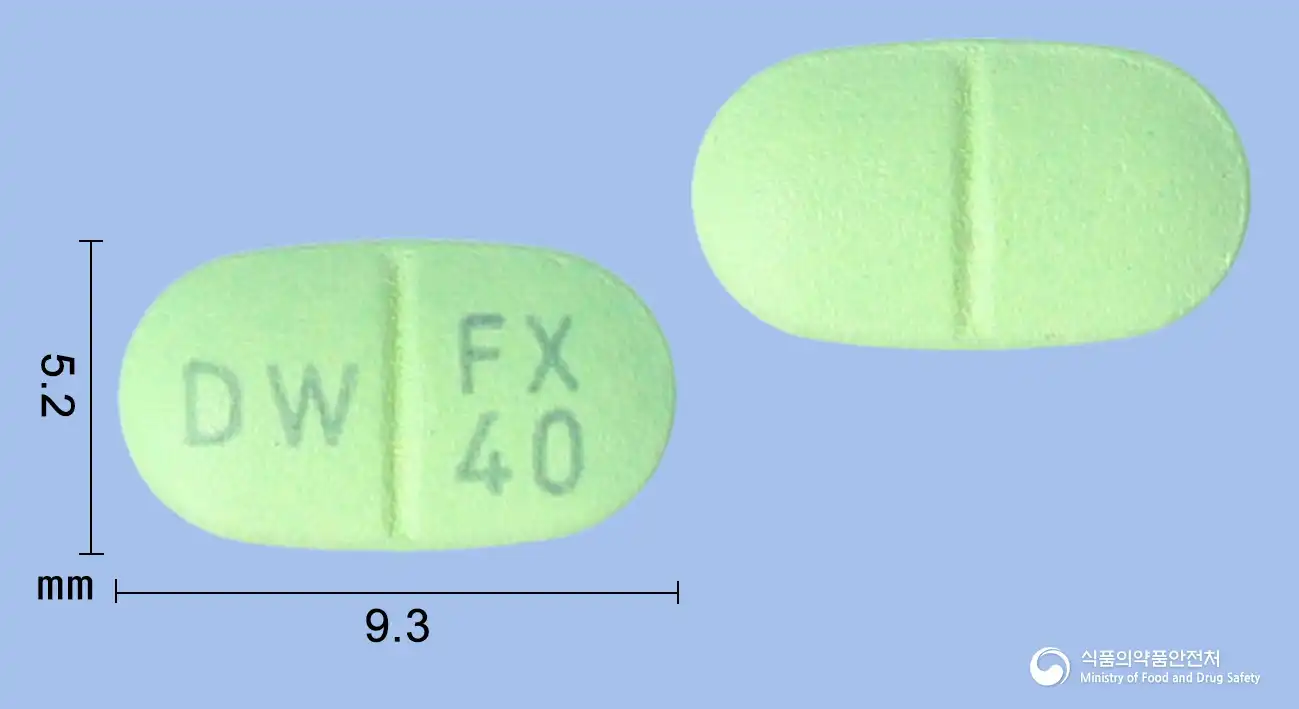
Fexuprazan Hydrochloride 40mg
Tablet · Prescription medication
Daiwoong Pharmaceutical Co., Ltd.
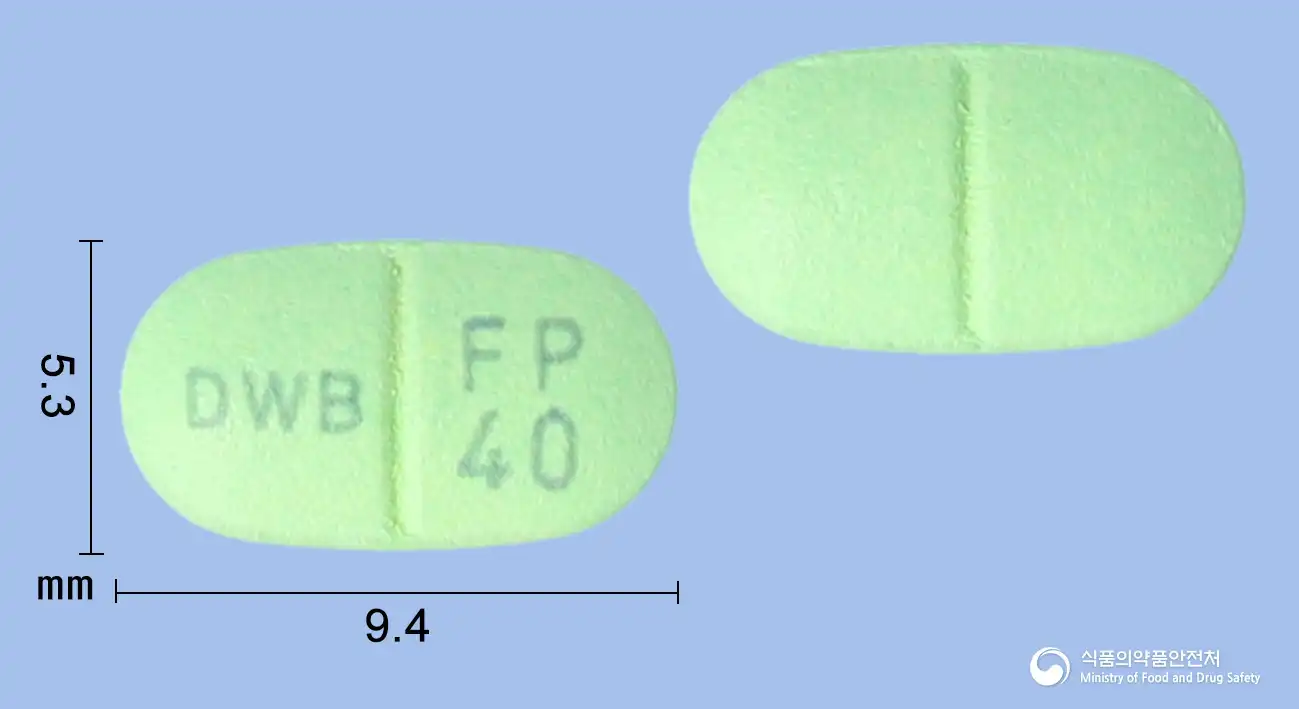
Fexuprazan Hydrochloride 40mg
Tablet · Prescription medication
Daewoong Bio Co., Ltd.
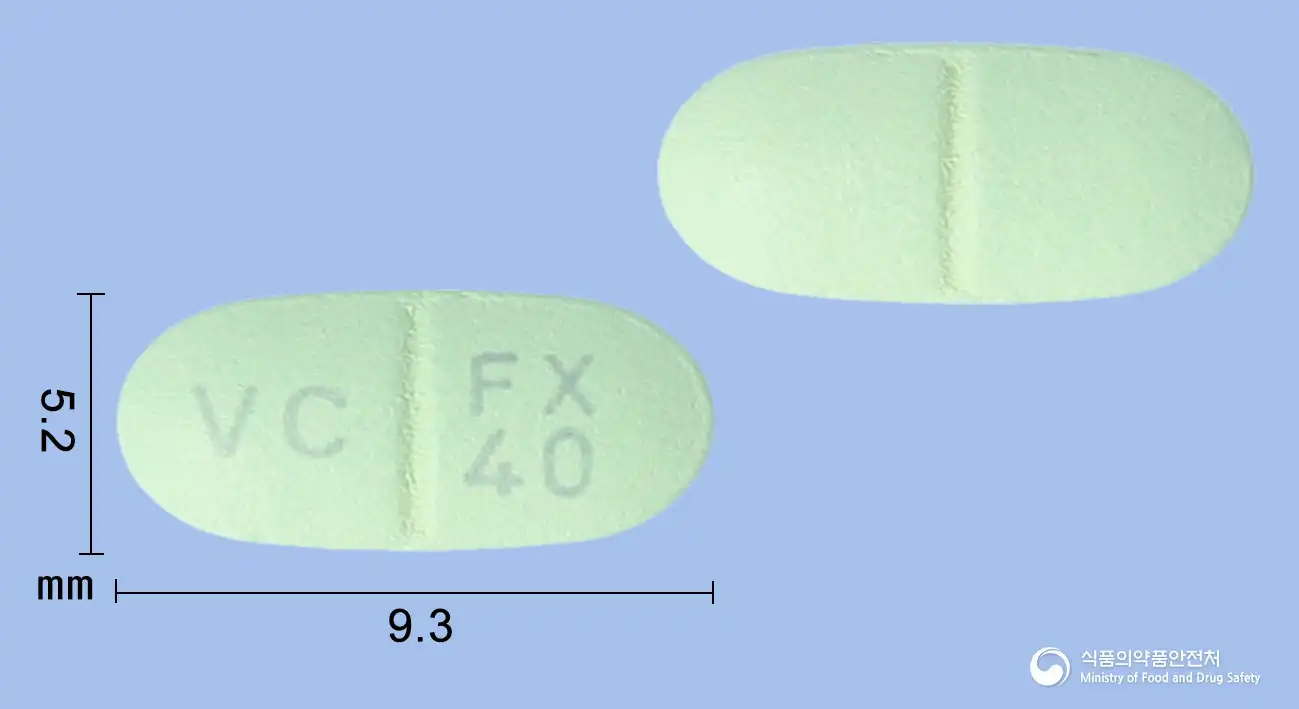
Fexuprazan Hydrochloride 40mg
Tablet · Prescription medication
IN Therapeutics Co., Ltd.
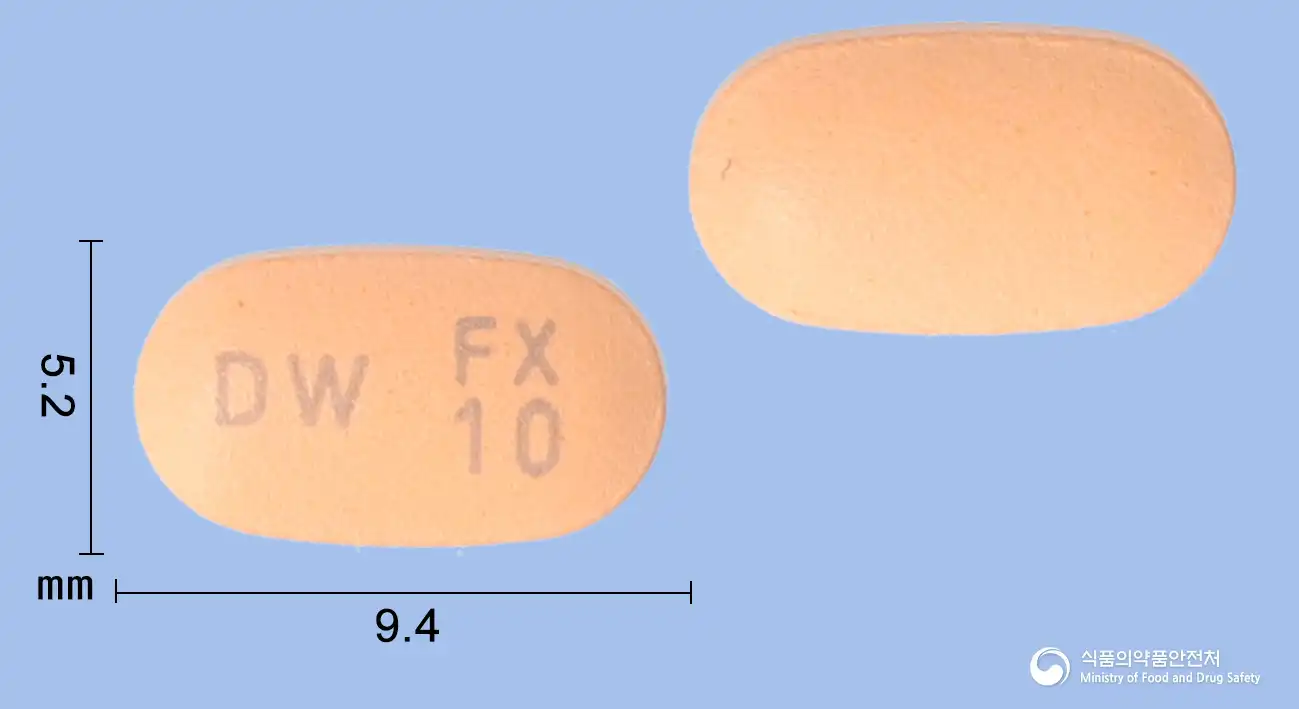
Fexuprazan Hydrochloride 10mg
Tablet · Prescription medication
Daewoong Pharmaceutical Co., Ltd.
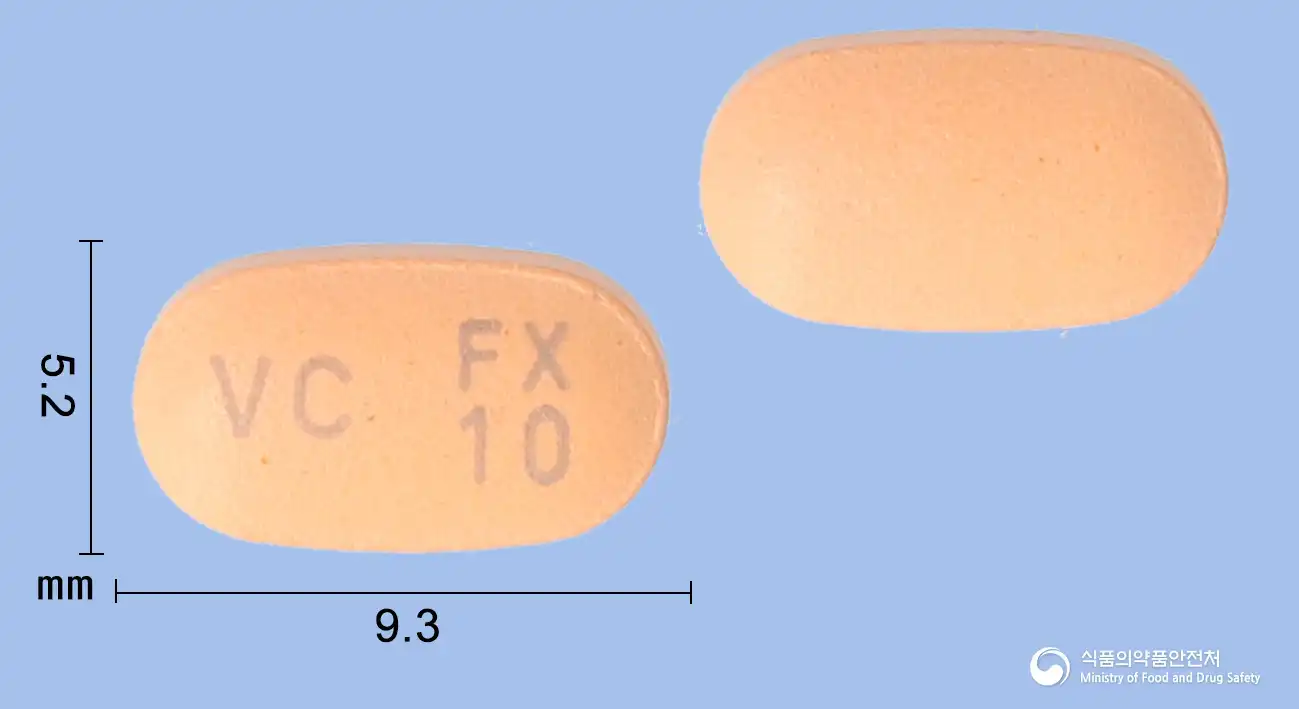
Fexuprazan Hydrochloride 10mg
Tablet · Prescription medication
Ain Therapeutics Co., Ltd.
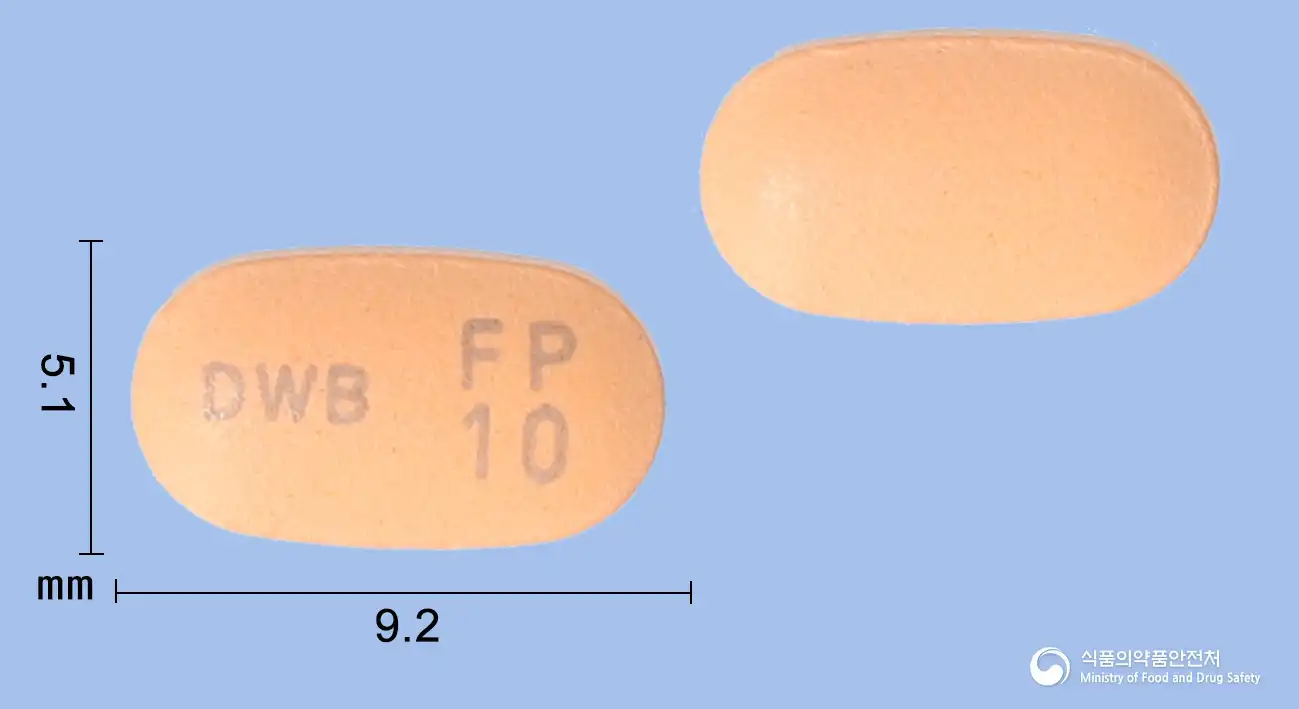
Fexuprazan Hydrochloride 10mg
Tablet · Prescription medication
Daewoong Bio Co., Ltd.
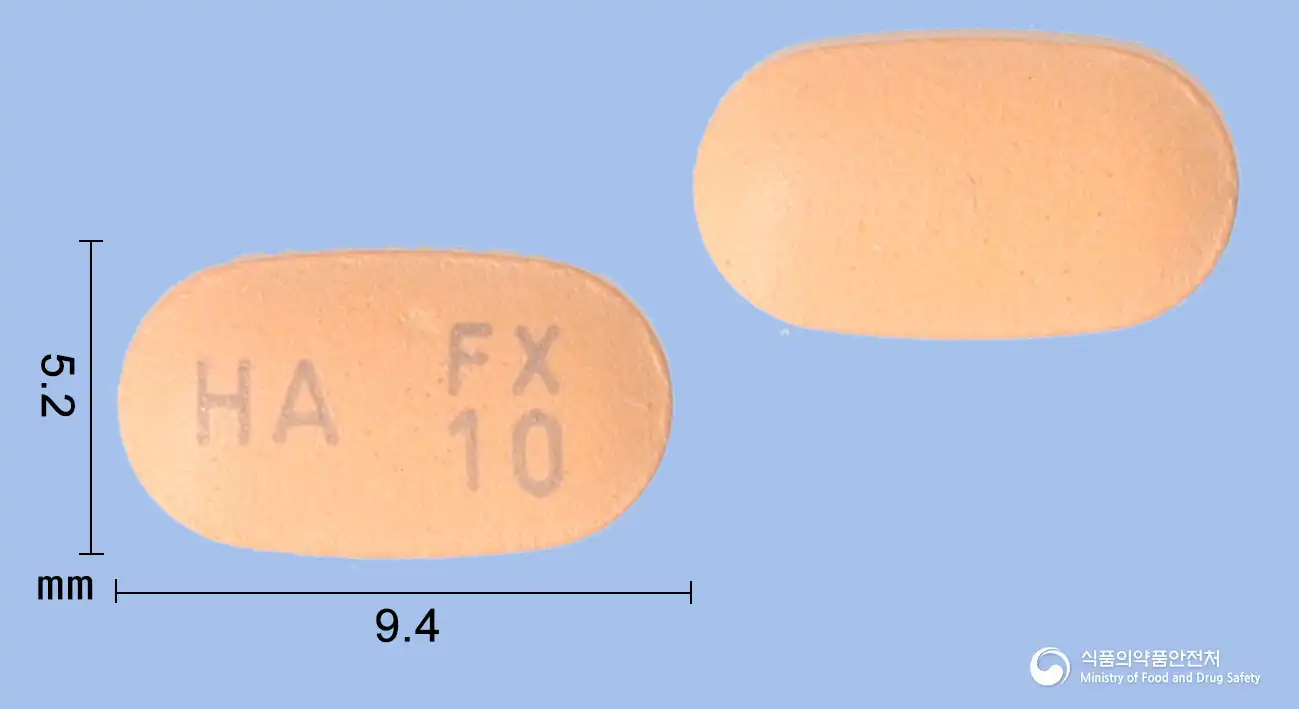
Fexuprazan Hydrochloride 10mg
Tablet · Prescription medication
Hanol Bio Pharma Co., Ltd.
Even with the same ingredient, the dose and directions can differ by strength and dosage form. Talk to a doctor or pharmacist before switching from a medication you are already taking.
No questions yet.
For anything that needs medical judgment, consult a doctor or pharmacist.
This drug information is based on data provided by the Korea Ministry of Food and Drug Safety.
Consult a doctor or pharmacist for accurate dosage, administration, and usage instructions.