
 한국어
한국어 English
 日本語
日本語 中文(简体)
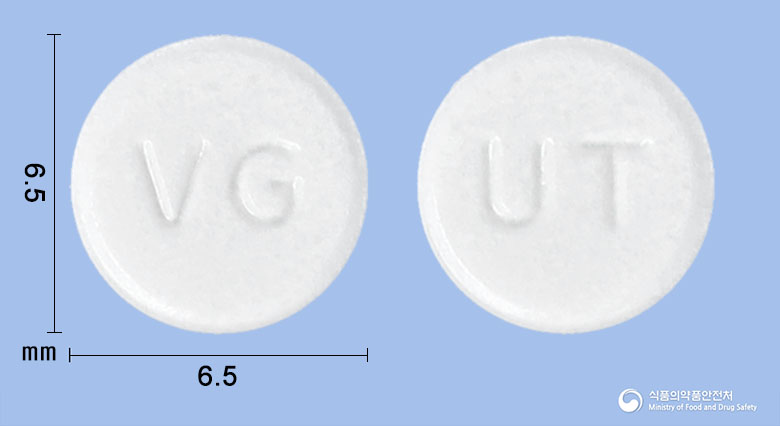 Viewing now
Hirus Tablet (Vildagliptin)
Vildagliptin 50mg
Tablet · Prescription medication
Korea United Pharmaceutical Co., Ltd.
MFDS item code 202200168 · Approved 2022.01.10 · Insurance code 644309670
Improvement of blood sugar control in type 2 diabetes
This medication is used alone or in combination with diet and exercise for the treatment of patients with type 2 diabetes to improve blood sugar control.
- When used alone or in combination with metformin, administer 50 mg once daily in the morning or divide into two doses of 50 mg each for a total of 100 mg once daily in the morning and evening. - When used in combination with metformin or thiazolidinediones, administer 100 mg divided into two doses of 50 mg each for a total of 100 mg once daily in the morning and evening. - When used in combination with sulfonylureas, administer 50 mg once daily in the morning. - If used with sulfonylureas, it is not more effective to administer 100 mg once daily than 50 mg once daily in thispatient population. - In cases where adequate blood sugar control cannot be achieved with sulfonylureas and metformin combination therapy, the recommended dosage when using this medication is 100 mg divided into two doses of 50 mg each for a total of 100 mg once daily in the morning and evening. - In cases where adequate blood sugar control cannot be achieved with insulin (either alone or in combination with metformin), the recommended dosage is 100 mg divided into two doses of 50 mg each for a total of 100 mg once daily in the morning and evening. - This medication can be taken regardless of meals, and dosages exceeding 100 mg per day are not recommended. - If using this medication with sulfonylureas, dosage reduction of sulfonylureas may be necessary to reduce the risk of hypoglycemia. - If a dose is missed, take the medication as soon as remembered, and resume usual dosing schedule. If it is close to the next dose time, do not take the missed dose, and do not double the dose to make up for a missed one. Patients with liver impairment This medication is not recommended for patients with liver impairment whose ALT or AST levels exceed 2.5 times the upper normal limit before administration. Patients with kidney impairment - For mild kidney impairment (creatinine clearance ≥50mL/min): No dosage adjustment is necessary. - For moderate and severe kidney impairment or end-stage renal disease (ESRD): The recommended dosage is 50 mg once daily. (Refer to "Precautions in Use" section "3. General Precautions" item 2.)
This medication should not be used by patients who are allergic to the active ingredient or any other components. It should not be administered to patients with type 1 diabetes or diabetic ketoacidosis. Since this medication contains lactose, it should not be used in patients with lactose intolerance or genetic lactose-related diseases. During treatment with this medication, liver dysfunction may rarely occur; therefore, regular liver function tests should be conducted before and during use. If liver enzyme levels rise more than three times the normal level or if symptoms of jaundice appear, discontinue use of this medication. Use is not recommended in patients with severe heart failure, as it may worsen heart failure symptoms, and caution is advised. This medication carries a risk of acute pancreatitis; therefore, if symptoms of pancreatitis occur, discontinue use immediately and consult a healthcare professional. When used in combination with sulfonylureas or other medications that may cause hypoglycemia, the risk of hypoglycemia may increase, and dosage adjustments may be needed. If symptoms such as dizziness occur while taking this medication, avoid driving or operating machinery. If severe joint pain or skin abnormalities such as blisters or ulcers occur, notify a healthcare professional immediately and discontinue this medication. It is safe not to use this medication in pregnant or breastfeeding women, and it is not recommended for children and adolescents under 18 years of age. There is no specific antidote for overdose; therefore, symptomatic supportive treatment should be initiated, and this medication cannot be removed by hemodialysis. Keep out of reach of children and avoid transferring to other containers.
Not everyone experiences these, and they can vary from person to person.
This medication is sensitive to air and moisture, so it should be stored in a tightly sealed container. Additionally, it is important to store it in a cool place below 30 degrees Celsius to maintain its effectiveness.
Round tablet that is white to pale yellow in color
30 tablets/box [10 tablets/PTP X 3]
Even with the same ingredient, strength, dosage form and how it is taken can differ.
Viewing nowVildagliptin 50mg
Tablet · Prescription medication
Korea United Pharmaceutical Co., Ltd.
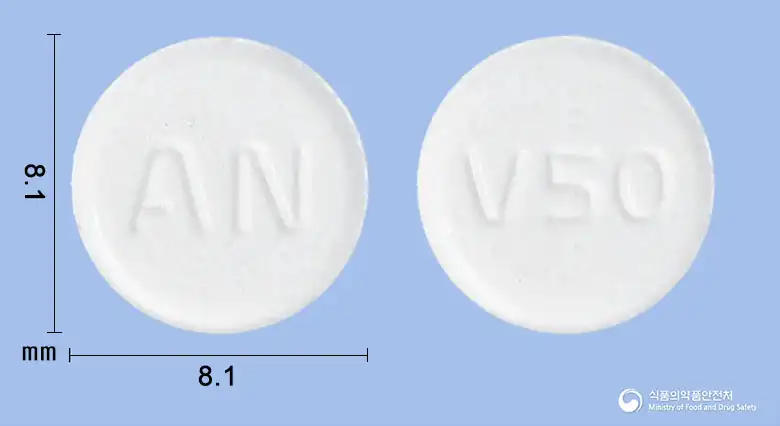
Vildagliptin 50mg
Tablet · Prescription medication
Ahn-Guk New Pharm Co., Ltd.
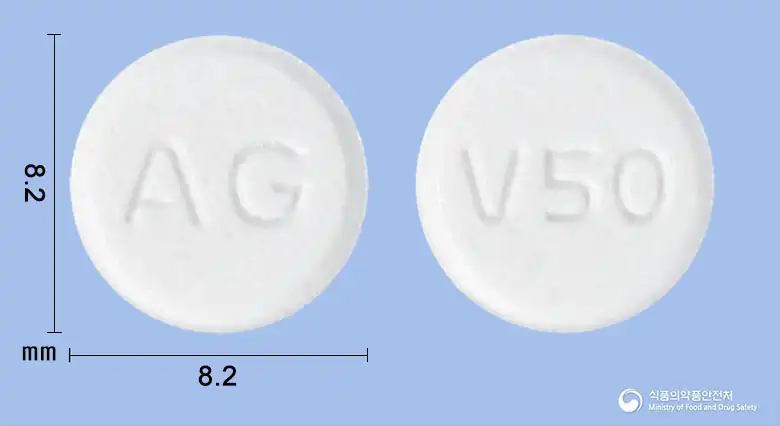
Vildagliptin 50mg
Tablet · Prescription medication
AhnGuk Pharmaceuticals Co., Ltd.
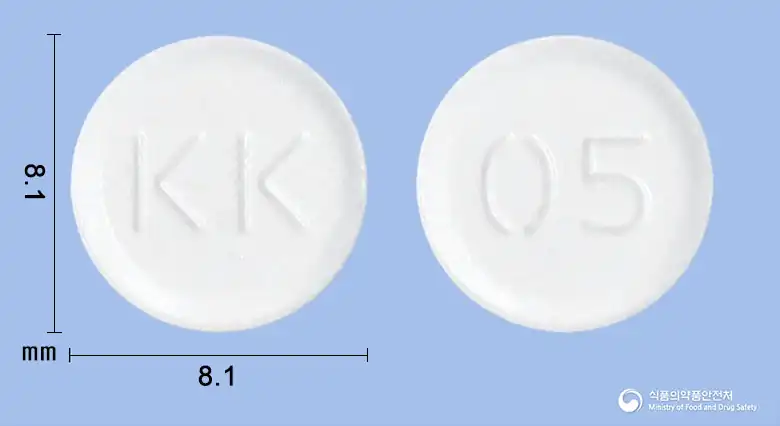
Vildagliptin 50mg
Tablet · Prescription medication
Genewon Science Co., Ltd.
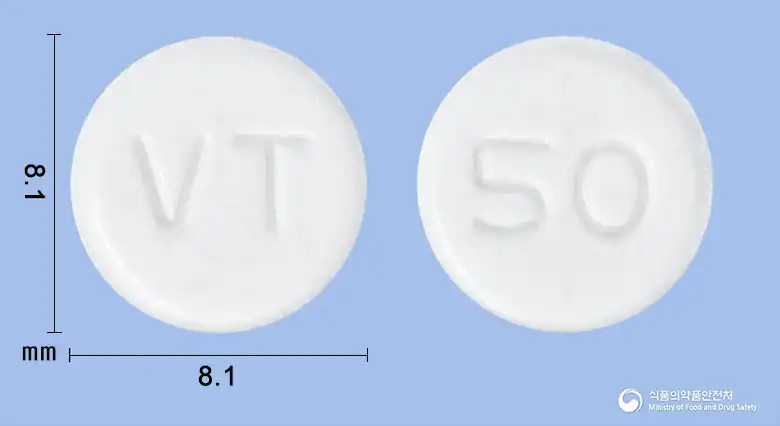
Vildagliptin 50mg
Tablet · Prescription medication
Lightpharmtech Co., Ltd.
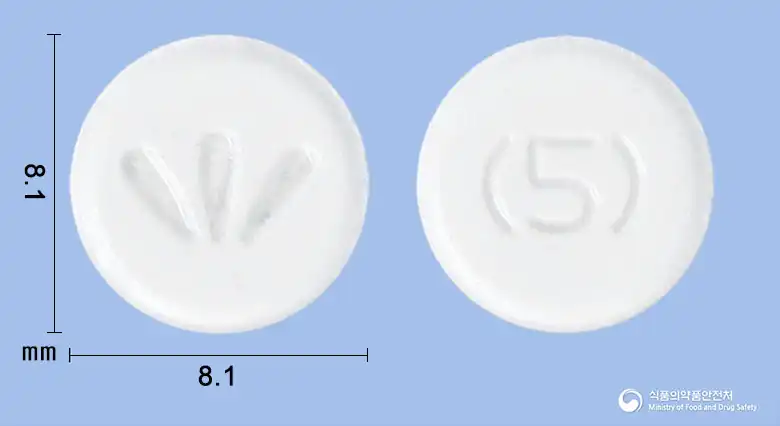
Vildagliptin 50mg
Tablet · Prescription medication
White Life Sciences Co., Ltd.
Vildagliptin 50mg
Tablet · Prescription medication
Pharmgen Science Co., Ltd.
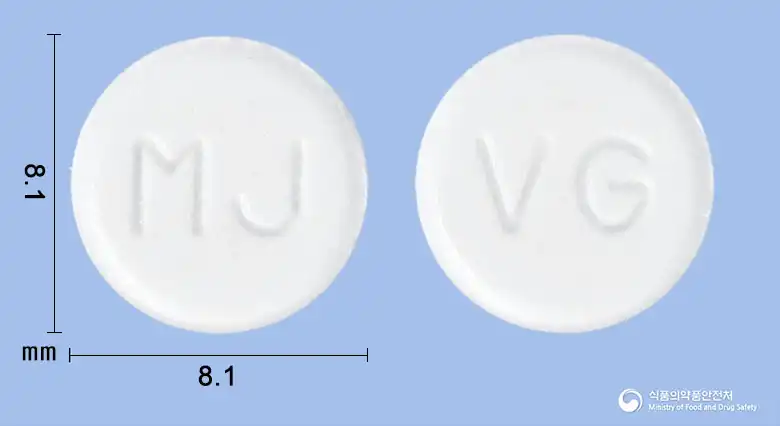
Vildagliptin 50mg
Tablet · Prescription medication
Mothers Pharmaceutical Co., Ltd.
Even with the same ingredient, the dose and directions can differ by strength and dosage form. Talk to a doctor or pharmacist before switching from a medication you are already taking.
No questions yet.
For anything that needs medical judgment, consult a doctor or pharmacist.
This drug information is based on data provided by the Korea Ministry of Food and Drug Safety.
Consult a doctor or pharmacist for accurate dosage, administration, and usage instructions.