
 한국어
한국어 English
 日本語
日本語 中文(简体)
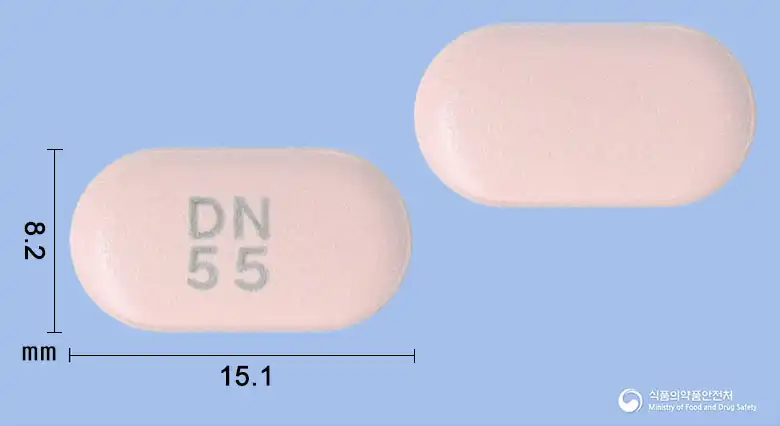 Viewing nowCombination
Sitapomin Alpha Tablet 50/500 mg
Sitagliptin Hydrochloride Hydrate 56.7mg · Metformin Hydrochloride with Colloidal Anhydrous Silica 505mg
Tablet · Prescription medication · Combination
Daehan New Pharm Co., Ltd.
MFDS item code 202200112 · Approved 2022.01.06 · Insurance code 669908240
Improvement of blood sugar control in type 2 diabetes
This medication is used in conjunction with diet and exercise to help control blood sugar levels in patients with type 2 diabetes. It can be used when a patient has not previously taken diabetes medications, or when blood sugar control is insufficient with monotherapy. Additionally, it is administered when blood sugar control is difficult with either metformin or sitagliptin monotherapy, or when replacing a combination therapy of these two medications. In cases where blood sugar control is not adequate, it can be used in combination with sulfonylureas, thiazolidinediones, or insulin to improve blood sugar management. This medication is employed in these various scenarios to facilitate more effective blood sugar control.
This medication is generally taken twice daily with food, and the dosage is gradually increased to reduce gastrointestinal side effects caused by metformin. 1. Patients not previously treated with metformin: - The initial dose is 1 tablet (50/500 mg) twice daily, with the possibility of increasing to 1 tablet (50/1000 mg) twice daily. 2. Patients currently on metformin treatment: - Recommended dosage
This medication can cause serious allergic reactions, although rare; therefore, if symptoms such as skin rash, shortness of breath, or swelling of the face or neck occur after administration, immediate discontinuation and consultation with a physician is advised. This medication can induce severe inflammation of the pancreas, known as pancreatitis; hence, if symptoms like abdominal pain, vomiting, or fever arise, medical personnel should be notified immediately. Patients with severely impaired renal function, acute heart failure, or severe infections should not use this medication, and it should particularly be discontinued before and after examinations involving contrast agents. It is safer not to use this medication in pregnant women or those who may become pregnant, as well as nursing mothers. Patients should be cautious of hypoglycemic symptoms while taking this medication, especially if it is used in combination with other antidiabetic agents as the risk of hypoglycemia may increase. The metformin component can rarely cause lactic acidosis, a life-threatening condition; hence, heightened caution is advised in cases of dehydration, severe infections, or heart disease. Patients should have regular kidney function and blood tests during the course of this medication, and it is advisable to monitor vitamin B12 levels as well. Alcohol consumption can increase the risk of side effects from this medication, so it is important to avoid excessive drinking while on this medication. In case of surgery or significant trauma, the medication should be temporarily discontinued, and it should be resumed only after the patient's condition stabilizes. When administering this medication to elderly patients, dosage adjustments must be made in consideration of renal function, and regular monitoring should be implemented to ensure safe management.
Not everyone experiences these, and they can vary from person to person.
This medication should be stored in a tightly sealed container to prevent exposure to air and moisture, and it is recommended to keep it at room temperature between 1 and 30 degrees Celsius. Proper storage will help maintain the medication's effectiveness and prevent degradation.
Light pink oval film-coated tablet
30 tablets/box [10 tablets/PTP × 3]
Even with the same ingredient, strength, dosage form and how it is taken can differ.
Viewing nowCombinationSitagliptin Hydrochloride Hydrate 56.7mg · Metformin Hydrochloride with Colloidal Anhydrous Silica 505mg
Tablet · Prescription medication · Combination
Daehan New Pharm Co., Ltd.
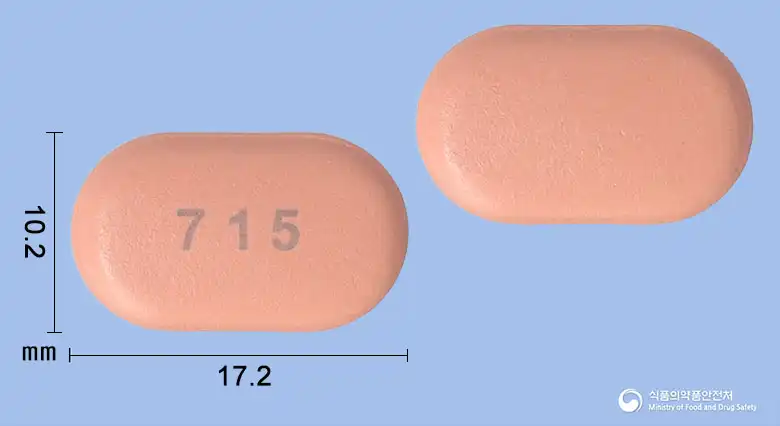 Combination
Sitagliptin Hydrochloride Hydrate 56.7mg · Metformin Hydrochloride with Colloidal Anhydrous Silica 858.5mg
Tablet · Prescription medication · Combination
Daewon Pharmaceutical Co., Ltd.
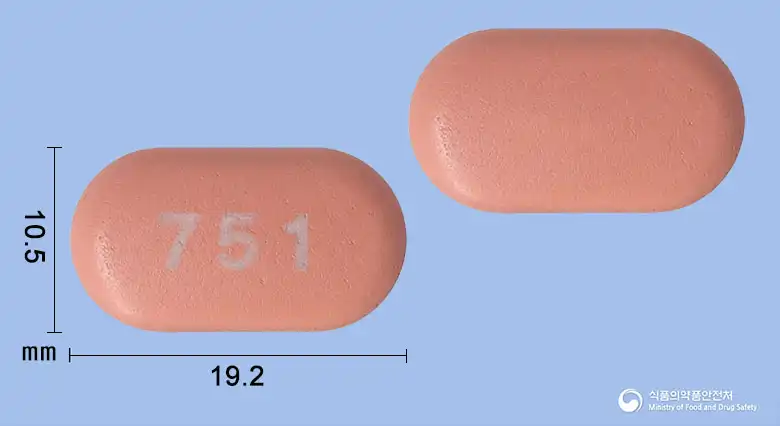 Combination
Sitagliptin Hydrochloride Hydrate 56.7mg · Metformin Hydrochloride with Colloidal Anhydrous Silica 1010mg
Tablet · Prescription medication · Combination
Daewon Pharmaceutical Co., Ltd.
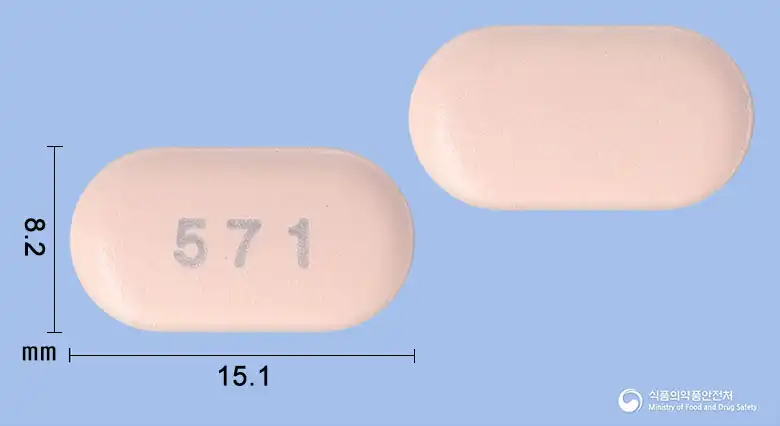 Combination
Sitagliptin Hydrochloride Hydrate 56.7mg · Metformin Hydrochloride with Colloidal Anhydrous Silica 505mg
Tablet · Prescription medication · Combination
Daewon Pharmaceutical Co., Ltd.
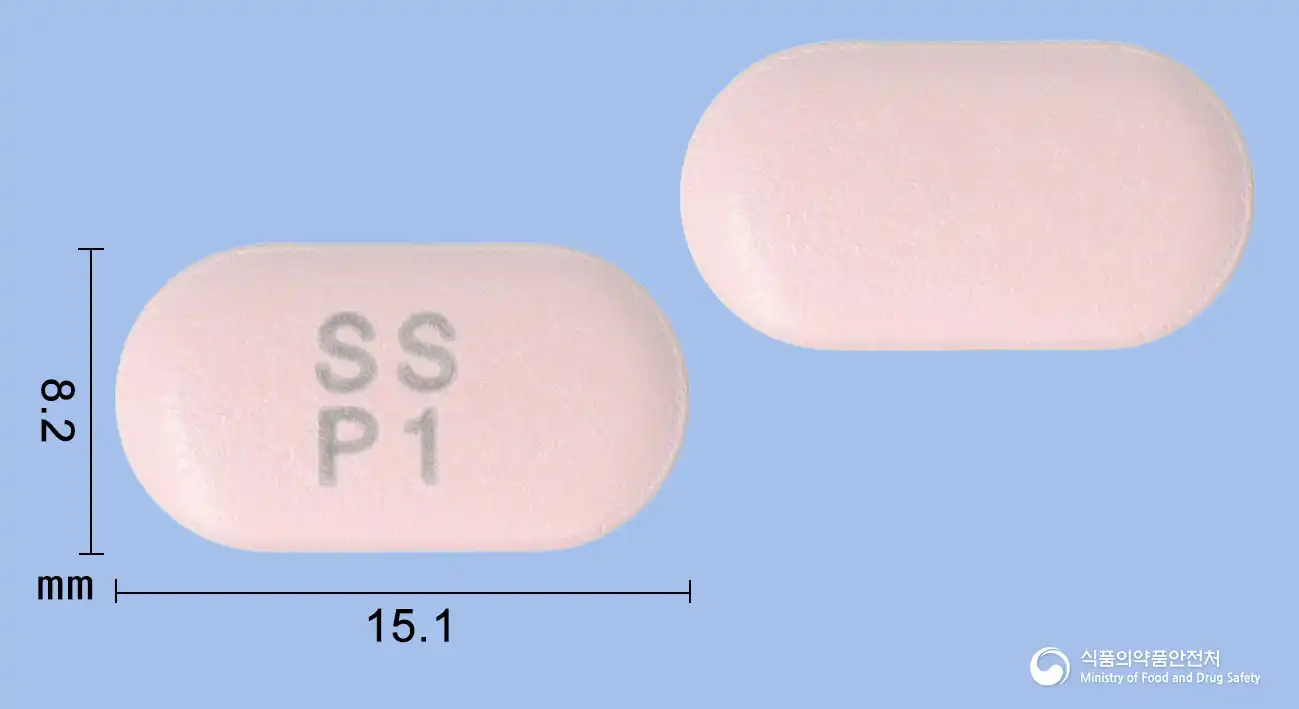 Combination
Sitagliptin Hydrochloride Hydrate 56.7mg · Metformin Hydrochloride with Colloidal Anhydrous Silica 505mg
Tablet · Prescription medication · Combination
Samsung Pharmaceutical Co., Ltd.
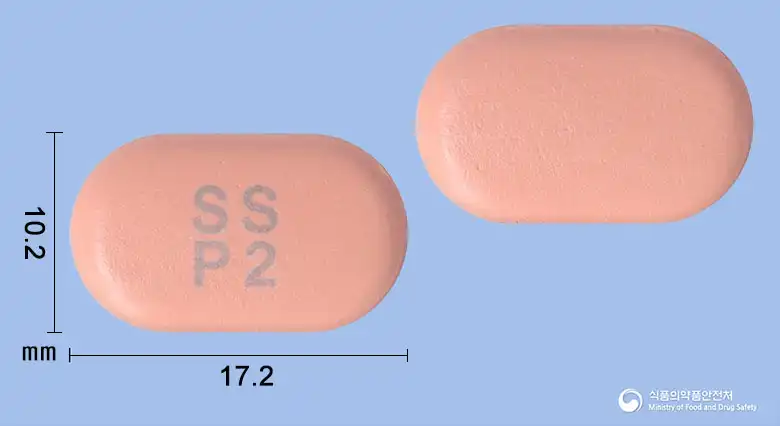 Combination
Sitagliptin Hydrochloride Hydrate 56.7mg · Metformin Hydrochloride with Colloidal Anhydrous Silica 858.5mg
Tablet · Prescription medication · Combination
Samsung Pharmaceutical Co., Ltd.
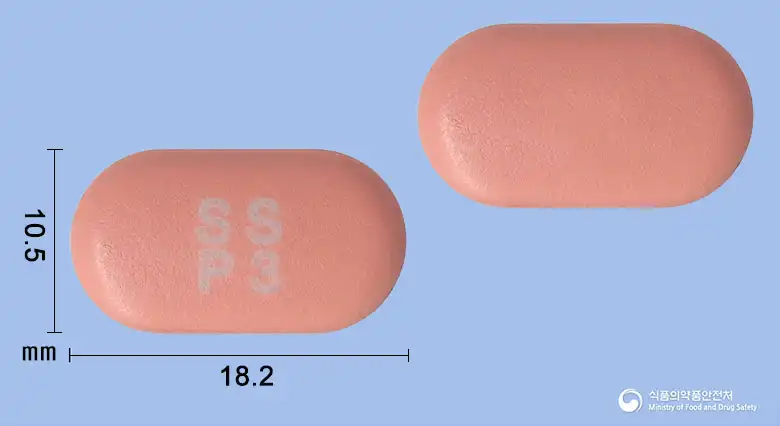 Combination
Sitagliptin Hydrochloride Hydrate 56.7mg · Metformin Hydrochloride with Colloidal Anhydrous Silica 1010mg
Tablet · Prescription medication · Combination
Samsung Pharmaceutical Co., Ltd.
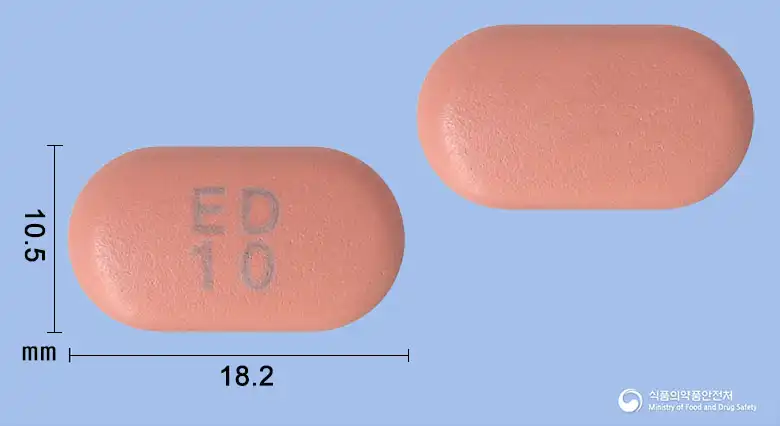 Combination
Sitagliptin Hydrochloride Hydrate 56.7mg · Metformin Hydrochloride with Colloidal Anhydrous Silica 1010mg
Tablet · Prescription medication · Combination
Eden Pharma Co., Ltd.
Even with the same ingredient, the dose and directions can differ by strength and dosage form. Talk to a doctor or pharmacist before switching from a medication you are already taking.
No questions yet.
For anything that needs medical judgment, consult a doctor or pharmacist.
This drug information is based on data provided by the Korea Ministry of Food and Drug Safety.
Consult a doctor or pharmacist for accurate dosage, administration, and usage instructions.