
 한국어
한국어 English
 日本語
日本語 中文(简体)
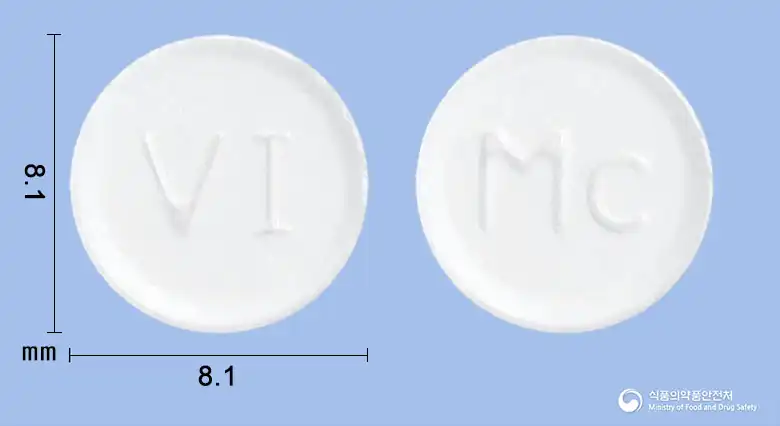 Viewing now
Ambildagliptin 50 mg (Dapagliflozin)
Vildagliptin 50mg
Tablet · Prescription medication
McNulty Pharmaceuticals Co., Ltd.
MFDS item code 202200087 · Approved 2022.01.04 · Insurance code 641502770
Improvement of blood sugar control in type 2 diabetes
This medication is used to assist in blood sugar control for patients with type 2 diabetes. It can be administered alone as initial therapy, and if blood sugar control is difficult with monotherapy, it can be taken in combination with metformin. Additionally, this drug can be combined when blood sugar control is insufficient with single therapy using sulfonylurea, metformin, or thiazolidinedione. If blood sugar control is still inadequate after combination therapy of sulfonylurea and metformin, this medication may be added, and it can also be administered in conjunction with insulin solo or in combination with insulin and metformin if blood sugar control is inadequate. This medication aids in the safe and effective management of diabetes tailored to various combination therapies and situations.
This medication can be administered alone or in combination with metformin when prior diabetes medication therapy has not been experienced, at a dose of 50 mg once daily in the morning or 100 mg divided into 50 mg twice daily (morning and evening). If sufficient blood sugar control is not achievable with monotherapy using metformin or thiazolidinedione, the recommended dose for this drug used in combination is 100 mg daily, divided into 50 mg doses twice daily in the morning.
This medication should not be used in patients with allergies to the active ingredient or other ingredients. It should also not be administered to patients with type 1 diabetes or diabetic ketoacidosis. Since it contains lactose, patients with lactose intolerance or related genetic issues should avoid use. This drug can cause liver dysfunction; therefore, regular liver function tests should be conducted before and during treatment. If liver function levels rise to more than three times the upper limit of normal, treatment should be discontinued. There is a risk of acute pancreatitis; thus, if symptoms of pancreatitis appear, the use of this medication should be stopped immediately. As there is a risk of hypoglycemia, caution is needed when used, particularly with sulfonylurea drugs. Symptoms such as dizziness or headaches may occur, so care should be taken when driving or operating machinery. If there are severe joint pain or abnormal skin symptoms such as blisters, ulcers, etc., you should consult a physician immediately. Pregnant or breastfeeding women should avoid using this medication, and it is not recommended for children under 18. Use should be cautious in patients with end-stage renal disease, and no dose adjustment is required for the elderly. In cases of overdose, since there is no specific antidote, symptomatic supportive treatment is necessary. Store away from children, and do not transfer to another container.
Hives, angioedema, chest tightness, difficulty breathing, severe rash with fever, blisters, skin peeling, pain in mucous membranes of the mouth/eyes, yellowing of the skin or eyes (jaundice), hepatitis, liver dysfunction, sudden and severe headaches, seizures, confusion, visual disturbances, paralysis, severe swelling, significantly reduced urine output, acute myocardial infarction, nodular arrhythmias, acute cholecystitis, pneumothorax, cholelithiasis, femoral fractures, peripheral artery disease.
Not everyone experiences these, and they can vary from person to person.
This medication should be stored in a tightly sealed container to protect it from air and moisture, preferably in a cool place below 30 degrees Celsius. Proper storage helps maintain the drug's efficacy over time.
White to pale yellow circular tablet
28 tablets/box [14 tablets/PTP (x2)]
Even with the same ingredient, strength, dosage form and how it is taken can differ.
Viewing nowVildagliptin 50mg
Tablet · Prescription medication
McNulty Pharmaceuticals Co., Ltd.
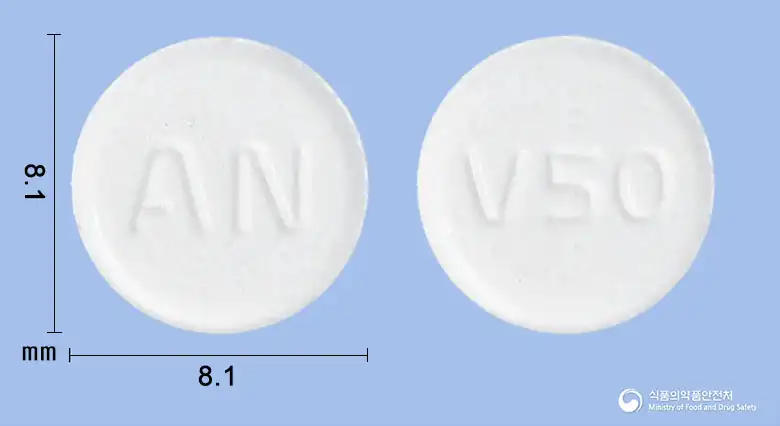
Vildagliptin 50mg
Tablet · Prescription medication
Ahn-Guk New Pharm Co., Ltd.
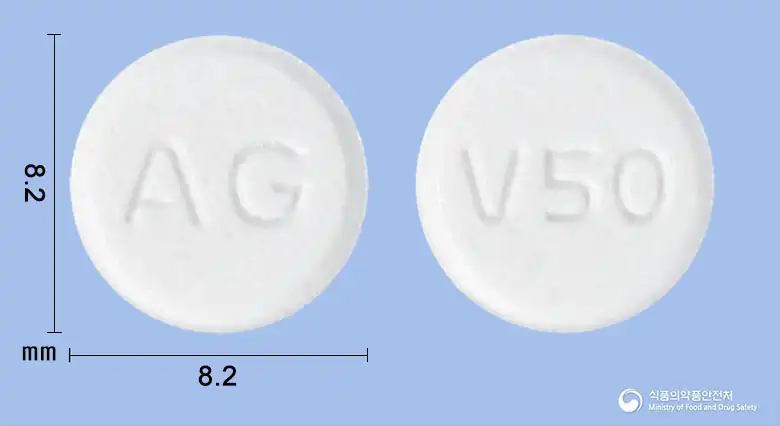
Vildagliptin 50mg
Tablet · Prescription medication
AhnGuk Pharmaceuticals Co., Ltd.
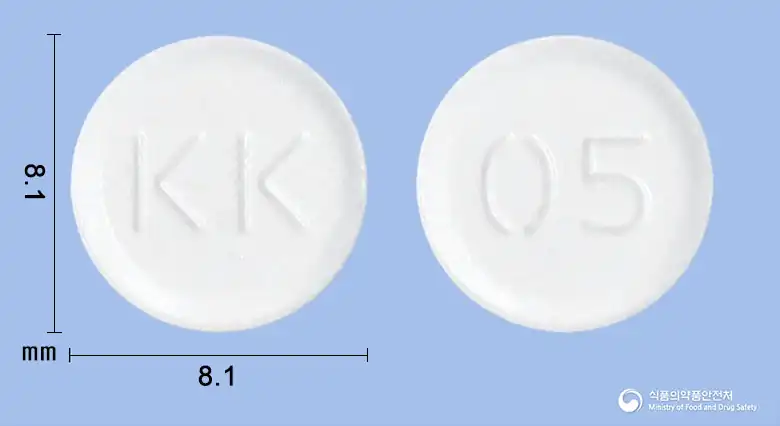
Vildagliptin 50mg
Tablet · Prescription medication
Genewon Science Co., Ltd.
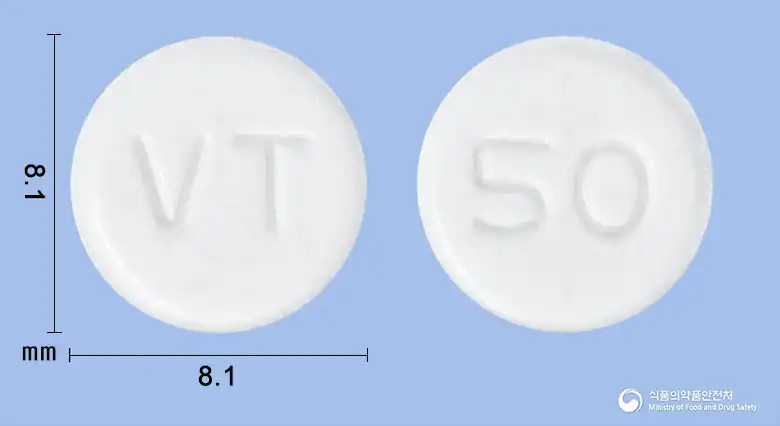
Vildagliptin 50mg
Tablet · Prescription medication
Lightpharmtech Co., Ltd.
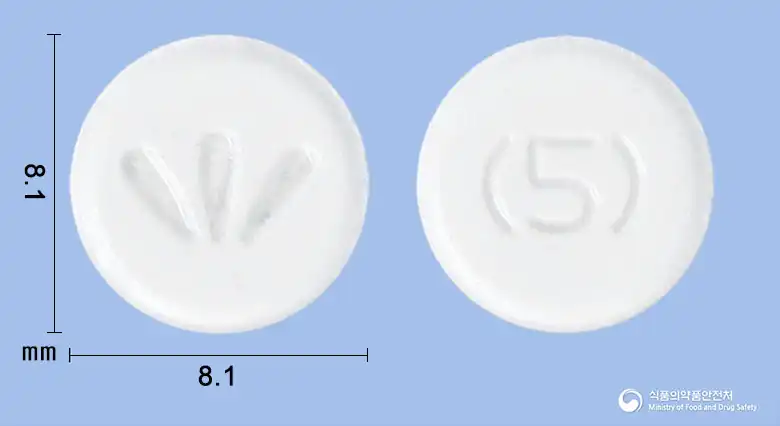
Vildagliptin 50mg
Tablet · Prescription medication
White Life Sciences Co., Ltd.
Vildagliptin 50mg
Tablet · Prescription medication
Pharmgen Science Co., Ltd.
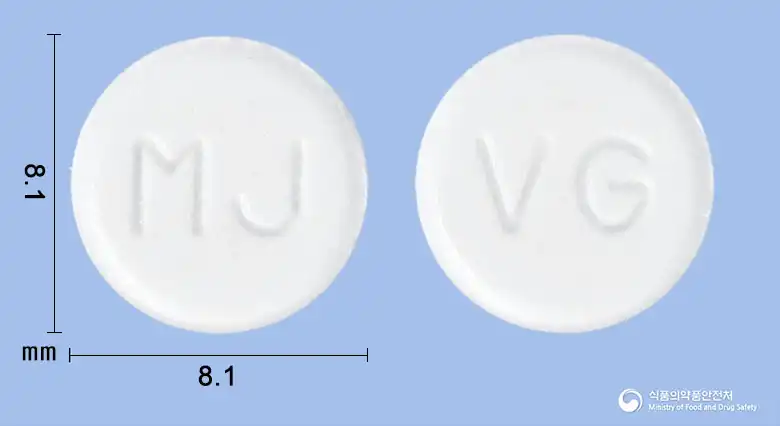
Vildagliptin 50mg
Tablet · Prescription medication
Mothers Pharmaceutical Co., Ltd.
Even with the same ingredient, the dose and directions can differ by strength and dosage form. Talk to a doctor or pharmacist before switching from a medication you are already taking.
No questions yet.
For anything that needs medical judgment, consult a doctor or pharmacist.
This drug information is based on data provided by the Korea Ministry of Food and Drug Safety.
Consult a doctor or pharmacist for accurate dosage, administration, and usage instructions.