
 한국어
 English
 日本語
 中文(简体)
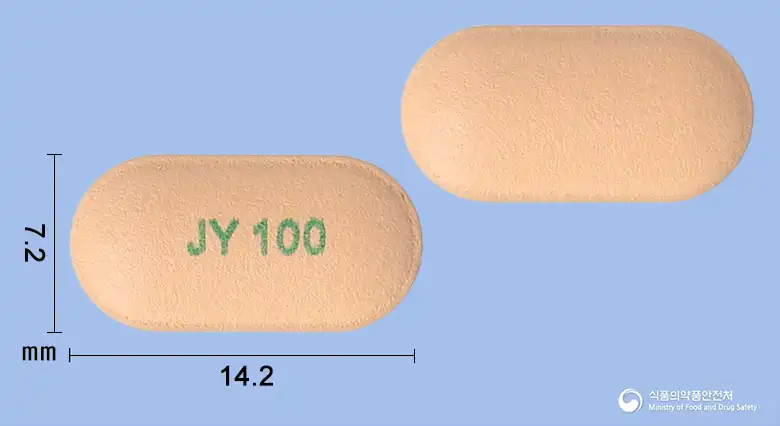 Viewing nowCombination
Dapagreen S Tablets 10/100mg
Dapagliflozin Propanediol Hydrate 12.3mg · Sitagliptin Phosphate Hydrate 128.5mg
Tablet · Prescription medication · Combination
Jinyang Pharmaceutical Co., Ltd.
MFDS item code 202200065 · Approved 2022.01.04 · Insurance code 650304520
Improvement of glycemic control in patients with type 2 diabetes mellitus
This medication helps to control blood sugar levels in patients with type 2 diabetes by using sitagliptin and dapagliflozin together. It serves as an aid to effectively manage blood sugar levels in conjunction with dietary and exercise therapy. This helps improve the condition of patients who have difficulty controlling their blood sugar levels.
One tablet of this medicine may be administered once daily, with or without food, to patients receiving sitagliptin 100 mg and dapagliflozin 10 mg. The tablet should be swallowed whole. No dose adjustment is necessary when the estimated glomerular filtration rate[estimated glomerular filtration rate(eGFR)] is 45 mL/min/1.73m2 or higher. This medicine should not be administered when the estimated glomerular filtration rate(eGFR) is below 45 mL/min/1.73 m2. No dose adjustment is necessary in patients with mild or moderate hepatic impairment. Use of this medicine is not recommended in patients with severe hepatic impairment.
This medication contains sitagliptin and dapagliflozin, and there are several important precautions to consider when using it. First, it is essential to check for any history of allergic reactions to the ingredients or additives of this medication before use. If there is suspicion of an allergic reaction, use should be discontinued immediately and medical consultation sought. This medication should not be administered to patients with type 1 diabetes, diabetic ketoacidosis, or those undergoing dialysis. While taking this medication, serious side effects such as pancreatitis may occur, so if symptoms like abdominal pain, vomiting, or loss of appetite arise, immediate medical attention should be sought. Patients with reduced fluid volume or renal impairment should consult with healthcare professionals before taking this medication, and regular monitoring of blood pressure and kidney function is required during use. Elderly patients or those taking diuretics should be particularly cautious. Additionally, this medication may cause hypoglycemia, so when used with blood glucose-lowering agents such as insulin or sulfonylureas, blood sugar levels should be checked frequently, and dosage adjustments may be necessary. Taking this medication may increase the risk of genital infections or urinary tract infections; therefore, appropriate treatment should be received if infection symptoms appear. It is recommended that pregnant or breastfeeding women do not use this medication, especially during breastfeeding as it can be transmitted through breast milk and may affect the newborn. During the use of this medication, caution is advised when driving or operating machinery due to the risk of accidents from hypoglycemic symptoms. Lastly, the safety and efficacy of this medication have not been established in children, and it is advisable for elderly patients to have their kidney function evaluated regularly. Please be aware of these matters, and if any abnormal symptoms occur, consult with healthcare professionals to use this medication safely.
Not everyone experiences these, and they can vary from person to person.
This medication should be stored in a tightly sealed container to protect it from air and moisture. It is advisable to maintain a storage temperature between 1 and 30 degrees Celsius.
Bright yellow rectangular film-coated tablets
Box - 28 tablets/box [(7 tablets/PTP (Alu-Alu) x 4)], Box - 30 tablets/box [(10 tablets/PTP (Alu-Alu) x 3)]
Even with the same ingredient, strength, dosage form and how it is taken can differ.
Viewing nowCombinationDapagliflozin Propanediol Hydrate 12.3mg · Sitagliptin Phosphate Hydrate 128.5mg
Tablet · Prescription medication · Combination
Jinyang Pharmaceutical Co., Ltd.
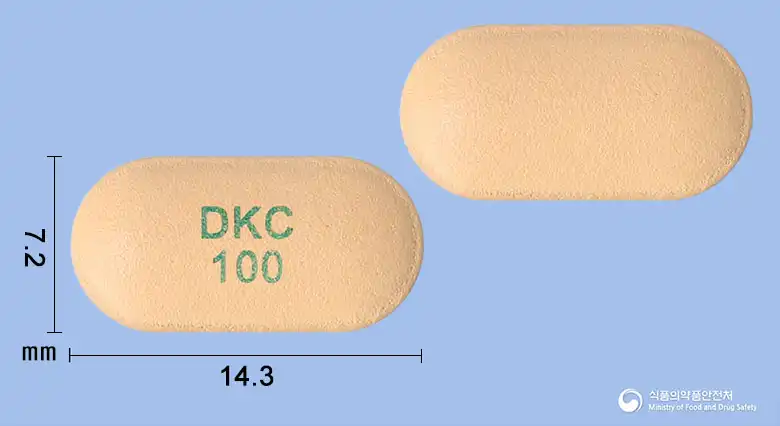 Combination
Dapagliflozin Propanediol Hydrate 12.3mg · Sitagliptin Phosphate Hydrate 128.5mg
Tablet · Prescription medication · Combination
Donggu Bio Pharmaceutical Co., Ltd.
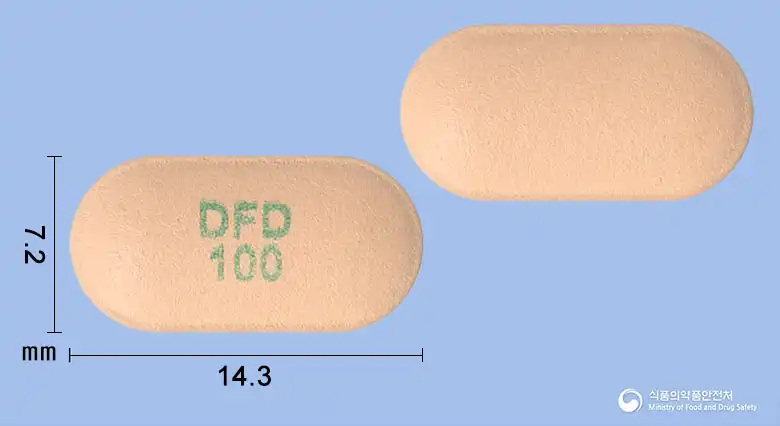 Combination
Dapagliflozin Propanediol Hydrate 12.3mg · Sitagliptin Phosphate Hydrate 128.5mg
Tablet · Prescription medication · Combination
Daewoo Pharmaceutical Co., Ltd.
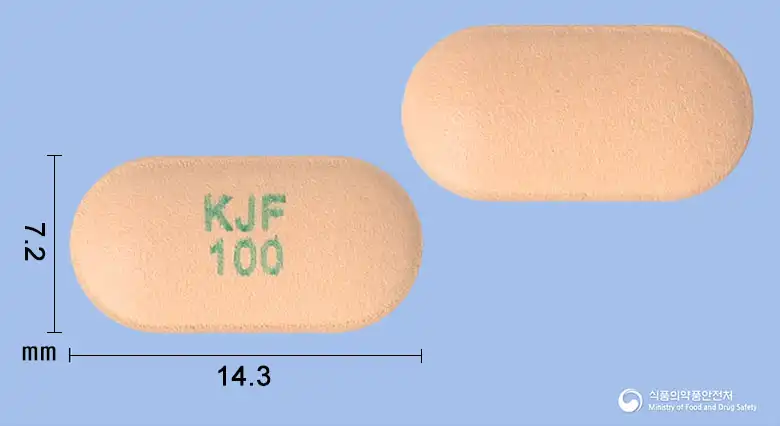 Combination
Dapagliflozin Propanediol Hydrate 12.3mg · Sitagliptin Phosphate Hydrate 128.5mg
Tablet · Prescription medication · Combination
International Pharmaceutical Co., Ltd.
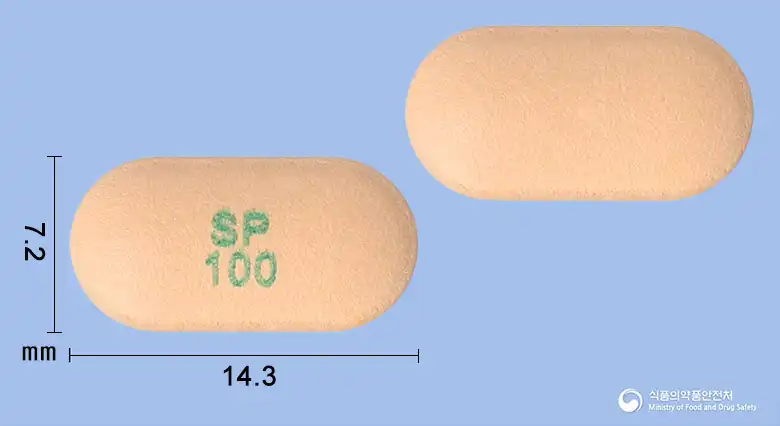 Combination
Dapagliflozin Propanediol Hydrate 12.3mg · Sitagliptin Phosphate Hydrate 128.5mg
Tablet · Prescription medication · Combination
Shinpoong Pharmaceutical Co., Ltd.
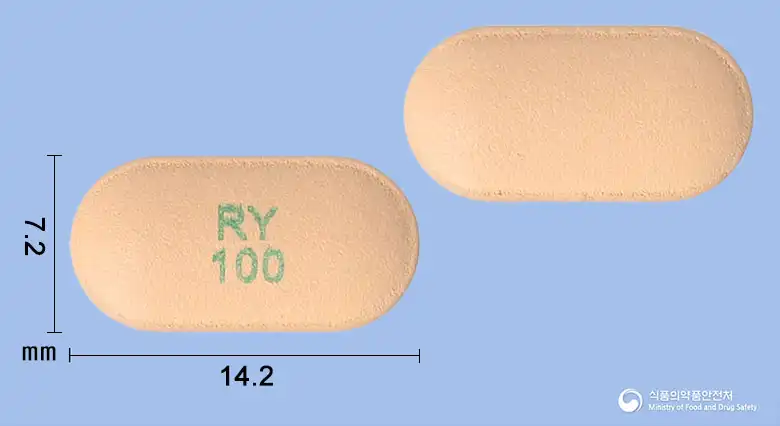 Combination
Dapagliflozin Propanediol Hydrate 12.3mg · Sitagliptin Phosphate Hydrate 128.5mg
Tablet · Prescription medication · Combination
IYON Pharmaceutical Co., Ltd.
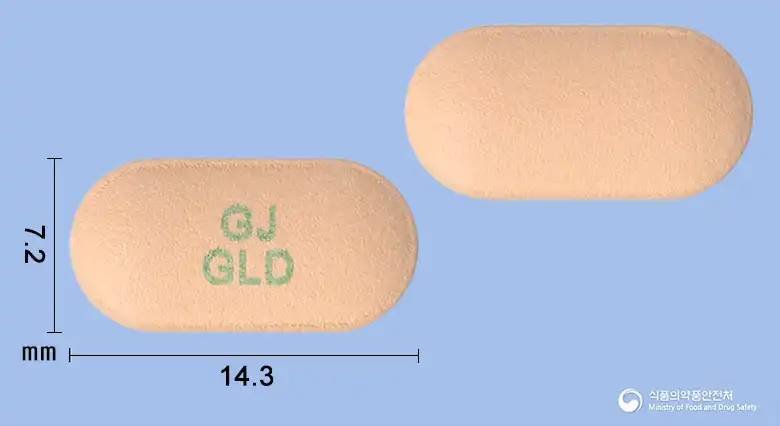 Combination
Dapagliflozin Propanediol Hydrate 12.3mg · Sitagliptin Phosphate Hydrate 128.5mg
Tablet · Prescription medication · Combination
Kujoo Pharmaceutical Co., Ltd.
Dapagliflozin Propanediol Hydrate 12.3mg · Sitagliptin Phosphate Hydrate 128.5mg
Tablet · Prescription medication · Combination
Ildong Pharmaceutical Co., Ltd.
Even with the same ingredient, the dose and directions can differ by strength and dosage form. Talk to a doctor or pharmacist before switching from a medication you are already taking.
No questions yet.
For anything that needs medical judgment, consult a doctor or pharmacist.
This drug information is based on data provided by the Korea Ministry of Food and Drug Safety.
Consult a doctor or pharmacist for accurate dosage, administration, and usage instructions.