
 한국어
한국어 English
 日本語
日本語 中文(简体)
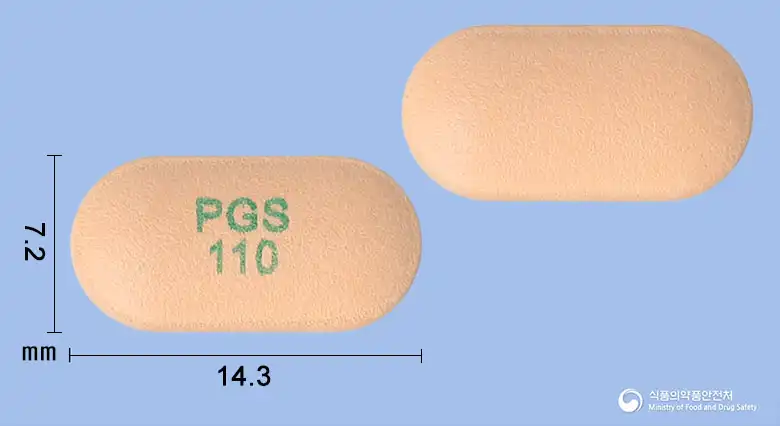 Viewing nowCombination
Janudajinjeong 10/100 mg
Dapagliflozin Propanediol Hydrate 12.3mg · Sitagliptin Phosphate Hydrate 128.5mg
Tablet · Prescription medication · Combination
Farmgen Science Co., Ltd.
MFDS item code 202200056 · Approved 2022.01.04 · Insurance code 670105270
Improves blood sugar control in type 2 diabetes
This medication helps type 2 diabetes patients manage blood sugar by using sitagliptin and dapagliflozin together. It is designed to assist in more effectively managing blood sugar alongside diet and exercise therapy. This helps maintain blood sugar levels stably, supporting diabetes management and promoting patients' healthy lives.
This medication can be administered as 1 tablet of 100 mg sitagliptin and 10 mg dapagliflozin once a day, regardless of meals. The tablet should be swallowed whole.
This medication contains sitagliptin and dapagliflozin components and is used for diabetes treatment. First, this medication may cause hypersensitivity reactions, so patients who have had allergic reactions to this medication or its additives should not use it. Additionally, serious pancreatic diseases such as acute pancreatitis have been reported; if symptoms of pancreatitis occur during use, the medication should be discontinued immediately and a doctor consulted. This medication may impact kidney function, so patients with poor kidney function or those on dialysis should avoid use or require dose adjustment. The dapagliflozin component may cause decreased fluid volume and low blood pressure, so especially elderly patients or those on diuretics should carefully monitor their blood pressure and fluid status. Its blood sugar-lowering effect can increase the risk of hypoglycemia when taken with insulin or other blood sugar-lowering agents, so watch for hypoglycemia symptoms and adjust the dose as necessary. This medication may increase the risk of genital and urinary tract infections, so prompt treatment is necessary if infection symptoms appear. Women who are pregnant or planning to become pregnant should avoid the use of this medication, and breastfeeding women are also not recommended to take it. Safety and efficacy in children and adolescents under 18 years of age have not been established, so it is advisable not to use. In the case of overdose, immediate medical evaluation and proper treatment are necessary; while this medication does not significantly impact driving or operating machinery, caution is advised due to the risk of hypoglycemia. Finally, this medication should be stored in its original container and kept out of reach of children.
Rash, severe swelling (angioedema), anaphylaxis, angioedema, Stevens-Johnson syndrome, acute pancreatitis (hemorrhagic or necrotizing pancreatitis, fatal/non-fatal), severe skin adverse reactions, severe allergic reactions, severe edema, urinary abnormalities, liver abnormalities (jaundice), elevated liver enzyme levels, liver cirrhosis, acute kidney injury, worsening kidney function, acute renal failure, respiratory distress, asthma attacks, rash, chest tightness, difficulty breathing,
Not everyone experiences these, and they can vary from person to person.
This medication should be stored in a tightly sealed container to prevent exposure to air and moisture. It is recommended to maintain a storage temperature between 1 degree and 30 degrees Celsius.
Bright yellow oblong film-coated tablet
Box - 28 tablets/box [7 tablets/Alu-Alu x 4], Box - 30 tablets/box [10 tablets/Alu-Alu x 3]
Even with the same ingredient, strength, dosage form and how it is taken can differ.
Viewing nowCombinationDapagliflozin Propanediol Hydrate 12.3mg · Sitagliptin Phosphate Hydrate 128.5mg
Tablet · Prescription medication · Combination
Farmgen Science Co., Ltd.
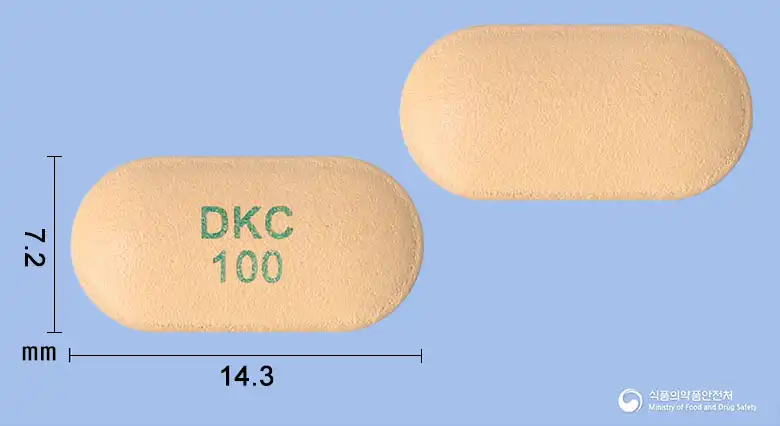 Combination
Dapagliflozin Propanediol Hydrate 12.3mg · Sitagliptin Phosphate Hydrate 128.5mg
Tablet · Prescription medication · Combination
Donggu Bio Pharmaceutical Co., Ltd.
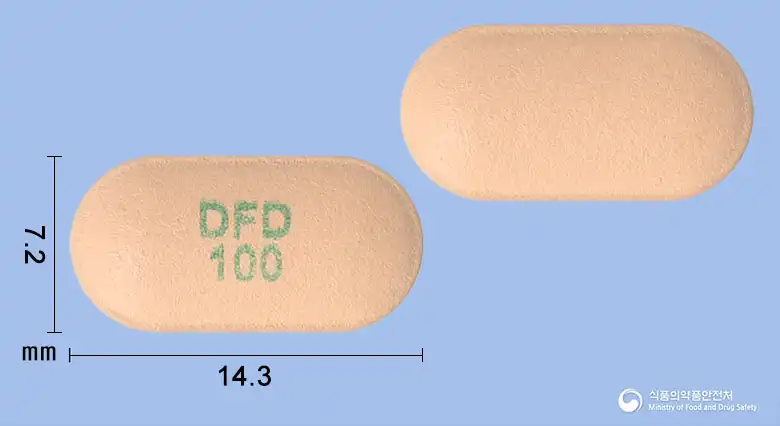 Combination
Dapagliflozin Propanediol Hydrate 12.3mg · Sitagliptin Phosphate Hydrate 128.5mg
Tablet · Prescription medication · Combination
Daewoo Pharmaceutical Co., Ltd.
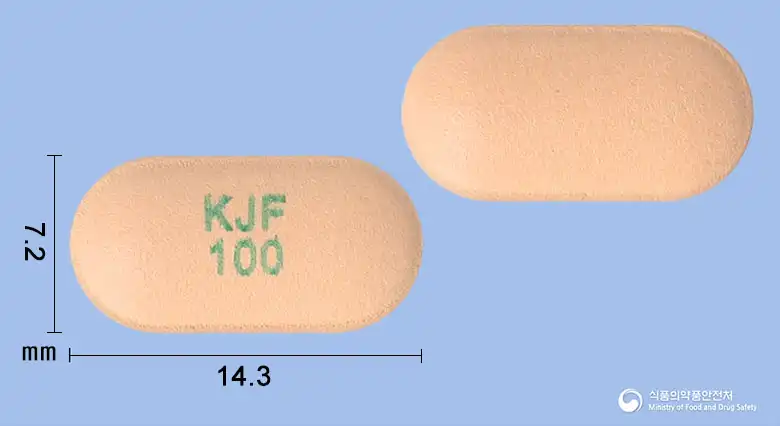 Combination
Dapagliflozin Propanediol Hydrate 12.3mg · Sitagliptin Phosphate Hydrate 128.5mg
Tablet · Prescription medication · Combination
International Pharmaceutical Co., Ltd.
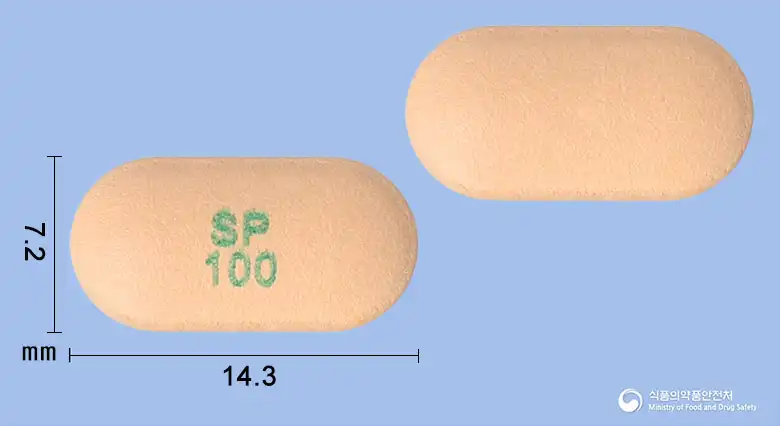 Combination
Dapagliflozin Propanediol Hydrate 12.3mg · Sitagliptin Phosphate Hydrate 128.5mg
Tablet · Prescription medication · Combination
Shinpoong Pharmaceutical Co., Ltd.
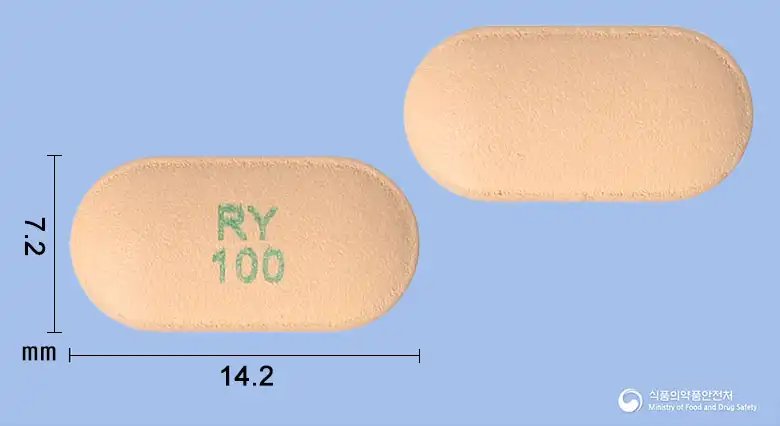 Combination
Dapagliflozin Propanediol Hydrate 12.3mg · Sitagliptin Phosphate Hydrate 128.5mg
Tablet · Prescription medication · Combination
IYON Pharmaceutical Co., Ltd.
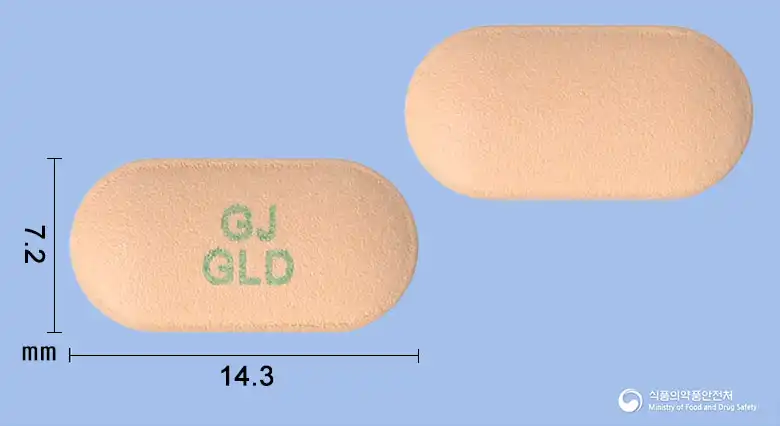 Combination
Dapagliflozin Propanediol Hydrate 12.3mg · Sitagliptin Phosphate Hydrate 128.5mg
Tablet · Prescription medication · Combination
Kujoo Pharmaceutical Co., Ltd.
Dapagliflozin Propanediol Hydrate 12.3mg · Sitagliptin Phosphate Hydrate 128.5mg
Tablet · Prescription medication · Combination
Ildong Pharmaceutical Co., Ltd.
Even with the same ingredient, the dose and directions can differ by strength and dosage form. Talk to a doctor or pharmacist before switching from a medication you are already taking.
No questions yet.
For anything that needs medical judgment, consult a doctor or pharmacist.
This drug information is based on data provided by the Korea Ministry of Food and Drug Safety.
Consult a doctor or pharmacist for accurate dosage, administration, and usage instructions.