Improvement in blood sugar control for type 2 diabetes
Who uses it
Adults
Adult dosage
This medication can be administered to patients taking 100 mg of sitagliptin and 10 mg of dapagliflozin as one tablet once a day, irrespective of meals. The tablet should be swallowed whole.
Improvement in blood sugar control for type 2 diabetes
View approved original textHide original text
This medication is used to improve blood sugar control in patients with type 2 diabetes by supporting dietary and exercise regimens. It is particularly effective in patients for whom combination therapy with sitagliptin and dapagliflozin is appropriate. This medication helps manage blood sugar levels reliably, thereby assisting in the prevention of complications associated with diabetes. By taking it consistently, blood sugar control improves significantly, making it a great help in health management. Therefore, it is actively used in the treatment and management of type 2 diabetes.
Dosage and Administration
Adult dosage
This medication can be administered to patients taking 100 mg of sitagliptin and 10 mg of dapagliflozin as one tablet once a day, irrespective of meals. The tablet should be swallowed whole.
Precautions
This medication contains two components, sitagliptin and dapagliflozin.
First, sitagliptin can cause allergic reactions; therefore, if symptoms of hypersensitivity such as skin rash or difficulty breathing occur, usage must be stopped immediately. Moreover, acute pancreatitis, a serious inflammation of the pancreas, can develop; thus, if abdominal pain or nausea occurs, it is essential to consult a doctor immediately.
Second, dapagliflozin may reduce body fluid levels, potentially causing low blood pressure or kidney function impairment. Caution is especially necessary in individuals with impaired kidney function or the elderly. Before taking this medication, fluid status and kidney function should be verified, and during treatment, blood pressure and kidney function should be checked regularly.
This medication should not be used in patients with type 1 diabetes or those undergoing renal dialysis, nor should it be taken by individuals with a history of allergy to this medication or its components.
Additionally, since this medication can potentially cause hypoglycemia, special attention is required for symptoms of low blood sugar when used with other hypoglycemic agents such as insulin or sulfonylureas; it may be necessary to adjust the doses of other medications accordingly.
The risk of genital infections and urinary tract infections can increase during treatment; thus, if any infection symptoms appear, immediate treatment should be sought.
It is advisable for pregnant or breastfeeding women to avoid using this medication, especially during breastfeeding, as it may affect the baby.
Lastly, this medication has not been established as safe and effective in children under 18 years of age; thus, it should not be used in this population. In elderly patients, kidney function should be frequently assessed, and the medication should be taken with caution.
When taking this medication, it is important to consult with a doctor or pharmacist and closely observe any adverse reactions or changes in symptoms. If suspected symptoms arise, notify a healthcare professional immediately.
Side effects and when to seek care immediately
Serious side effects
Rash
severe swelling (edema)
anaphylaxis
angioedema
Stevens-Johnson syndrome
exfoliative dermatitis
acute pancreatitis
hemorrhagic or necrotizing pancreatitis
difficulty breathing
severe skin reactions
Show 11 moreCollapse
yellowing of skin or eyes (jaundice)
liver abnormalities
sudden and severe headache
seizures
confusion
visual disturbances
paralysis
significantly decreased urine output
generalized severe edema
increased blood pressure
necrosis of the perineum
Mild side effects
Genital infections
urinary tract infections
hypoglycemia
dizziness
constipation
dry mouth
back pain
dysuria
polyuria
nocturia
Show 26 moreCollapse
vulvar pruritus
increased serum creatinine
dyslipidemia
weight loss
headache
nausea
diarrhea
dyspepsia
rash
sweating
itching
myalgia
arthralgia
cough
dyspnea
orthostatic hypotension
palpitations
insomnia
tinnitus
chest pain
weakness
fatigue
pain
edema
hunger
vaginal discharge
Not everyone experiences these, and they can vary from person to person.
Storage
This medication may be sensitive to air and moisture; therefore, it must be stored in a tightly sealed container. Additionally, it is best to store the medication at room temperature, between 1 to 30 degrees Celsius, ensuring it is not too hot or too cold. By doing so, the effectiveness of the medication can be maintained for a longer period.
Appearance and packaging
Appearance
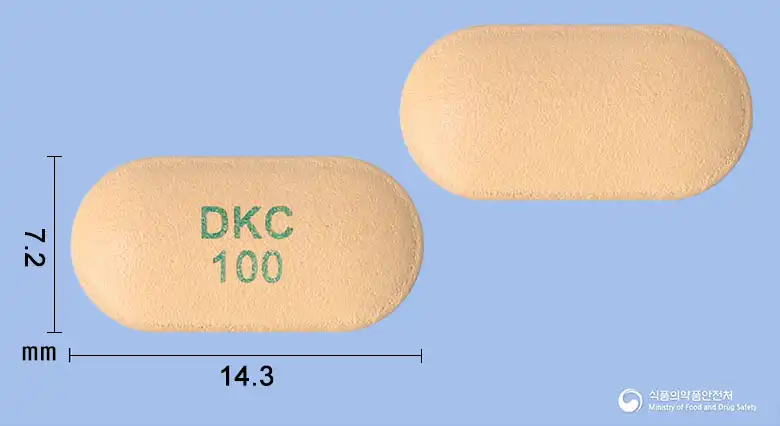
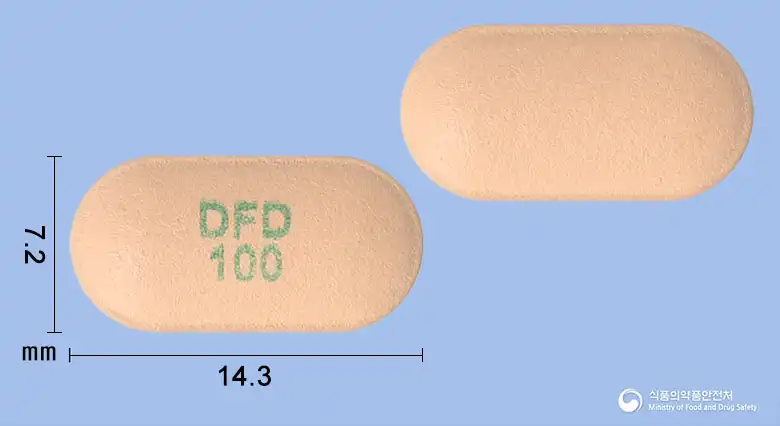
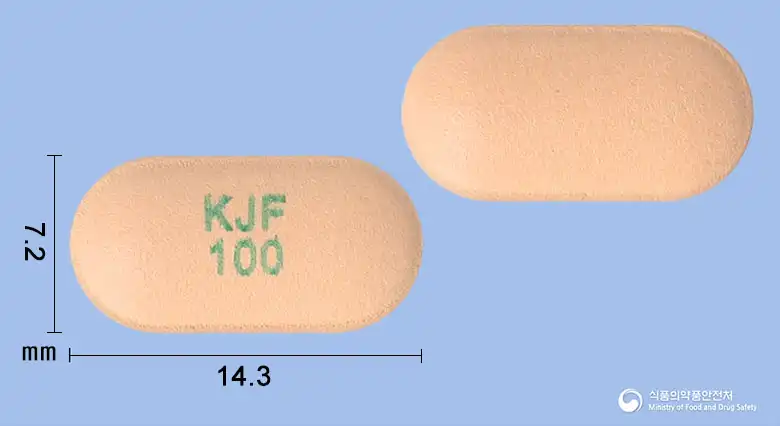
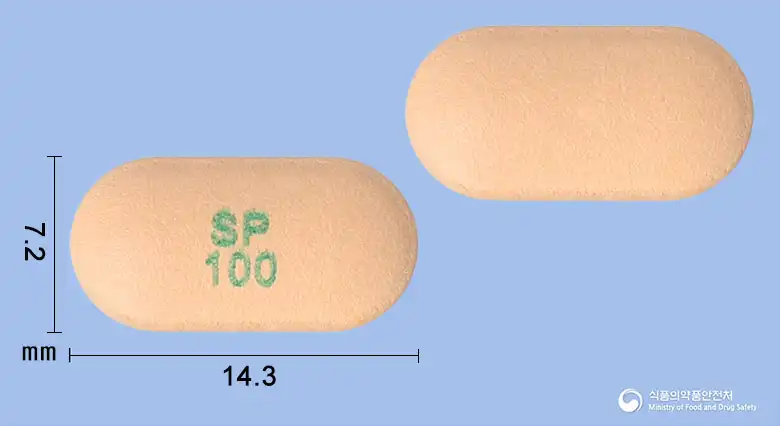
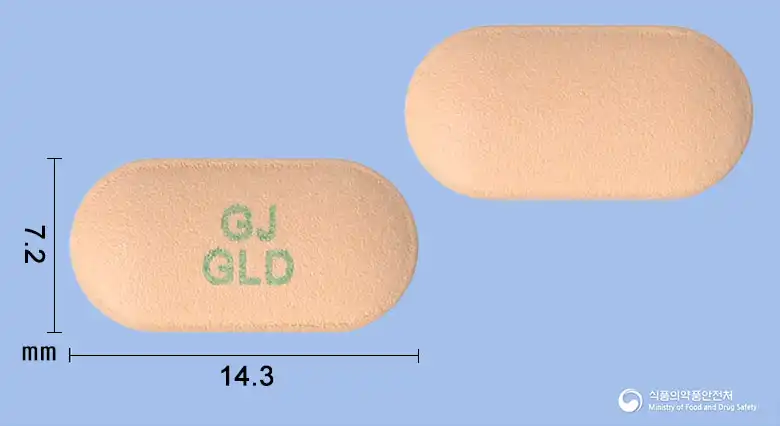
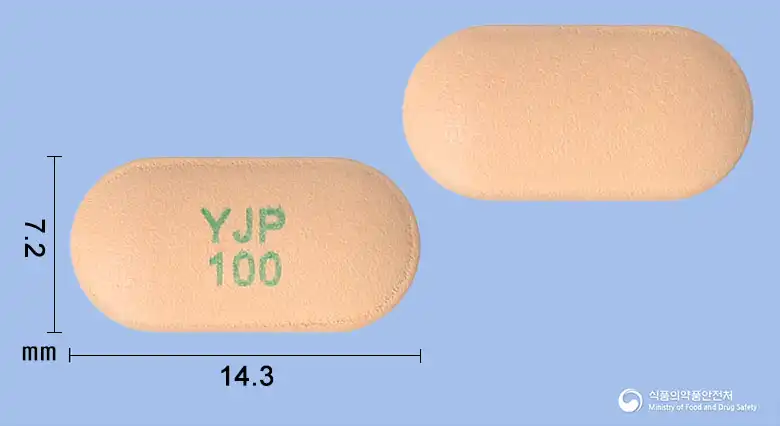
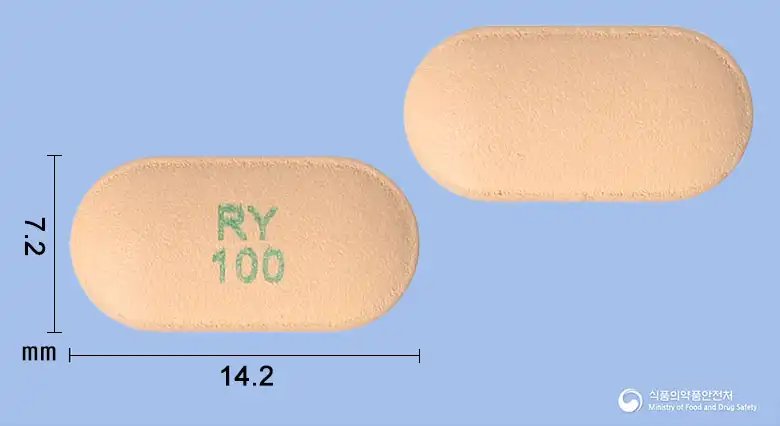
Bright yellow rectangular film-coated tablets
Package unit
Box - 28 tablets/box [(7 tablets/PTP (Alu-Alu) x 4)], Box - 30 tablets/box [(10 tablets/PTP (Alu-Alu) x 3)]
Same-ingredient medicines
Even with the same ingredient, strength, dosage form and how it is taken can differ.
Even with the same ingredient, the dose and directions can differ by strength and dosage form. Talk to a doctor or pharmacist before switching from a medication you are already taking.
Questions about this medicine
No questions yet.
For anything that needs medical judgment, consult a doctor or pharmacist.
This drug information is based on data provided by the Korea Ministry of Food and Drug Safety. Consult a doctor or pharmacist for accurate dosage, administration, and usage instructions.

 한국어
한국어 English
 日本語
日本語 中文(简体)
 Viewing nowCombination