
 한국어
한국어 English
 日本語
日本語 中文(简体)
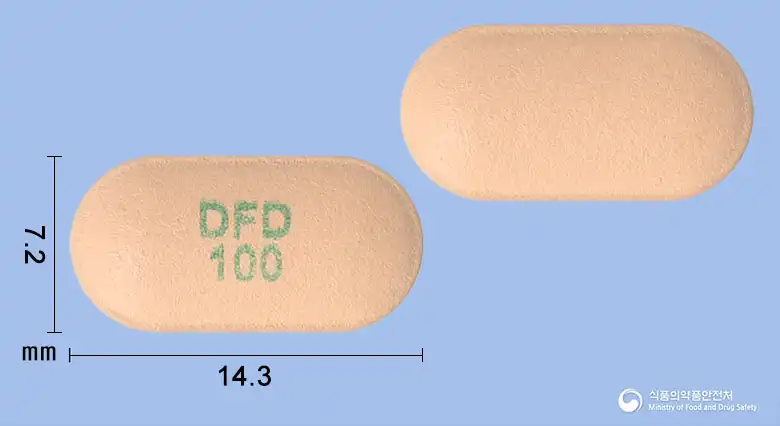 Viewing nowCombination
Dapa Duo Tablet 10/100 Milligrams
Dapagliflozin Propanediol Hydrate 12.3mg · Sitagliptin Phosphate Hydrate 128.5mg
Tablet · Prescription medication · Combination
Daewoo Pharmaceutical Co., Ltd.
MFDS item code 202200042 · Approved 2022.01.04 · Insurance code 649606170
Improvement in blood sugar control for type 2 diabetes
This medication is used to assist with blood sugar control in patients with type 2 diabetes. The combined action of sitagliptin and dapagliflozin effectively lowers blood sugar levels, complementing diet and exercise regimens. It aids patients in achieving more stable blood sugar management. Consistent use alongside lifestyle changes can greatly assist blood sugar control. This medication improves blood sugar control in type 2 diabetes.
This medication can be administered to patients taking 100 mg of sitagliptin and 10 mg of dapagliflozin once daily without regard to meals. The tablet should be swallowed whole.
This medication contains sitagliptin and dapagliflozin and is used for diabetes treatment. Firstly, this medication can rarely cause serious allergic reactions; therefore, if symptoms such as skin rash, difficulty breathing, or swelling of the face or neck occur after taking the medication, you should immediately discontinue use and consult a doctor. Additionally, there have been reports of a serious side effect called acute pancreatitis, which is inflammation of the pancreas. If symptoms such as upper abdominal pain, nausea, or vomiting occur after taking this medication, seek medical attention promptly. This medication is not administered to patients with type 1 diabetes or those with diabetic ketoacidosis who have difficulty controlling blood sugar, nor to patients on dialysis. Patients with decreased kidney function or low fluid volume should use this medication carefully, routinely monitoring kidney function and blood pressure, especially in elderly patients or those taking diuretics to be cautious of hypotension or dehydration symptoms. One of this medication’s ingredients can increase the risk of hypoglycemia when taken with insulin or sulfonylureas, so it is important to monitor for signs of low blood sugar closely and consult a doctor to adjust the insulin dosage if necessary. Be aware that the risk of genital infections or urinary tract infections may increase during use, so any symptoms such as itching, pain, or redness should be reported immediately. It is advisable for pregnant or breastfeeding women to avoid this medication, especially while breastfeeding, as it may affect the baby. Safety and efficacy in children under 18 years of age have not been established; thus, it should not be used in this population. In case of overdose, there is no specific antidote; therefore, appropriate treatment according to symptoms should be received, and hospital monitoring may be required if necessary. Finally, be cautious of the risk of accidents due to hypoglycemic symptoms while driving or operating machinery during the use of this medication.
Hives, severe swelling (angioedema), chest tightness, difficulty breathing, cold sweat, pallor, anaphylaxis, angioedema, Stevens-Johnson syndrome, severe rash with high fever, blisters, skin peeling, pain in oral/mucous membranes, severe skin reactions, shortness of breath or difficulty breathing, asthma attack, respiratory distress accompanied by cough + fever, jaundice (yellowing of skin or eyes), profound lethargy, liver abnormalities (yellowing)
Not everyone experiences these, and they can vary from person to person.
This medication should be stored in a tightly sealed container to prevent exposure to air and moisture. It is important to maintain room temperature between 1 degree and 30 degrees Celsius. This will help preserve the effectiveness and safety of the medication for a long time.
Bright yellow rectangular film-coated tablet
Box - 28 tablets/box [(7 tablets/PTP (Alu-Alu) x 4)], Box - 30 tablets/box [(10 tablets/PTP (Alu-Alu) x 3)]
Even with the same ingredient, strength, dosage form and how it is taken can differ.
Viewing nowCombinationDapagliflozin Propanediol Hydrate 12.3mg · Sitagliptin Phosphate Hydrate 128.5mg
Tablet · Prescription medication · Combination
Daewoo Pharmaceutical Co., Ltd.
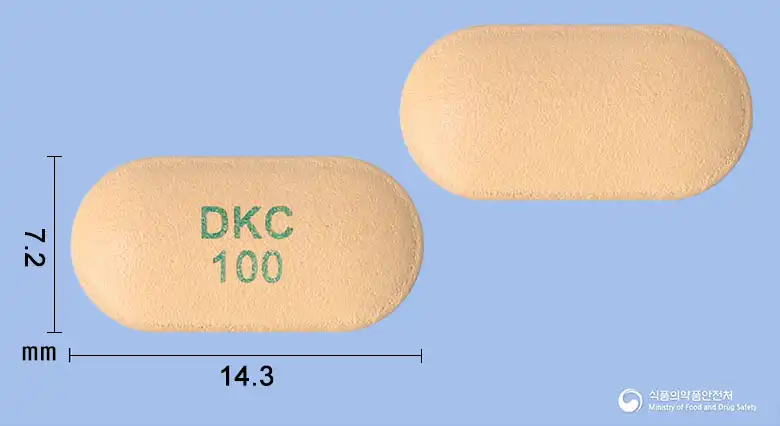 Combination
Dapagliflozin Propanediol Hydrate 12.3mg · Sitagliptin Phosphate Hydrate 128.5mg
Tablet · Prescription medication · Combination
Donggu Bio Pharmaceutical Co., Ltd.
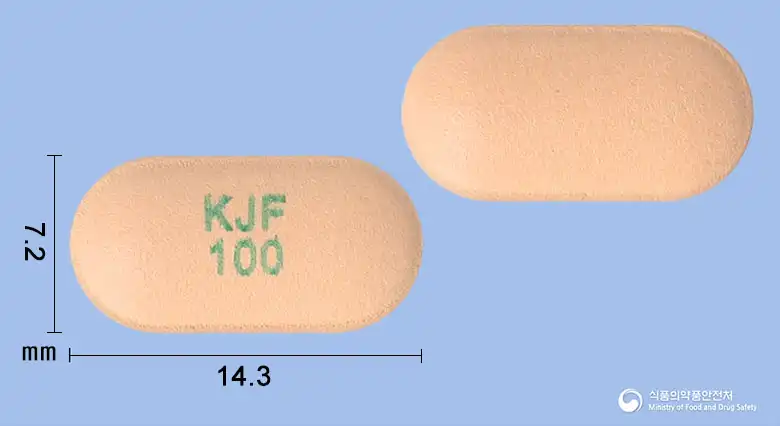 Combination
Dapagliflozin Propanediol Hydrate 12.3mg · Sitagliptin Phosphate Hydrate 128.5mg
Tablet · Prescription medication · Combination
International Pharmaceutical Co., Ltd.
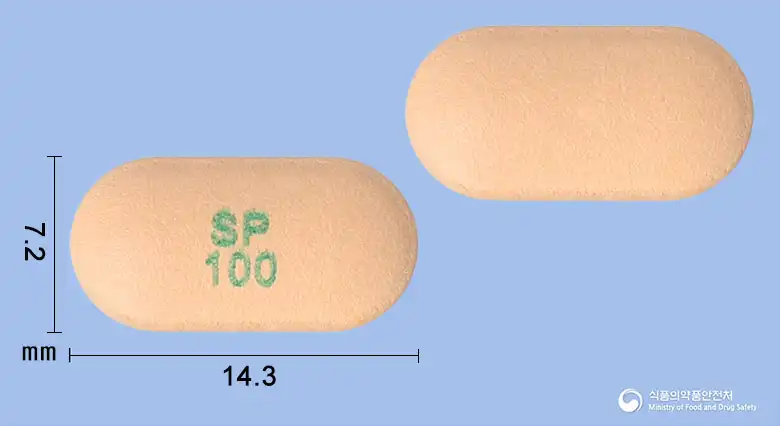 Combination
Dapagliflozin Propanediol Hydrate 12.3mg · Sitagliptin Phosphate Hydrate 128.5mg
Tablet · Prescription medication · Combination
Shinpoong Pharmaceutical Co., Ltd.
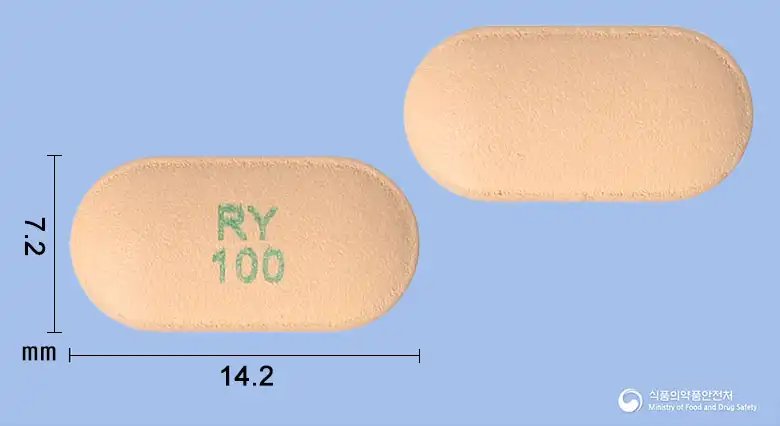 Combination
Dapagliflozin Propanediol Hydrate 12.3mg · Sitagliptin Phosphate Hydrate 128.5mg
Tablet · Prescription medication · Combination
IYON Pharmaceutical Co., Ltd.
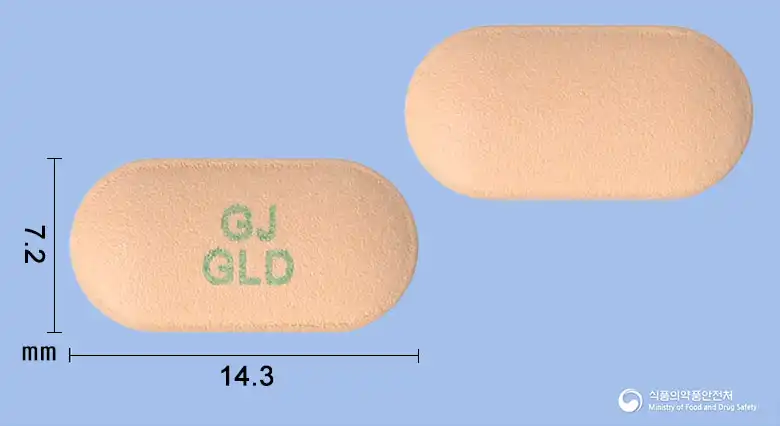 Combination
Dapagliflozin Propanediol Hydrate 12.3mg · Sitagliptin Phosphate Hydrate 128.5mg
Tablet · Prescription medication · Combination
Kujoo Pharmaceutical Co., Ltd.
Dapagliflozin Propanediol Hydrate 12.3mg · Sitagliptin Phosphate Hydrate 128.5mg
Tablet · Prescription medication · Combination
Ildong Pharmaceutical Co., Ltd.
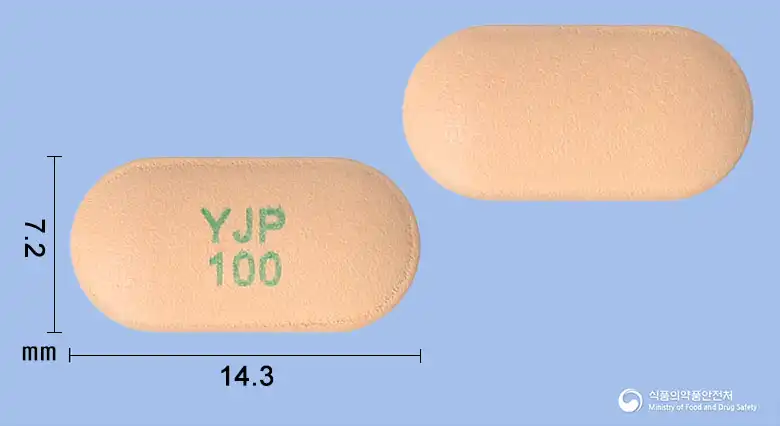 Combination
Dapagliflozin Propanediol Hydrate 12.3mg · Sitagliptin Phosphate Hydrate 128.5mg
Tablet · Prescription medication · Combination
Youngjin Pharmaceutical Co., Ltd.
Even with the same ingredient, the dose and directions can differ by strength and dosage form. Talk to a doctor or pharmacist before switching from a medication you are already taking.
No questions yet.
For anything that needs medical judgment, consult a doctor or pharmacist.
This drug information is based on data provided by the Korea Ministry of Food and Drug Safety.
Consult a doctor or pharmacist for accurate dosage, administration, and usage instructions.