
 한국어
 English
 日本語
 中文(简体)
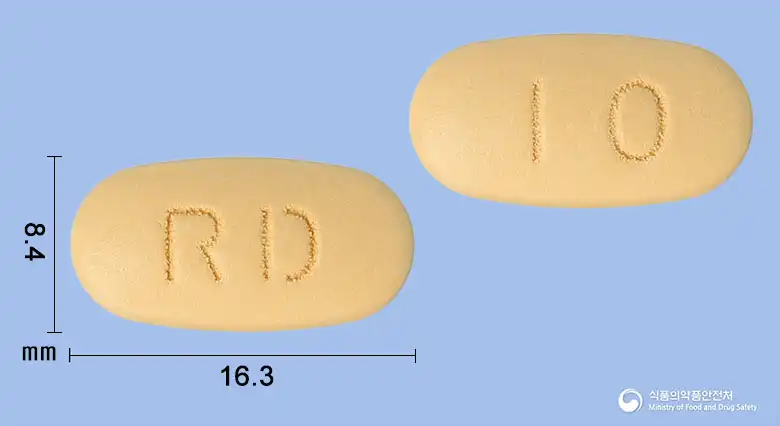 Viewing nowCombination
Rabeol Duo Tablet 10/500 mg (Rabeprazole Sodium, Sodium Bicarbonate)
Sodium Bicarbonate 500mg · Rabeprazole Sodium 10mg
Tablet · Prescription medication · Combination
Samjin Pharmaceutical Co., Ltd.
MFDS item code 202108208 · Approved 2021.12.31 · Insurance code 647805340
Treatment, symptom relief, and maintenance therapy for gastroesophageal reflux disease; treatment of gastric and duodenal ulcers
This medication is effective in treating gastric ulcers and duodenal ulcers. It is also used for erosive or ulcerative gastroesophageal reflux disease and helps alleviate symptoms of gastroesophageal reflux disease. It is applied for long-term maintenance therapy of gastroesophageal reflux disease, contributing to the prevention of symptom recurrence. Due to these efficacies, it is widely used in the treatment of gastrointestinal diseases.
This medicine 10/500mg and 20/500mg contain 10 and 20mg of rabeprazole sodium, respectively. However, note that the amount of sodium bicarbonate in two tablets of this medicine 10/500mg is not the same as that in one tablet of 20/500mg. 1. Adults: 1) Gastric ulcer, duodenal ulcer: The usual dose for adults is 10/500mg orally once daily. Depending on symptoms, 20/500mg may be administered orally once daily. Treatment is usually given for up to 8 weeks for gastric ulcers and up to 6 weeks for duodenal ulcers. 2) Erosive or ulcerative gastroesophageal reflux disease: Administer 10/500mg or 20/500mg once daily for 4~8 weeks. If the condition has not resolved after 8 weeks of treatment with a proton pump inhibitor (PPI, proton pump inhibitor), 10/500mg or 20/500mg may be administered orally twice daily for an additional 8 weeks. However, 20/500mg twice daily is for patients with confirmed severe mucosal damage only. 3) Relief of symptoms of gastroesophageal reflux disease: Administer 10/500mg once daily. If symptoms are not controlled after 4 weeks of treatment, further evaluation is needed. After symptoms have resolved, subsequent symptoms may be controlled as needed using on-demand therapy with 10/500mg once daily. 4) Long-term maintenance therapy for gastroesophageal reflux disease: Administer 10/500mg or 20/500mg orally once daily, depending on the patient. 2. Patients with hepatic impairment: Adverse reactions of hepatic encephalopathy have been reported in patients with cirrhosis. Therefore, administer with caution. 3. Elderly patients: Administer with caution because hepatic function is often reduced.
Children: Safety in children has not been established.
This medication should not be used in patients with a history of allergic reactions or hypersensitivity to certain components or drugs. Pregnant or nursing women should not take this medication, and it is also prohibited to take it with certain antiviral drugs. Patients with liver or kidney dysfunction, elderly patients, or patients with compromised heart or lung function should use this medication cautiously. This medication contains sodium and certain dyes, so caution is needed in patients who require sodium intake restriction or have dye allergies. If any allergic symptoms such as skin rash, itching, or difficulty breathing occur during use, discontinue taking it immediately and consult a doctor. Regular blood tests or liver function tests should be performed, and if abnormal symptoms are found, medication should be discontinued and appropriate measures taken. Gastrointestinal symptoms may include diarrhea, abdominal pain, nausea, and vomiting, and severe side effects such as severe hepatitis or pancreatitis may occur rarely. Central nervous system symptoms may include headaches, dizziness, insomnia, and depression, so if symptoms are severe, consult a doctor. Prolonged use may lead to metabolic abnormalities such as osteoporosis or hypomagnesemia, so regular examinations are necessary during long-term use. This medication suppresses gastric acid secretion, which may affect the absorption of some drugs, so if taking other medications, be sure to inform and consult with a doctor or pharmacist. Caution is needed when driving or operating machinery, as drowsiness may occur. In case of overdose, there is no specific antidote, so treatment should be symptomatic; do not crush or chew the tablets, and swallow them whole. Keep out of reach of children and do not transfer to another container. While taking this medication, the risk of gastrointestinal infections may slightly increase, so if diarrhea persists, consult with healthcare professionals immediately. This medication is not used during pregnancy and nursing, and elderly patients or patients with impaired liver function should take it cautiously as the risk of side effects may increase.
Rash, hives, itching, erythrocytopenia, leukopenia, leukocytosis, eosinophilia, neutrophilia, lymphocytopenia, anemia, petechiae, lymphadenopathy, hypochromic anemia, pancytopenia, agranulocytosis, thrombocytopenia, hemolytic anemia, elevated ALT, elevated AST, elevated ALP, elevated γ-GTP, elevated LDH, elevated total bilirubin, fulminant hepatitis, hepatic dysfunction, jaundice, hypertension, myocardial infarction, ECG abnormalities, migraine, syncope, angina, atrioventricular block, palpitations, bradycardia, tachycardia, pulmonary embolism, ventricular tachycardia, thrombophlebitis, vasodilation, QTc prolongation, ventricular fibrillation, diarrhea, constipation, abdominal pain, abdominal distension, dyspepsia, belching, nausea, rectal bleeding, bloody stools, anorexia, cholelithiasis, oral ulcer, dysphagia, gingivitis, cholecystitis, hyperphagia, abnormal stool, colitis, esophagitis, glossitis, pancreatitis, proctitis, thirst, vomiting, lower abdominal pain, gastric body, gastritis, stomatitis, dysgeusia, hemorrhagic diarrhea, cholangitis, duodenitis, gastrointestinal bleeding, hepatic encephalopathy, hepatitis, liver cancer, hepatic steatosis, sialadenopathy, thirst, headache, insomnia, anxiety, dizziness, convulsions, abnormal dreams, decreased libido, neuropathy, sensory abnormalities, tremors, weakness, neuro-vegetative disorder, drowsiness, vertigo, depression, restlessness, amnesia, confusion, extrapyramidal syndrome, hypervolemia, extremity weakness, hypesthesia, decreased grip strength, language confusion, staggering, delirium, disorientation, hypersomnia, cough, pharyngitis, rhinitis, dyspnea, asthma, epistaxis, laryngitis, hiccups, hyperventilation, bronchitis, sinusitis, apnea, respiratory depression, interstitial pneumonia, myalgia, lumbago, arthritis, leg cramps, bone pain, arthrosis, bursitis, hypertonia, neuralgia, single contraction, sweating, alopecia, dry skin, herpes zoster, psoriasis, skin color change, toxic epidermal necrolysis, mucous membrane syndrome, erythema multiforme, cataract, amblyopia, glaucoma, dry eyes, abnormal vision, tinnitus, otitis media, corneal opacity, blurred vision, diplopia, hearing loss, eye pain, retinal degeneration, strabismus, proteinuria, cystitis, polyuria, dysmenorrhea, dysuria, nephrolithiasis, uterine bleeding, polydipsia, hematuria, erectile dysfunction, vaginal discharge, menorrhagia, orchitis, urinary incontinence, interstitial nephritis, edema, elevated total cholesterol, elevated triglycerides, elevated BUN, elevated serum thyroid-stimulating hormone, chest pain, chills, fever, urinary tract infection, malaise, weight gain, visual disturbances, loss of appetite, neck stiffness, phototoxic reactions, hangover effects, weight loss, gout, anaphylaxis, shock, sudden death, coma, hyperammonemia, rhabdomyolysis, delirium, angioedema, hypomagnesemia, vesicular skin rash, systemic allergic reactions, arthralgia, hepatitis, jaundice, hepatic encephalopathy, acute interstitial nephritis, alkalosis, edema due to sodium retention, gastric fullness, rebound acid secretion, nausea, constipation, abdominal pain, diarrhea, dyspepsia, abdominal distension, belching, thirst, halitosis, glossitis, xerostomia, vomiting, dysgeusia, gastritis, hepatic dysfunction, chest tightness, allergic reactions, fever, edema, hypertriglyceridemia, hypercholesterolemia, weight loss, headache, dizziness, confusion, weakness, numbness in hands and feet, anxiety, insomnia, drowsiness, facial edema, flushing, arthralgia, myalgia, palpitations, increased intraocular pressure, visual disturbances, urinary tract infection
Not everyone experiences these, and they can vary from person to person.
This medication should be stored in a tightly closed container to prevent air or moisture from entering, and it is safest to store it at room temperature between 1 and 30 degrees Celsius. It is advisable to avoid direct sunlight and not to place it in excessively hot or cold places.
Bright yellow-brown oval film-coated tablet
28 tablets / bottle
Even with the same ingredient, strength, dosage form and how it is taken can differ.
Viewing nowCombinationSodium Bicarbonate 500mg · Rabeprazole Sodium 10mg
Tablet · Prescription medication · Combination
Samjin Pharmaceutical Co., Ltd.
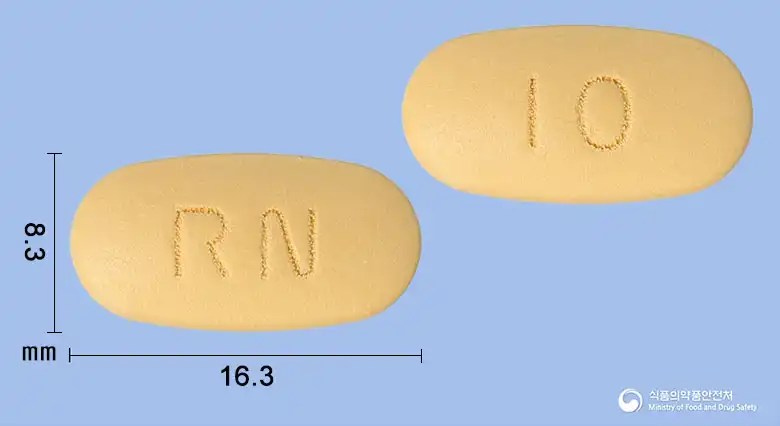 Combination
Sodium Bicarbonate 500mg · Rabeprazole Sodium 10mg
Tablet · Prescription medication · Combination
Youngjin Pharmaceutical Co., Ltd.
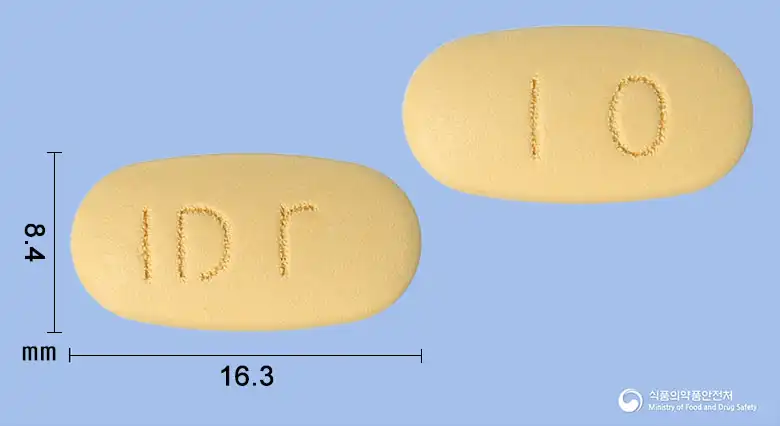 Combination
Sodium Bicarbonate 500mg · Rabeprazole Sodium 10mg
Tablet · Prescription medication · Combination
Ildong Pharmaceutical Co., Ltd.
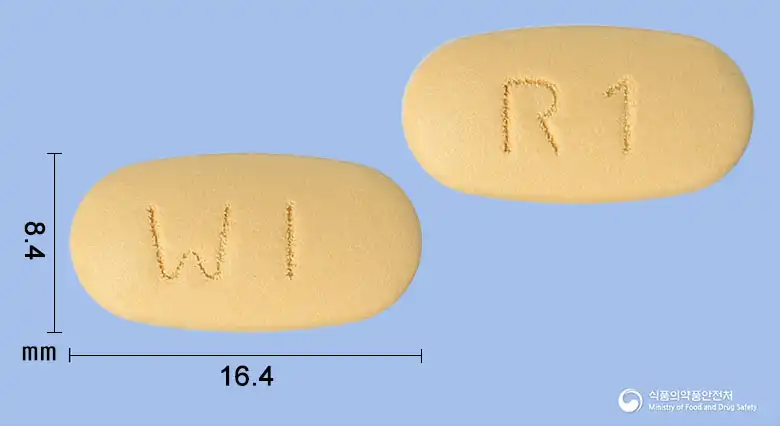 Combination
Sodium Bicarbonate 500mg · Rabeprazole Sodium 10mg
Tablet · Prescription medication · Combination
Hwanin Pharmaceutical Co., Ltd.
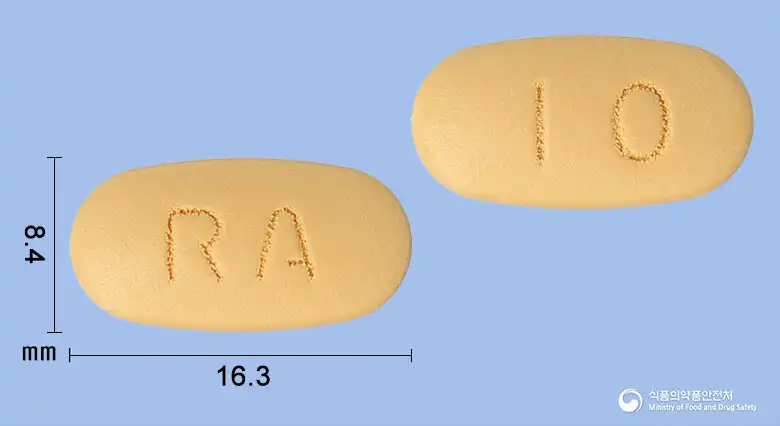 Combination
Sodium Bicarbonate 500mg · Rabeprazole Sodium 10mg
Tablet · Prescription medication · Combination
Donghwa Pharmaceutical Co., Ltd.
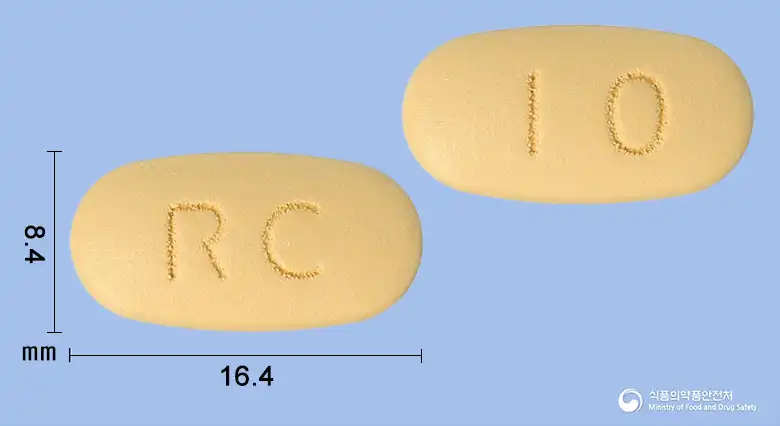 Combination
Sodium Bicarbonate 500mg · Rabeprazole Sodium 10mg
Tablet · Prescription medication · Combination
Dong-A ST Co., Ltd.
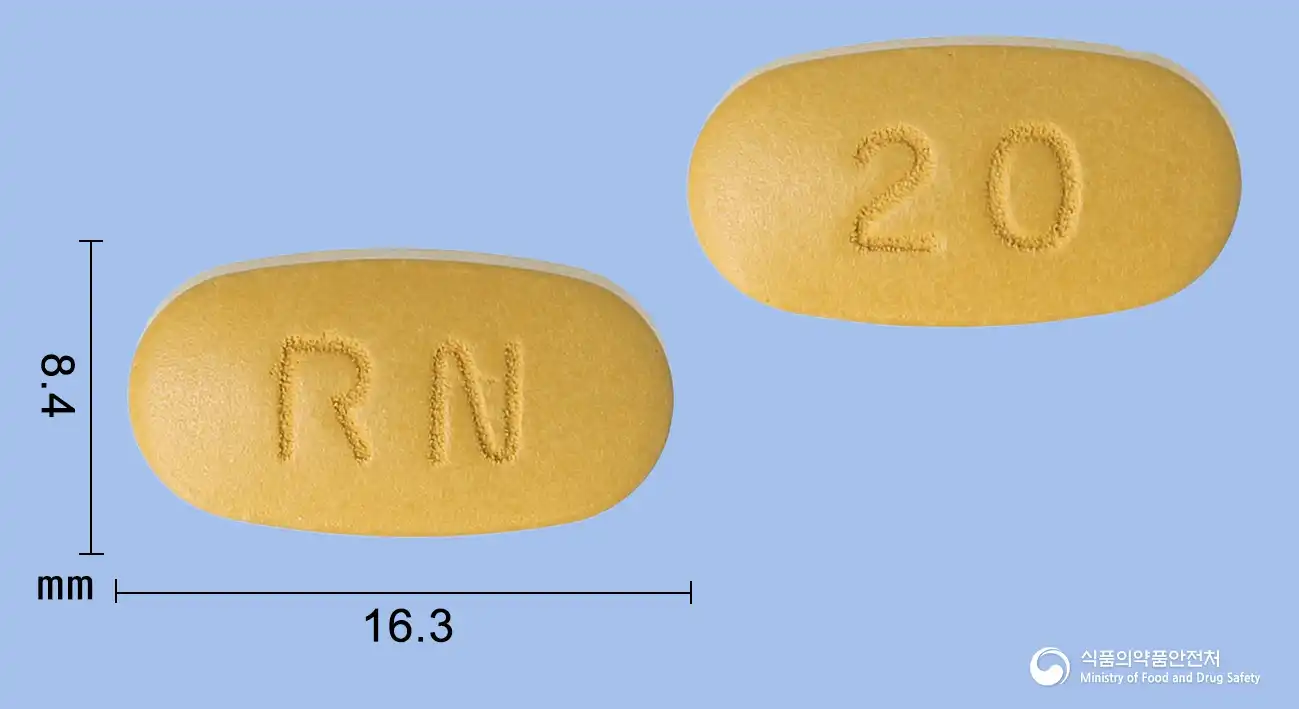 Combination
Sodium Bicarbonate 500mg · Rabeprazole Sodium 20mg
Tablet · Prescription medication · Combination
Youngjin Pharmaceutical Co., Ltd.
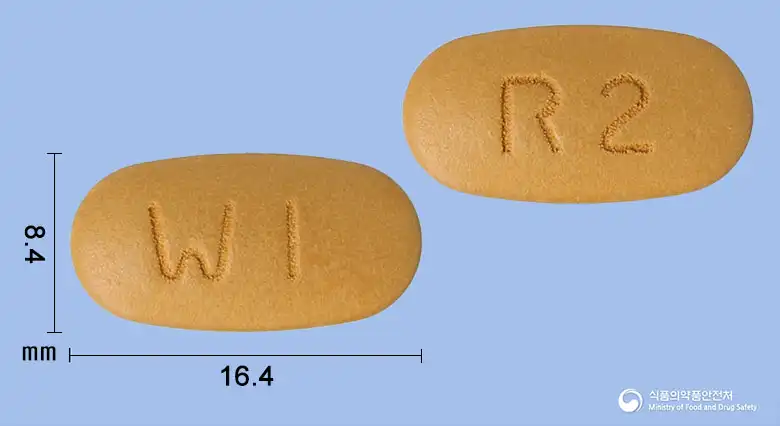 Combination
Sodium Bicarbonate 500mg · Rabeprazole Sodium 20mg
Tablet · Prescription medication · Combination
Hwanin Pharmaceutical Co., Ltd.
Even with the same ingredient, the dose and directions can differ by strength and dosage form. Talk to a doctor or pharmacist before switching from a medication you are already taking.
No questions yet.
For anything that needs medical judgment, consult a doctor or pharmacist.
This drug information is based on data provided by the Korea Ministry of Food and Drug Safety.
Consult a doctor or pharmacist for accurate dosage, administration, and usage instructions.