
 한국어
한국어 English
 日本語
日本語 中文(简体)
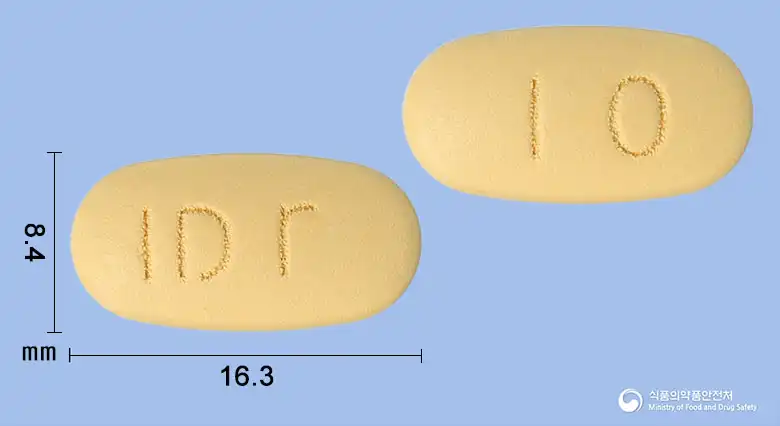 Viewing nowCombination
Raviet Duo Tablet 10/500 mg (Rabeprazole Sodium, Sodium Bicarbonate)
Sodium Bicarbonate 500mg · Rabeprazole Sodium 10mg
Tablet · Prescription medication · Combination
Ildong Pharmaceutical Co., Ltd.
MFDS item code 202108207 · Approved 2021.12.31 · Insurance code 642906630
Treatment of gastric ulcer and duodenal ulcer, relief of symptoms of gastroesophageal reflux disease and maintenance therapy
This medication is effective in the treatment of gastric ulcers and duodenal ulcers. It is also used for the treatment of erosive or ulcerative gastroesophageal reflux disease. It helps relieve symptoms due to gastroesophageal reflux disease and can be applied for long-term maintenance therapy. In other words, this drug is used in the treatment of diseases related to the stomach and esophagus and for symptom improvement.
1) For gastric ulcer and duodenal ulcer: In general, adults take 10/500 mg once daily orally. Depending on the symptoms, 20/500 mg may be taken once daily. Usually administered for up to 8 weeks for gastric ulcers and up to 6 weeks for duodenal ulcers. 2) For erosive or ulcerative gastroesophageal reflux disease: 10/500 mg or 20/500 mg is administered once daily for 4 to 8 weeks. If proton pump inhibitors (PPIs) do not resolve symptoms after 8 weeks, 10/500 mg or 20/500 mg may be taken orally twice daily for an additional 8 weeks. Note that the twice daily dosing of 20/500 mg is for patients with confirmed severe mucosal damage only. 3) For symptom relief of gastroesophageal reflux disease: 10/500 mg is administered once daily. If symptoms are not controlled after 4 weeks, further medical consultation is necessary. Once symptoms resolve, on-demand therapy using 10/500 mg once daily can be utilized to manage subsequent symptoms as needed. 4) For long-term maintenance therapy of gastroesophageal reflux disease: Depending on the patient, 10/500 mg or 20/500 mg is administered orally once daily. 2. For patients with liver dysfunction: Adverse reactions of hepatic encephalopathy have been reported in patients with cirrhosis. Therefore, caution should be exercised in administration. 3. For the elderly: Often have decreased liver function, so should use with caution. 4. For children: Safety in children has not been established.
Safety in children has not been established.
This drug should not be used by patients who have allergies or hypersensitivity to specific components or medications. Additionally, it should not be taken in conjunction with certain antiviral agents as it may reduce drug efficacy. It is also safest for pregnant or breastfeeding women to avoid using this medication. Patients with liver or kidney function problems, the elderly, and those with heart or lung function disorders should use this medication with caution. Patients with electrolyte imbalances or those who need to limit sodium intake should also be careful. This medication contains specific dyes, so caution is required if there is an allergy to these components. If skin rashes or itching occur, discontinue use immediately. Regular checks are necessary as abnormalities may appear in blood tests. If symptoms of liver dysfunction or jaundice occur, stop taking the medication and consult a doctor. Various adverse reactions including cardiovascular symptoms, gastrointestinal symptoms, and neurological symptoms have been reported, so notify immediately if symptoms appear. Adverse effects may arise in respiratory, musculoskeletal, skin, eye, urinary systems, etc., so caution is advised. Long-term use may cause metabolic issues such as osteoporosis or hypomagnesemia, requiring regular checks. This medication suppresses stomach acid, which may increase the risk of bacterial infections, so inform the doctor if diarrhea or infection symptoms persist. Be cautious when driving or operating machinery as drowsiness may occur. Interactions may occur when taken with certain medications, so inform your doctor or pharmacist if taking any other medications. It is safest for pregnant or breastfeeding women to avoid this medication, and special caution should be taken by the elderly due to decreased liver function. Safety in children has not been established, so it is advised not to use. In cases of overdose, there is no specific antidote, so treatment according to symptoms is necessary. This medication should be swallowed whole and not chewed or crushed, and kept out of reach of children. Long-term use may present a risk of gastric polyps, hence the minimum dosage and shortest duration of use are recommended. It may also affect thyroid function, so consult a physician if symptoms occur.
Urticaria, severe swelling (edema), tightness in the chest, difficulty breathing, cold sweat, pallor, fulminant hepatitis, liver dysfunction, jaundice, severe allergic reactions, heart abnormalities (myocardial infarction, ECG abnormalities, angina, pulmonary embolism), severe skin adverse reactions (toxic epidermal necrolysis, Stevens-Johnson syndrome), dyspnea, asthma attacks, bronchitis, apnea, respiratory depression, interstitial pneumonia, severe neurological symptoms (severe
Not everyone experiences these, and they can vary from person to person.
This medication should be stored tightly closed to prevent exposure to air or moisture. It is best to maintain a storage temperature between 1 to 30 degrees Celsius. This way, the effectiveness of the medication can be safely maintained.
Bright yellowish-brown oval film-coated tablet
28 tablets/bottle
Even with the same ingredient, strength, dosage form and how it is taken can differ.
Viewing nowCombinationSodium Bicarbonate 500mg · Rabeprazole Sodium 10mg
Tablet · Prescription medication · Combination
Ildong Pharmaceutical Co., Ltd.
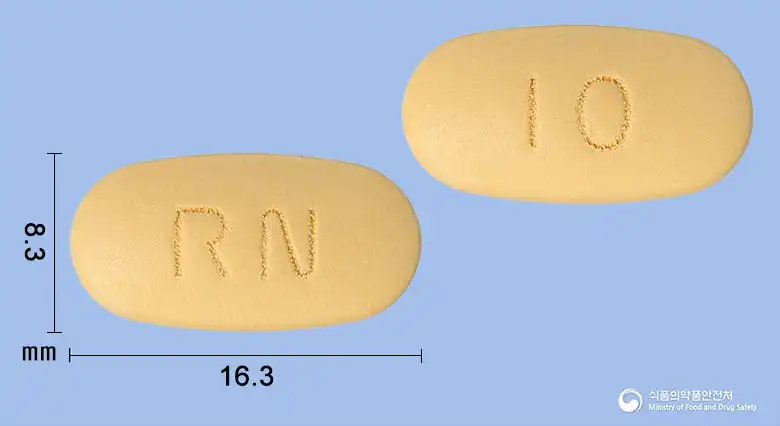 Combination
Sodium Bicarbonate 500mg · Rabeprazole Sodium 10mg
Tablet · Prescription medication · Combination
Youngjin Pharmaceutical Co., Ltd.
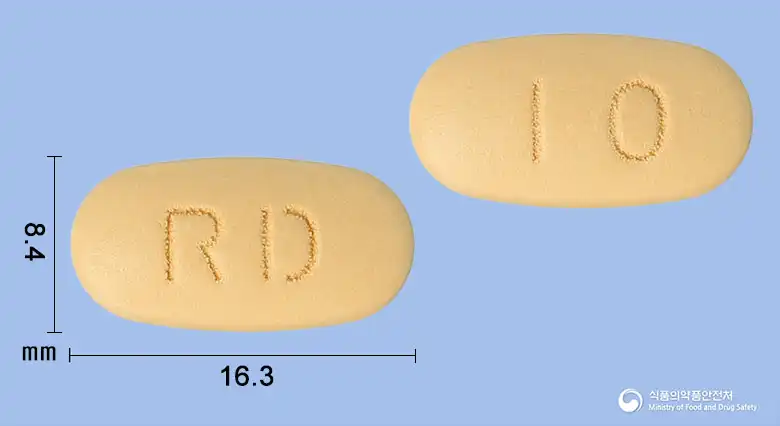 Combination
Sodium Bicarbonate 500mg · Rabeprazole Sodium 10mg
Tablet · Prescription medication · Combination
Samjin Pharmaceutical Co., Ltd.
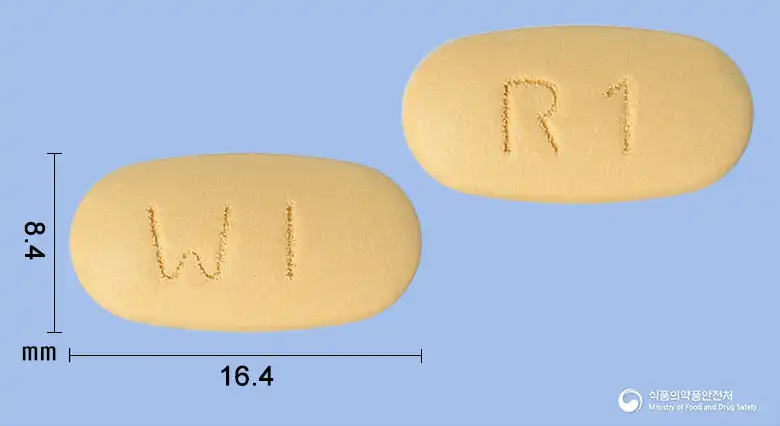 Combination
Sodium Bicarbonate 500mg · Rabeprazole Sodium 10mg
Tablet · Prescription medication · Combination
Hwanin Pharmaceutical Co., Ltd.
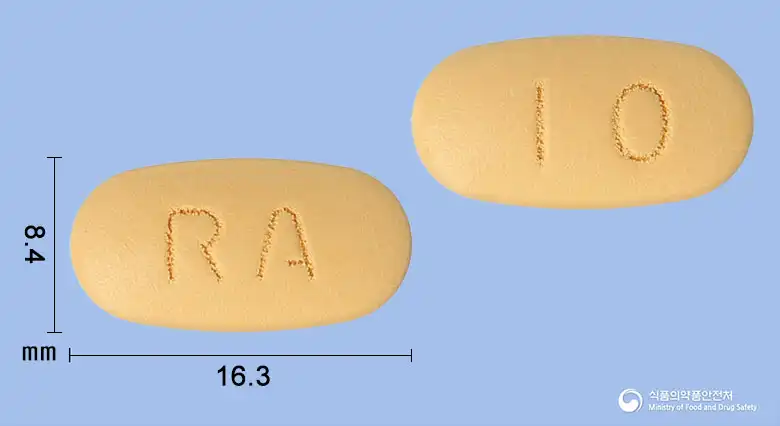 Combination
Sodium Bicarbonate 500mg · Rabeprazole Sodium 10mg
Tablet · Prescription medication · Combination
Donghwa Pharmaceutical Co., Ltd.
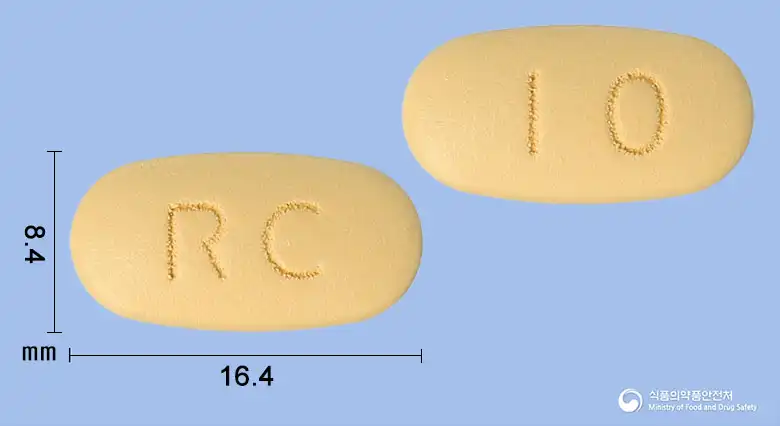 Combination
Sodium Bicarbonate 500mg · Rabeprazole Sodium 10mg
Tablet · Prescription medication · Combination
Dong-A ST Co., Ltd.
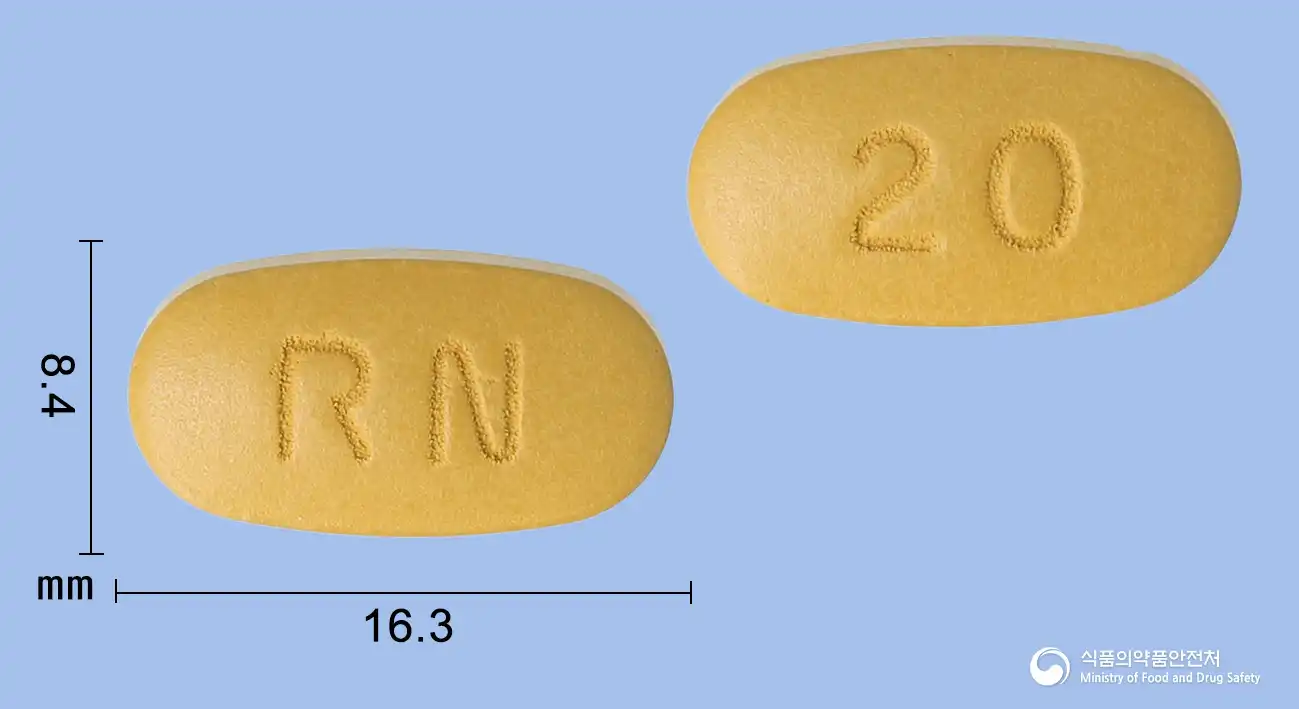 Combination
Sodium Bicarbonate 500mg · Rabeprazole Sodium 20mg
Tablet · Prescription medication · Combination
Youngjin Pharmaceutical Co., Ltd.
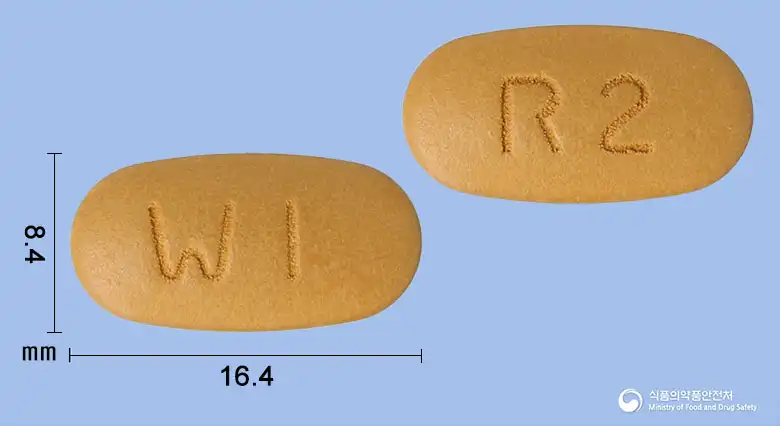 Combination
Sodium Bicarbonate 500mg · Rabeprazole Sodium 20mg
Tablet · Prescription medication · Combination
Hwanin Pharmaceutical Co., Ltd.
Even with the same ingredient, the dose and directions can differ by strength and dosage form. Talk to a doctor or pharmacist before switching from a medication you are already taking.
No questions yet.
For anything that needs medical judgment, consult a doctor or pharmacist.
This drug information is based on data provided by the Korea Ministry of Food and Drug Safety.
Consult a doctor or pharmacist for accurate dosage, administration, and usage instructions.