
 한국어
한국어 English
 日本語
日本語 中文(简体)
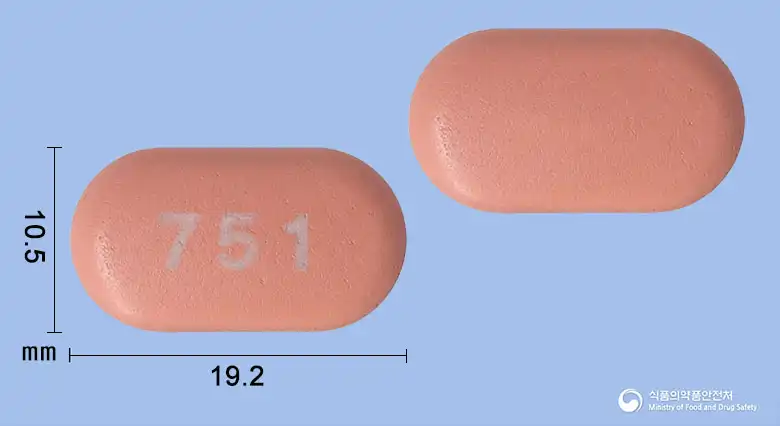 Viewing nowCombination
Januritin Combi Tablet 50/1000 Milligrams
Sitagliptin Hydrochloride Hydrate 56.7mg · Metformin Hydrochloride with Colloidal Anhydrous Silica 1010mg
Tablet · Prescription medication · Combination
Daewon Pharmaceutical Co., Ltd.
MFDS item code 202108199 · Approved 2021.12.30 · Insurance code 671807410
Improvement of blood glucose control in type 2 diabetes
This medication is used in conjunction with diet and exercise to help control blood glucose levels in patients with type 2 diabetes. It is particularly effective for those who have not previously been treated with diabetes medications or for those who do not achieve adequate blood glucose control with monotherapy. It can be used when blood glucose control is difficult with metformin or sitagliptin monotherapy or to replace the use of both of these drugs together. Additionally, it may be added to therapy when blood glucose control is insufficient with metformin and sulfonylurea or metformin and thiazolidinedione combination therapy. It can also be used with insulin and metformin if blood glucose control remains challenging. Therefore, this medication is effectively used for blood glucose management in patients with type 2 diabetes who have difficulty with multiple treatment methods.
This medication is usually taken twice a day with meals, and to minimize gastrointestinal adverse effects caused by metformin, the dosage should be increased gradually. 1. For patients not currently treated with metformin: - The starting dose is one tablet of this medication 50/500 mg taken twice daily. - For dose escalation, one tablet of this medication 50/1000 mg may be taken twice daily. 2. For patients currently on metformin treatment:
This medication is used for diabetes treatment and contains two ingredients, sitagliptin and metformin. While taking this medication, allergic reactions may occur, so if symptoms such as a rash, difficulty breathing, or swelling of the face or neck appear, the medication should be discontinued immediately, and a doctor consulted. Serious inflammation of the pancreas known as pancreatitis may occur, so if symptoms such as abdominal pain, nausea, or vomiting arise during treatment, inform your healthcare provider without delay. This medication is not to be administered to patients with severely impaired kidney function, acute heart failure, serious infections, or dehydration. Administration should be temporarily halted before and after examinations using iodine contrast agents, and restarted only after normal kidney function is confirmed. Pregnant women, women who may become pregnant, and nursing mothers should not take this medication. Care should be taken for the rare complication of lactic acidosis, which may present with symptoms such as muscle pain, difficulty breathing, weakness, and abdominal pain, requiring immediate medical consultation if such symptoms occur. This medication carries a risk of hypoglycemia, especially when meals are skipped or intense exercise occurs; hypoglycemia symptoms may be more pronounced when taken with other blood glucose-lowering agents. Patients with impaired liver function or excessive alcohol consumption should be cautious when taking this medication. Regular monitoring of kidney function and blood tests during treatment is recommended, as well as periodic checks of vitamin B12 levels. Interactions may occur with other medications taken alongside this drug, so all medications being taken must be disclosed to a doctor or pharmacist. In cases of surgery, this medication should be stopped 48 hours prior to surgery and can only be resumed once normal kidney function is confirmed post-surgery. Elderly patients may require dose adjustments and regular testing, given potential declines in kidney function. In case of overdose, seek immediate medical attention for appropriate treatment, as blood dialysis may be beneficial. During treatment with this medication, patients should fully understand its benefits and risks, and consistently conduct regular blood glucose checks and health assessments.
Not everyone experiences these, and they can vary from person to person.
This medication should be stored in a tightly sealed container to prevent air exposure and kept at room temperature between 1 to 30 degrees Celsius. Proper storage will maintain the medication's efficacy over time.
Pink oval film-coated tablet
30 tablets/box [(10 tablets/PTP x 3)]
Even with the same ingredient, strength, dosage form and how it is taken can differ.
Viewing nowCombinationSitagliptin Hydrochloride Hydrate 56.7mg · Metformin Hydrochloride with Colloidal Anhydrous Silica 1010mg
Tablet · Prescription medication · Combination
Daewon Pharmaceutical Co., Ltd.
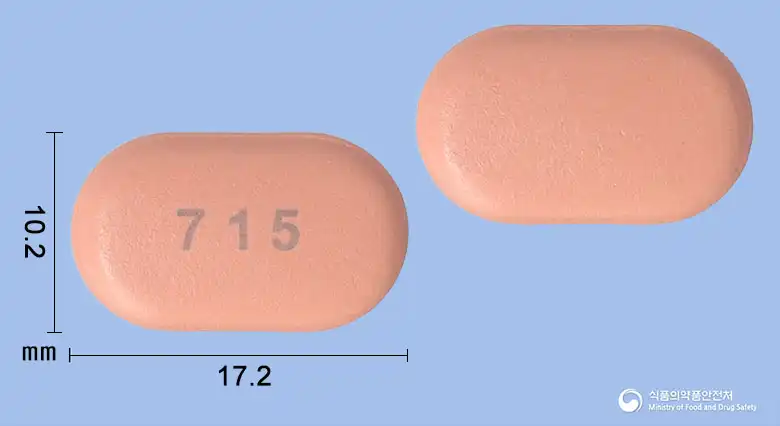 Combination
Sitagliptin Hydrochloride Hydrate 56.7mg · Metformin Hydrochloride with Colloidal Anhydrous Silica 858.5mg
Tablet · Prescription medication · Combination
Daewon Pharmaceutical Co., Ltd.
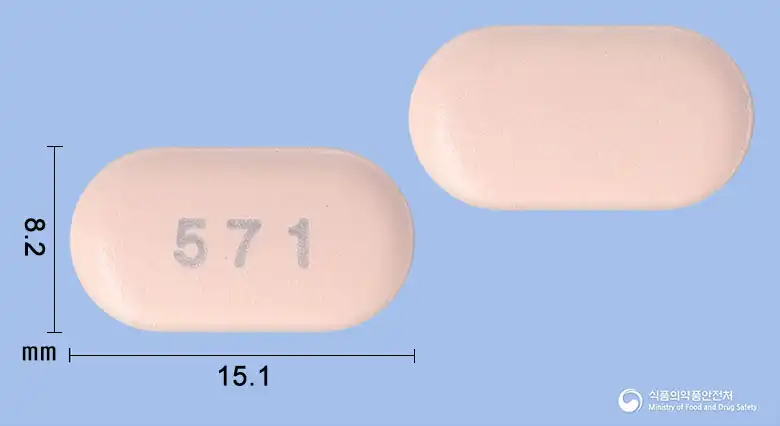 Combination
Sitagliptin Hydrochloride Hydrate 56.7mg · Metformin Hydrochloride with Colloidal Anhydrous Silica 505mg
Tablet · Prescription medication · Combination
Daewon Pharmaceutical Co., Ltd.
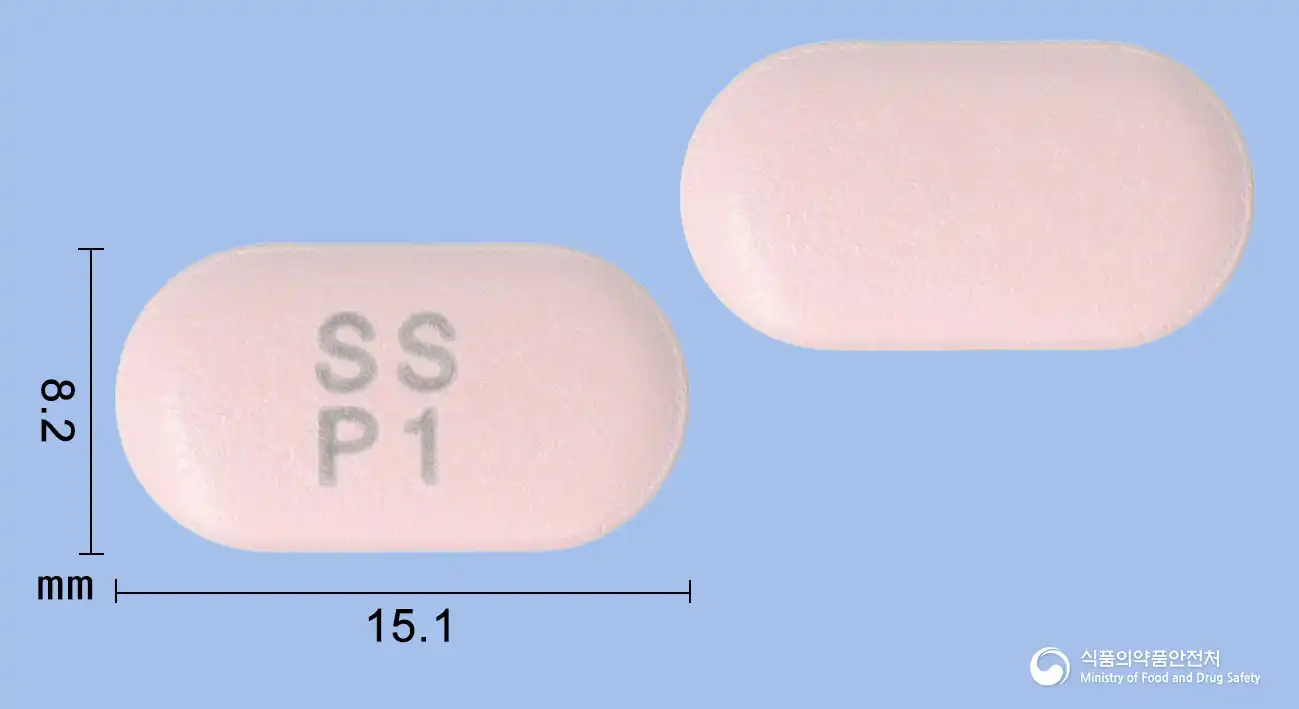 Combination
Sitagliptin Hydrochloride Hydrate 56.7mg · Metformin Hydrochloride with Colloidal Anhydrous Silica 505mg
Tablet · Prescription medication · Combination
Samsung Pharmaceutical Co., Ltd.
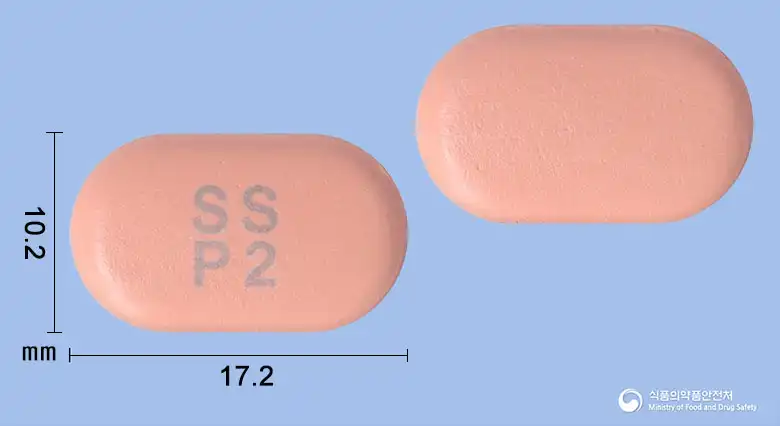 Combination
Sitagliptin Hydrochloride Hydrate 56.7mg · Metformin Hydrochloride with Colloidal Anhydrous Silica 858.5mg
Tablet · Prescription medication · Combination
Samsung Pharmaceutical Co., Ltd.
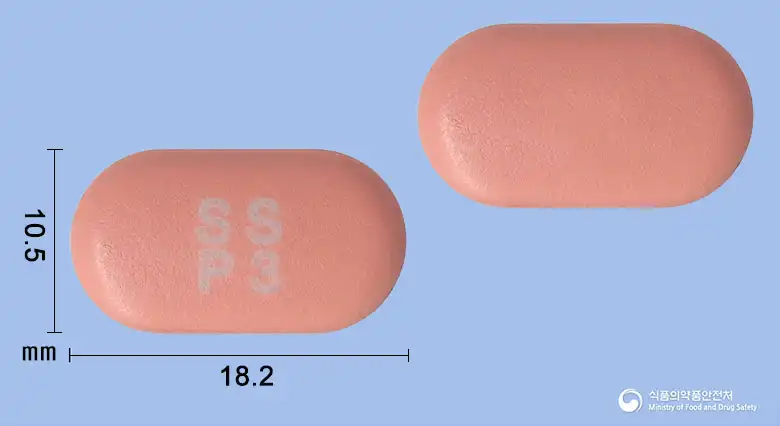 Combination
Sitagliptin Hydrochloride Hydrate 56.7mg · Metformin Hydrochloride with Colloidal Anhydrous Silica 1010mg
Tablet · Prescription medication · Combination
Samsung Pharmaceutical Co., Ltd.
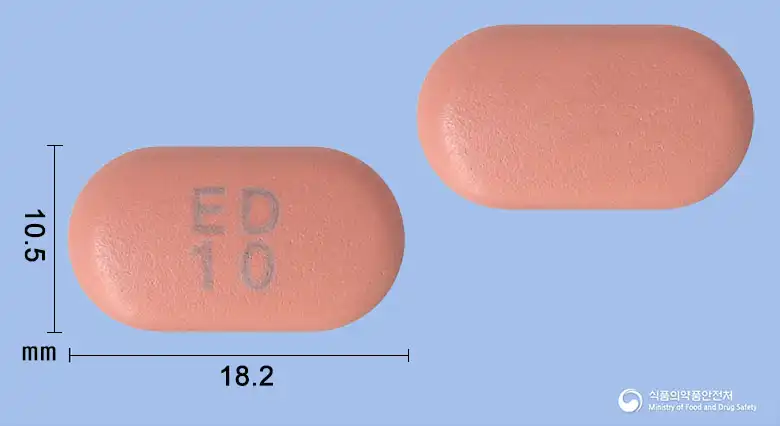 Combination
Sitagliptin Hydrochloride Hydrate 56.7mg · Metformin Hydrochloride with Colloidal Anhydrous Silica 1010mg
Tablet · Prescription medication · Combination
Eden Pharma Co., Ltd.
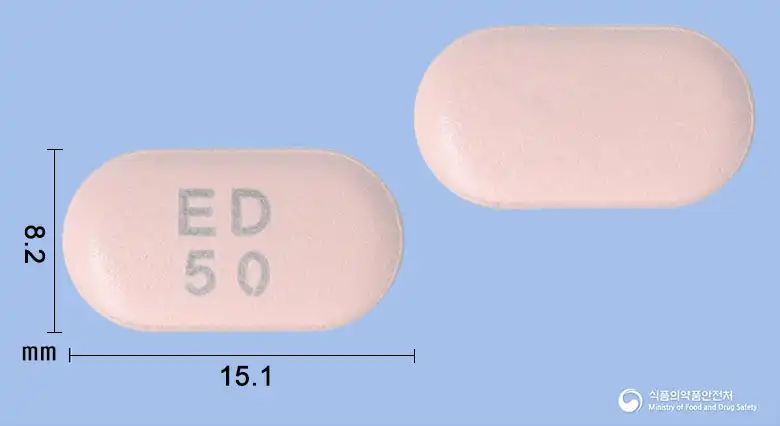 Combination
Sitagliptin Hydrochloride Hydrate 56.7mg · Metformin Hydrochloride with Colloidal Anhydrous Silica 505mg
Tablet · Prescription medication · Combination
Eden Pharma Co., Ltd.
Even with the same ingredient, the dose and directions can differ by strength and dosage form. Talk to a doctor or pharmacist before switching from a medication you are already taking.
No questions yet.
For anything that needs medical judgment, consult a doctor or pharmacist.
This drug information is based on data provided by the Korea Ministry of Food and Drug Safety.
Consult a doctor or pharmacist for accurate dosage, administration, and usage instructions.