
 한국어
한국어 English
 日本語
日本語 中文(简体)
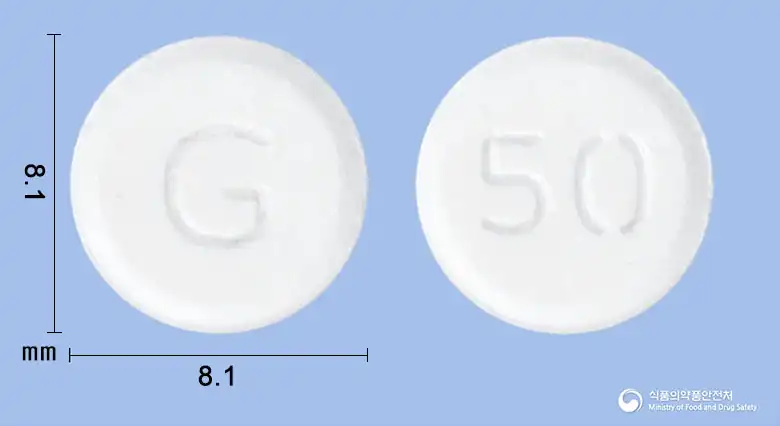 Viewing now
Diabetes Tablet 50 mg (Vildagliptin)
Vildagliptin 50mg
Tablet · Prescription medication
Hanmi Pharmaceutical Co., Ltd.
MFDS item code 202108196 · Approved 2021.12.29 · Insurance code 649105420
Improvement of blood sugar control in Type 2 diabetes
This medication is used alongside diet and exercise to help control blood sugar levels in patients with Type 2 diabetes. It can be used alone for initial treatment, or in combination with other diabetes medications such as metformin, sulfonylurea, or thiazolidinediones when monotherapy is insufficient. It can also be administered together with insulin therapy in patients who struggle to control blood sugar levels. This approach effectively manages blood sugar levels and aids in diabetes treatment.
This medication can be taken alone or in combination with metformin when there is no previous experience with diabetes medication, at 50 mg once a day in the morning, or at 100 mg divided into two doses of 50 mg in the morning and evening. When combined with metformin or thiazolidinediones, the recommended dose is 100 mg per day, divided into two doses of 50 mg taken in the morning and evening. In cases where sulfonylureas are insufficient for blood sugar control, a recommended dose of 50 mg can be taken once a day in the morning. Administering 100 mg once a day was not shown to be more effective than 50 mg once a day in this patient group. When sulfonylureas and metformin combination therapy is insufficient for blood sugar control, the recommended dose when administered together (third-line therapy) is 100 mg per day, divided into two doses of 50 mg taken in the morning and evening. When insulin therapy (either alone or combined with metformin) is insufficient for blood sugar control, the recommended dose when co-administered is 100 mg per day, divided into two doses of 50 mg taken in the morning and evening. This medication can be taken without regard to meals, and doses exceeding 100 mg per day are not recommended. When combined with sulfonylureas, a reduction in sulfonylurea dosage may be necessary to minimize the risk of hypoglycemia. If a dose is missed, take it as soon as remembered, but if it is close to the next scheduled dose, do not take the missed dose. Do not double up on doses to make up for a missed dose.
This medication should not be administered to certain patients. Patients who are allergic to the active ingredient or any other components, those with Type 1 diabetes, or those with diabetic ketoacidosis should not take this medication. Additionally, it contains lactose, and patients with lactose intolerance or related genetic disorders should also avoid taking it. While taking this medication, mild adverse reactions may occur, which are mostly temporary and not serious enough to warrant discontinuation. Since there is a possibility of liver function abnormalities, it is important to undergo regular liver function tests. If liver enzyme levels rise significantly or if symptoms of jaundice appear, the medication should be stopped immediately. This medication can rarely cause allergic reactions such as angioedema or skin rashes, which may necessitate medical attention in severe cases. There is also a risk of acute pancreatitis, so if symptoms such as abdominal pain, nausea, or vomiting occur, immediate contact with healthcare professionals is required. When used in combination with other medications for diabetes treatment, there may be an increased risk of hypoglycemia, so it's essential to monitor for symptoms of low blood sugar closely. Symptoms such as dizziness or headache may occur, so it is advisable to avoid driving or operating machinery when experiencing these symptoms. It is recommended not to use this medication during pregnancy or while breastfeeding, and its use is not recommended for children or adolescents under the age of 18. Special dosage adjustments are not required for elderly patients. In case of overdose, specific antidotes are not available, and supportive treatment based on symptoms is needed, as this medication cannot be removed through dialysis. This medication should be kept out of the reach of children, and caution should be taken as transferring it to other containers may not preserve the quality of the medication.
Hives, angioedema, blisters and exfoliative skin lesions (including bullous pemphigoid), hepatitis, jaundice, acute pancreatitis, severe allergic reactions, difficulty breathing, heart failure, severe and disability-associated joint pain, bullous pemphigoid, acute myocardial infarction, nodular arrhythmia, acute cholecystitis, pneumothorax, cholelithiasis, femoral fractures, peripheral artery disease, supraventricular tachycardia, congestive heart failure, gastric ulcers, gastric cancer, increased INR
Not everyone experiences these, and they can vary from person to person.
This medication is sensitive to air and moisture, so it should be stored in a tightly sealed container. Also, it should be kept in a cool place below 30 degrees Celsius to maintain its efficacy.
White to light yellow round tablet
28 tablets/box [14 tablets/PTP (x2)]
Even with the same ingredient, strength, dosage form and how it is taken can differ.
Viewing nowVildagliptin 50mg
Tablet · Prescription medication
Hanmi Pharmaceutical Co., Ltd.
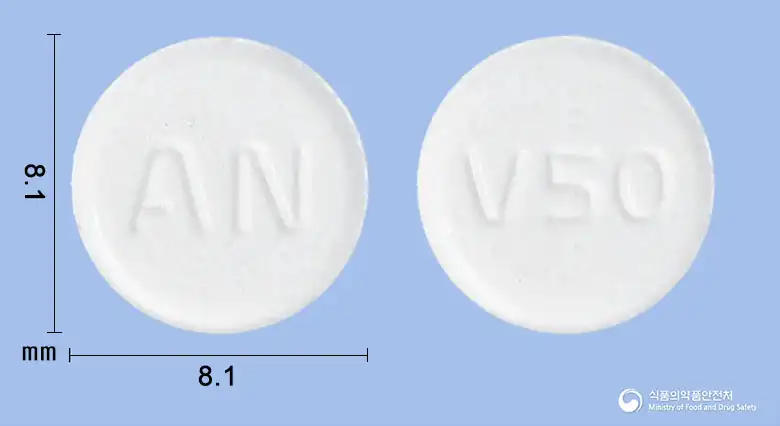
Vildagliptin 50mg
Tablet · Prescription medication
Ahn-Guk New Pharm Co., Ltd.
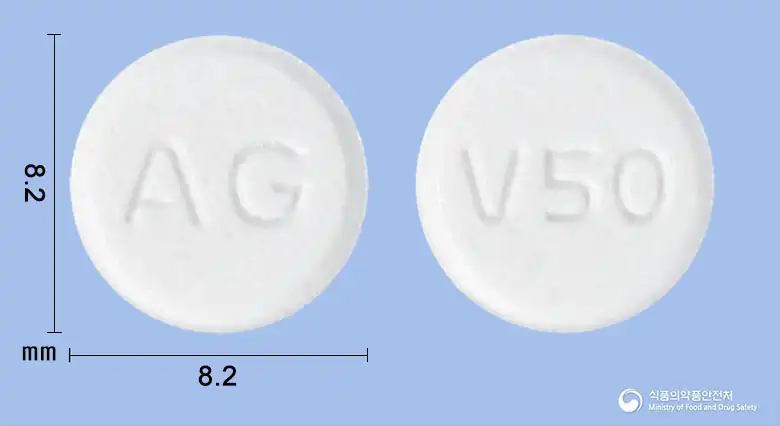
Vildagliptin 50mg
Tablet · Prescription medication
AhnGuk Pharmaceuticals Co., Ltd.
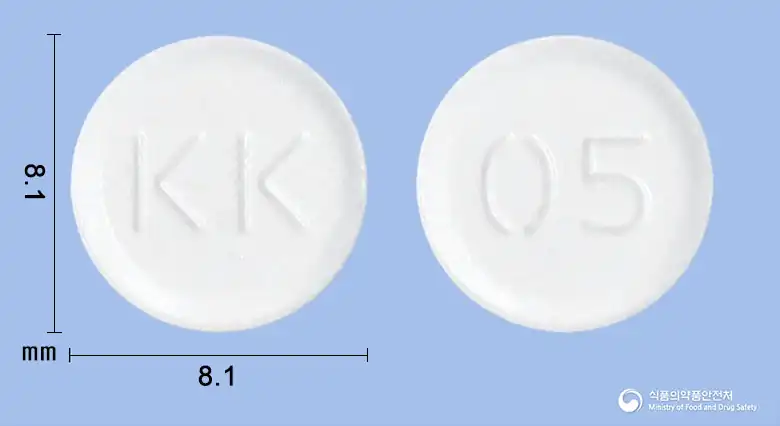
Vildagliptin 50mg
Tablet · Prescription medication
Genewon Science Co., Ltd.
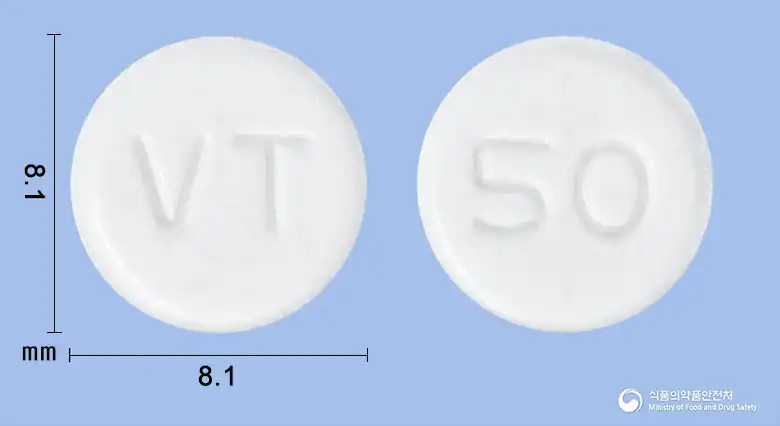
Vildagliptin 50mg
Tablet · Prescription medication
Lightpharmtech Co., Ltd.
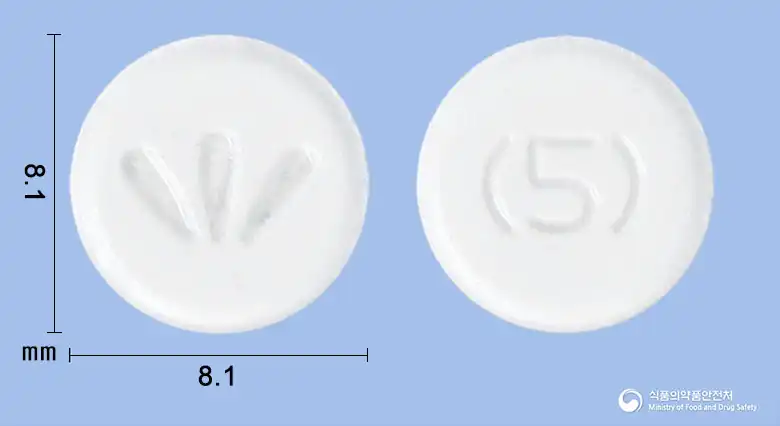
Vildagliptin 50mg
Tablet · Prescription medication
White Life Sciences Co., Ltd.
Vildagliptin 50mg
Tablet · Prescription medication
Pharmgen Science Co., Ltd.
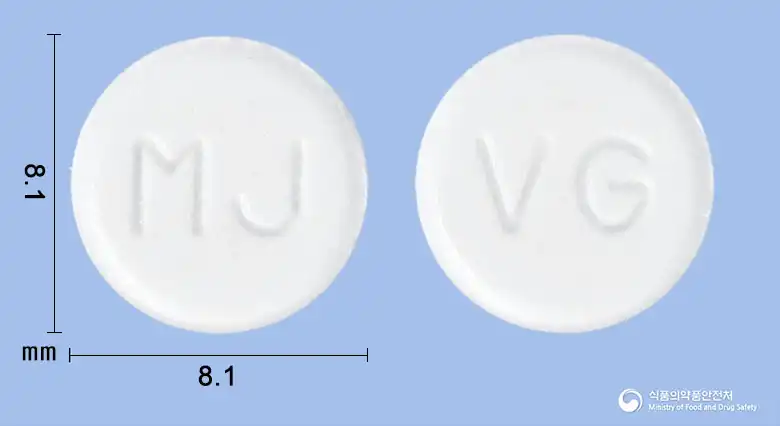
Vildagliptin 50mg
Tablet · Prescription medication
Mothers Pharmaceutical Co., Ltd.
Even with the same ingredient, the dose and directions can differ by strength and dosage form. Talk to a doctor or pharmacist before switching from a medication you are already taking.
No questions yet.
For anything that needs medical judgment, consult a doctor or pharmacist.
This drug information is based on data provided by the Korea Ministry of Food and Drug Safety.
Consult a doctor or pharmacist for accurate dosage, administration, and usage instructions.