
 한국어
 English
 日本語
 中文(简体)
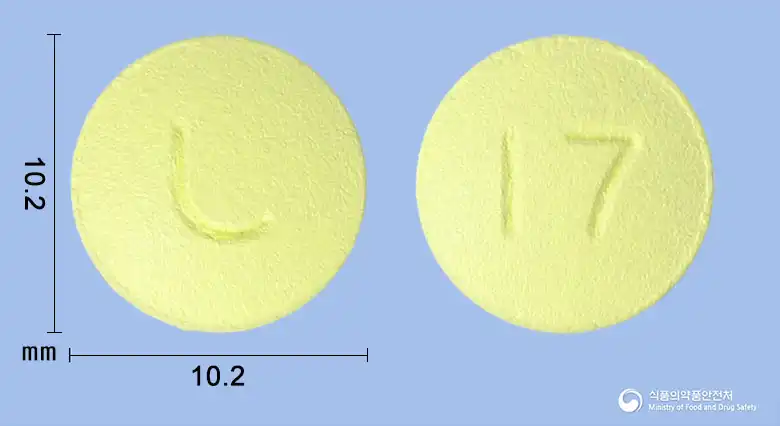 Viewing now
Dabiujeong (Bongpungtongsungsan Extract (4.6→1))
Bangpungtongsungsan Dried Extract (4.6→1) 237.5mg
Tablet · OTC medication
LNC Bio Co., Ltd.
MFDS item code 202108189 · Notified 2021.12.29
Relief of obesity, edema, constipation, and symptoms associated with hypertension (such as palpitations)
This patient has a high subcutaneous fat in the abdominal area, experiences constipation symptoms, and has palpitations, shoulder stiffness, flushing symptoms related to high blood pressure. Additionally, there are symptoms of obesity and swelling, indicating a need for overall health management. These symptoms are interrelated, so treatment is focused on weight management, blood pressure control, and improvement of constipation. To alleviate symptoms, appropriate dietary habits and lifestyle changes may be adopted, and medication can be combined if necessary. Overall, it is used for the improvement of obesity, constipation, and hypertension symptoms.
Adults usually take 4 tablets per dose 3 times daily before or between meals.
This medication should not be taken by women who are pregnant or may become pregnant, as the rhubarb component included in this medication can cause uterine contractions, increasing the risk of miscarriage or preterm labor. It is also advisable that nursing mothers do not take this medication, as certain components of rhubarb can pass into breast milk and cause diarrhea in infants. This medication contains lactose, so those with lactose intolerance or certain genetic metabolic disorders should avoid taking it. In such cases, digestive issues may arise. People allergic to soybean oil, beans, peanuts, etc., should also avoid this medication due to the risk of severe allergic reactions. During the use of this medication, it is safer not to take other antidiarrheal agents. This is because overlapping medications may cause side effects. Individuals with high blood pressure, heart disease, kidney disease, or edema must consult a healthcare professional before taking this medication, as it may worsen symptoms. Additionally, people with weak gastrointestinal function or diarrhea symptoms, elderly individuals, and patients with diabetes are also advised to consult a specialist before taking it, as this medication may worsen symptoms. If abnormal symptoms such as swelling of the face or extremities, or an increase in blood pressure occur during use, discontinue use immediately and consult healthcare professionals. Long-term use is not recommended, and if long-term use is unavoidable, it should be monitored under specialist guidance. Long-term use may lead to tolerance or worsening constipation. This medication must be taken according to the prescribed dosage and regimen, and care should be taken not to overlap ingredients or interactions when taking with other herbal or medicinal products. Particularly, when co-administered with herbs such as ephedra, licorice, or diuretics, the risk of side effects may increase, so caution should be exercised.
Not everyone experiences these, and they can vary from person to person.
Do not take this medication with other antidiarrheal agents. When co-administering with other herbal preparations, be cautious of overlapping ingredients. Avoid combining with ephedra or ephedrine-containing products, MAO inhibitors, thyroid preparations (thyroxine, liothyronine), catecholamine agents (epinephrine, isoproterenol), xanthine agents (theophylline, diprophylline), potassium-containing preparations, licorice-containing preparations, glycyrrhizin or its salt-containing preparations, and diuretics.
This medication should be stored in a sealed container to prevent air or moisture ingress. It is advisable to maintain the storage temperature between 1 and 30 degrees Celsius at room temperature. Storing in this manner will help to maintain the effectiveness of the medication for a longer period.
Pale yellow-green round film-coated tablet
300 tablets/bottle, 360 tablets/bottle, 500 tablets/bottle, 720 tablets/bottle, 720 tablets/box [(360 tablets/bottle x2)], 1000 tablets/bottle
Even with the same ingredient, strength, dosage form and how it is taken can differ.
Viewing nowBangpungtongsungsan Dried Extract (4.6→1) 237.5mg
Tablet · OTC medication
LNC Bio Co., Ltd.
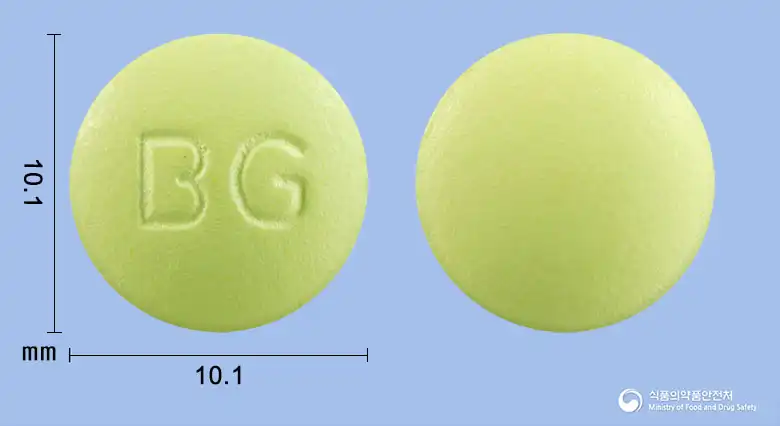
Bangpungtongsungsan Dried Extract (4.6→1) 237.5mg
Tablet · OTC medication
Albozen Korea Co., Ltd.
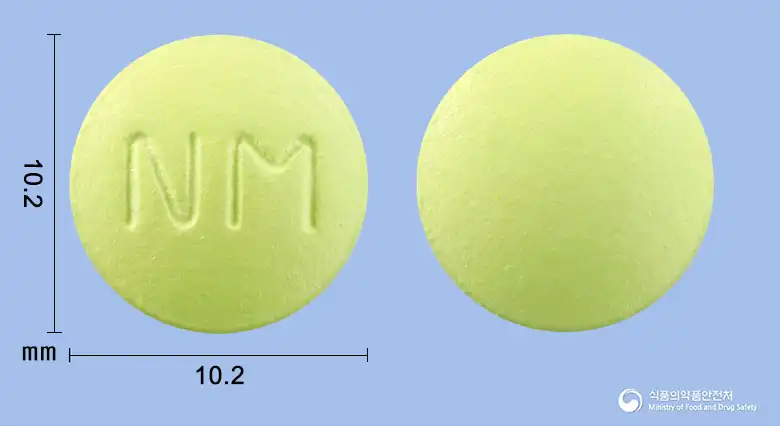
Bangpungtongsungsan Dried Extract (4.6→1) 237.5mg
Tablet · OTC medication
Celix Co., Ltd.
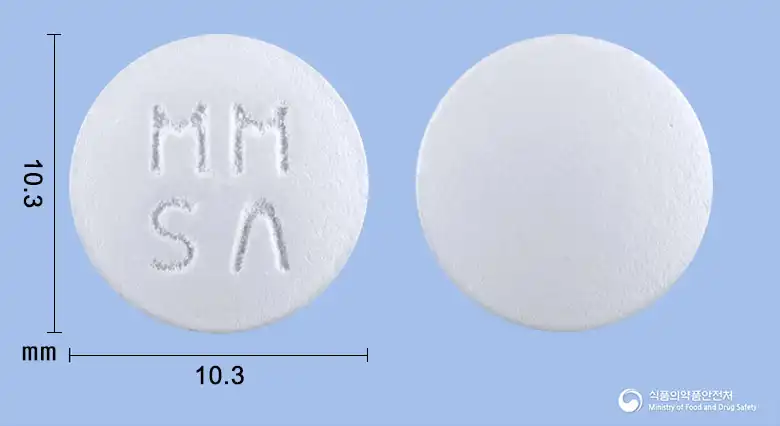
Bangpungtongsungsan Dried Extract (4.6→1) 237.5mg
Tablet · OTC medication
Myungmoon Pharmaceutical Co., Ltd.
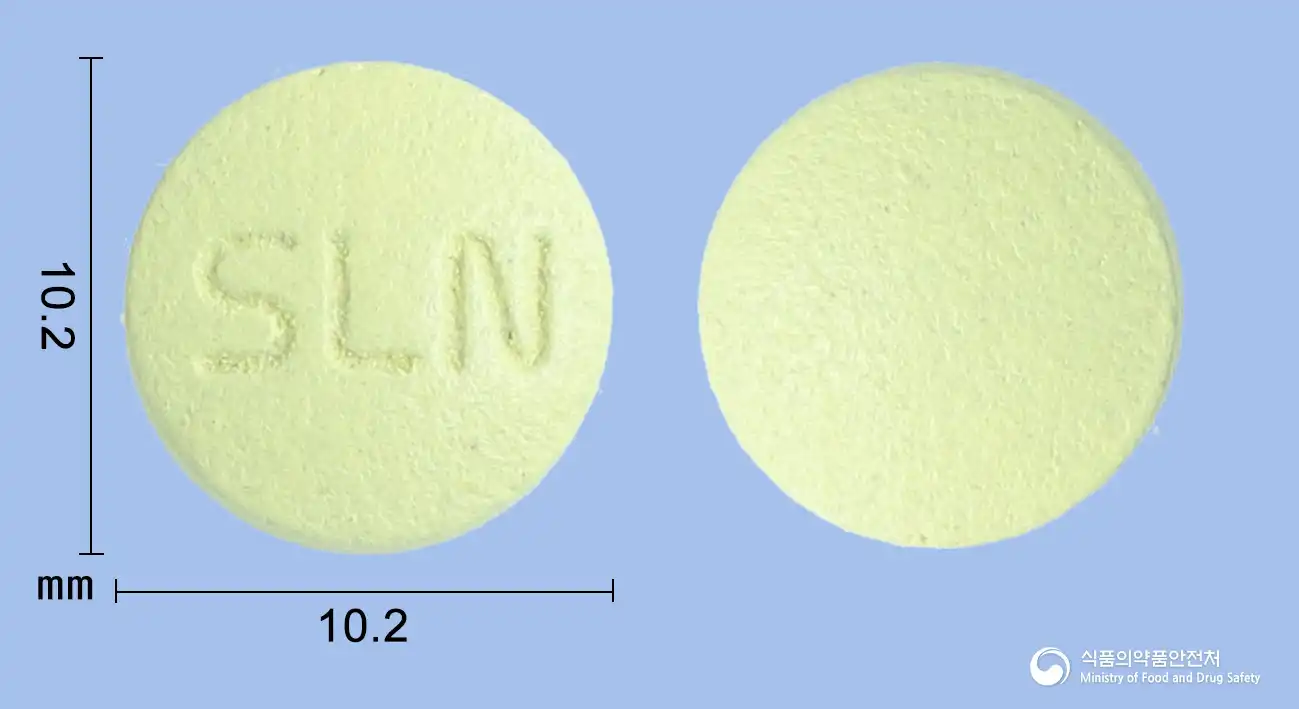
Bangpungtongsungsan Dried Extract (4.6→1) 237.5mg
Tablet · OTC medication
Vivozon Pharma Co., Ltd.
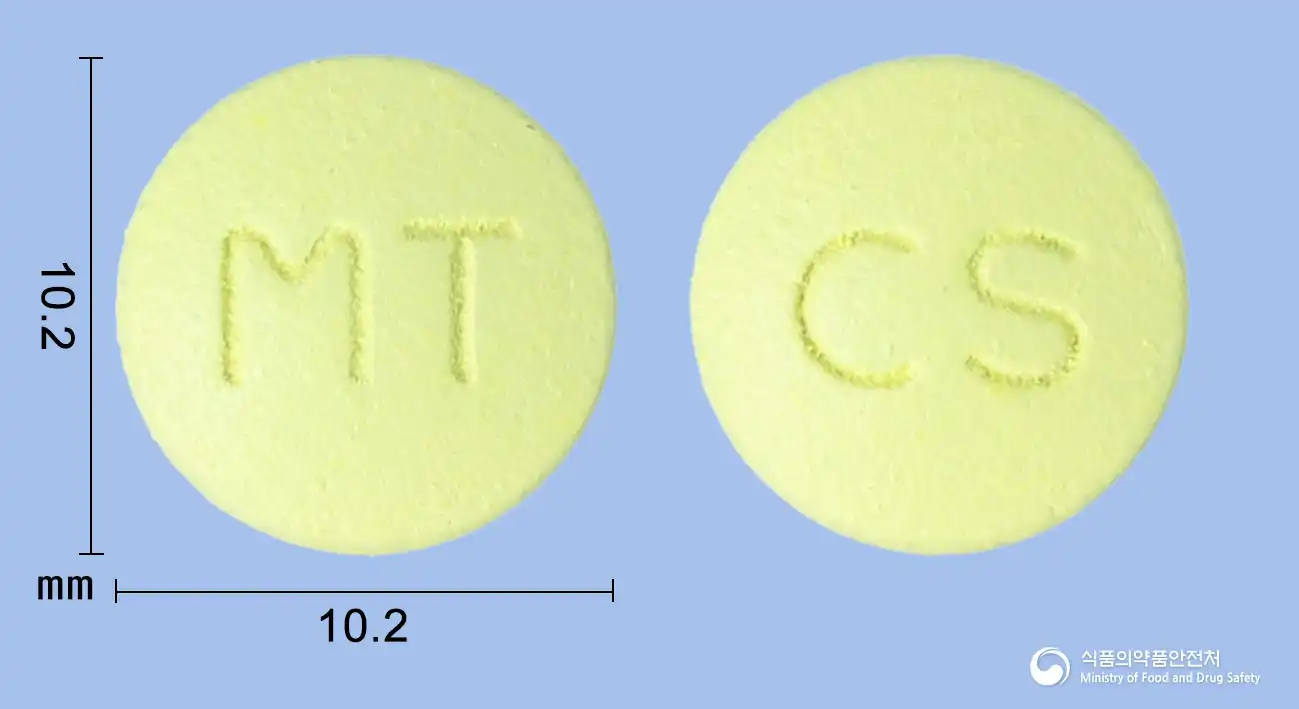
Bangpungtongsungsan Dried Extract (4.6→1) 237.5mg
Tablet · OTC medication
JW Pharmaceutical Co., Ltd.
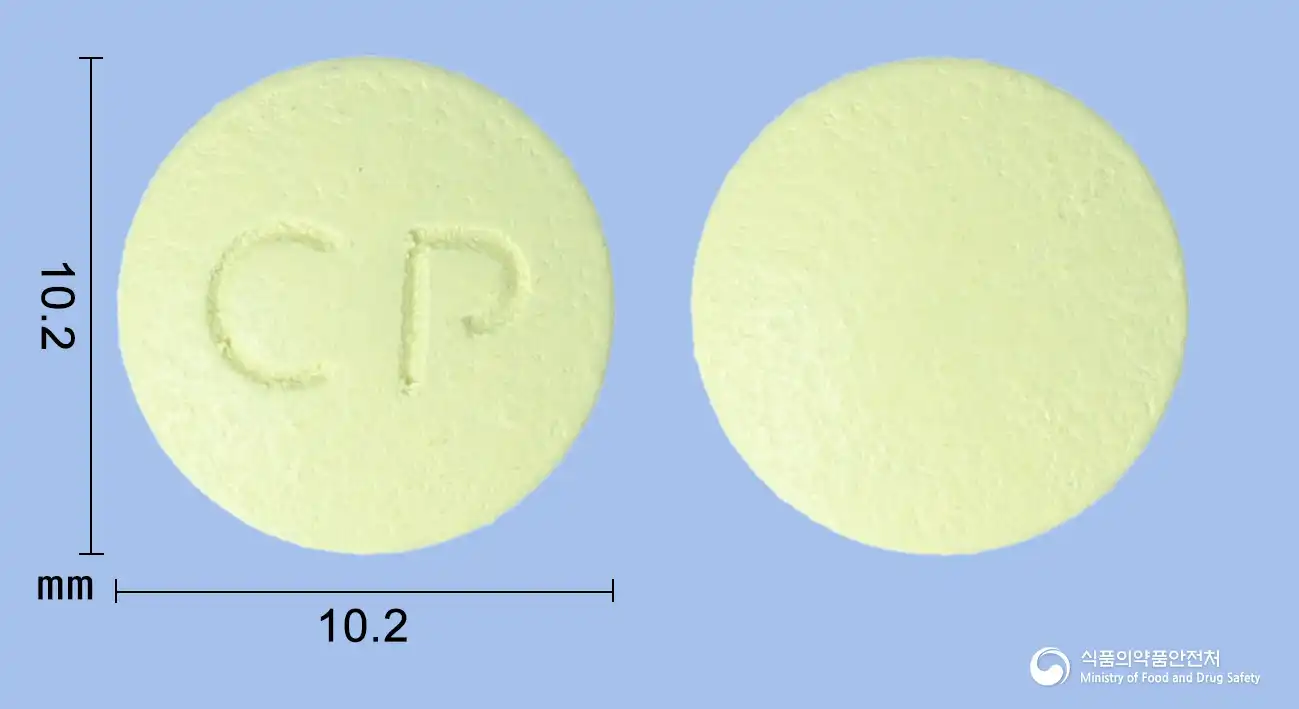
Bangpungtongsungsan Dried Extract (4.6→1) 237.5mg
Tablet · OTC medication
CMG Pharmaceutical Co., Ltd.
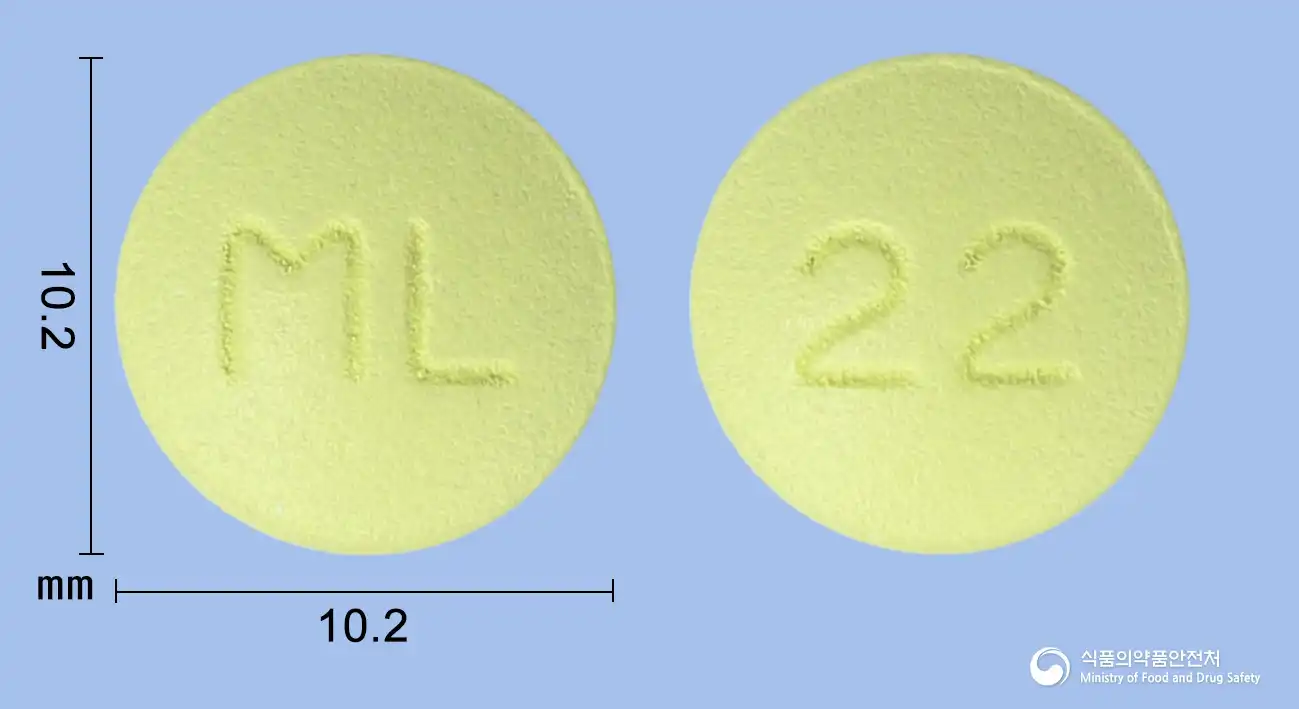
Bangpungtongsungsan Dried Extract (4.6→1) 237.5mg
Tablet · OTC medication
Bionex Co., Ltd.
Even with the same ingredient, the dose and directions can differ by strength and dosage form. Talk to a doctor or pharmacist before switching from a medication you are already taking.
QIs this a medication for weight loss?
Answers 1 · 2026.09.14
For anything that needs medical judgment, consult a doctor or pharmacist.
This drug information is based on data provided by the Korea Ministry of Food and Drug Safety.
Consult a doctor or pharmacist for accurate dosage, administration, and usage instructions.