
 한국어
한국어 English
 日本語
日本語 中文(简体)
 Viewing nowCombination
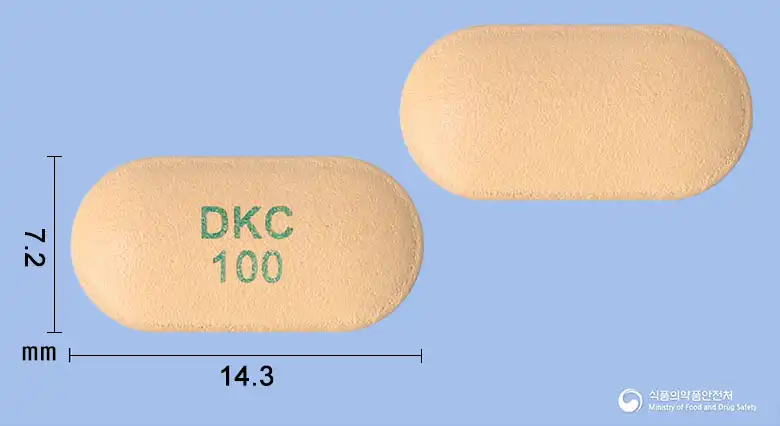
Sitaflozin 10/100 mg
Dapagliflozin Propanediol Hydrate 12.3mg · Sitagliptin Phosphate Hydrate 128.5mg
Tablet · Prescription medication · Combination
Donggu Bio Pharmaceutical Co., Ltd.
MFDS item code 202108076 · Approved 2021.12.23 · Insurance code 657308770
Improvement of blood sugar control in type 2 diabetes
This medication is a combination drug that uses sitagliptin and dapagliflozin together to help patients with type 2 diabetes control their blood sugar when combined with diet and exercise. It effectively lowers blood sugar levels and assists in managing diabetes, supporting patients to maintain a healthier lifestyle. Therefore, this drug is used for blood sugar control in patients with type 2 diabetes.
This medication can be administered as one tablet once daily, regardless of meals, for patients receiving 100 mg of sitagliptin and 10 mg of dapagliflozin. The tablet should be swallowed whole.
This medication can potentially cause serious allergic reactions, so if symptoms such as skin rash, difficulty breathing, or swelling of the face or neck develop, the patient should immediately stop taking the medication and consult a doctor. There is a risk of acute pancreatitis, which is inflammation of the pancreas, so if symptoms like abdominal pain, vomiting, or fever appear after taking this medication, patients should promptly inform their healthcare provider. This medication is not to be used in patients with a known allergy to any of its components, type 1 diabetes patients, or patients undergoing dialysis. Patients with renal impairment or those with reduced fluid volume should consult their doctor before taking this medication and should regularly check their blood pressure and renal function during treatment. The blood sugar control effect of this medication may vary depending on kidney function; it is not recommended for patients with severely impaired renal function. Hypoglycemic symptoms may occur when taking this medication, so patients should monitor their blood sugar levels frequently, especially when taking it in combination with insulin or sulfonylureas, adjusting the dose as necessary. This medication may increase the risk of genital infections and urinary tract infections, so prompt treatment should be sought if infection symptoms appear. Symptoms of dizziness or hypotension due to decreased fluid volume may occur, especially in elderly patients or those taking diuretics, so caution is advised. Pregnant or breastfeeding women are advised not to take this medication and should consult a doctor before use. Safety and effectiveness in children and adolescents have not been established, hence it should not be used in individuals under 18 years of age. There is no specific antidote for overdose; appropriate treatment based on symptoms should be administered, and dialysis may be considered if necessary. During treatment, caution should be taken when driving or operating machinery due to the risk of hypoglycemia.
Urticaria, severe swelling (edema), chest tightness, difficulty breathing, cold sweat, pallor, severe allergic reaction, high fever with severe rash, blisters, exfoliative dermatitis, pain in oral/ocular mucosa, severe skin adverse reactions, shortness of breath or difficulty breathing, asthma attack, respiratory abnormalities accompanied by cough and fever, jaundice, extreme lethargy, liver abnormalities, sudden and severe headache, thunderclap headache, seizures, altered consciousness.
Not everyone experiences these, and they can vary from person to person.
This medication should be stored in a tightly sealed container to prevent exposure to air or light. It is important to maintain the storage temperature between 1 to 30 degrees Celsius. This will help preserve the effectiveness of the medication for a long period of time.
Bright yellow rectangular film-coated tablets
Box - 30 tablets/box[(10 tablets/Alu-Alu x 3)], Box - 28 tablets/box[(7 tablets/Alu-Alu x 4)]
Even with the same ingredient, strength, dosage form and how it is taken can differ.
Viewing nowCombinationDapagliflozin Propanediol Hydrate 12.3mg · Sitagliptin Phosphate Hydrate 128.5mg
Tablet · Prescription medication · Combination
Donggu Bio Pharmaceutical Co., Ltd.
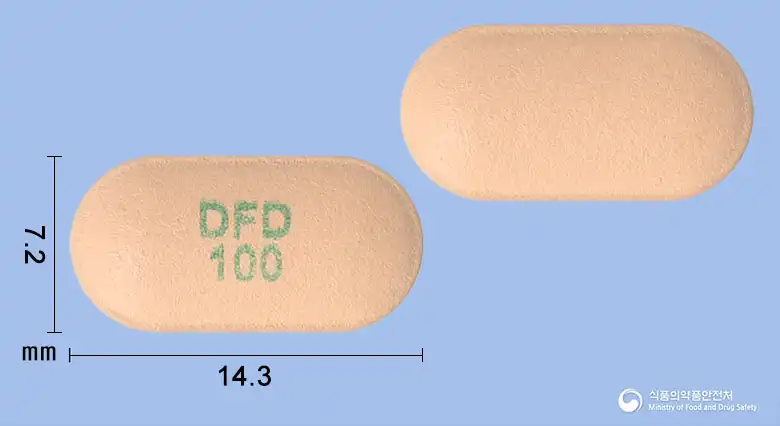 Combination
Dapagliflozin Propanediol Hydrate 12.3mg · Sitagliptin Phosphate Hydrate 128.5mg
Tablet · Prescription medication · Combination
Daewoo Pharmaceutical Co., Ltd.
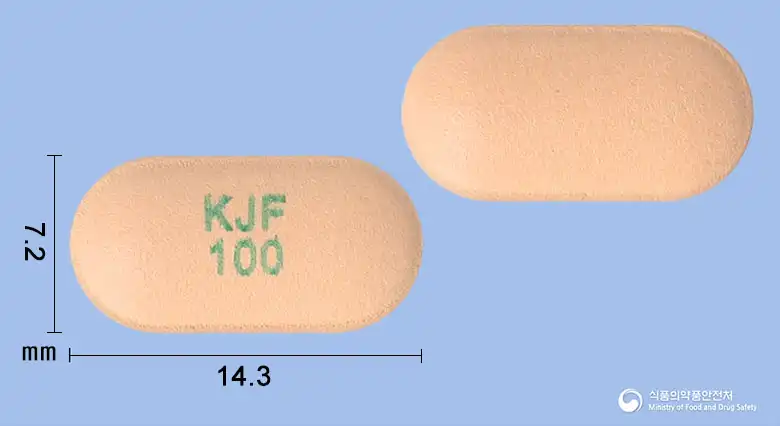 Combination
Dapagliflozin Propanediol Hydrate 12.3mg · Sitagliptin Phosphate Hydrate 128.5mg
Tablet · Prescription medication · Combination
International Pharmaceutical Co., Ltd.
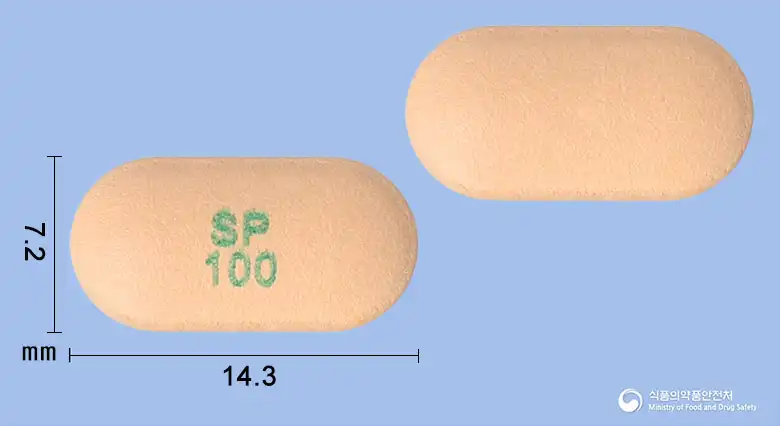 Combination
Dapagliflozin Propanediol Hydrate 12.3mg · Sitagliptin Phosphate Hydrate 128.5mg
Tablet · Prescription medication · Combination
Shinpoong Pharmaceutical Co., Ltd.
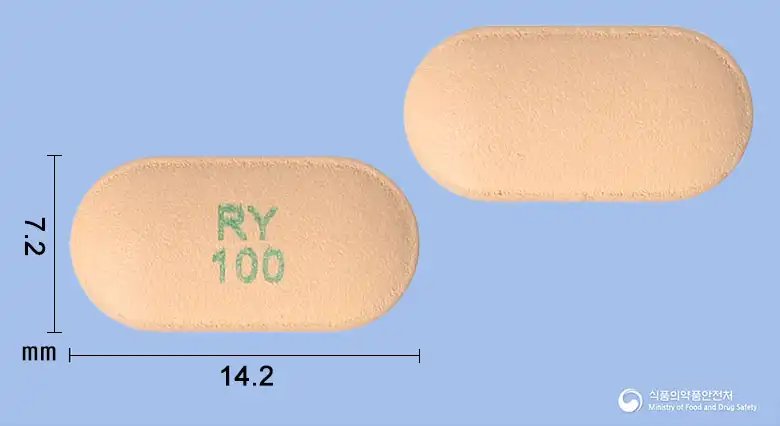 Combination
Dapagliflozin Propanediol Hydrate 12.3mg · Sitagliptin Phosphate Hydrate 128.5mg
Tablet · Prescription medication · Combination
IYON Pharmaceutical Co., Ltd.
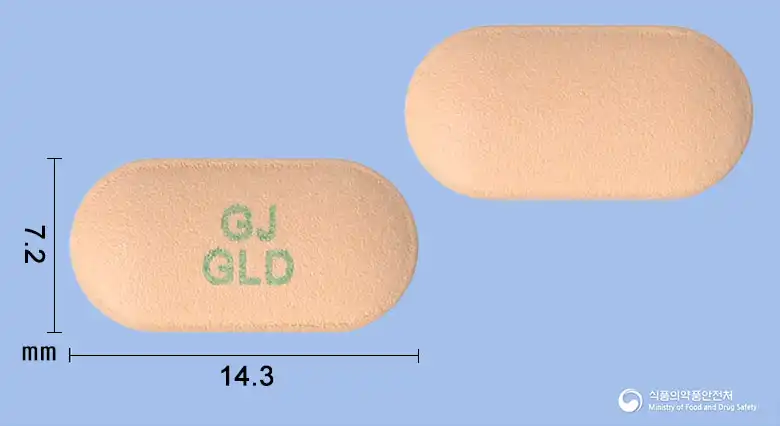 Combination
Dapagliflozin Propanediol Hydrate 12.3mg · Sitagliptin Phosphate Hydrate 128.5mg
Tablet · Prescription medication · Combination
Kujoo Pharmaceutical Co., Ltd.
Dapagliflozin Propanediol Hydrate 12.3mg · Sitagliptin Phosphate Hydrate 128.5mg
Tablet · Prescription medication · Combination
Ildong Pharmaceutical Co., Ltd.
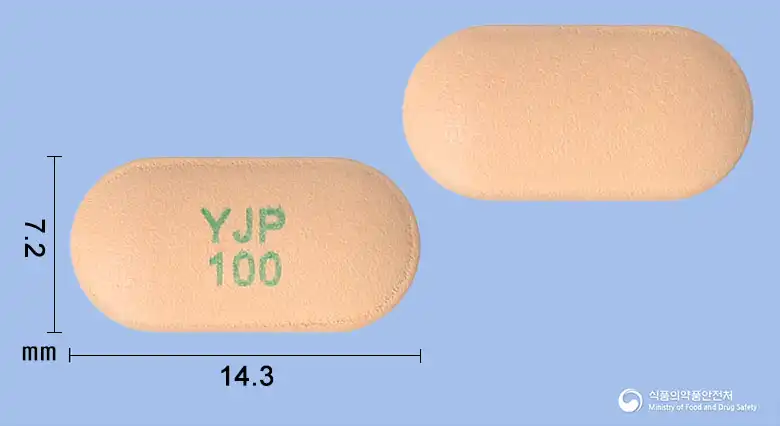 Combination
Dapagliflozin Propanediol Hydrate 12.3mg · Sitagliptin Phosphate Hydrate 128.5mg
Tablet · Prescription medication · Combination
Youngjin Pharmaceutical Co., Ltd.
Even with the same ingredient, the dose and directions can differ by strength and dosage form. Talk to a doctor or pharmacist before switching from a medication you are already taking.
No questions yet.
For anything that needs medical judgment, consult a doctor or pharmacist.
This drug information is based on data provided by the Korea Ministry of Food and Drug Safety.
Consult a doctor or pharmacist for accurate dosage, administration, and usage instructions.