
 한국어
 English
 日本語
 中文(简体)
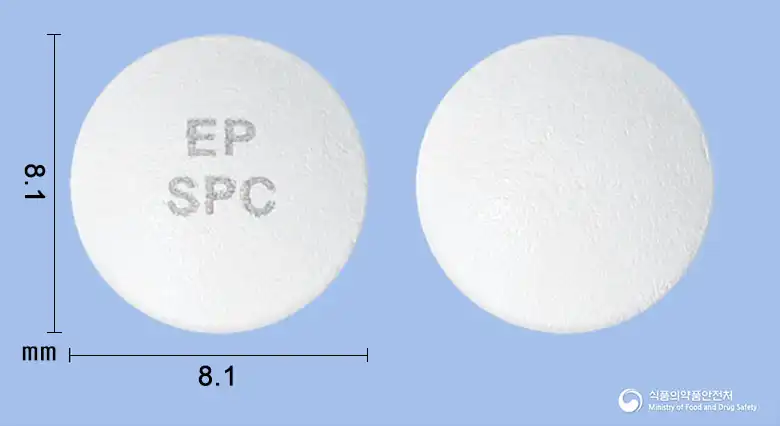 Viewing now
Seoul Eperison Sustained-Release Tablet (Eperisone Hydrochloride)
Eperisone Hydrochloride 75mg
Tablet · Prescription medication
Seoul Pharmaceutical Co., Ltd.
MFDS item code 202107857 · Approved 2021.12.08 · Insurance code 652904610
Relieves painful muscle spasms associated with musculoskeletal disorders (e.g., low back pain and cervicobrachial syndrome)
This medication is effective for pain and muscle spasms associated with musculoskeletal disorders. It is particularly used for common conditions such as cervical spondylosis, periarthritis of the shoulder, and lower back pain.
This medicine is an extended-release tablet. Swallow it whole; do not crush, split, or chew it. Adults: Take 1 tablet (equivalent to 75mg of eperisone hydrochloride) orally twice daily after meals. Adjust the dose as needed according to age and symptoms.
This medication should not be used by individuals who have allergic reactions to this drug or those suffering from myasthenia gravis. It should be used with caution in patients with a history of hypersensitivity to the drug or those with liver function impairment, as liver function may worsen. Serious allergic reactions may occur rarely when using this drug; if symptoms such as redness, itching, hives, swelling, or difficulty breathing occur, usage should be immediately discontinued, and appropriate treatment should be sought. Additionally, severe adverse skin reactions such as toxic epidermal necrolysis or Stevens-Johnson syndrome may occur, so symptoms such as fever, erythema, blisters, itching, eye redness, and stomatitis should be carefully monitored; if these symptoms appear, drug use should be immediately stopped. Various side effects such as elevated liver enzymes, kidney dysfunction, anemia, rash, headache, drowsiness, nausea, vomiting, constipation, diarrhea, abdominal pain, urinary retention, weakness, dizziness, etc., may occur; consult with healthcare personnel if abnormal symptoms arise. During the course of taking this medication, symptoms such as weakness, dizziness, and drowsiness may appear; it may be necessary to reduce the dosage or discontinue use if these symptoms occur. Also, drowsiness or decreased concentration may develop; therefore, it is advisable to avoid dangerous activities such as driving a car or operating machinery while taking this medication. Women who are pregnant or may become pregnant should only use this medication if the benefits of treatment outweigh the risks, as its safety has not been established. Breastfeeding women are advised to avoid this medication, and if unavoidable, discontinuing breastfeeding is preferable. The safety in pediatric patients has not been sufficiently established, so it should be used cautiously in children. Elderly patients may have decreased physical function, so care should be taken to adjust the medication dosage.
Not everyone experiences these, and they can vary from person to person.
This medication should be stored in a tightly closed container to protect it from air and moisture, preferably at a temperature between 1 degree and 30 degrees Celsius at room temperature. This storage method helps maintain the drug's efficacy and ensures safe usage.
White to nearly white round sustained-release film-coated tablets
30 tablets/bottle, 500 tablets/bottle
Even with the same ingredient, strength, dosage form and how it is taken can differ.
Viewing nowEperisone Hydrochloride 75mg
Tablet · Prescription medication
Seoul Pharmaceutical Co., Ltd.
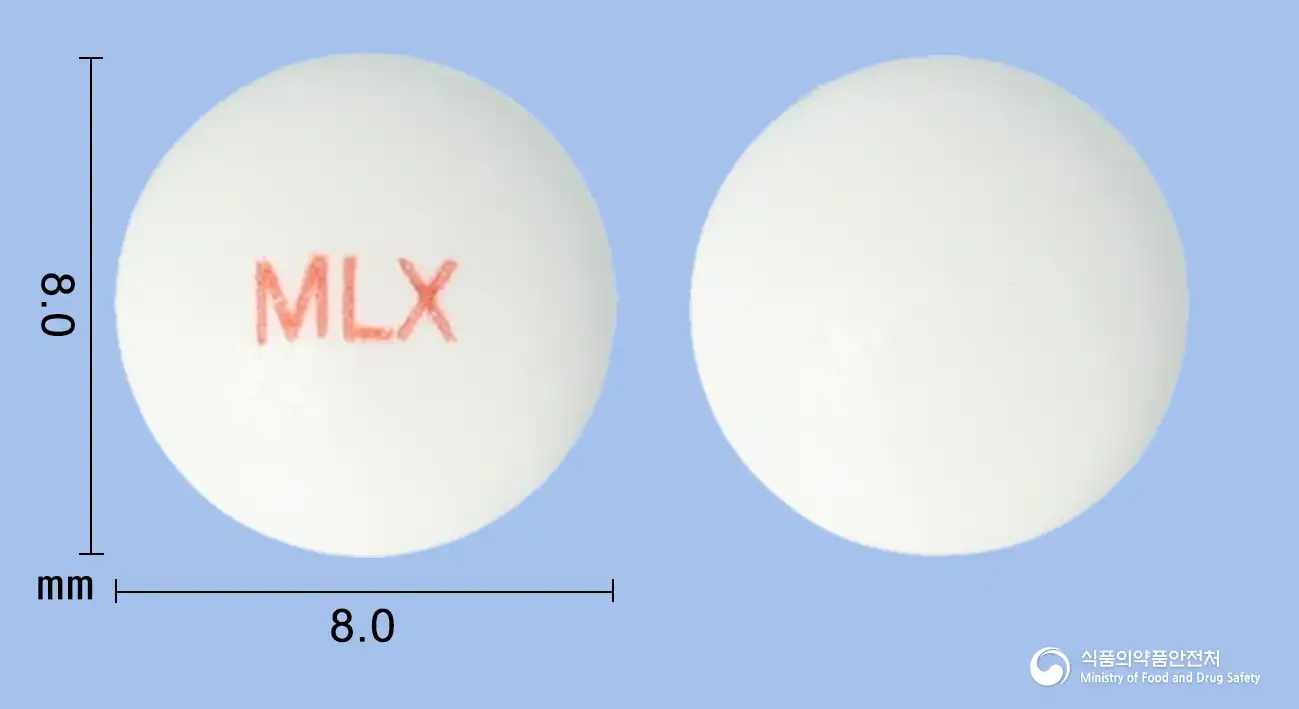
Eperisone Hydrochloride 50mg
Tablet · Prescription medication
Chodang Pharmaceutical Co., Ltd.
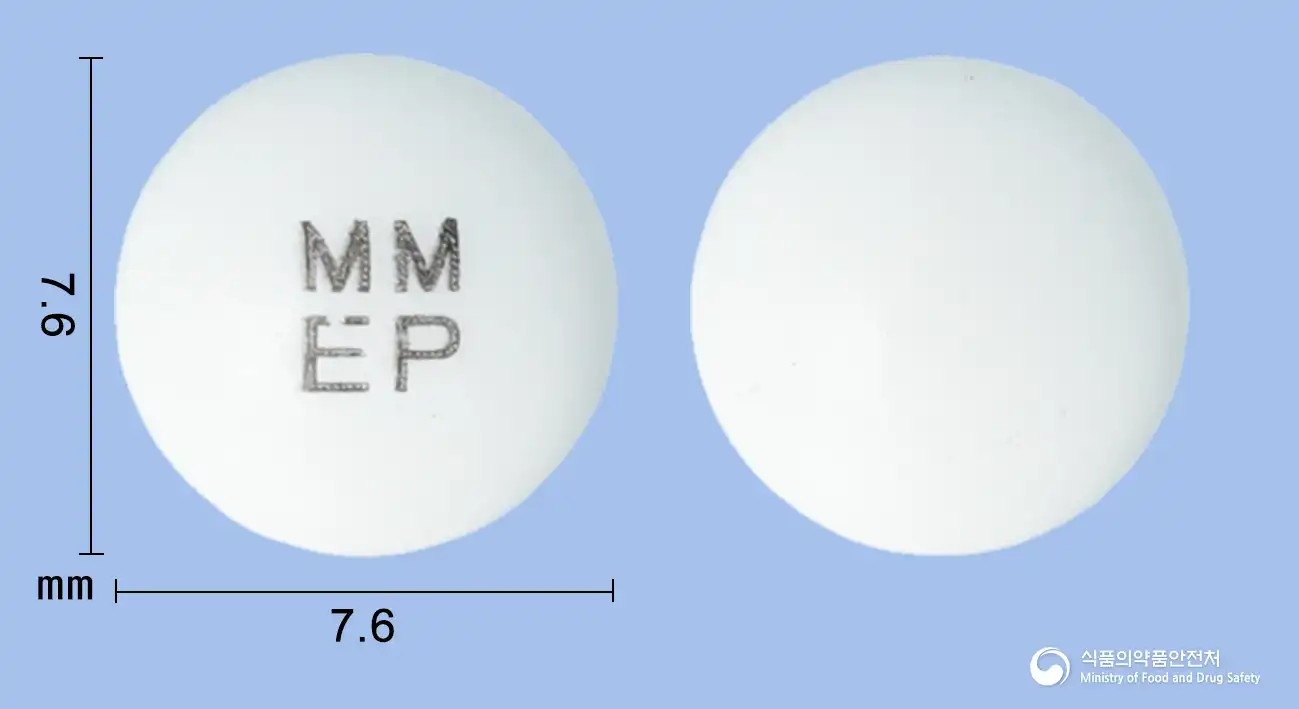
Eperisone Hydrochloride 50mg
Tablet · Prescription medication
Myeongmun Pharmaceutical Co., Ltd.
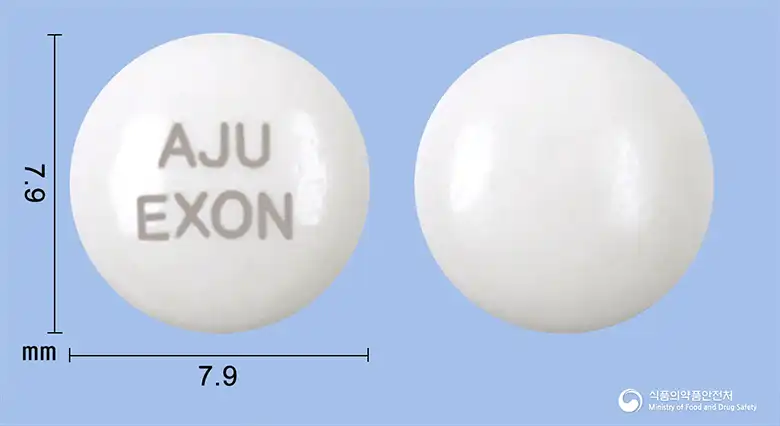
Eperisone Hydrochloride 50mg
Prescription medication
Aju Pharmaceutical Co., Ltd.
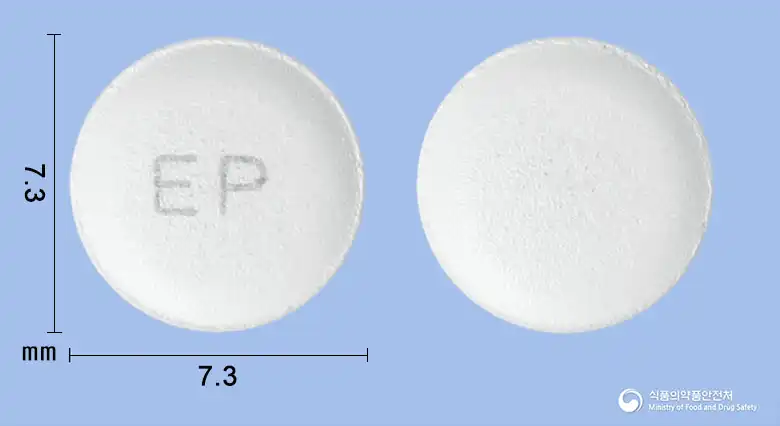
Eperisone Hydrochloride 50mg
Tablet · Prescription medication
Daewoo Pharmaceutical Co., Ltd.
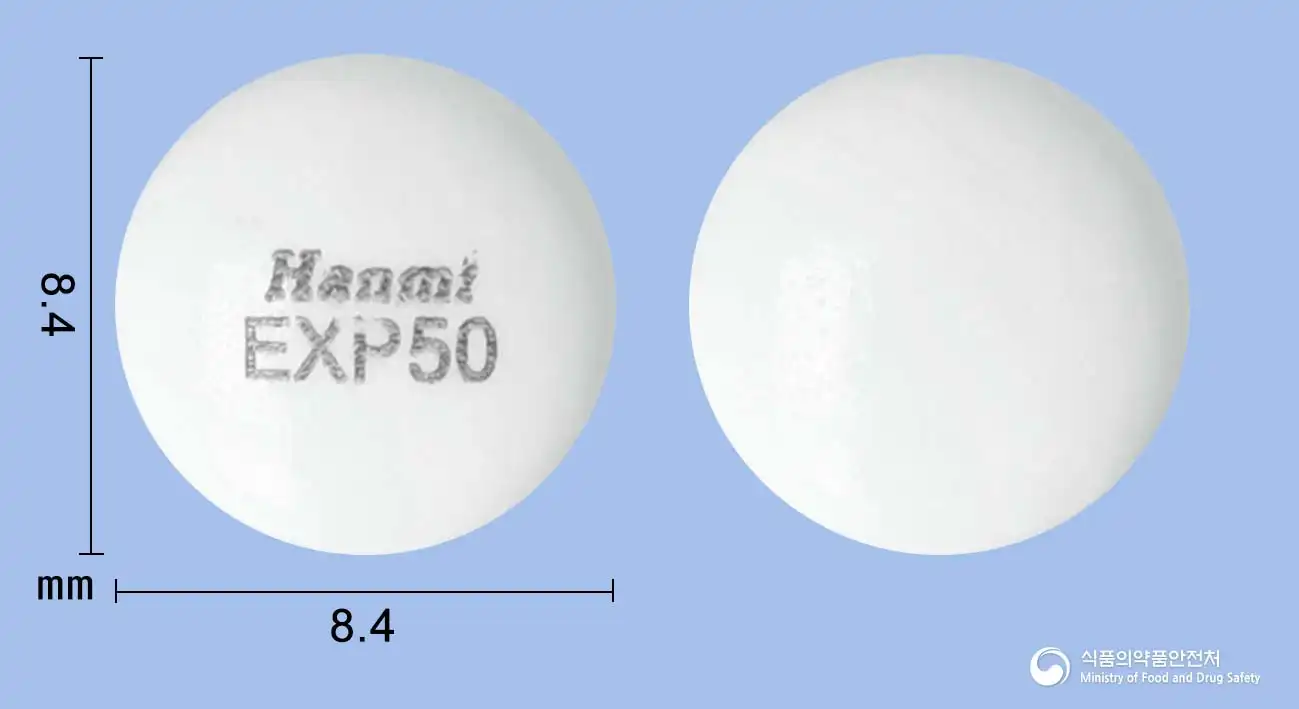
Eperisone Hydrochloride 50mg
Prescription medication
Hanmi Pharmaceutical Co., Ltd.
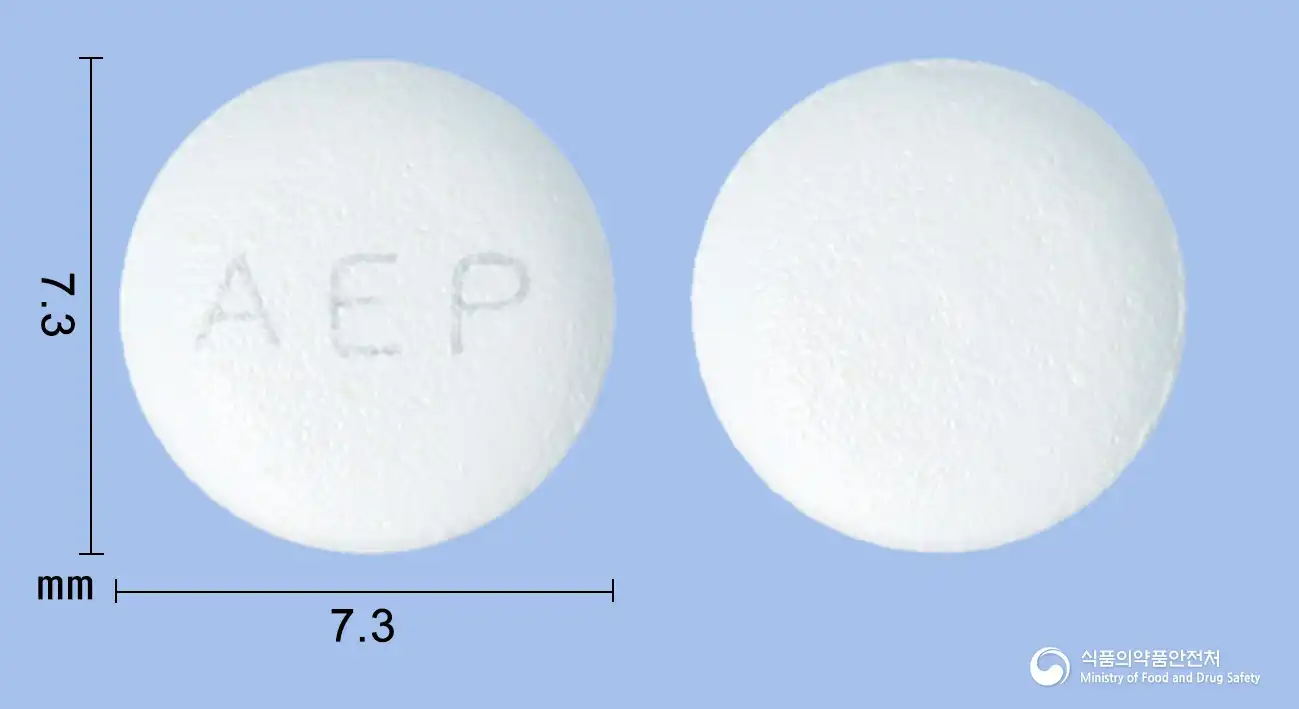
Eperisone Hydrochloride 50mg
Tablet · Prescription medication
Kyungdong Pharmaceutical Co., Ltd.
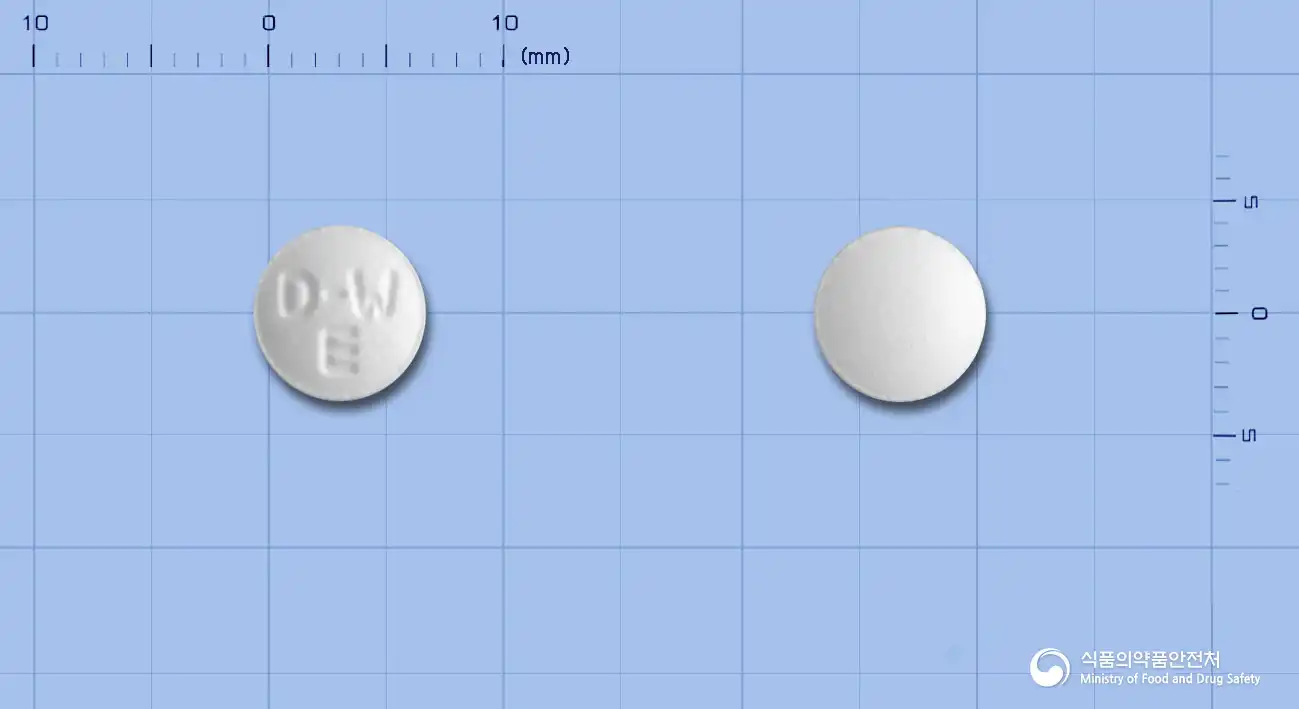
Eperisone Hydrochloride 50mg
Tablet · Prescription medication
Dongwha Pharmaceutical Co., Ltd.
Even with the same ingredient, the dose and directions can differ by strength and dosage form. Talk to a doctor or pharmacist before switching from a medication you are already taking.
No questions yet.
For anything that needs medical judgment, consult a doctor or pharmacist.
This drug information is based on data provided by the Korea Ministry of Food and Drug Safety.
Consult a doctor or pharmacist for accurate dosage, administration, and usage instructions.