
 한국어
한국어 English
 日本語
日本語 中文(简体)
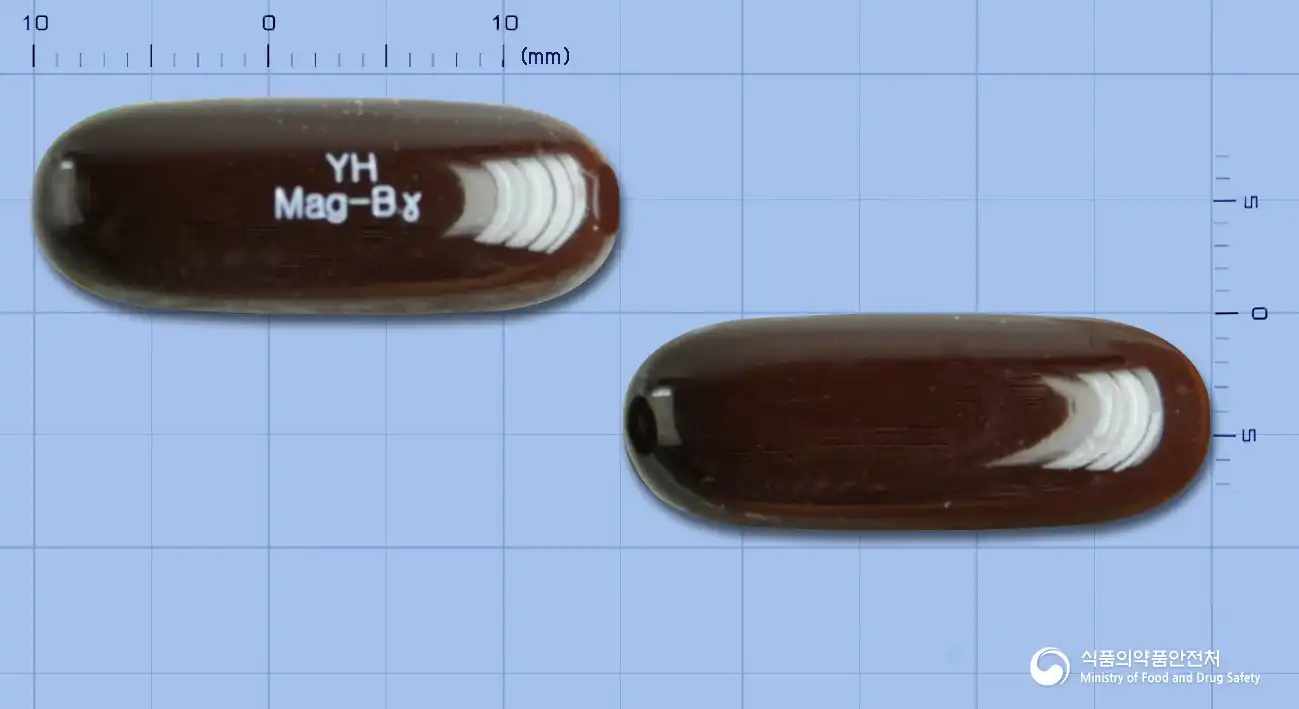
Dosage form image
Viewing nowCombinationMagreso Soft Capsules
Magnesium Oxide 250mg · Tocopherol Acetate 500mg +4 more
Soft capsule · OTC medication · Combination
Seohung Co., Ltd.
MFDS item code 202107769 · Notified 2021.12.02
Relief of physical fatigue and neuralgia, muscle pain, etc.
The vitamins B1, B6, and E contained in this medication are effective for physical fatigue, decreased strength during pregnancy and lactation, recovery from illness, and in old age. Vitamin B1 helps relieve pain such as neuralgia, muscle pain, and joint pain, and is also used to improve eye fatigue. Vitamin B6 is effective for relieving oral inflammation such as angular stomatitis, cheilitis, stomatitis, and glossitis. Vitamin E alleviates symptoms of skin conditions like dermatitis and eczema, and improves symptoms of peripheral circulatory disorders or menopausal symptoms, such as neck and shoulder stiffness, numbness in limbs, and cold extremities. It also helps reduce muscle cramps caused by magnesium deficiency. This medication is used to effectively improve these various symptoms.
For individuals aged 12 and older: Take 1 capsule at a time, twice a day.
This medication should not be taken by individuals allergic to certain components or who experience hypersensitivity reactions. It is advisable not to take this medication if you are an infant under 12 months old or if you have severe kidney dysfunction. Those who are allergic to soybean oil, soy, or peanuts should avoid this medication. During the period of medication, do not take it concurrently with phosphates, calcium salts, oral tetracycline preparations, antacids, and drugs such as levodopa. Patients undergoing treatment with a doctor or women who are pregnant or lactating, or those with heart or kidney problems, or patients with hypoproteinemia should consult a specialist before taking this medication. Special attention is required for those with abnormalities in fat metabolism or allergies to Yellow No. 5 dye. If symptoms such as gastrointestinal discomfort, diarrhea, vomiting, skin rash, irregular heartbeat, or neurological symptoms appear during use, stop taking the medication immediately and consult a specialist. In women, this medication may cause changes in menstrual cycles or an increase in the duration of bleeding, and the risk of thrombosis may increase when taken with estrogen-containing contraceptives. Long-term high doses of pyridoxine may lead to nerve damage, so caution should be exercised. With overdose, gastrointestinal symptoms, edema, heart problems, etc., may occur, so it is crucial to adhere to the recommended dose and administration. Additionally, it is advisable to avoid tea containing tannins, such as green tea or black tea, before or after taking this medication. Patients with metabolic issues should regularly check their blood lipid levels and adjust the dosage of this medication accordingly. This medication should be stored out of reach of children and kept sealed in a cool place away from direct sunlight and humidity. It is important not to transfer this medication to another container to maintain quality.
Refractory contraction (cardiac arrest), central nervous system dysfunction
Abdominal discomfort, diarrhea, constipation, rash, redness, nausea, vomiting, loose stools, red spots, increase in menstrual volume or shorter cycle, bleeding, sensory neuropathy or neurological symptoms, peptic ulcer, impaired glucose tolerance, hyperuricemia, liver damage, gastrointestinal symptoms such as nausea and vomiting, hypernatremia, congestive heart failure, edema, hyperkalemia
Not everyone experiences these, and they can vary from person to person.
This medication may be sensitive to air or moisture, so it should be stored in a sealed container. It is best to maintain a storage temperature between 1 to 30 degrees Celsius at room temperature. This helps to preserve the effectiveness and safety of the medication for a long period.
Brownish-red oblong soft capsule containing a viscous white content.
60 capsules/box[(10 capsules/PTP)*6], 120 capsules/box[(10 capsules/PTP)*12]
Even with the same ingredient, strength, dosage form and how it is taken can differ.
Magnesium Oxide 250mg · Tocopherol Acetate 500mg +4 more
Soft capsule · OTC medication · Combination
Seohung Co., Ltd.
 Combination
Tocopherol Acetate 500mg · Magnesium Oxide 250mg +4 more
Soft capsule · OTC medication · Combination
Yuhan Corporation
Even with the same ingredient, the dose and directions can differ by strength and dosage form. Talk to a doctor or pharmacist before switching from a medication you are already taking.
No questions yet.
For anything that needs medical judgment, consult a doctor or pharmacist.
This drug information is based on data provided by the Korea Ministry of Food and Drug Safety.
Consult a doctor or pharmacist for accurate dosage, administration, and usage instructions.