
 한국어
한국어 English
 日本語
日本語 中文(简体)
 Viewing nowCombination
Exiglumem Sustained-release Tablet 5/1000 mg
Metformin Hydrochloride 1000mg · Dapagliflozin 5mg
Tablet · Prescription medication · Combination
JongkunDang Co., Ltd.
MFDS item code 202107477 · Approved 2021.11.15 · Insurance code 643309190
Effect on blood sugar control in type 2 diabetes and prevention of cardiovascular events
This medication is used in conjunction with diet and exercise to improve blood sugar control in patients with type 2 diabetes. It is particularly suitable for adult patients whose blood sugar is not adequately controlled, where the combination of dapagliflozin and metformin is appropriate. It can also be used in patients with cardiovascular disease or risk factors, but caution should be exercised in these cases by referring to clinical trial information provided by specialists. Overall, this medication helps improve blood sugar control and aids in diabetes management.
The dosage of this medication should be individualized based on the patient's current treatment regimen, efficacy, and tolerability, and should not exceed the maximum recommended dose of dapagliflozin 10 mg and sustained-release metformin 2000 mg. This medication is generally administered once daily with the evening meal. The maximum dose is once daily dapagliflozin 10 mg/sustained-release metformin 2000 mg, taking 2 tablets of 5 mg/1000 mg.
This medication helps control blood sugar; however, it can very rarely cause a serious condition called lactic acidosis, so caution is needed. When taken with other diabetes medications, there can be a risk of hypoglycemia. This drug should not be administered to certain patients. For example, patients with an allergy to its components, those with moderate to severe renal impairment, dehydrated or severely infected patients, patients with type 1 diabetes, and pregnant or breastfeeding women should not take it. Moreover, patients about to undergo surgery or scheduled for tests using contrast agents should discontinue this medication for a certain period. Patients with slightly reduced renal function or those who are dehydrated should use this medication with caution and carefully monitor for hypotension or changes in renal function. Particularly elderly patients or those taking diuretics need to exercise additional caution. Common side effects while taking this medication include genital infections, urinary tract infections, hypoglycemia, dehydration symptoms, dizziness, and dry mouth. Additionally, serious side effects such as ketoacidosis or acute kidney injury may occur rarely, so if any abnormal symptoms arise, prompt consultation with a physician is required. This medication is not recommended for patients with impaired liver function, and alcohol intake should be avoided. Moreover, if blood sugar control fails or an acute condition develops, temporary discontinuation of the medication and appropriate treatment should be administered. Pregnant or breastfeeding women should not take this medication, and safety in pediatric patients has not been established. This medication may interact with other drugs, so particularly when used with diuretics, insulin, or sulfonylureas, dose adjustments may be necessary to reduce the risk of hypoglycemia or dehydration. In the event of an overdose, immediate visit to a medical institution is required for appropriate treatment, and while this medication has minimal impact on driving or operating machinery, dizziness may occur, so caution is advised. Lastly, this medication should be kept out of reach of children and stored in its original container to maintain quality.
Lactic acidosis, severe hypoglycemia, acute kidney injury, renal impairment, diabetic ketoacidosis, urosepsis, pyelonephritis, perineal necrosis, Guillain-Barré syndrome, bacterial pneumonia, acute cholecystitis, atrial fibrillation, severe allergic reactions (hives, severe swelling, chest tightness, difficulty breathing, cold sweat, paleness), severe skin adverse reactions (severe rash, blisters, skin peeling with high fever, mucosal pain in the mouth/eyes), respiratory problems (difficulty breathing, ...
Not everyone experiences these, and they can vary from person to person.
This medication may be sensitive to air or moisture, so it should be stored in a tightly sealed container. It is important to maintain a storage temperature between 1 to 30 degrees Celsius. Proper storage will help maintain the medication's effectiveness over time.
Pink to dark pink oval sustained-release film-coated tablets, convex on both sides
10 tablets/box [10 tablets/PTP x 1], 30 tablets/bottle, 30 tablets/box [10 tablets/PTP x 3]
Even with the same ingredient, strength, dosage form and how it is taken can differ.
Viewing nowCombinationMetformin Hydrochloride 1000mg · Dapagliflozin 5mg
Tablet · Prescription medication · Combination
JongkunDang Co., Ltd.
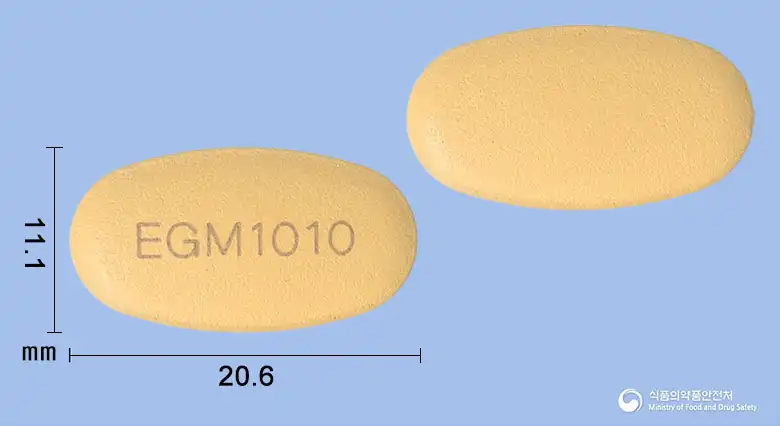 Combination
Metformin Hydrochloride 1000mg · Dapagliflozin 10mg
Tablet · Prescription medication · Combination
Jongkundang Co., Ltd.
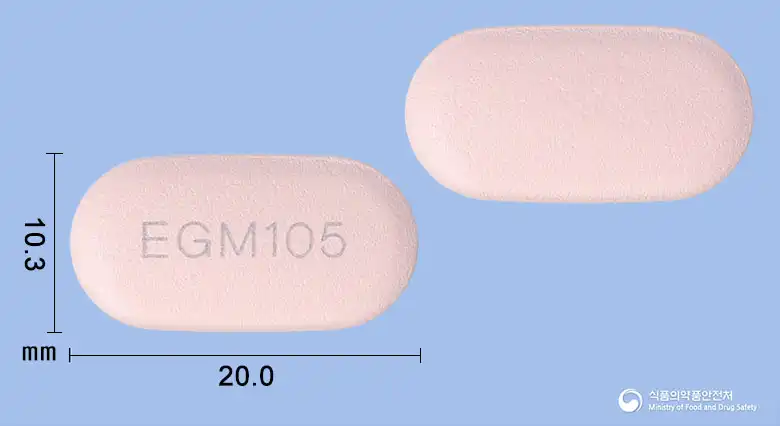 Combination
Metformin Hydrochloride 500mg · Dapagliflozin 10mg
Tablet · Prescription medication · Combination
Jongkeundang Co., Ltd.
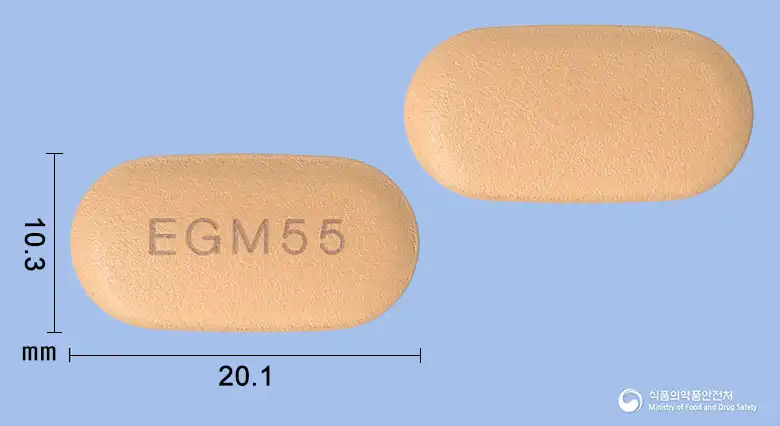 Combination
Metformin Hydrochloride 500mg · Dapagliflozin 5mg
Tablet · Prescription medication · Combination
Jongkundang Co., Ltd.
Even with the same ingredient, the dose and directions can differ by strength and dosage form. Talk to a doctor or pharmacist before switching from a medication you are already taking.
No questions yet.
For anything that needs medical judgment, consult a doctor or pharmacist.
This drug information is based on data provided by the Korea Ministry of Food and Drug Safety.
Consult a doctor or pharmacist for accurate dosage, administration, and usage instructions.