
 한국어
한국어 English
 日本語
日本語 中文(简体)
 Viewing nowCombination
Empamax M Tablet 5/500 mg (Empagliflozin, Metformin)
Empagliflozin L-Proline 6.28mg · Metformin Hydrochloride 500mg
Tablet · Prescription medication · Combination
Jongkundang Co., Ltd.
MFDS item code 202107474 · Approved 2021.11.15 · Insurance code 643309970
Effect of blood sugar control in type 2 diabetes and prevention of cardiovascular events
This medicine helps improve blood sugar control in adults with type 2 diabetes through the combination of empagliflozin and metformin. It is used as an adjunct to diet and exercise in patients whose blood sugar is inadequately controlled. Caution is needed in patients with type 2 diabetes who have cardiovascular disease, and information from clinical trials for specialists should be referred to regarding the risk of cardiovascular events. This medication supports systematic blood sugar management and contributes to health improvement.
The recommended dosage of this medication is 1 tablet at a time, twice a day. It is determined based on the patient's current therapy, efficacy, and tolerance within the limits not exceeding 25 mg of empagliflozin and 2000 mg of metformin. If adequate blood sugar control is unattainable with metformin alone or in combination with insulin or other medications, the recommended dosage is 5 mg of empagliflozin twice a day (10 mg total) along with the existing dosage of metformin. Tolerance
This medication is used for the treatment of diabetes and contains two components that help regulate blood sugar. Care should be taken as a rare but fatal side effect, severe lactic acidosis, may occur while taking this medication. Additionally, hypoglycemia may occur if taken with insulin or other diabetes medications, so caution is advised. Patients with moderate to severe renal impairment, acute kidney problems, severe infections, or heart failure should not use this medication. This medication should be temporarily discontinued before and after surgery or procedures involving radiocontrast agents, and may be resumed after renal function has returned to normal. Women who are pregnant or breastfeeding are advised to avoid taking this medication. During treatment, renal function should be regularly monitored, and if symptoms of dehydration, severe vomiting, or diarrhea occur, a physician should be consulted immediately. This medication may increase the risk of urinary tract infections or genital infections, so prompt treatment is required if symptoms of infection appear. Vitamin B12 levels may decrease; thus, regular blood tests are recommended if taken for a long time. It is important to avoid alcohol, especially excessive consumption, as it may increase the risk of lactic acidosis. Symptoms of hypoglycemia may occur, so caution should be exercised when skipping meals or increasing physical activity, and sugar should be consumed immediately if hypoglycemic symptoms occur. Dehydration or low blood pressure may occur while taking this medication, so adequate fluid intake and blood pressure management are necessary. Drug interactions may occur, so if taking other medications, be sure to inform your doctor or pharmacist. Elderly patients or those with reduced renal function require careful dosage adjustment and regular monitoring. In cases of overdose, severe side effects like lactic acidosis may occur, so adherence to the prescribed dosage is crucial and dosage changes should not be made without a doctor's instruction. Lastly, this medication should be stored out of reach of children and kept in its original packaging for safety.
Hives, severe swelling (angioedema), chest tightness, difficulty breathing, cold sweat, pallor (severe allergic reaction), severe rash, blisters, peeling skin, pain in mucous membranes of mouth/eyes (severe skin reaction), shortness of breath or difficulty breathing, asthma attacks, respiratory abnormalities accompanied by cough and fever, jaundice of the skin or eyes, general lethargy (liver dysfunction), sudden and severe headache, thunderclap headache, seizures
Not everyone experiences these, and they can vary from person to person.
This medicine may be sensitive to air and moisture; thus, it should be stored in a tightly closed container. The storage temperature should be maintained at room temperature between 1 degree and 30 degrees. Proper storage will help maintain the effectiveness of the medication long-term.
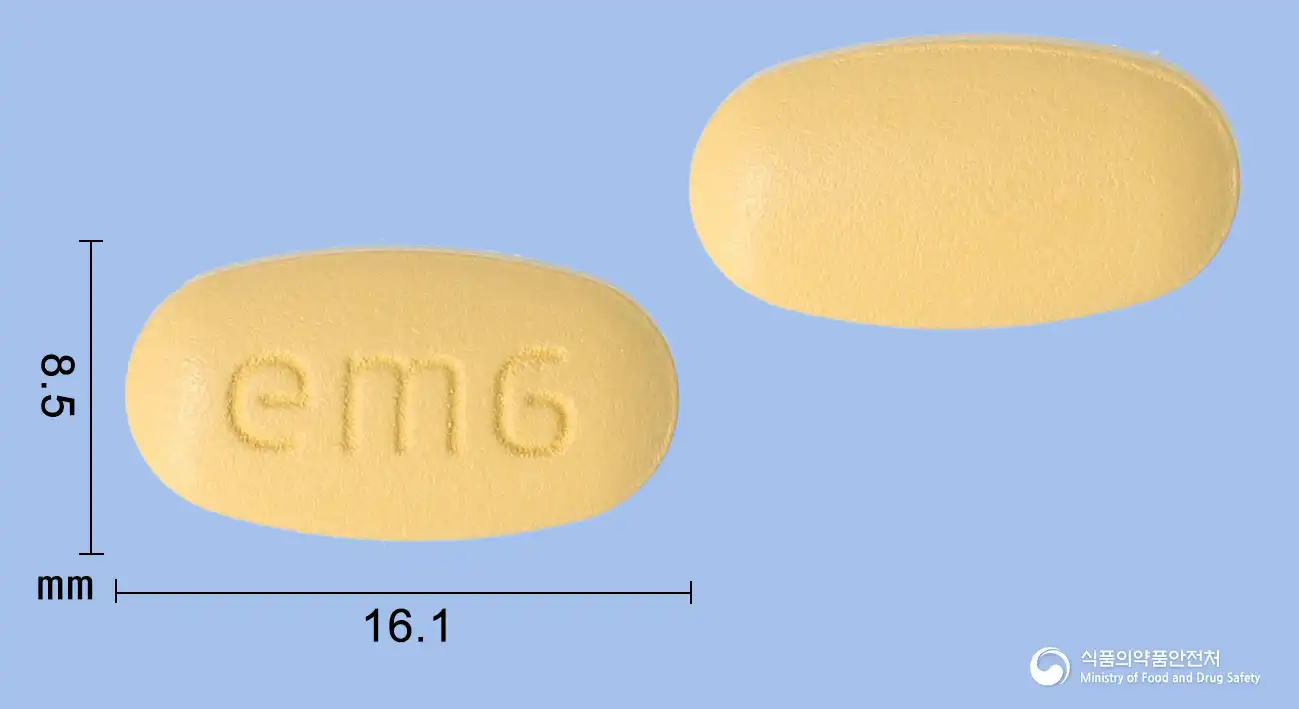
Orange-yellow, bilaterally convex, egg-shaped film-coated tablet
60 tablets/box [10 tablets/PTP x 6], 30 tablets/bottle
Even with the same ingredient, strength, dosage form and how it is taken can differ.
Viewing nowCombinationEmpagliflozin L-Proline 6.28mg · Metformin Hydrochloride 500mg
Tablet · Prescription medication · Combination
Jongkundang Co., Ltd.
 Combination
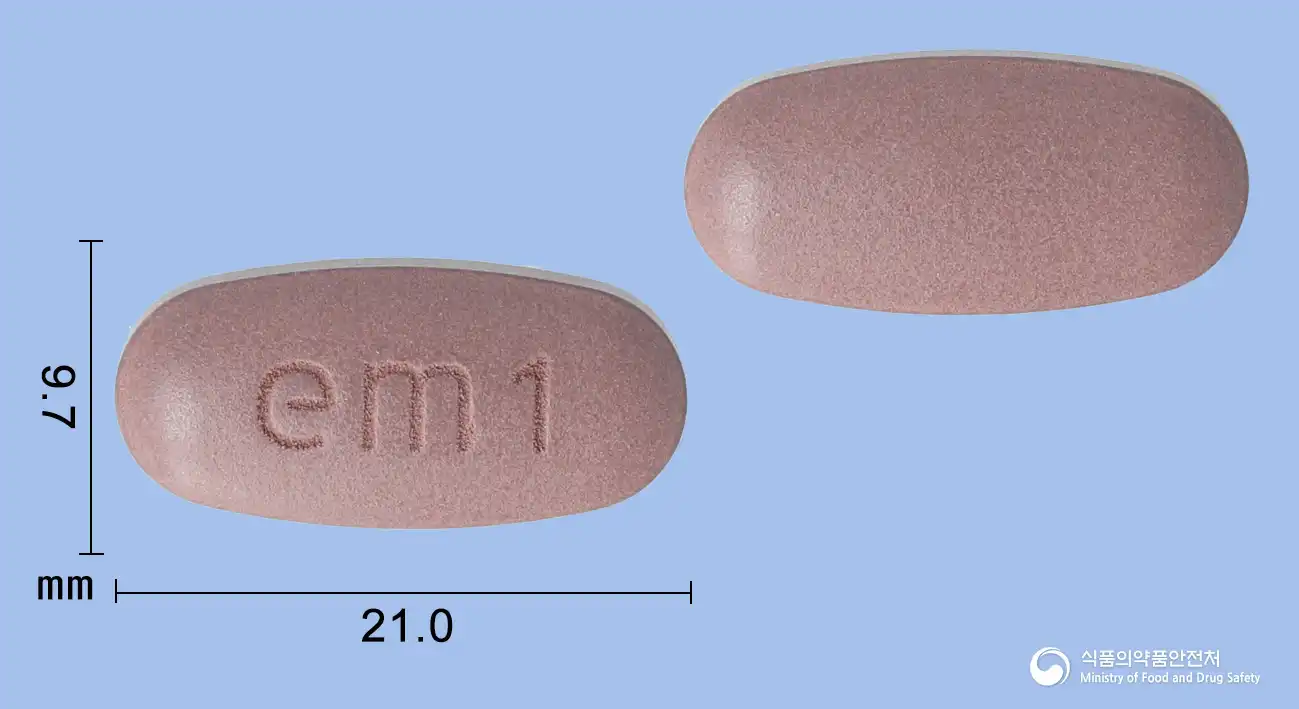
Empagliflozin L-Proline 15.7mg · Metformin Hydrochloride 1000mg
Tablet · Prescription medication · Combination
Jongkundang Co., Ltd.
 Combination
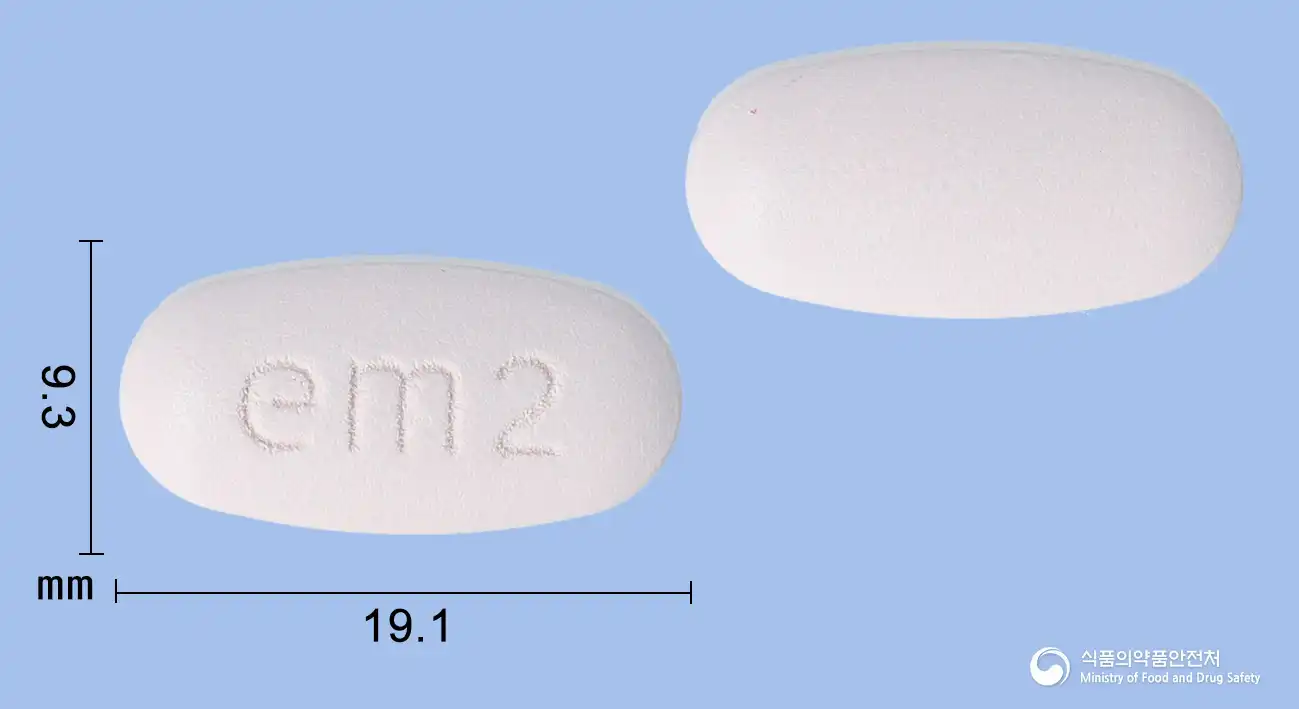
Empagliflozin L-Proline 15.7mg · Metformin Hydrochloride 850mg
Tablet · Prescription medication · Combination
(Co., Ltd.) Chong Kun Dang
 Combination
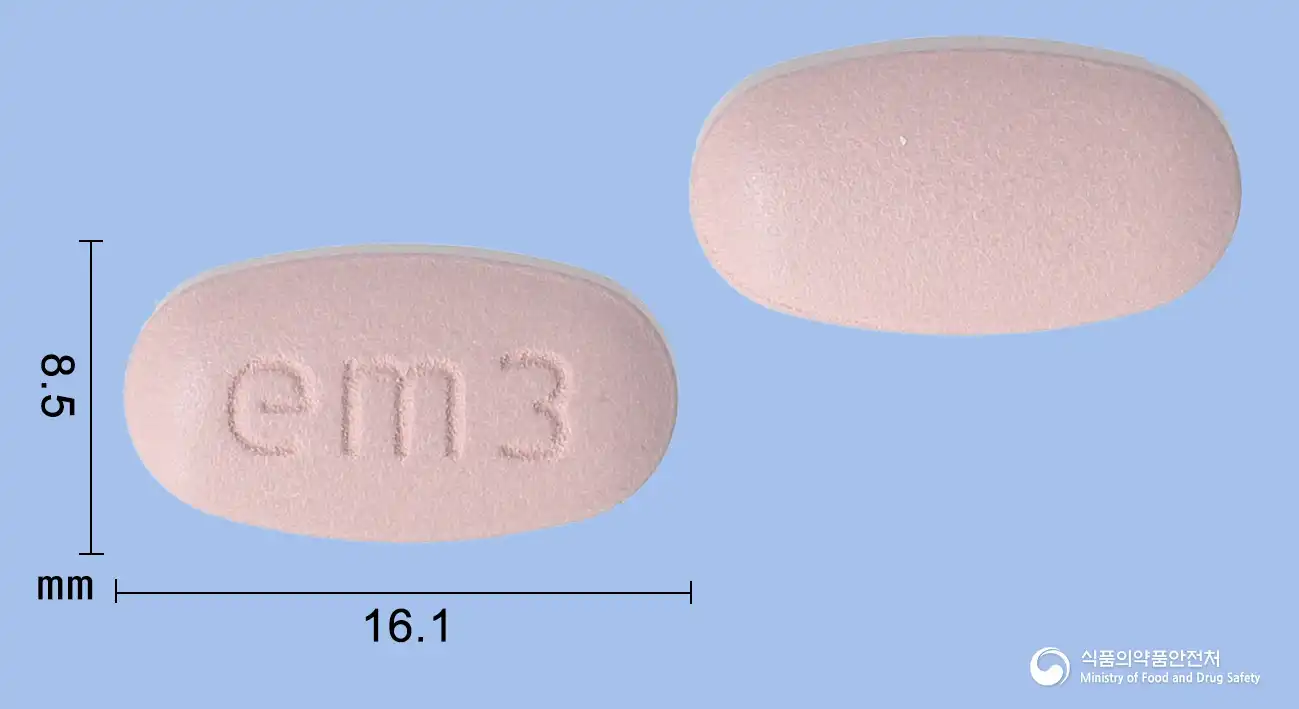
Empagliflozin L-Proline 15.7mg · Metformin Hydrochloride 500mg
Tablet · Prescription medication · Combination
Jonggeun Dang Co., Ltd.
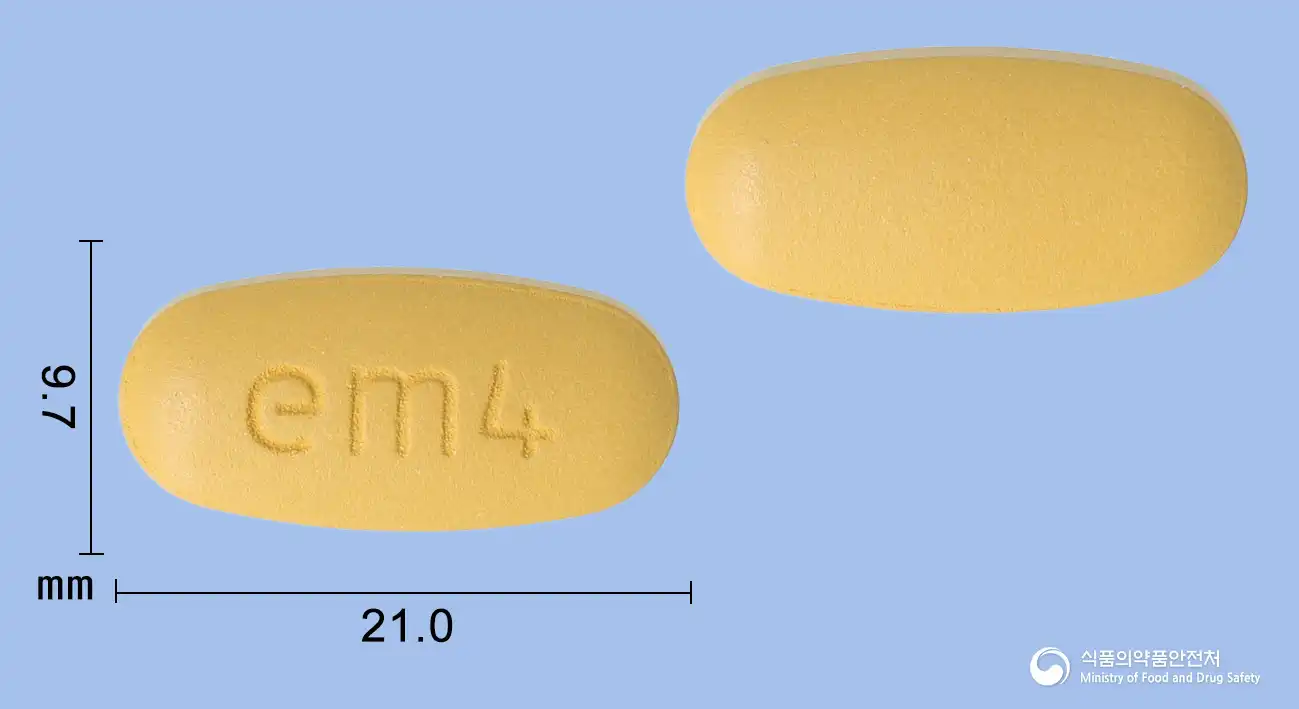 Combination
Empagliflozin L-Proline 6.28mg · Metformin Hydrochloride 1000mg
Tablet · Prescription medication · Combination
Jongkundang Co., Ltd.
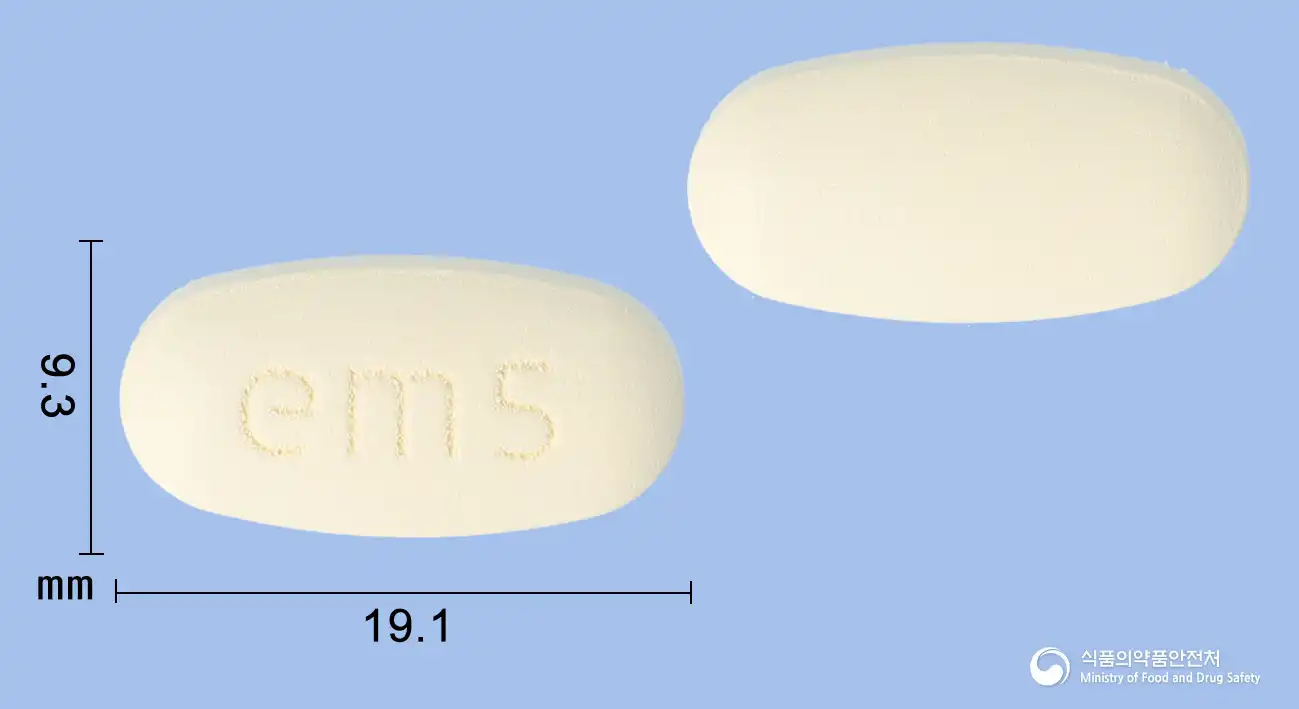 Combination
Empagliflozin L-Proline 6.28mg · Metformin Hydrochloride 850mg
Tablet · Prescription medication · Combination
Jongkundang Co., Ltd.
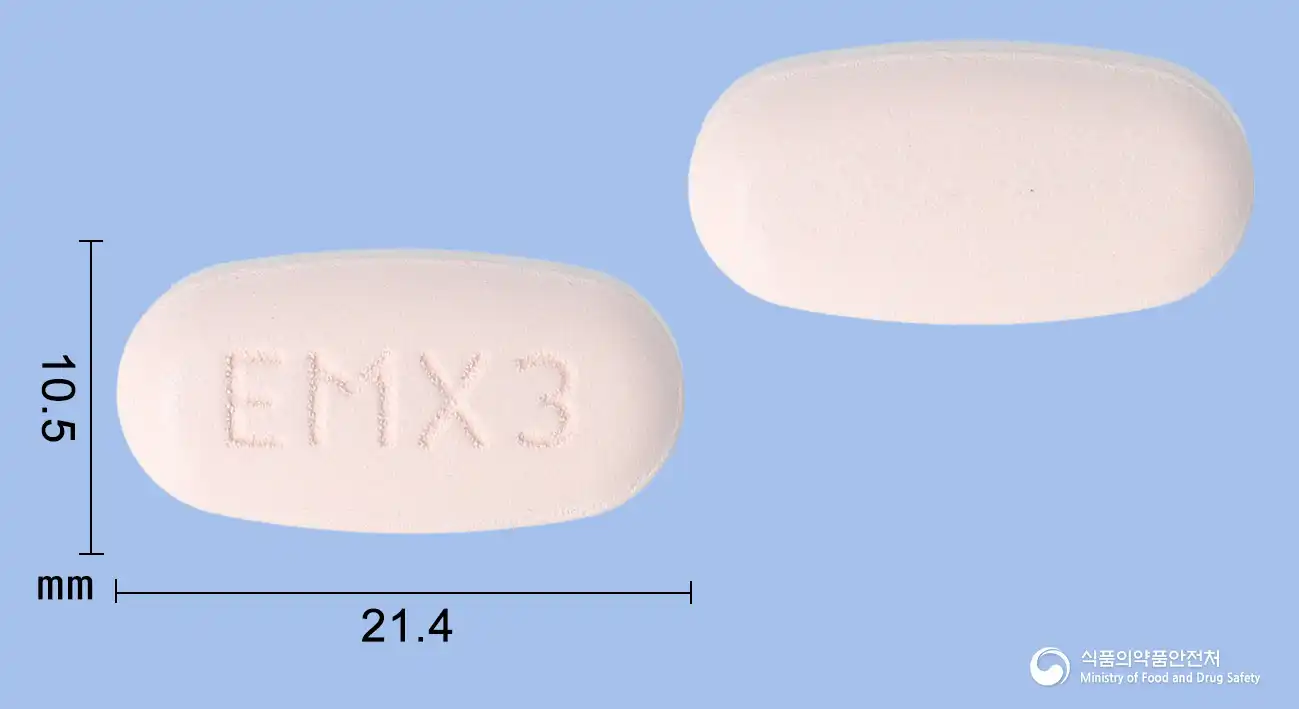 Combination
Empagliflozin L-Proline 12.55mg · Metformin Hydrochloride 1000mg
Tablet · Prescription medication · Combination
Jongkundang Co., Ltd.
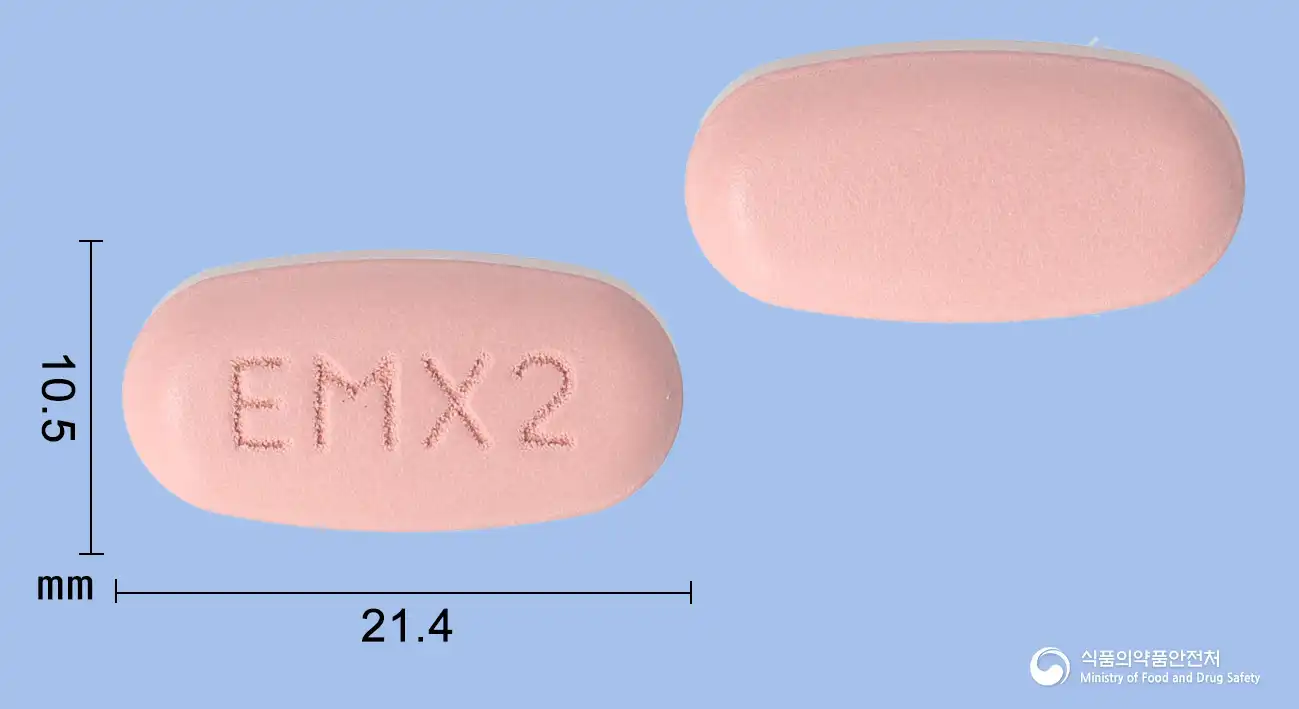 Combination
Empagliflozin L-Proline 31.38mg · Metformin Hydrochloride 1000mg
Tablet · Prescription medication · Combination
Jongkundang Co., Ltd.
Even with the same ingredient, the dose and directions can differ by strength and dosage form. Talk to a doctor or pharmacist before switching from a medication you are already taking.
No questions yet.
For anything that needs medical judgment, consult a doctor or pharmacist.
This drug information is based on data provided by the Korea Ministry of Food and Drug Safety.
Consult a doctor or pharmacist for accurate dosage, administration, and usage instructions.