Treatment and prevention of erosive reflux esophagitis, alleviation of symptoms of gastroesophageal reflux disease
Who takes it
Adults
Adult dose
This medication should be taken on an empty stomach at least 1 hour before meals.
Swallow this medication whole with at least half a glass of water.
Do not take with any beverage other than water.
This medication should not be chewed or crushed.
For the treatment of gastroesophageal reflux disease (GERD)
- Treatment of erosive reflux esophagitis: 40/800 mg once daily for 4 weeks
- If esophagitis is not treated or if symptoms persist, continue for 4 more weeks.
Treatment and prevention of erosive reflux esophagitis, alleviation of symptoms of gastroesophageal reflux disease
Symptoms of gastroesophageal reflux disease
erosive reflux esophagitis
and esophagitis
View approved original textHide original text
Gastroesophageal reflux disease (GERD) is a condition caused by the reflux of gastric acid into the esophagus. This medication is used for the treatment of erosive reflux esophagitis and as long-term maintenance therapy to prevent recurrence in patients with esophagitis. It is also effective in alleviating symptoms in GERD patients without esophagitis. This helps improve various esophageal-related issues.
How to take
Adult dose
This medication should be taken on an empty stomach at least 1 hour before meals.
Swallow this medication whole with at least half a glass of water.
Do not take with any beverage other than water.
This medication should not be chewed or crushed.
For the treatment of gastroesophageal reflux disease (GERD)
- Treatment of erosive reflux esophagitis: 40/800 mg once daily for 4 weeks
- If esophagitis is not treated or if symptoms persist, continue for 4 more weeks.
Precautions
This medication should not be used in certain patients. First, individuals allergic to this medication or its components, those with a history of hypersensitivity to benzimidazole derivatives, those taking specific antiviral drugs such as atazanavir or nelfinavir, nursing mothers, those taking rilpivirine-containing preparations, and those with a history of myocardial infarction should not take this medication.
This medication should be used cautiously in some patients. Caution is needed for individuals with impaired liver function, the elderly, those with severe gastrointestinal ulcers, reduced kidney function, weak heart or lung function, electrolyte imbalances, and those who need to limit sodium intake. Particularly, this medication contains sodium bicarbonate, which can lead to alkalosis or electrolyte abnormalities, so care is necessary.
Various adverse reactions may occur when taking this medication. Gastrointestinal symptoms such as headache, abdominal pain, diarrhea, nausea, and vomiting are common, while rarer effects may include blood abnormalities, allergic reactions, skin rashes, liver function abnormalities, muscle pain, and neurological symptoms. Prolonged use may lead to electrolyte imbalances such as hypomagnesemia; therefore, regular monitoring is necessary.
As this medication suppresses gastric acid and decreases acidity in the stomach, there may be an increased risk of bacterial infections in the gastrointestinal tract. Particularly, hospitalized patients may be at risk for diarrhea caused by Clostridium difficile, so if diarrhea symptoms persist, consult a physician.
Long-term use of this medication may increase the risk of fractures; therefore, patients at risk for osteoporosis should have bone density tests and appropriate management.
This medication may interact with other drugs. Caution is required when taken in combination with specific antiviral agents, warfarin, digoxin, methotrexate, and clopidogrel, and it should be taken according to a doctor's directions.
During pregnancy, safety data for this medication are limited, so it should be used only under a physician's judgment when necessary, and it is advisable to avoid use while nursing.
In case of overdose, there are no specific antidotes, so appropriate treatment and monitoring based on symptoms are necessary.
This medication should be kept out of the reach of children and should not be transferred to another container.
Side effects and when to seek care immediately
Serious side effects
Urticaria
angioedema
anaphylactic reactions
shock
hyponatremia
hypomagnesemia
hypocalcemia
hypokalemia
hepatitis
jaundice
Show 15 moreCollapse
liver failure
encephalopathy
erythema multiforme
Stevens-Johnson syndrome
toxic epidermal necrolysis
rhabdomyolysis
interstitial nephritis
cardiac dysfunction
pulmonary dysfunction
severe edema
severe allergic reactions
severe skin reactions
liver abnormalities (jaundice)
severe neurological symptoms
severe adverse effects
Mild side effects
Headache
dizziness
drowsiness
insomnia
anxiety
confusion
depression
aggression
hallucinations
taste disturbances
Show 29 moreCollapse
blurred vision
bronchospasm
abdominal pain
constipation
diarrhea
abdominal distension
nausea
vomiting
dry mouth
stomatitis
gastrointestinal candidiasis
increased liver enzymes
dermatitis
itching
rash
hair loss
photosensitivity
fractures
arthralgia
myalgia
weakness
increased sweating
allergic reactions
back pain
chest pain
facial swelling
facial flushing
fatigue
rash
Not everyone experiences these, and they can vary from person to person.
Storage
This medication may be sensitive to air or moisture, so it should be stored in a tightly sealed container. It is recommended to maintain a storage temperature between 1 and 30 degrees Celsius.
Appearance and packaging
Appearance
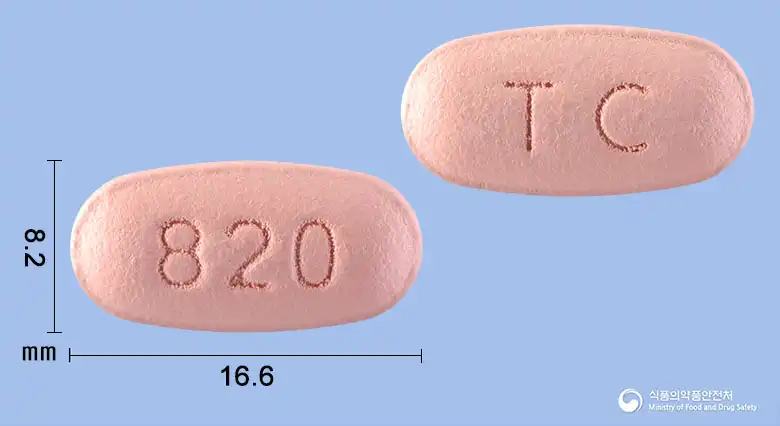
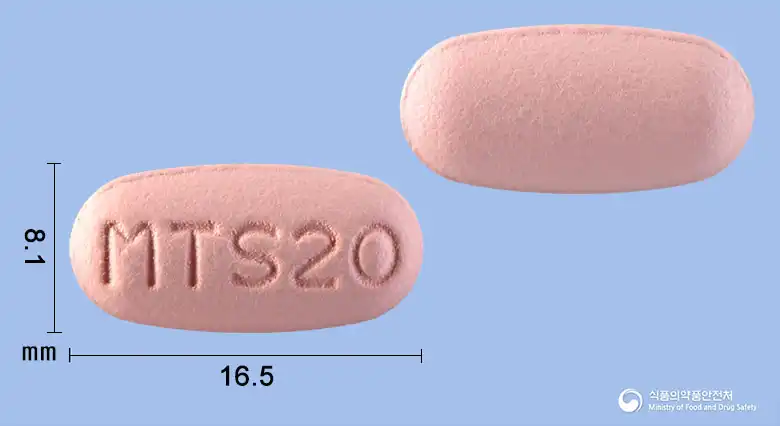
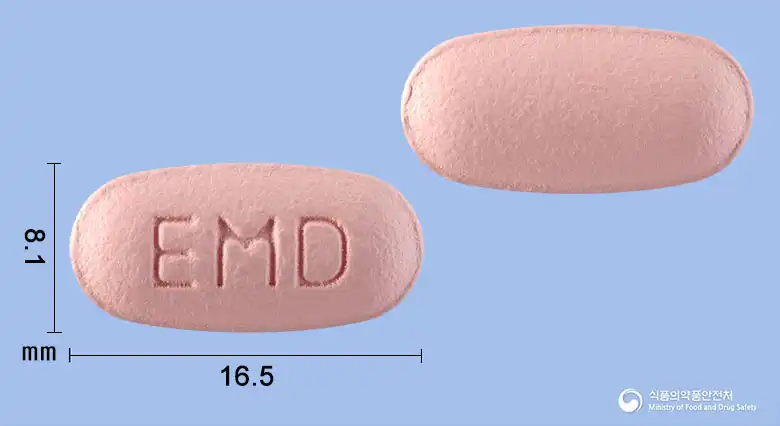
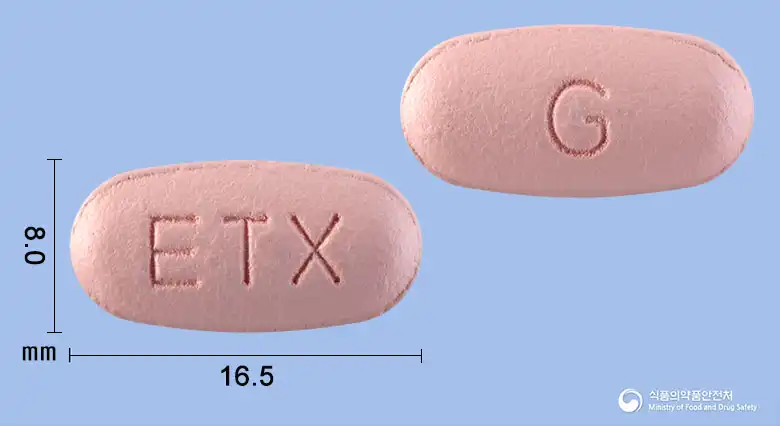
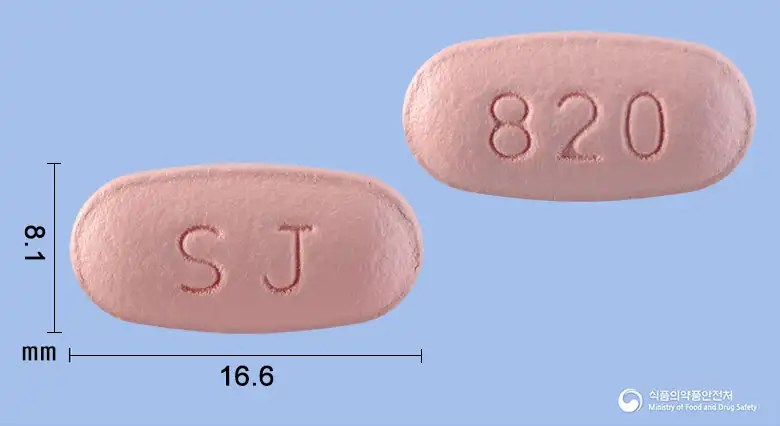
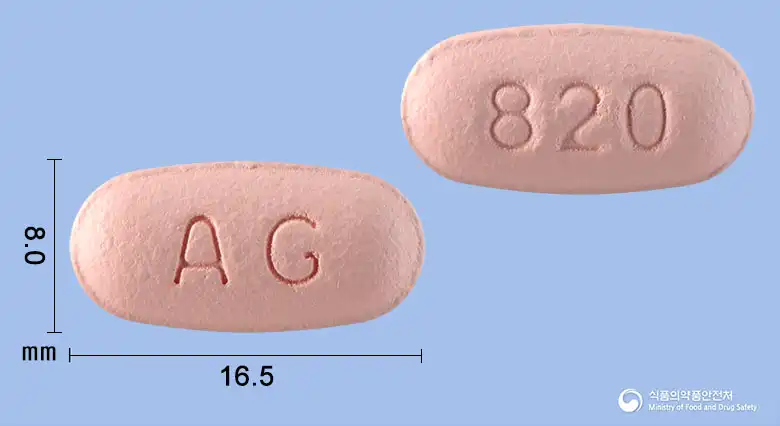
Pale pink oval film-coated tablet
Package unit
30 tablets/bottle, 30 tablets/box [(10 tablets/PTP x 3)]
Same-ingredient medicines
Even with the same ingredient, strength, dosage form and how it is taken can differ.
Even with the same ingredient, the dose and directions can differ by strength and dosage form. Talk to a doctor or pharmacist before switching from a medication you are already taking.
Questions about this medicine
No questions yet.
For anything that needs medical judgment, consult a doctor or pharmacist.
This drug information is based on data provided by the Korea Ministry of Food and Drug Safety. Consult a doctor or pharmacist for accurate dosage, administration, and usage instructions.

 한국어
한국어 English
 日本語
日本語 中文(简体)
 Viewing nowCombination