
 한국어
한국어 English
 日本語
日本語 中文(简体)
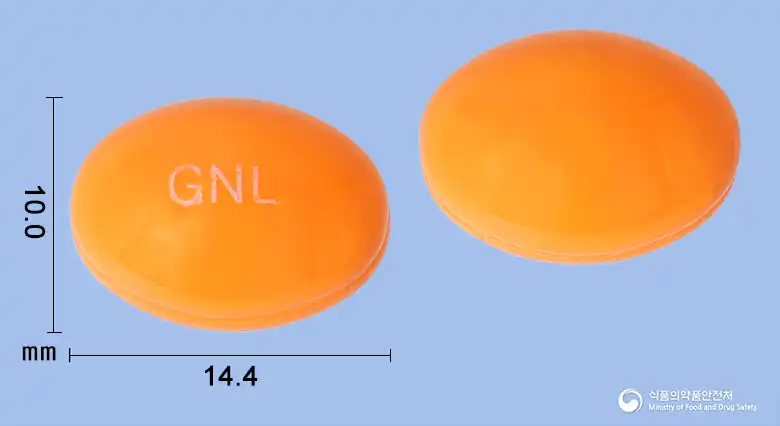 Viewing nowCombination
That Day End W Soft Capsule
Ibuprofen 200mg · Pamabrom 25mg +2 more
Soft capsule · OTC medication · Combination
Kyungdong Pharmaceutical Co., Ltd.
MFDS item code 202107347 · Notified 2021.11.08
Relief of pain (headache, toothache, etc.) and suppression of fever
This medicine is used to relieve various types of pain, including headaches, toothaches, joint pain, muscle pain, and menstrual pain. It is also effective for cold symptoms such as chills or fever. In other words, it helps alleviate acute pain and inflammation and reduces fever, thereby improving patient discomfort.
For those aged 15 and older and adults: 1 to 3 times a day, 1 to 2 capsules at a time. Avoid taking on an empty stomach. The interval between doses should be at least 4 hours.
This medication may cause gastrointestinal bleeding in individuals who regularly consume more than three alcoholic beverages a day, so it is essential to consult a doctor or pharmacist. Patients with cardiovascular diseases or risk factors should carefully consider using this medication in high doses, as the risk of thrombotic events such as myocardial infarction or stroke may increase with high-dose use. Those who have had allergic reactions to this medication or its components, have a history of asthma, are infants under 3 months old, or are sensitive to soybean oil, soy, or peanuts should not take this medication. Do not take with other antipyretics, cold medicines, or sedatives. Infants infected with chickenpox or influenza and children under 15 should definitely consult a doctor before taking this medication, and those with allergic tendencies or liver, kidney, and thyroid diseases should also consult a professional prior to use. It is advised that pregnant women after 30 weeks of pregnancy and nursing mothers do not use this medication, especially after the second trimester due to the risk of fetal kidney dysfunction or oligohydramnios. If symptoms such as rash, itching, vomiting, or gastrointestinal bleeding occur during the use of this medication, discontinue immediately and consult a professional. Children under 2 years old should not take this medication except in special circumstances, and long-term use or consumption of alcohol during use should be avoided. Additionally, this medication can cause serious skin reactions and cardiovascular adverse reactions such as Kounis syndrome, so discontinue immediately if any abnormal symptoms arise. The medication should be stored in a cool, dry place out of the reach of children and should not be transferred to other containers.
Hives, severe swelling, chest tightness, cold sweat, pallor, difficulty breathing, severe rash with high fever, blisters, skin peeling, mouth/eye mucosal pain, asthma, yellowing of the skin or eyes (jaundice), sudden and severe headache, confusion, visual disturbances, paralysis, significantly reduced urine output, severe swelling accompanied by increased blood pressure
Not everyone experiences these, and they can vary from person to person.
Do not take this medication with other antipyretics, cold medicines, or sedatives.
This medicine should be stored in a tightly sealed container to prevent air or moisture from entering. It is best to keep it at room temperature, between 1 and 30 degrees Celsius.
Orange oval soft capsule containing partially yellow opaque contents and partially colorless transparent liquid
12 capsules/PTP X 1
Even with the same ingredient, strength, dosage form and how it is taken can differ.
Viewing nowCombinationIbuprofen 200mg · Pamabrom 25mg +2 more
Soft capsule · OTC medication · Combination
Kyungdong Pharmaceutical Co., Ltd.
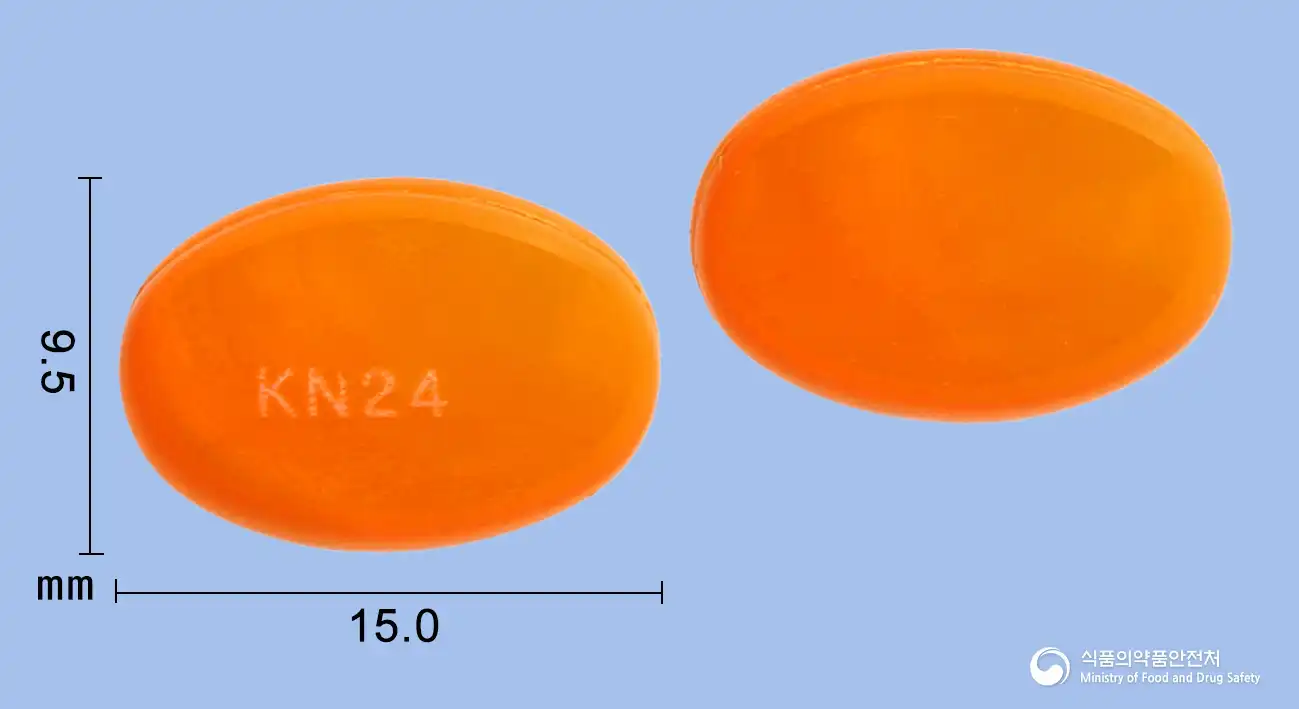 Combination
Ibuprofen 200mg · Pamabrom 25mg +2 more
Soft capsule · OTC medication · Combination
Kyungnam Pharmaceutical Co., Ltd.
Ibuprofen 200mg · Pamabrom 25mg +2 more
Soft capsule · OTC medication · Combination
RPI Bio Co., Ltd.
Even with the same ingredient, the dose and directions can differ by strength and dosage form. Talk to a doctor or pharmacist before switching from a medication you are already taking.
QCan I take it on an empty stomach due to menstrual pain?
Answers 1 · 2026.09.14
For anything that needs medical judgment, consult a doctor or pharmacist.
This drug information is based on data provided by the Korea Ministry of Food and Drug Safety.
Consult a doctor or pharmacist for accurate dosage, administration, and usage instructions.